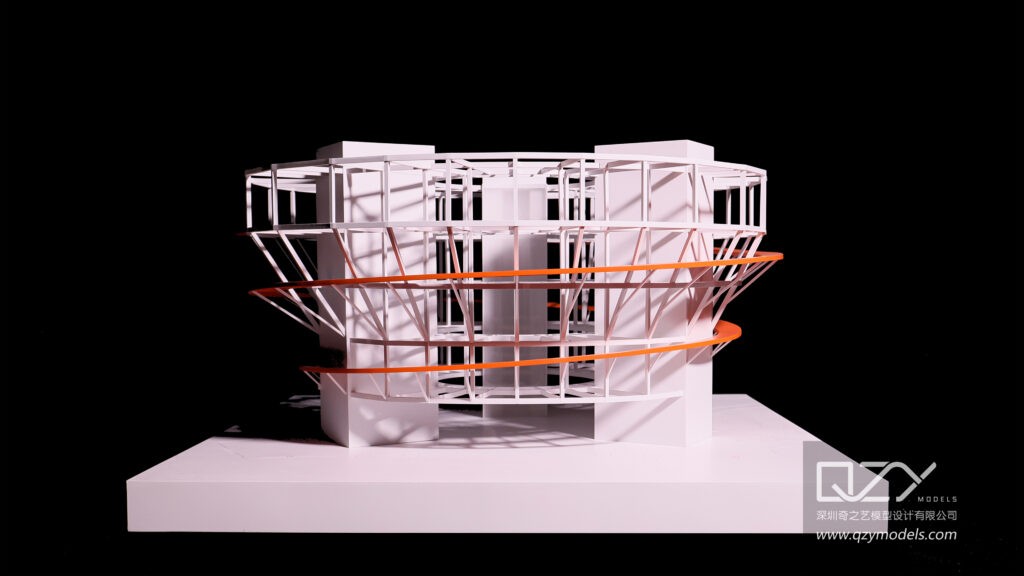
Medical clinic floor plans are carefully designed layouts that organize reception areas, exam rooms, treatment spaces, and staff zones for maximum efficiency. They ensure smooth patient flow, privacy, safety, and accessibility while supporting staff productivity and infection control. These plans are essential for clinics of all sizes, helping architects and developers optimize operational effectiveness and patient experience.
Medical clinic floor plans serve as the blueprint for healthcare environments, combining functional design with patient-centered care. They guide construction, optimize workflows, and balance clinical efficiency with comfort for both patients and staff. QZY Models provides precise scale models that visualize these layouts, enabling better decision-making before construction begins.
What Makes a Good Medical Clinic Floor Plan?
A well-designed medical clinic floor plan prioritizes smooth circulation, safety, and adaptability. Effective layouts clearly separate public, clinical, and administrative areas, minimizing bottlenecks and cross-contamination risks.
Key components include:
-
Zoned Layouts: Reception, waiting, exam, treatment, and administrative areas are distinctly organized.
-
Flexibility: Modular exam rooms accommodate multiple specialties.
-
Technology Integration: Workstations for EHR systems and telehealth ensure modern efficiency.
QZY Models excels in creating precise physical representations of these layouts, highlighting inefficiencies early. Their models allow architects and stakeholders to visualize patient flow and staff operations in real scale.
| Essential Zones | Purpose | Typical Size (sq ft) |
|---|---|---|
| Reception | Check-in | 100-200 |
| Waiting Room | Patient hold | 300-500 |
| Exam Rooms | Consultations | 120-150 each |
| Staff Break | Rest | 80-120 |
This table illustrates a standard 2,000 sq ft clinic layout serving 20 patients daily.
How to Design Medical Clinic Floor Plans?
Designing medical clinic floor plans starts with site assessment, regulatory compliance, and user needs. Software like AutoCAD, Revit, or SketchUp supports detailed 2D and 3D layouts, while QZY Models transforms digital designs into tangible prototypes for better visualization.
Steps for design:
-
Assess Needs: Evaluate patient volume, services, and specialty requirements.
-
Sketch Zones: Separate public areas (reception, waiting) from private clinical spaces.
-
Detail Fixtures: Include sinks, treatment equipment, and safety features in every exam room.
-
Incorporate Biophilic Elements: Use natural light and greenery to reduce stress and improve satisfaction.
QZY Models’ physical models reveal design flaws that digital renders might miss, improving planning for international projects in the UAE, Saudi Arabia, and beyond.
What Are Standard Sizes for Medical Clinic Floor Plans?
Clinic size depends on scale and service range. Solo practices may occupy 1,200 sq ft, medium group clinics 3,000 sq ft, and large multi-specialty facilities over 5,000 sq ft. Exam rooms generally range 120-150 sq ft, waiting areas 7-10 sq ft per patient, and corridors at least 10 ft wide.
| Clinic Type | Total Sq Ft | Exam Rooms | Waiting Seats |
|---|---|---|---|
| Solo | 1,200 | 2 | 8-10 |
| Group | 3,000 | 6 | 20 |
| Multi-Spec | 5,000+ | 10+ | 40+ |
QZY Models produces high-fidelity 1:50 or 1:100 scale models to visualize space allocation and operational efficiency, aiding decision-making and stakeholder presentations.
Why Prioritize Patient Flow in Medical Clinic Floor Plans?
Optimized patient flow reduces wait times, enhances staff productivity, and minimizes infection risks. Linear circulation paths from reception to exam and exit points prevent congestion, improve patient experience, and increase capacity.
Advantages:
-
Shorter visits enable higher daily throughput.
-
Clear pathways and signage reduce stress and errors.
-
Efficient flow supports cleaner, safer operations.
QZY Models creates physical models that simulate patient journeys, allowing clinics to test layouts before construction and prevent bottlenecks.
What Regulations Govern Medical Clinic Floor Plans?
Clinic designs must comply with ADA, HIPAA, IBC, and FGI standards to ensure accessibility, safety, and privacy. Key considerations include:
-
ADA: Door widths, turning radii, ramps, and grab bars.
-
HIPAA: Private consultation areas and secure record storage.
-
FGI: Proper ventilation, acoustic privacy, and infection control.
QZY Models incorporates these regulations into their scale models, supporting code review and international project approvals.
How Does QZY Models Enhance Medical Clinic Floor Plans?
QZY Models elevates clinic design by converting digital layouts into detailed physical prototypes at scales of 1:50 to 1:100. Their models:
-
Allow hands-on review of patient and staff circulation.
-
Highlight material finishes, sightlines, and lighting effects.
-
Enable realistic demonstrations for stakeholder approval.
Using laser cutting and 3D printing, QZY Models ensures unmatched detail and accuracy, supporting clients globally within 4-6 weeks.
QZY Models Expert Views
“Medical clinic floor plans require precision beyond digital visualization. Our physical models let architects and developers experience spatial flow firsthand, uncovering ADA oversights and optimizing layouts for privacy and efficiency. With over 20 years of expertise, QZY Models ensures every detail—from exam room acoustics to reception sightlines—supports better outcomes and operational success.” – Richie Ren, Founder, QZY Models
What Are Common Mistakes in Medical Clinic Floor Plans?
Typical errors include inefficient circulation, inadequate restrooms, insufficient waiting areas, and neglecting staff workflow.
Solutions:
-
Test layouts under peak usage scenarios.
-
Allocate sufficient space per patient in waiting areas.
-
Cluster utilities and support zones centrally.
QZY Models’ prototypes detect these mistakes early, reducing costly revisions and improving operational readiness.
How Can Physical Models Improve Medical Clinic Floor Plans?
Physical models enhance comprehension, allowing architects and stakeholders to assess flow, lighting, and ergonomics in real scale. Benefits include:
-
Identification of sightline and scale issues.
-
Evaluation of material and color interactions.
-
Engagement of clients in design approval, especially in exhibitions or educational settings.
QZY Models’ craftsmanship provides realistic, interactive prototypes for clinics worldwide.
Key Takeaways and Actionable Advice
Effective medical clinic floor plans combine functional zoning, regulatory compliance, and optimized flow. Utilize physical prototypes from QZY Models early in the design process to uncover inefficiencies, validate layouts, and communicate concepts clearly to stakeholders. Prioritize patient experience, staff efficiency, and adaptable designs for long-term operational success.
FAQs
What software is best for medical clinic floor plans?
Revit or SketchUp for 3D modeling; AutoCAD for precise 2D drafting. Free tools like Floorplanner can support early concepts.
How much do professional medical clinic floor plans cost?
Costs range from $5,000-$20,000 depending on size and complexity. QZY Models’ physical models add $2,000-$10,000 for enhanced visualization.
Can floor plans be customized for specific specialties?
Yes, layouts can be tailored for dentistry, urgent care, pediatrics, or multi-specialty clinics. QZY Models adapts prototypes to each specialty’s workflow.
What’s the ideal waiting room size?
7-10 sq ft per patient; for 30-40 patients, 300-400 sq ft is recommended with separate zones for well and sick visits.
How long does it take to construct a clinic from a floor plan?
Typically 6-12 months, including permitting and inspections. Physical models accelerate approvals by clarifying spatial and functional plans.