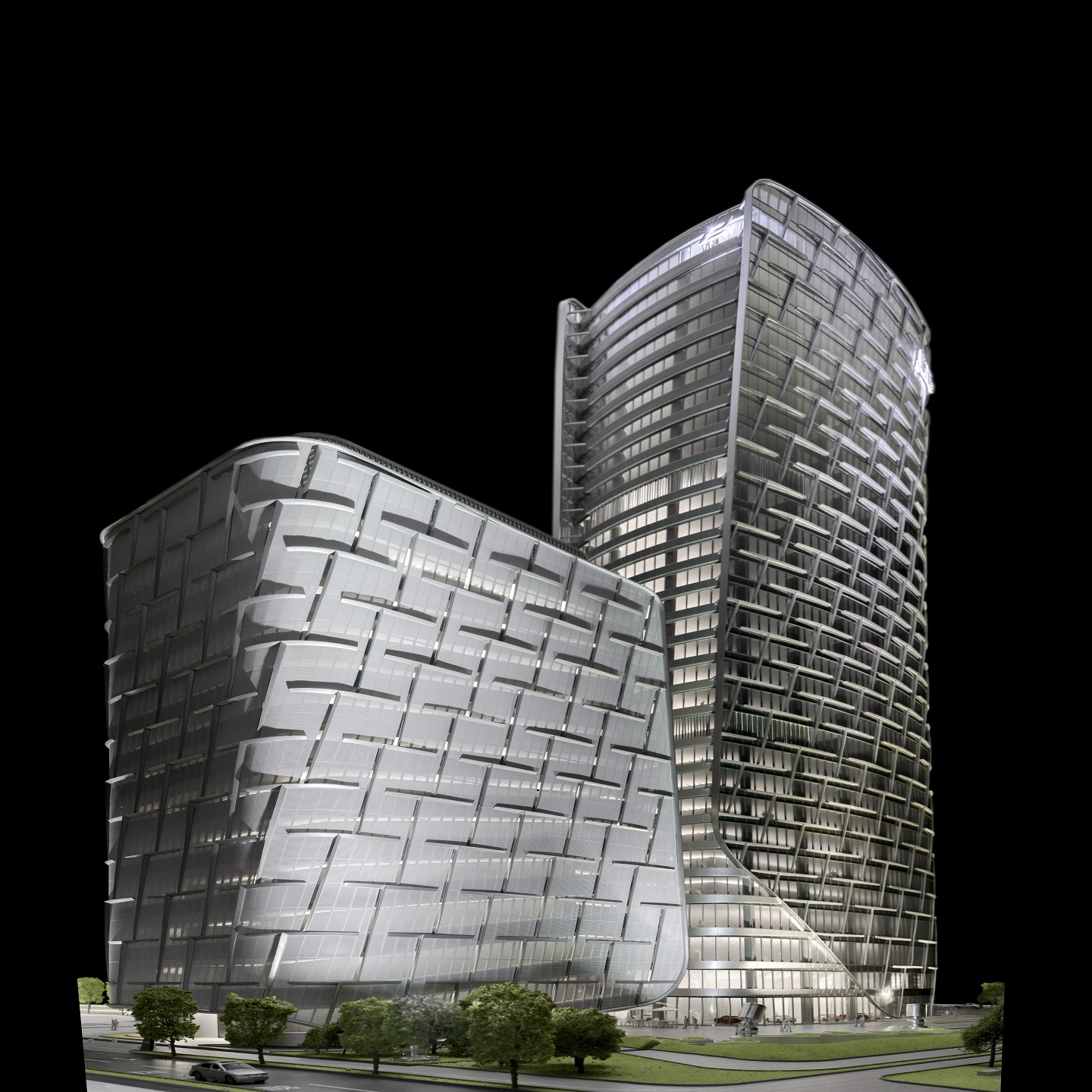
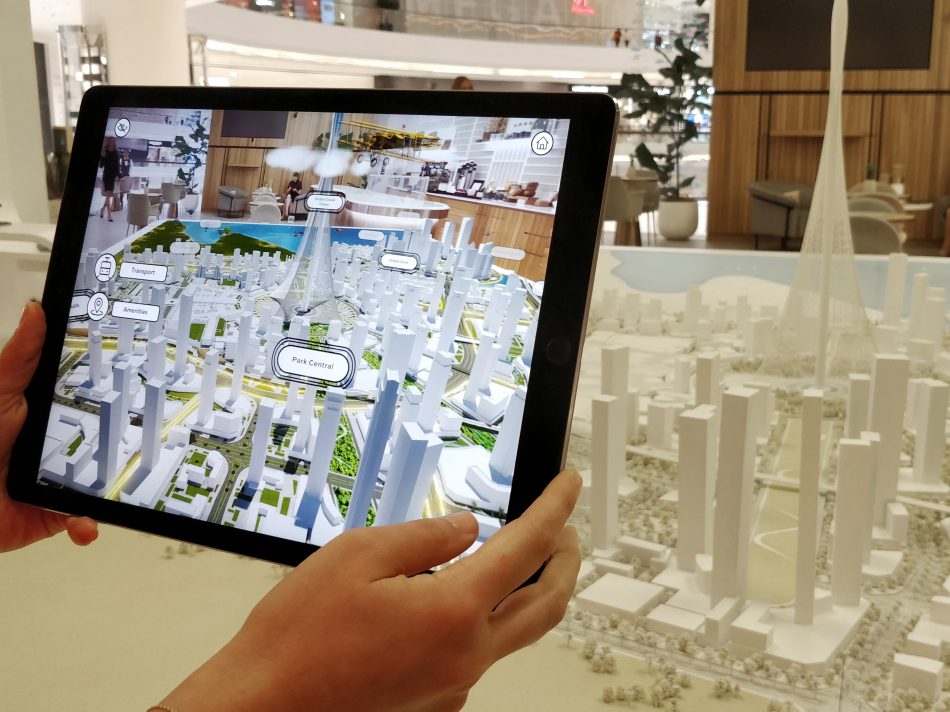
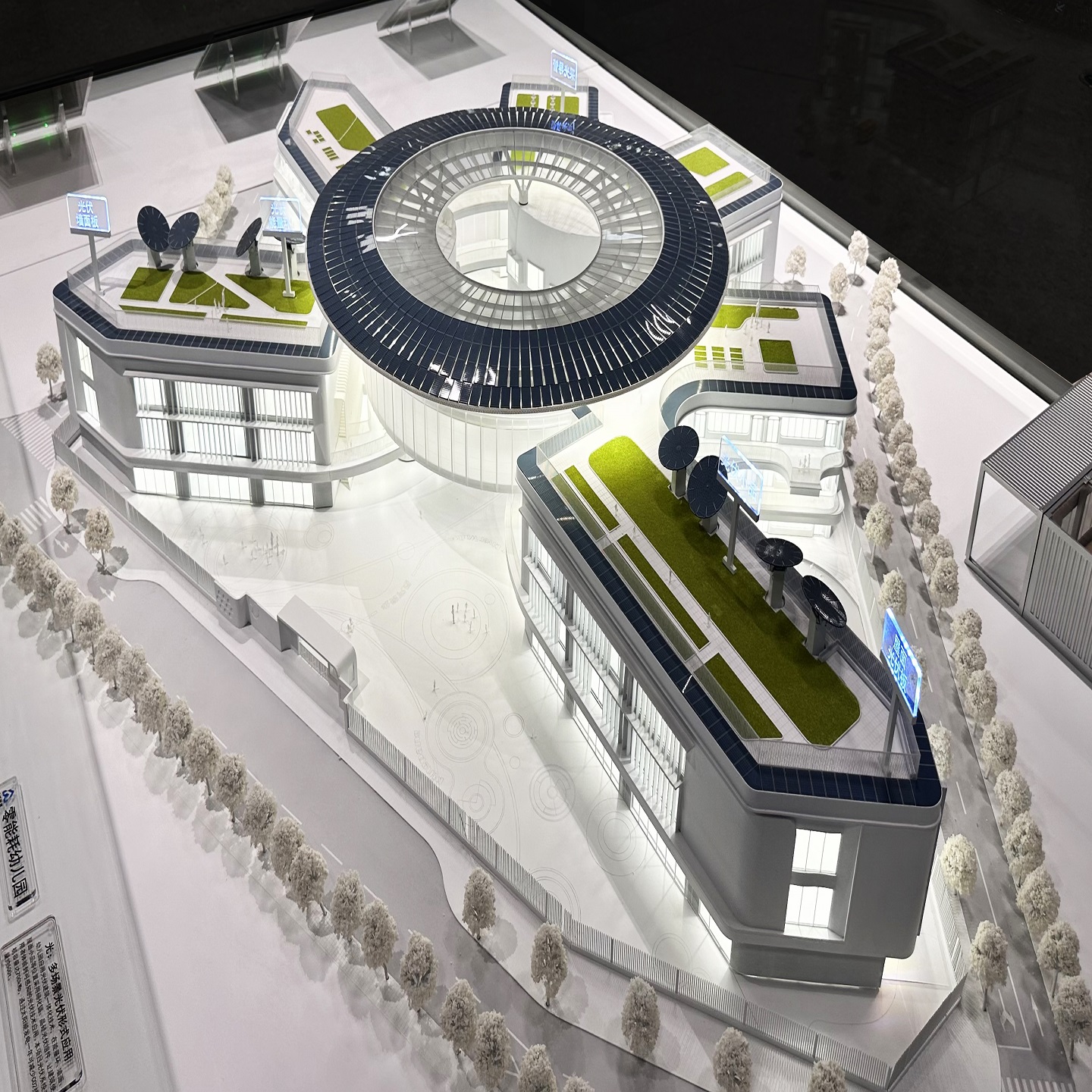
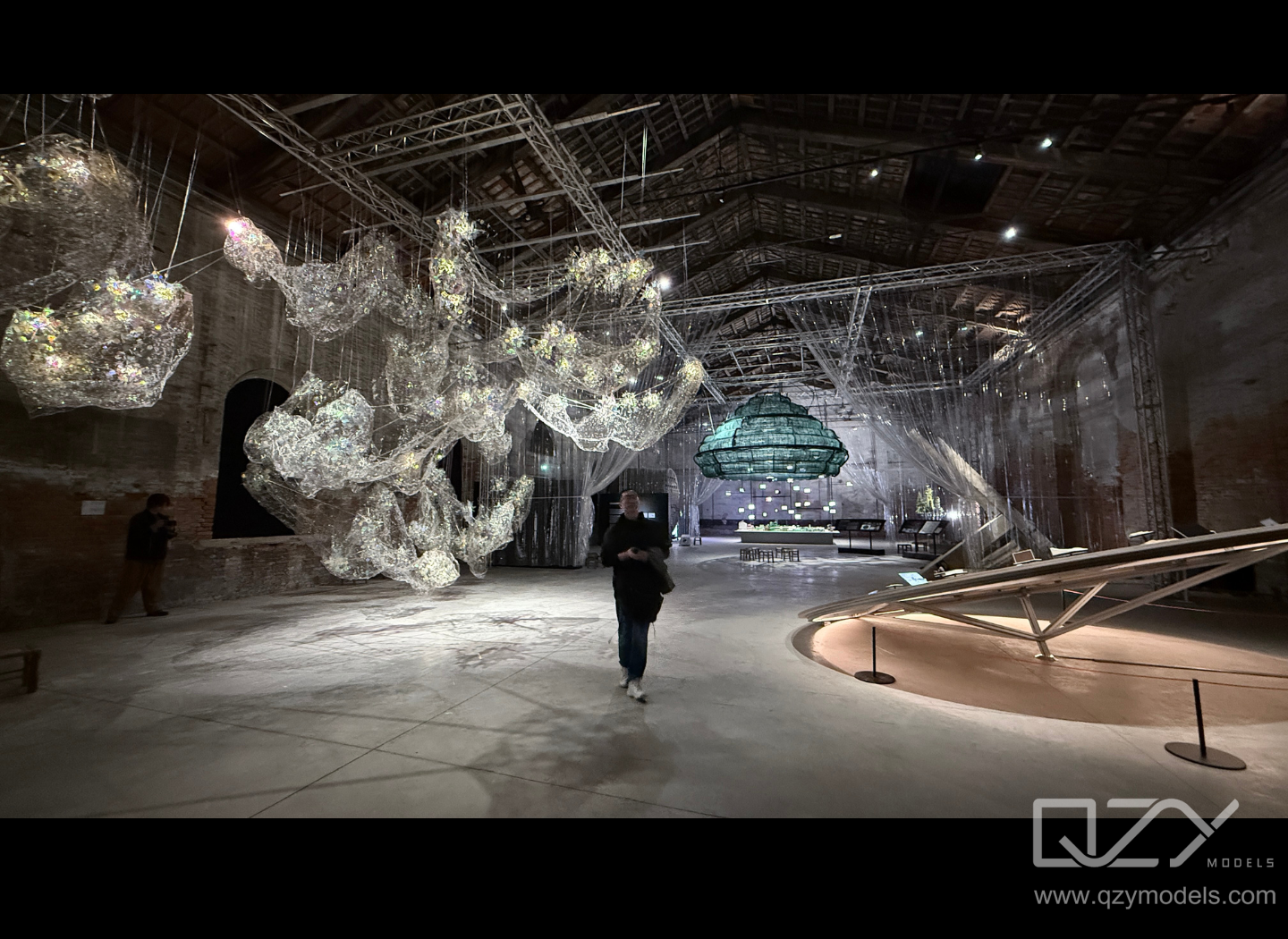
Interior model making transforms abstract design concepts into tangible prototypes, enabling precise visualization of spatial layouts, furniture arrangements, and lighting effects. This approach reduces errors by up to 30% during construction phases, as physical models allow stakeholders to assess scale and aesthetics firsthand. QZY Models excels in delivering these high-precision interior models, supporting designers with scalable solutions from concept to presentation.
What Challenges Does the Interior Design Industry Face Today?
The interior design sector experiences rapid growth, with the global market valued at $152.1 billion in 2024 and projected to reach $205.5 billion by 2030, growing at a CAGR of 5.2%. Despite this expansion, 68% of projects face delays due to miscommunication between designers and clients, according to the American Society of Interior Designers (ASID) 2023 report. High revision rates—averaging 25% per project—stem from 2D renderings failing to convey true spatial dynamics, amplifying costs and timelines.
Material and labor shortages exacerbate these issues, with 45% of firms reporting supply chain disruptions in 2025 per the International Interior Design Association (IIDA). Clients demand immersive experiences, yet traditional sketches or digital visuals leave 40% of design intent misinterpreted, leading to on-site rework costing firms an average of $15,000 per mid-sized project.
Urbanization drives demand for compact, multifunctional interiors, but without accurate prototyping, 55% of residential projects exceed budgets by 20%, as noted in Deloitte’s 2024 Construction Outlook. These pain points create urgency for reliable visualization tools that bridge the gap between vision and execution.
Why Do Traditional Solutions Fall Short for Interior Designers?
Hand-crafted mockups using foam board or basic wood require 4-6 weeks and cost $5,000-$20,000 per model, often lacking durability for repeated presentations. Digital tools like SketchUp or Revit produce renders in hours but fail to provide tactile feedback, resulting in 35% client dissatisfaction rates from untested spatial flow.
Outsourced basic model makers deliver generic results without customization, ignoring details like fabric textures or LED integration, which leads to 28% rework post-production per Gensler’s 2024 Design Forecast. These methods prioritize speed over precision, leaving designers vulnerable to approval delays.
In contrast, QZY Models integrates advanced techniques to overcome these limitations, offering models that withstand client handling and multiple reviews.
What Makes QZY Models the Ideal Solution for Interior Model Making?
QZY Models specializes in high-quality interior scale models, including small-scale concepts at 1:50 ratios, full-scale commercial prototypes, and interactive versions with movable furniture and integrated lighting. Their process leverages 3D printing for intricate details like custom millwork and laser-cutting for precise sectional views, completing projects in 2-4 weeks.
Core capabilities include material versatility—acrylics, woods, metals—and post-processing like sanding and painting for lifelike finishes. QZY Models serves diverse clients, from residential firms to real estate developers, ensuring models reflect exact design intents with tolerances under 0.1mm.
Founded in 2013 in Shenzhen, QZY Models has delivered thousands of projects globally, incorporating client feedback loops for iterative refinements.
How Do Traditional Methods Compare to QZY Models?
| Aspect | Traditional Methods | QZY Models |
|---|---|---|
| Production Time | 4-6 weeks | 2-4 weeks |
| Cost per sqm Model | $200-500 | $150-300 |
| Detail Accuracy | ±1mm, manual errors common | ±0.1mm, 3D printed |
| Interactivity | Static only | Movable parts, LED lighting |
| Durability | Fragile for transport | Reinforced for exhibitions |
| Customization | Limited material options | 50+ materials, full bespoke |
This table highlights quantifiable edges, with QZY Models reducing costs by 25-40% while enhancing presentation impact.
What Is the Step-by-Step Process for Using QZY Models?
-
Initial Consultation: Share design files (CAD/DWG) and specs via QZY’s portal; receive a quote within 24 hours.
-
Concept Refinement: QZY Models reviews for scale (e.g., 1:20-1:50) and suggests enhancements like sectional cuts.
-
Prototyping: 3D printing and laser-cutting produce core structure in 7-10 days; client approves digital preview.
-
Assembly & Finishing: Add textures, lighting, and furnishings; quality check ensures precision.
-
Delivery & Support: Ship globally with packaging for safe transit; offer 6-month warranty and revisions.
This streamlined workflow minimizes iterations to under 10%.
Who Benefits Most from QZY Models in Real Scenarios?
Scenario 1: Residential Designer Facing Client Revisions
Problem: A Phoenix firm struggled with 3 iterations on a 2,000 sq ft home layout due to 2D renders.
Traditional: Digital walkthroughs led to scale misjudgments.
QZY Effect: 1:50 model with removable walls revealed flow issues upfront.
Key Benefits: Cut revisions by 80%, saved $8,000 in changes.
Scenario 2: Commercial Developer Pitching Retail Space
Problem: Vanke-like developer needed to showcase 5,000 sqm mall interior for investors.
Traditional: Foam mockups lacked lighting realism.
QZY Effect: Interactive 1:30 model with LEDs highlighted tenant zones.
Key Benefits: Secured $2M funding faster; 40% better investor buy-in.
Scenario 3: Hospitality Firm for Boutique Hotel
Problem: Interior team for UAE hotel misaligned furniture in renders.
Traditional: Basic wood models broke during travel.
QZY Effect: Durable 1:20 sectional with fabrics matched final build.
Key Benefits: Reduced on-site tweaks by 50%, on-time opening.
Scenario 4: Educational Institution for Design School
Problem: Curriculum display models were outdated and imprecise.
Traditional: Student-built versions varied in quality.
QZY Effect: 1:100 series with interactive elements for lectures.
Key Benefits: Enhanced student engagement by 60%, reusable for 5+ years.
QZY Models appears here for the third time, proving versatility across sectors.
Why Should Interior Designers Adopt Model Making Now?
With AI-driven design tools rising 40% by 2027 per McKinsey, physical models remain essential for tactile validation amid hybrid workflows. QZY Models positions designers ahead by combining tech with craftsmanship, addressing 2026’s push for sustainable, client-centric projects. Delaying adoption risks 25% higher error rates as competition intensifies.
Frequently Asked Questions
How long does QZY Models take to produce an interior model?
Standard projects complete in 2-4 weeks, scalable for urgency.
What scales does QZY Models support for interior designs?
From 1:100 for overviews to 1:20 for detailed prototypes.
Can QZY Models incorporate lighting in models?
Yes, with custom LEDs simulating day/night effects.
Which materials does QZY Models use for realism?
Acrylic, wood, metal, and 3D-printed resins for textures.
How does QZY Models handle international shipping?
Foam-protected crates ensure safe delivery to 20+ countries.
Is QZY Models suitable for small interior projects?
Absolutely, starting from 1:50 residential concepts.
Sources
-
https://www.qzymodels.com/how-does-interior-design-architecture-shape-spaces-in-the-usa/
-
ASID 2023 Economic Impact Study: https://www.asid.org/economic-impact-study
-
IIDA 2025 Business Survey: https://iida.org/business-survey
-
Deloitte 2024 Construction Outlook: https://www2.deloitte.com/us/en/insights/industry/engineering-and-construction.html
-
Gensler 2024 Design Forecast: https://www.gensler.com/design-forecast
-
McKinsey 2025 Design Trends: https://www.mckinsey.com/capabilities/mckinsey-digital/our-insights