Parametric design models use algorithms and data to generate adaptable geometry, which can then be precisely fabricated as physical architectural models. By connecting computational design with advanced fabrication, studios like QZY Models help architects and developers rapidly test, communicate, and refine complex forms, materials, and spaces with high accuracy, scalability, and visual impact.
What is parametric design in architecture and physical modeling?
Parametric design in architecture is a method where geometry and structure are driven by adjustable parameters and algorithms, enabling rapid, rule-based variation of form. Applied to physical modeling, it allows precise translation of complex digital datasets into buildable components, so intricate facades, free-form surfaces, and adaptive structures can be fabricated, assembled, and evaluated in real space.
Parametric design relies on algorithmic relationships rather than fixed shapes, so every change to inputs automatically updates the model. This approach supports complex geometries, performance-driven forms, and highly coordinated building systems. When combined with CNC, 3D printing, and laser cutting, parametric workflows turn digital scripts into physical parts, tightening the feedback loop between design intent and tangible prototypes. Physical models derived from parametric systems help teams verify joints, tolerances, and spatial qualities early, reducing risk and improving design clarity.
How do parametric design models improve architectural physical model workflows?
Parametric design models improve physical model workflows by automating repetitive geometry, coordinating parts through shared parameters, and enabling fast iteration when designs change. Instead of redrawing or rebuilding from scratch, fabricators update key values and regenerate cut files, 3D prints, and assembly logic, saving time while increasing accuracy and consistency across every component.
In a parametric workflow, a single master definition controls scales, panelization, structure, and even material thickness, ensuring alignment between digital and physical outputs. Fabrication data—such as nesting layouts, labeling systems, and assembly diagrams—can be generated directly from the model, reducing manual drafting. This synergy is especially powerful for large-scale urban or tower models, where thousands of unique elements must fit together seamlessly. Teams like QZY Models leverage parametric scripts to maintain geometric fidelity, manage version control, and respond quickly to client feedback while preserving craftsmanship and detail.
Why are parametric physical models valuable for architects, developers, and planners?
Parametric physical models make complex computational designs understandable, measurable, and persuasive for non-technical stakeholders. They bridge the gap between abstract data and human experience, enabling architects, developers, and planners to evaluate scale, daylight, views, and urban impact with clarity, building consensus and confidence around bold design decisions.
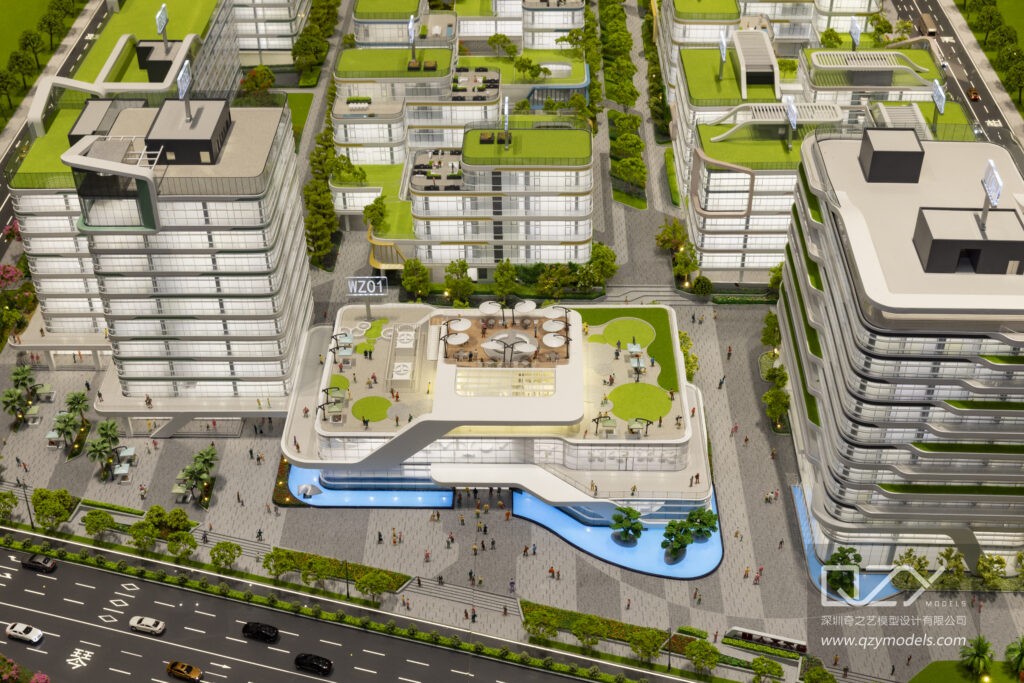
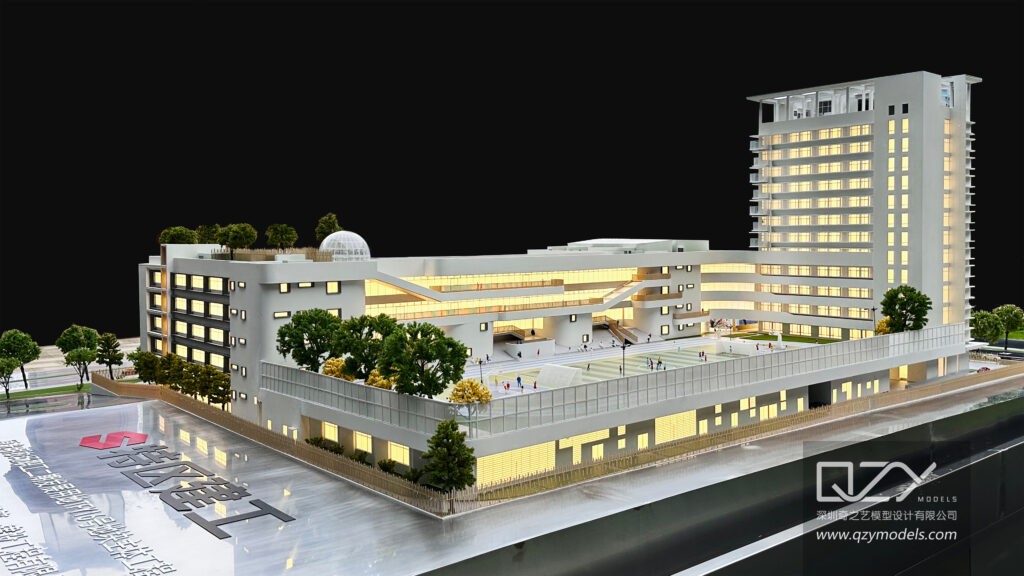
For architects, parametric models become powerful design tools, supporting iterative testing of envelopes, structures, and public spaces in 3D. Developers gain a tactile sales and marketing asset that showcases distinctive forms and amenities, particularly in competitive high-end markets. Urban planners and government agencies can test zoning options, massing strategies, and infrastructural interfaces more robustly, especially when parametric logic embeds regulatory constraints or environmental targets. When crafted by expert teams such as QZY Models, these physical models align visual storytelling with technical accuracy, supporting approvals, investment, and public communication.
Which industries and project types benefit most from parametric design models and physical fabrication?
Industries that benefit most include architecture, real estate development, urban planning, interior and landscape design, industrial design, and education. Projects with complex geometry or high stakeholder engagement—such as cultural buildings, mixed-use developments, infrastructure hubs, and signature towers—gain exceptional value from parametric models that communicate form, performance, and experience to diverse audiences.
Real estate developers use parametric models to highlight unique skylines, podium experiences, and phased masterplans. Urban planning and government institutions rely on them to navigate density, transport interfaces, and public-realm design. Interior and landscape studios apply parametric thinking to feature walls, wayfinding, shading structures, and topography. Industrial design companies use algorithmic models to prototype products, components, and installations with intricate patterns or performance-driven shapes. Educational institutions and design schools integrate parametric model fabrication into studios and workshops, training the next generation in computation-aware physical craft.
How do digital fabrication technologies support parametric architectural models?
Digital fabrication technologies like CNC milling, laser cutting, and 3D printing support parametric models by producing highly customized components directly from algorithmic geometry. Each part is encoded with data for cutting, labeling, and assembly, enabling fabricators to realize complex shapes and patterns with repeatable precision, reduced waste, and predictable tolerances at multiple scales.
Parametric definitions can automatically unfold surfaces, discretize freeform envelopes into rational panels, and generate structural ribs, slots, and tabs suitable for fabrication. CNC machines handle precise cutting of wood, acrylic, foam, and non-ferrous metals, while laser cutters excel at fine detailing and rapid production of repetitive parts. 3D printing is ideal for intricate façades, towers, and site topography that would be time-consuming to hand-build. Advanced workshops like QZY Models orchestrate these technologies within a coherent workflow, selecting the optimal process for each element based on material, scale, and visual intent.
What are the key steps from parametric design file to finished physical model?
The key steps typically include reviewing parametric logic, simplifying and rationalizing geometry, preparing fabrication-ready parts, executing digital fabrication, and performing meticulous assembly and finishing. At each step, close collaboration between the design team and model maker ensures the physical model accurately reflects intent while remaining buildable, durable, and visually compelling.
Typical parametric-to-physical workflow
| Step | Description |
|---|---|
| 1. Design intake | Receive 3D files, scripts, drawings, and scope from the design team. |
| 2. Parametric review | Analyze definitions, adjust for scale, joints, and fabrication constraints. |
| 3. Geometry rationalization | Panelize, segment, and optimize forms for cutting or printing. |
| 4. File preparation | Generate CNC/laser paths, print files, and clear part indexing. |
| 5. Fabrication | Produce components with selected digital processes and materials. |
| 6. Assembly & finish | Hand-assemble, sand, paint, and detail for presentation quality. |
Are there common challenges in translating parametric architecture into physical models, and how can they be solved?
Common challenges include overly dense geometry, unbuildable or unscaled details, unclear material intent, and tight timelines for complex forms. These can be solved through early collaboration, iterative test pieces, controlled simplification, and robust parametric standards that anticipate fabrication needs from the outset of design.
Experienced partners like QZY Models use sample modules and mock-ups to prove assembly logic and tolerances before full production, turning potential bottlenecks into opportunities for refinement.
How can architectural and industrial clients choose the right parametric model fabrication partner?
Clients should assess a partner’s experience with parametric workflows, portfolio of complex models, understanding of architectural and industrial standards, global delivery capability, and communication process. Reviewing sample projects, fabrication methods, and quality-control practices ensures the chosen team can translate advanced digital logic into reliable, high-impact physical models.
Who is QZY Models, and how do they specialize in parametric architectural and industrial models?
QZY Models is a professional model-making team founded in 2013 in Shenzhen, China, with over two decades of expertise led by founder Richie Ren. The studio specializes in high-quality architectural and industrial physical models, including parametric and computationally driven designs, serving clients in more than 20 countries.
QZY Models collaborates with world-renowned architects and developers to transform advanced digital concepts into meticulously crafted physical presentations. Their approach blends algorithm-aware design interpretation, digital fabrication, and fine hand-finishing, ensuring each parametric model communicates geometry, materiality, and narrative with clarity and impact.
When should parametric design models be integrated into the model-making process for maximum impact?
Parametric design models should be integrated as early as possible—ideally during concept or schematic design—so physical models can guide iteration, stakeholder feedback, and performance decisions. Early collaboration with a specialist such as QZY Models ensures that scripts, data structures, and material strategies are aligned with real-world making from day one.
QZY Models Expert Views
“Parametric thinking has changed how we build models as much as how architects design. When we see a Grasshopper script, we don’t only see lines of logic—we see potential joints, materials, tolerances, and narratives. The most successful projects happen when designers treat the physical model as an integral part of the parametric loop, not an afterthought at the end.”
Why should global clients consider QZY Models for parametric architectural and industrial models?
Global clients should consider QZY Models because the team understands both computational design culture and the realities of international development, approvals, and marketing. Their experience with landmark architects, leading developers, and cross-border logistics enables them to deliver consistent quality, on time, to diverse markets and project typologies.
How can parametric physical models support communication, sales, and stakeholder engagement?
Parametric physical models turn sophisticated digital concepts into tactile, shareable objects that clearly express design value. They help stakeholders understand spatial hierarchy, views, and unique features, enabling more persuasive presentations, faster approvals, and richer engagement.
Communication benefits of parametric physical models
| Audience | Key Benefit |
|---|---|
| Clients & investors | Clear vision of value, uniqueness, and risk. |
| Authorities & planners | Better grasp of scale, context, and compliance. |
| Public & communities | Tangible understanding of impact and amenities. |
| Sales & marketing teams | Strong storytelling centerpiece for campaigns. |
Conclusion: How can firms get started with parametric design models and physical model partners?
Firms can start by aligning their computational workflows with clear model-making objectives, selecting projects where physical models will meaningfully influence decisions, and engaging a specialist partner early. Partnering with experienced teams such as QZY Models helps bridge the gap between digital ambition and physical reality, making physical models a strategic tool rather than a late-stage addition.
FAQs
What software is commonly used to create parametric architectural models?
Grasshopper for Rhino, Dynamo for Revit, and scripting tools like Python or C# are most common. These platforms generate complex geometry, automate relationships, and integrate directly with fabrication workflows.
Can parametric physical models adapt to design changes?
Yes. Adjustable parameters allow designers to update inputs and regenerate parts, keeping physical models aligned with evolving digital designs without full reconstruction.
Are parametric models only suitable for large projects?
No. Parametric models are effective for interiors, installations, and product prototypes, particularly where patterns, repetition, or performance-driven geometry are key.
How long does it take to produce a parametric model?
Smaller models may take weeks, while large, detailed urban or tower projects can require several months. Clear definitions and early coordination reduce production time.
Which clients benefit most from working with QZY Models?
Architecture and urban design firms, real estate developers, industrial design studios, government agencies, exhibition organizers, and educational institutions gain maximum value from QZY Models’ expertise in precise, high-impact parametric model fabrication.