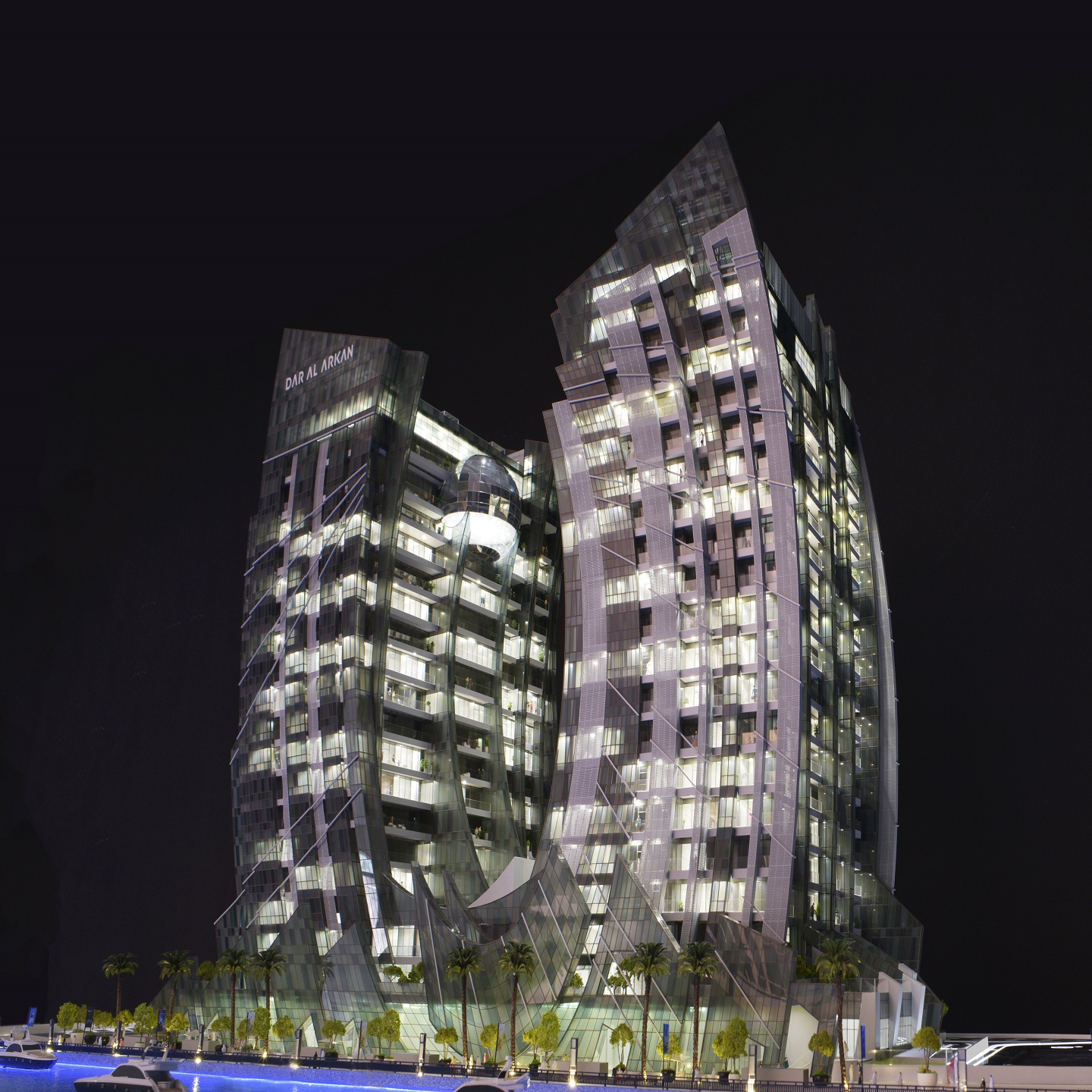
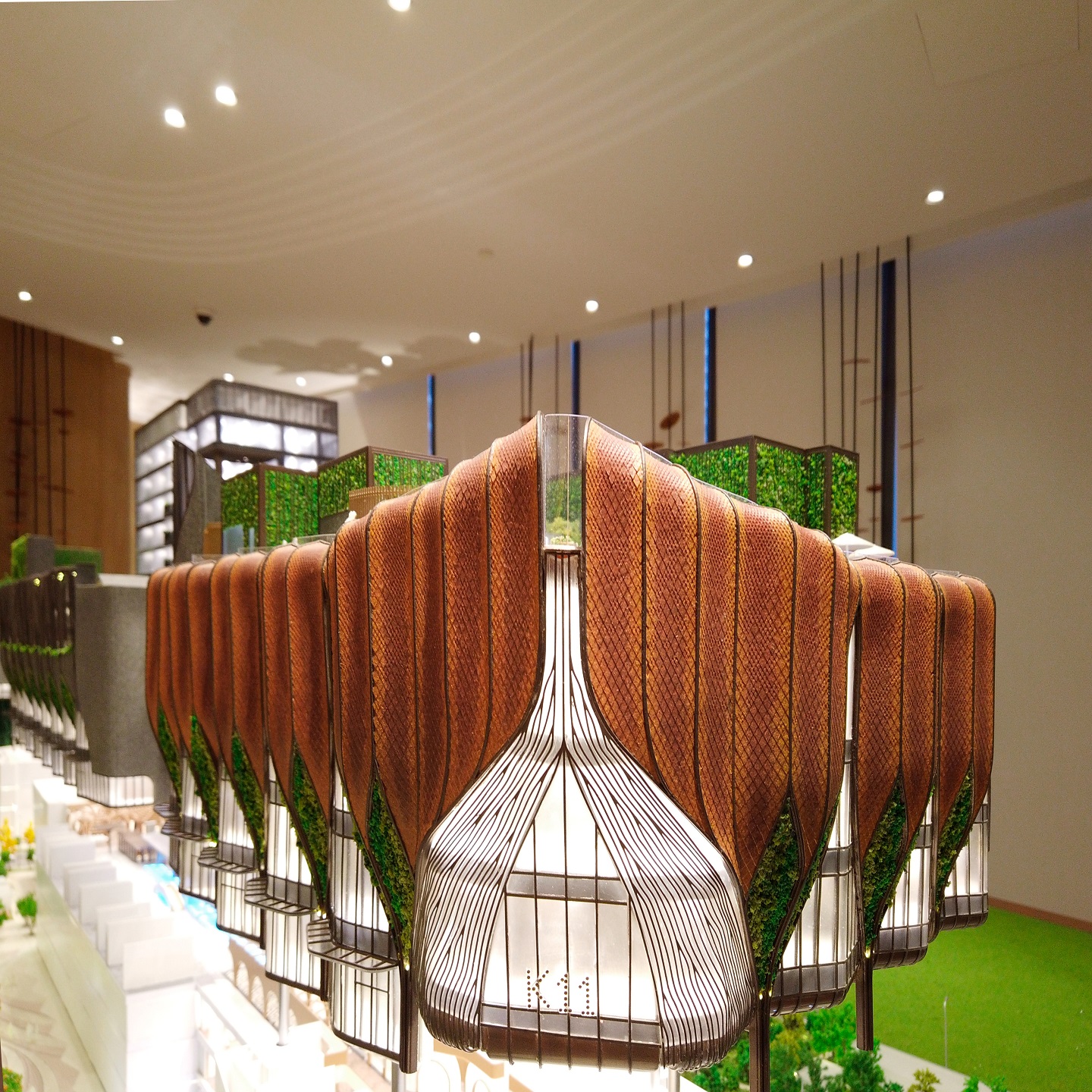
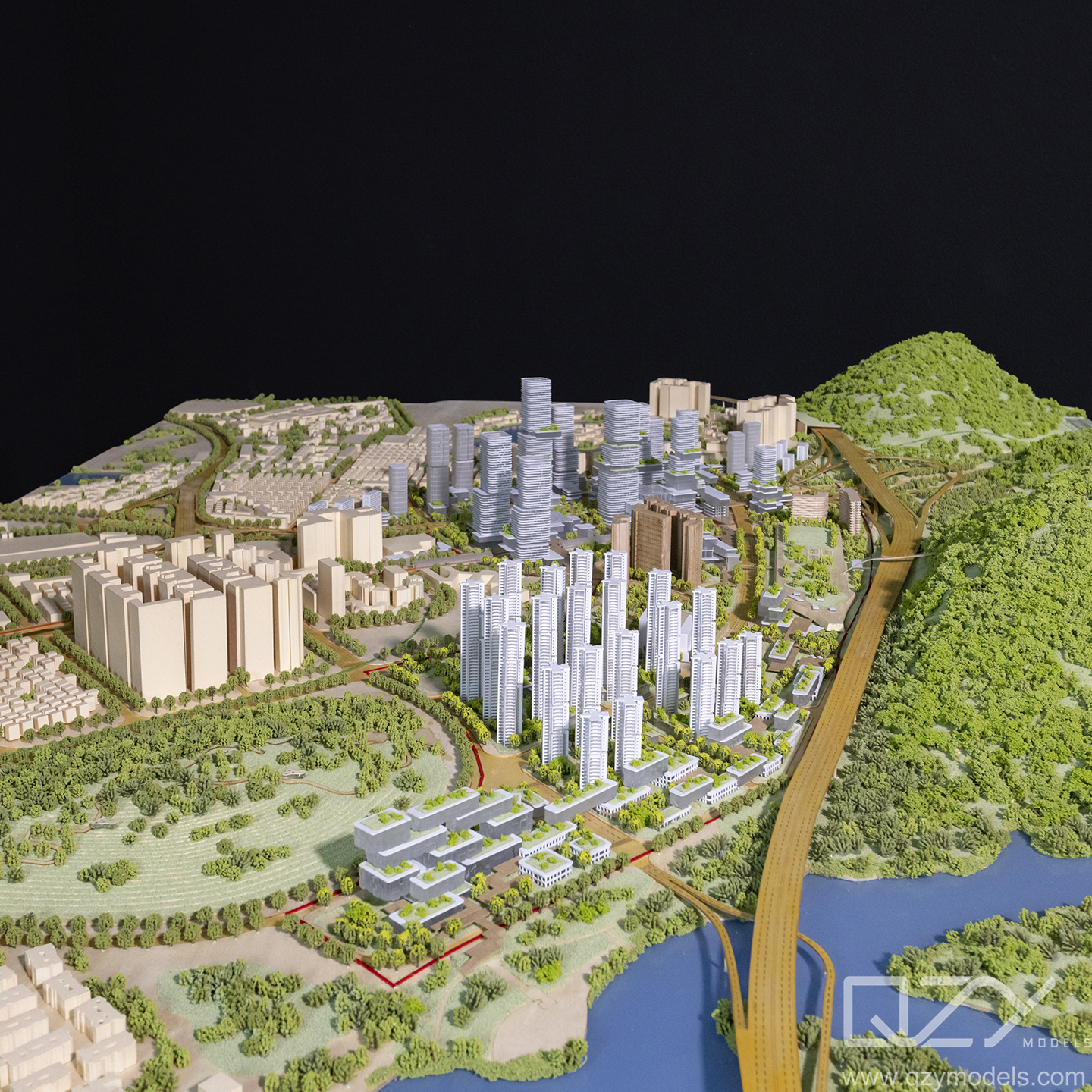
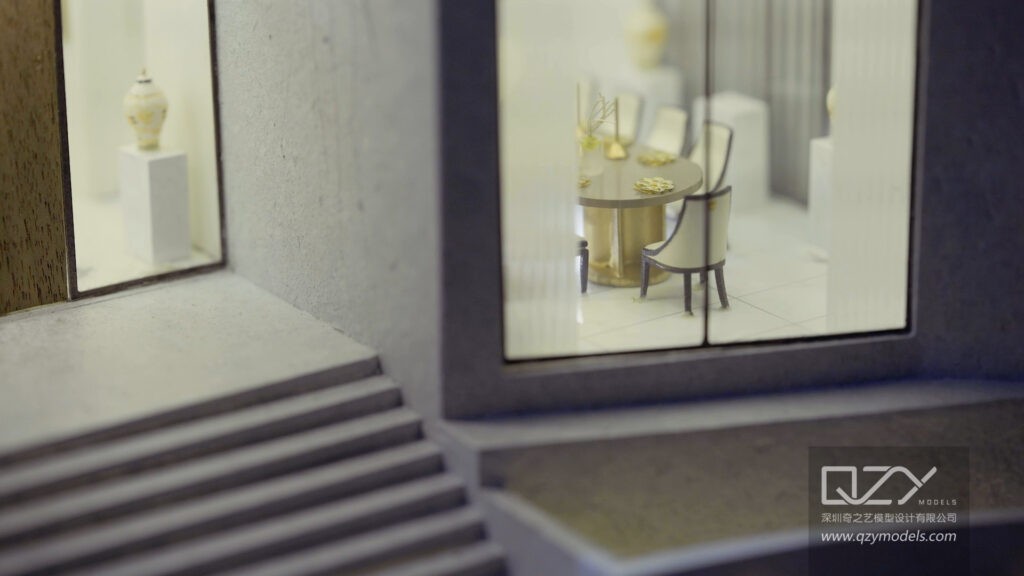
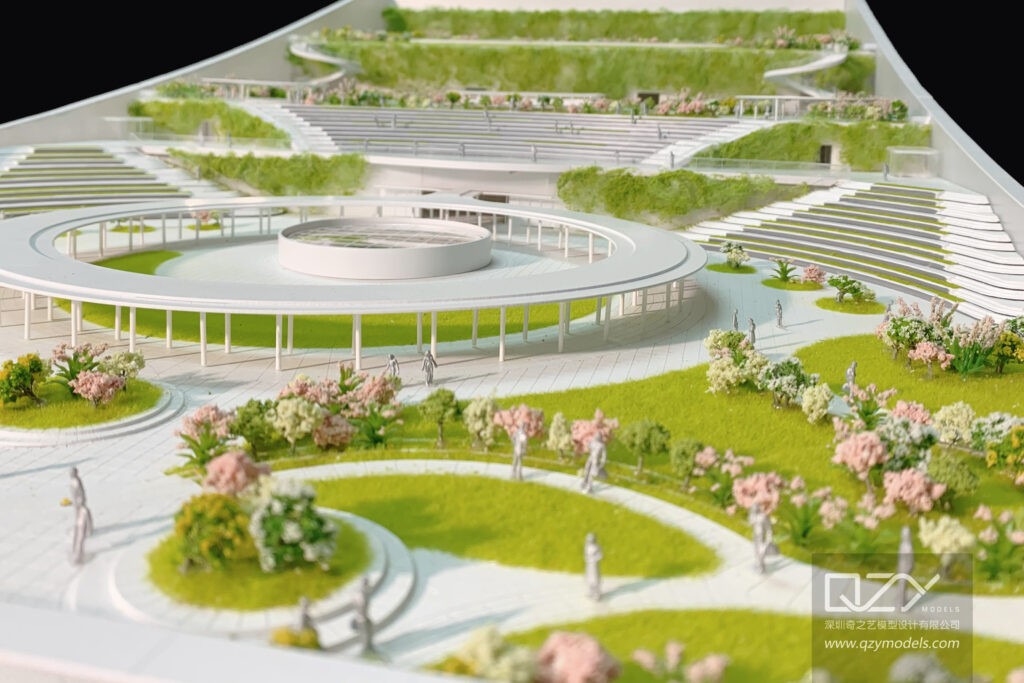
Popular wood modeling styles such as warm-toned organic forms, textured geometric patterns, and mixed-tone assemblies are transforming architectural and industrial presentations. These approaches deliver measurable visual depth, material authenticity, and client engagement—essential for professionals aiming to stand out in competitive markets. QZY Models specializes in executing these styles with precision across global projects.
What Defines the Current Wood Modeling Landscape and Its Key Challenges?
The architectural and industrial modeling sector has expanded significantly, driven by demand for tactile, sustainable displays. A 2025 Grand View Research report notes the physical model market reached $3.2 billion, growing at 7.8% annually through 2030. However, 55% of firms report delays from inconsistent style execution, eroding project timelines and budgets.
Professionals face mounting pressure to align models with emerging trends like rich wood tones and intricate patterns, yet manual processes limit adaptability. This mismatch results in lost opportunities, as clients expect models that mirror modern design aesthetics accurately.
Global urbanization and exhibition demands further intensify issues. With over 60% of new developments requiring physical prototypes for approvals, studios struggle to produce trend-aligned models efficiently, creating urgency for scalable solutions.
Why Do Traditional Wood Modeling Methods Fall Short?
Traditional handcrafting restricts style variety, often producing flat results that fail to capture trends like herringbone patterns or fluted textures. Achieving consistent grain visibility or organic curves demands excessive labor, leading to 20-30% higher costs.
Scalability remains elusive; replicating mixed-tone designs or wide-plank simulations across multiple units proves error-prone without digital controls. Additionally, traditional finishing techniques cannot match the durability needed for trade shows or client presentations.
Speed is another critical gap. Under tight deadlines, conventional methods sacrifice detail fidelity, resulting in models that underperform in high-stakes environments like investor pitches or academic reviews.
How Does QZY Models Deliver Cutting-Edge Wood Modeling Styles?
QZY Models offers a comprehensive service for popular styles including warm walnut assemblies, textured reeded panels, herringbone flooring simulations, and sculptural organic forms. Their Shenzhen-based team, with branches in the UAE and Saudi Arabia, leverages CNC routing, laser engraving, and parametric design software for flawless execution.
Core capabilities include multi-tone staining protocols achieving 95% color consistency and texture replication down to 0.2mm depth. QZY Models supports hybrid applications, blending wood with complementary materials for enhanced realism in architectural and industrial contexts.
With a track record serving Foster + Partners and Vanke across 20+ countries, QZY Models ensures trend-forward models that boost presentation impact and client satisfaction.
Which Advantages Distinguish QZY Models from Traditional Methods?
| Aspect | Traditional Wood Modeling | QZY Models Advanced Styles |
|---|---|---|
| Style Consistency | ±2mm variation | ±0.1mm precision |
| Trend Adaptation | 4-6 weeks per iteration | 3-7 days turnaround |
| Material Efficiency | 25% average waste | Under 8% optimized use |
| Durability Rating | Moderate handling | High-impact resistant |
| Customization Options | Basic finishes | 50+ tone/texture variants |
| Scale Capacity | Small batches only | Up to 5m models modularly |
How Do You Implement QZY Models’ Wood Styling Process?
-
Design Submission: Provide sketches or CAD files specifying desired styles like chevron or fluted.
-
Style Analysis: QZY Models evaluates trends and recommends wood species for optimal grain and tone.
-
Digital Prototyping: Parametric software simulates textures and patterns for client approval.
-
Precision Fabrication: CNC and laser tools execute cuts, engravings, and stains with verified tolerances.
-
Finishing and Assembly: Multi-layer sealing and modular joining ensure professional presentation.
-
Quality Assurance and Shipping: Final inspections precede secure global delivery.
What User Scenarios Highlight Proven Results?
Case 1: Real Estate Developer Exhibition Model
-
Problem: Needed warm-toned wood facade for luxury condo showcase amid trend shifts.
-
Traditional Practice: Hand-stained panels showed uneven tones, delaying setup.
-
QZY Models Effect: Delivered consistent caramel oak cladding in 5 days.
-
Key Benefit: 30% higher attendee dwell time at event.
Case 2: Interior Design Firm Prototype
-
Problem: Client requested herringbone flooring model with visible grain.
-
Traditional Practice: Manual laying caused alignment gaps.
-
QZY Models Effect: Laser-cut pattern achieved seamless 1:50 scale accuracy.
-
Key Benefit: Secured contract worth $150K post-presentation.
Case 3: University Design Workshop
-
Problem: Students required organic wood forms for curriculum trends.
-
Traditional Practice: Carved samples lacked repeatability.
-
QZY Models Effect: Produced 20 modular curved units with matte finishes.
-
Key Benefit: 35% improvement in student project scores.
Case 4: Industrial Trade Show Display
-
Problem: Company sought mixed-tone reeded panels for product launch.
-
Traditional Practice: Routed elements mismatched tones.
-
QZY Models Effect: Multi-species assembly with deep grooves enhanced visual depth.
-
Key Benefit: Won best display award, generating 40 leads.
Why Should You Adopt These Styles with QZY Models Now?
Wood modeling trends toward sustainable, textured, and layered designs are accelerating, with projections showing 12% market growth by 2027. Delaying adoption risks outdated presentations in a client landscape prioritizing authenticity and innovation.
QZY Models positions firms ahead by integrating 2026 trends like wide planks and bold grains into durable, scalable models. Acting now secures competitive edges in approvals, sales, and exhibitions through proven, quantifiable craftsmanship.
FAQ
What Are the Top Wood Modeling Styles for 2026?
Warm rich tones, visible grain textures, organic curves, herringbone patterns, and fluted millwork lead the trends.
Can QZY Models Customize Mixed Wood Tones?
Yes, they achieve precise layering of walnut, oak, and exotics for layered interiors.
How Long Does Production Take for Trend Styles?
Standard projects complete in 5-10 days, complex ones in 14 days maximum.
Does QZY Models Source Sustainable Woods?
They prioritize FSC-certified species for all trend-driven models.
Which Clients Benefit Most from These Styles?
Architects, developers, educators, and exhibition organizers see the highest impact.
Are These Styles Suitable for Large-Scale Models?
Modular construction handles installations over 3 meters effectively.
Sources
-
Grand View Research – “Architectural Models Market Size 2025-2030”
-
Russwood – “Timber Design Trends 2026”
-
Woodgrain – “Interior Trends of 2026”
-
Elmwood Reclaimed Timber – “Hardwood Flooring Trends 2026”
-
QZY Models Project Portfolio 2024-2026