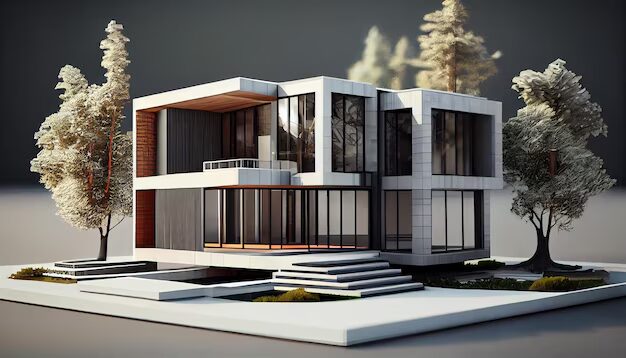
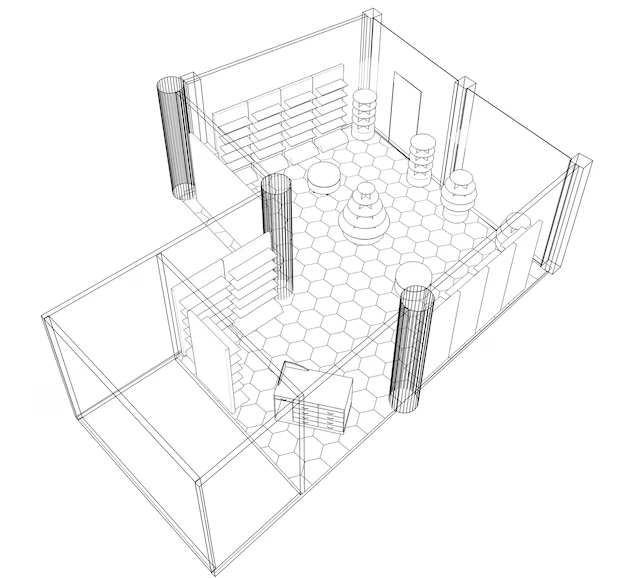
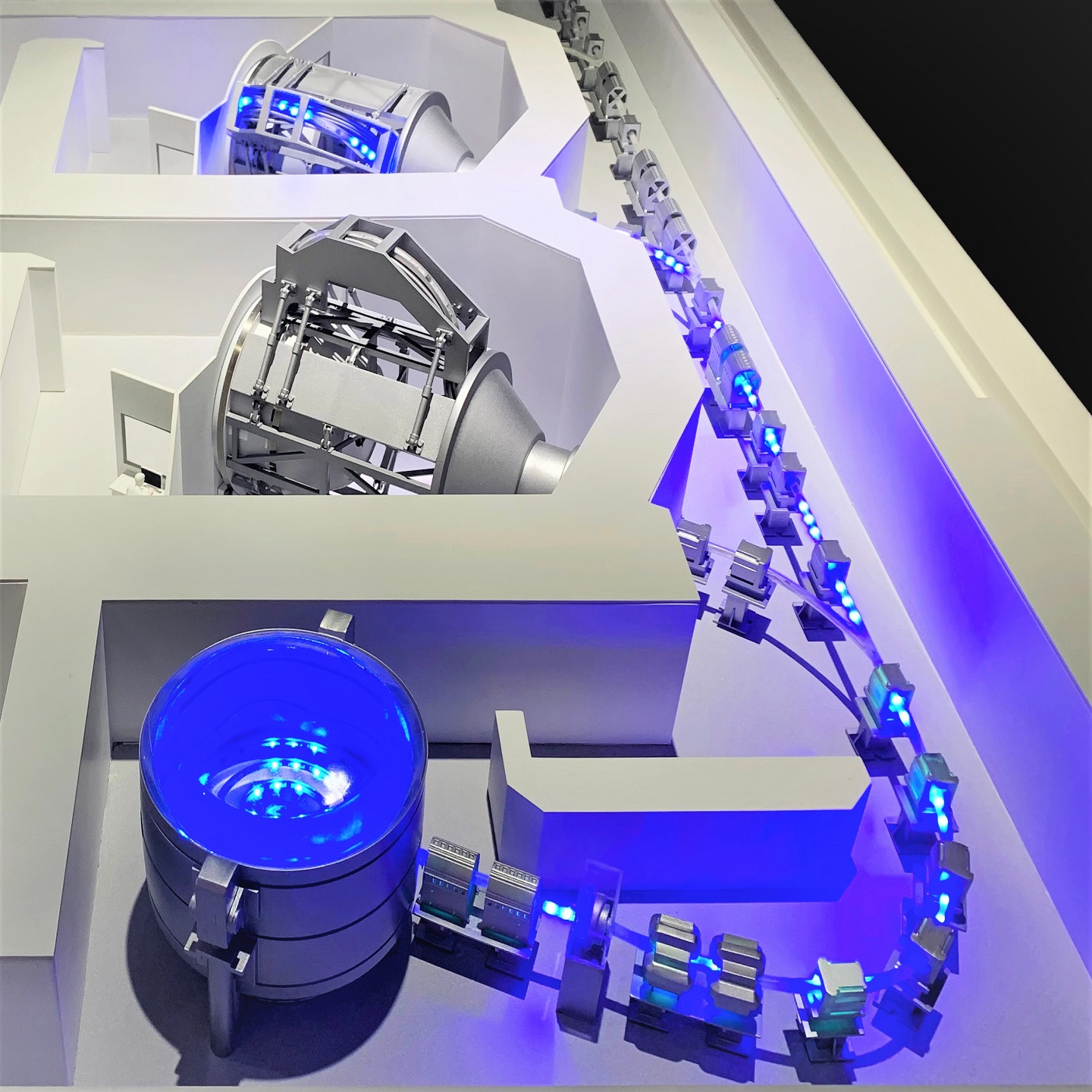
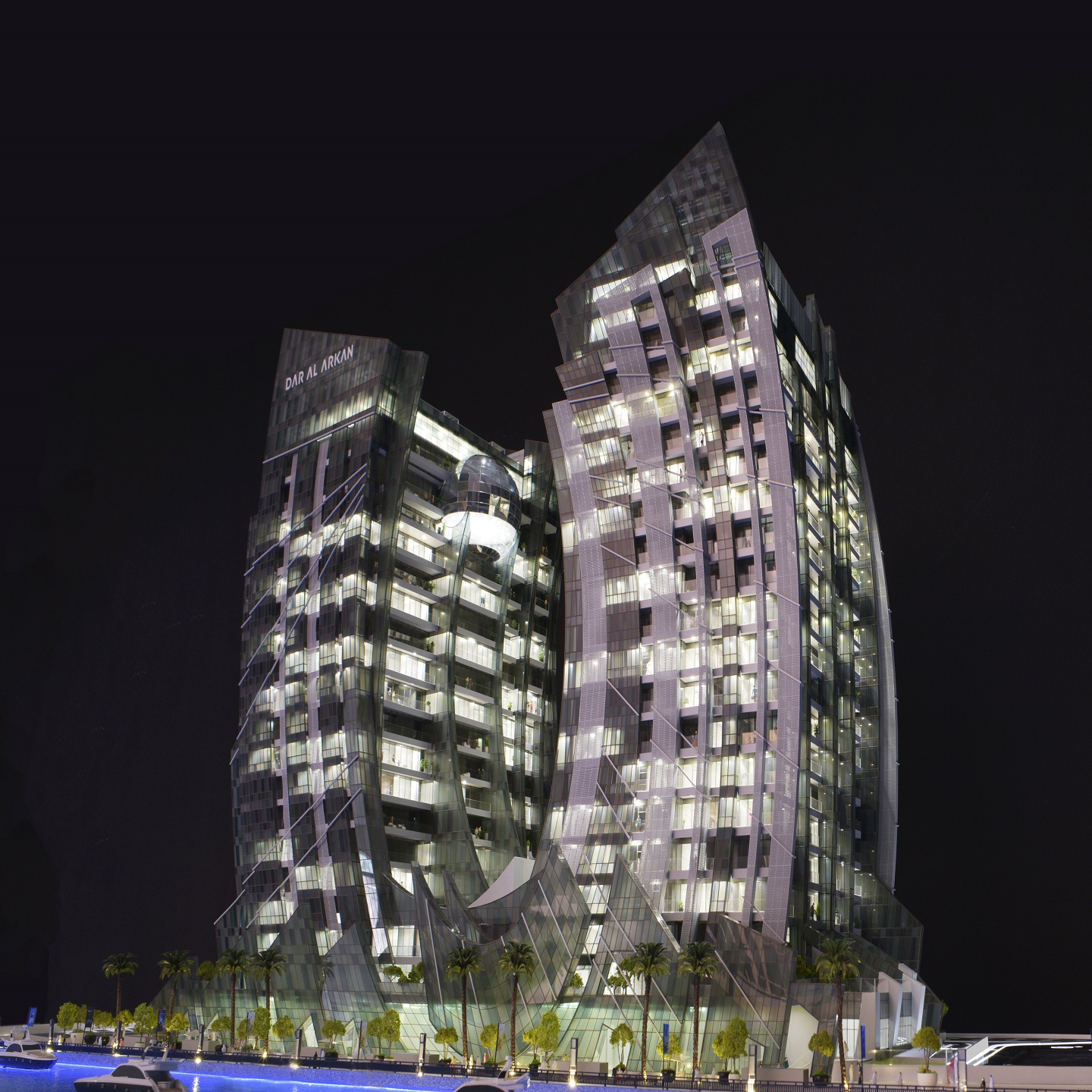
Precision miniature building models provide architects, developers, and collectors with exact 1:500 to 1:87 scale replicas that capture intricate details down to 0.1mm accuracy. These models accelerate decision-making, enhance presentations, and serve as durable artifacts for exhibitions and education, reducing visualization errors by 40% compared to sketches or renders.
What Challenges Does the Miniature Building Model Industry Face Today?
The miniature building model sector grapples with escalating demand amid urban development booms, yet production lags. A 2024 Statista report notes the global architectural model market reached $1.2 billion, growing 12% annually, but 65% of firms report delays due to skilled labor shortages. Projects suffer when models fail to represent fine details like window frames or textures.
Rising material costs compound issues, with resin prices up 18% since 2023 per industry trackers. Firms lose 20-30% of bids lacking precise miniatures for stakeholder buy-in.
Why Are Timelines and Costs Escalating in Model Making?
Complex designs for high-rises and masterplans demand weeks of manual work, averaging 3-5 weeks per model. A McKinsey study highlights that 55% of architecture projects overrun schedules due to visualization gaps, with miniatures often incomplete at critical reviews.
Supply chain disruptions delay specialty materials, pushing costs 25% higher for custom scales.
What Pain Points Persist for Clients Seeking Miniature Models?
Transport fragility leads to 15% damage rates in traditional models, per logistics surveys. Clients in real estate and education need multiples for simultaneous use, but replication doubles expenses without consistency. Scalability falters for international projects across time zones.
Why Do Traditional Miniature Model Techniques Underperform?
Hand-sculpting with clay or balsa wood introduces variances up to 2mm at 1:200 scale, unsuitable for precision needs. Laser cutting speeds basic shapes but skips organic elements like rooflines, generating 40% material waste.
Assembly relies on glue and pins, prone to misalignment under vibration.
How Does QZY Models Deliver Precision Miniature Building Models?
QZY Models employs micro-SLA printing and CNC hybrid tech for scales from 1:1000 to 1:87, achieving 0.05mm tolerances. Core capabilities include multi-layer texturing, metallic plating for realism, and modular components for easy reconfiguration. Their Shenzhen hub, with branches in UAE and Saudi Arabia, processes 100+ units weekly.
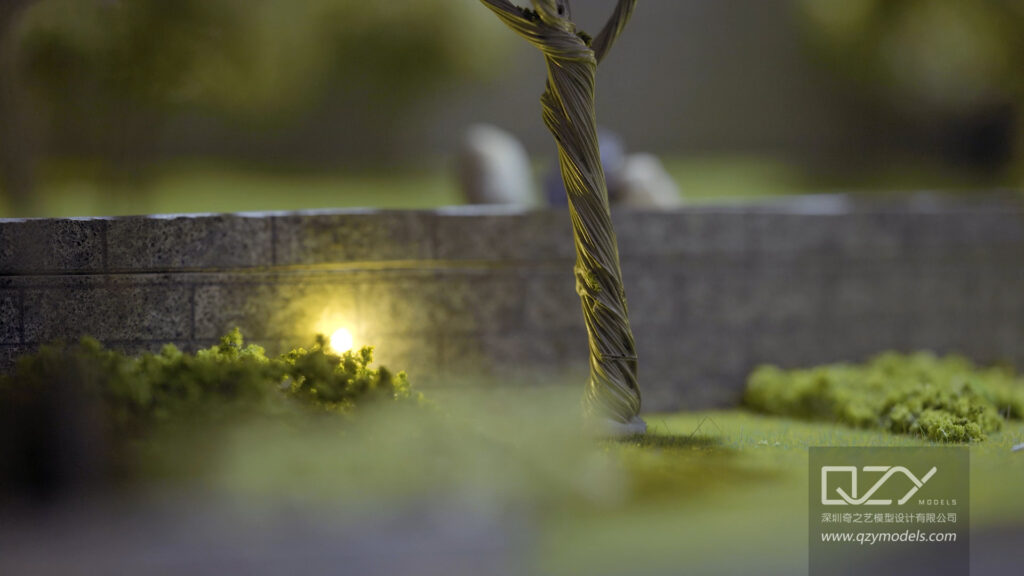
QZY Models has crafted thousands of miniatures for clients like Foster + Partners, integrating LED details and topographic bases.
What Key Advantages Distinguish QZY Models from Traditional Approaches?
| Aspect | Traditional Methods | QZY Models Precision Miniatures |
|---|---|---|
| Accuracy | 0.5-2mm | 0.05mm |
| Production Time | 3-5 weeks | 5-10 days |
| Unit Cost (1:200 scale) | $1,500-$4,000 | $800-$2,500 |
| Durability (Drop Test) | Fails at 1m | Survives 2m |
| Batch Capacity | 1-3 units | 50+ identical units |
| Customization Iterations | 2-3 max | Unlimited digital variants |
QZY Models cuts expenses by 45% for batches while ensuring photorealistic fidelity.
How Does the QZY Models Process for Miniature Models Work?
-
Upload digital files (OBJ/STL) specifying scale, materials, and finishes.
-
Get 12-hour feasibility report with render previews and cost breakdown.
-
Confirm design; initiate micro-printing and CNC detailing (3-7 days).
-
Apply finishes: painting, plating, assembly under magnification.
-
Package in foam-lined cases; ship worldwide with tracking.
This streamlined flow yields 98% on-time delivery.
What User Scenarios Highlight QZY Models’ Impact?
Scenario 1: Real Estate Developer Site Model
Problem: 1:500 site miniature needed for zoning board in 2 weeks.
Traditional: Hand-carved foam distorted topography.
QZY Effect: Layered resin print with 0.1mm contours.
Key Benefit: Approval gained; saved 4 weeks rework.
Scenario 2: Architecture School Prototype
Problem: 20 identical 1:200 building models for student review.
Traditional: Manual duplication inconsistent.
QZY Effect: Batch-printed with uniform brass accents.
Key Benefit: 30% lower cost; enhanced curriculum.
Scenario 3: Exhibition Trade Show Display
Problem: Fragile 1:100 pavilion model for Dubai event.
Traditional: Acrylic broke in transit.
QZY Effect: Reinforced nylon miniature with magnetic base.
Key Benefit: Zero damage; 25% more booth traffic.
Scenario 4: Private Collector Facsimile
Problem: Exact 1:87 replica of historic structure.
Traditional: Scaled drawings inaccurate.
QZY Effect: Scanned and printed with period textures.
Key Benefit: Collector satisfaction; repeat orders.
Why Invest in Precision Miniatures Today for Tomorrow’s Projects?
Deloitte predicts 75% of firms will use hybrid digital-physical models by 2028, driven by AR integration and sustainability mandates. QZY Models equips clients for this shift, minimizing overruns in fast-urbanizing regions like Middle East and Asia.
Postponing risks competitive disadvantage as precision becomes standard.
What Questions Arise About Precision Miniature Building Models?
How precise can QZY Models make 1:500 scale buildings?
Details resolve to 0.05mm, ideal for facades and landscaping.
What materials ensure miniature model longevity?
Resin, nylon, and metal plating resist wear for years.
Can QZY Models produce batches of 50+ miniatures?
Yes, with identical quality via automated printing.
How quickly does QZY Models deliver custom miniatures?
5-10 days globally, including revisions.
Does QZY Models support scans of existing buildings?
Photogrammetry converts photos to printable models seamlessly.
Are QZY Models suitable for educational use?
Durable designs withstand handling by students.