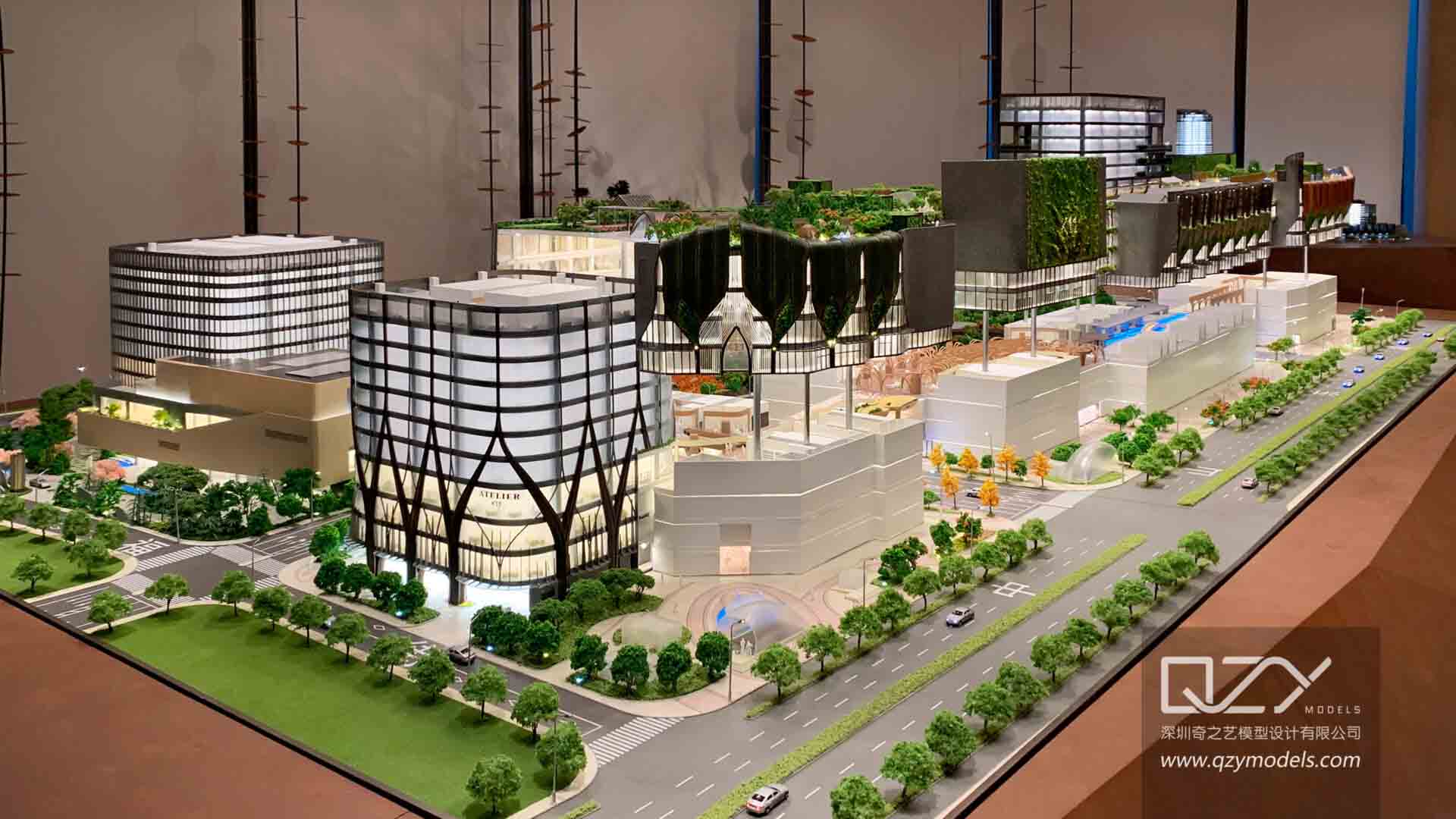
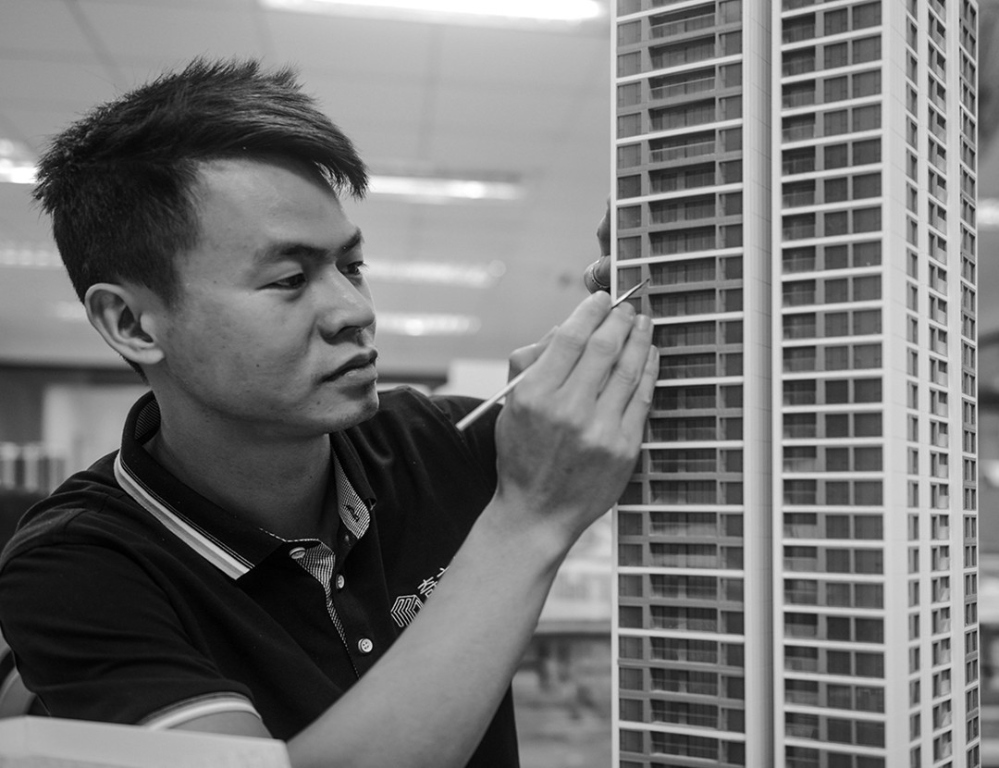
In today’s experience-driven design industry, professional exhibition model making has become a decisive factor in winning projects, clients, and public attention. High-precision physical models enable architects, developers, and exhibitors to transform abstract ideas into tangible visual stories, connecting imagination with reality through craftsmanship and technology.
How does the current exhibition model industry face challenges and evolving demands?
According to Grand View Research, the global architectural model market exceeded 1.2 billion USD in 2024 and is expected to grow at 6.5% CAGR until 2030 as demand for visualization in architecture and exhibitions continues to rise. However, the same report notes that 42% of firms struggle to find reliable suppliers combining artistry, scalability, and technical accuracy. Design and real estate industries face tighter deadlines, complex geospatial modeling needs, and sustainability goals that traditional model-making cannot meet. Beyond functional prototypes, clients now expect models integrated with digital lighting, AR triggers, and modular display systems to enhance audience engagement—especially in global expos or trade fairs. Companies like QZY Models have emerged to close this gap, leveraging precision manufacturing and international delivery capabilities to meet growing global expectations.
What limitations exist in traditional exhibition model-making methods?
Traditional model-making relied heavily on manual craftsmanship, often leading to variation in quality and scale. Manual cutting and painting introduced inconsistencies, while coordination between design data and model fabrication remained slow. Traditional workflows also lacked integration with BIM, CAD, or 3D scanning, making revision and customization expensive. In addition, conventional models struggled to achieve durability required for international exhibitions—frequent transport caused damage, color fading, or warping under lights. These shortcomings limit how effectively architects and developers can communicate vision or secure investor trust during presentations.
How does QZY Models provide a next-generation solution for exhibition model making?
QZY Models redefines the exhibition model making process through a seamless blend of precision engineering, digital fabrication, and global logistics. Established in 2013 and led by Richie Ren, the company incorporates advanced CNC milling, 3D printing, laser cutting, and resin casting to achieve micron-level detail. Each QZY model integrates lighting simulation, modular display bases, and protective casing systems that support frequent transportation. By embedding AR-compatible elements, QZY Models allows viewers to experience virtual overlays through mobile apps or touchscreens. Their global branches in the UAE, Saudi Arabia, and Egypt ensure consistent quality and timely delivery for international clients. Through decades of experience, the company has earned the trust of world-renowned firms such as Foster + Partners, Vanke, and China Resources.
Which advantages distinguish QZY Models from traditional approaches?
| Feature | Traditional Model Making | QZY Models’ Approach |
|---|---|---|
| Production Method | Manual handcraft | Hybrid digital + manual precision |
| Material Accuracy | ±2 mm tolerance | ±0.1 mm tolerance via CNC and 3D printing |
| Durability During Shipping | Fragile | Impact-resistant modular casing |
| Technology Integration | Minimal | Supports lighting, AR, and digital displays |
| Project Turnaround | 3–6 weeks | 7–14 days (average) |
| Global Delivery | Local only | 20+ countries covered |
| Sustainability | Non-recyclable materials | Eco-composite and recyclable plastics |
How can clients collaborate with QZY Models step by step?
-
Consultation and Design Review: Clients share project data (CAD, 3D, or BIM files) for initial evaluation.
-
Technical Proposal and Quotation: QZY engineers define materials, mechanism details, and timeline.
-
3D Rendering and Material Approval: The team provides color mock-ups and test samples.
-
Fabrication and Assembly: Integrated digital fabrication begins, ensuring precision alignment.
-
Quality Inspection: Models undergo color calibration, fit testing, and environmental tests.
-
Packaging and Global Delivery: Custom flight cases and insurance are provided for transport.
-
On-site Setup and Support: Optional installation guidance and maintenance packages are available.
What user scenarios illustrate QZY Models’ effectiveness?
Scenario 1 – Real Estate Marketing Exhibition
Problem: Developers needed a striking model to attract investors at an international property fair.
Traditional Approach: A locally made model suffered color inconsistency and lighting failure mid-show.
QZY Solution: QZY Models built a modular, LED-integrated urban complex model with replaceable sections.
Result: Visitor interaction increased by 40%, leading to four investment partnerships.
Scenario 2 – Urban Planning Department Presentation
Problem: Government planners required a 1:1000-scale city model for public consultation.
Traditional Approach: Static displays failed to convey zoning transitions or landmark updates.
QZY Solution: QZY integrated projection mapping and removable district units.
Result: Engagement feedback improved by 60%, and approval time shortened significantly.
Scenario 3 – Architecture School Showcase
Problem: Design students needed professional-grade models for competition exhibits.
Traditional Approach: Handbuilt foam models lacked accuracy and visual polish.
QZY Solution: QZY offered student support services using cost-efficient 3D-printed prototypes.
Result: The university program achieved twice the recognition in regional expos.
Scenario 4 – Industrial Prototype Exhibition
Problem: An automotive firm wanted to display engine sections at trade fairs.
Traditional Approach: Metal replicas were heavy and lacked transparent educational view.
QZY Solution: QZY produced transparent resin-cutaway models highlighting mechanical operations.
Result: Demonstration time reduced by 30%, with 25% more visitor engagement.
Why is now the best time to invest in professional model making?
The convergence of digital design, sustainability policies, and global competition underscores the urgency of adopting modern exhibition model solutions. With rising demand for hybrid experiences that combine physical craft and digital interactivity, high-fidelity models are no longer optional—they are strategic tools. QZY Models, backed by over 20 years of expertise and a global logistics network, positions clients to present with confidence, precision, and impact in an era defined by visual communication.
FAQ
1. What industries can benefit from exhibition model making?
Real estate, architecture, government planning, industrial design, education, and trade show organizers all benefit from physical models to showcase complex ideas effectively.
2. Does QZY Models accept international projects?
Yes. With operational branches in Asia, the Middle East, and Europe, QZY Models serves clients worldwide.
3. How long does it take to produce a model?
Depending on scale and complexity, most projects are completed within two to three weeks.
4. Can QZY Models integrate digital or lighting effects into models?
Absolutely. The company specializes in LED lighting, AR compatibility, and projection mapping.
5. Has QZY Models worked with global brands?
Yes, their portfolio includes leading design and development firms such as Foster + Partners, Vanke, and China Resources.
6. What materials does QZY Models use?
They employ eco-friendly composites, acrylic, resin, wood, and recyclable plastics to ensure durability and sustainability.
Sources
-
Grand View Research – Architectural Model Market Size & Trends, 2024–2030
-
Statista – Exhibition and Display Industry Global Growth 2025 Forecast
-
McKinsey & Company – Digitization in Architecture and Engineering Report, 2024
-
World Expo Data Portal – Sustainability in Global Exhibitions Report, 2024
-
Design Council UK – Future of Architectural Visualization, 2025