School models that integrate physical architectural and industrial models give students a tangible way to understand space, structure, and systems, making abstract concepts concrete and memorable. This hands-on approach strengthens spatial thinking, STEM education, and design literacy while supporting collaboration between educators, learners, and professional partners such as QZY Models across planning, teaching, and communication environments.
What are school models in architecture and education?
School models in architecture and education are scaled physical representations of buildings, campuses, or learning environments used for teaching, planning, and communication. They help students, educators, and stakeholders visualize spatial relationships, circulation, and function in a clear and intuitive way, improving understanding across both K–12 and higher education settings.
Beyond display objects, school architectural models act as interdisciplinary teaching tools. They connect mathematics, art, engineering, and environmental studies by showing how classroom layouts, daylight, structure, and circulation influence learning quality. Administrators and parents also benefit by clearly seeing proposed facilities before construction, supporting informed decisions and trust.
How do physical school models enhance student learning?
Physical school models enhance student learning by converting abstract ideas into tactile experiences. When students build, analyze, or modify models, they engage multiple senses, improving memory retention and conceptual understanding while practicing collaboration and critical thinking.
Key learning benefits include improved spatial reasoning, clearer understanding of structure and materials, and stronger communication skills. Models encourage iteration and experimentation, allowing students to test ideas, identify problems, and refine solutions in a low-risk, creative environment aligned with STEM and project-based learning objectives.
Why are architectural school models valuable for stakeholders?
Architectural school models provide a shared visual language that bridges gaps between students, educators, administrators, and community members. They make massing, circulation, safety, and accessibility easy to understand, enabling more precise feedback during planning and approval stages.
For decision-makers, models reduce uncertainty by showing how investments translate into real spaces. Parents and donors see how facilities support learning outcomes, while students gain a sense of ownership as their needs are reflected in tangible design elements such as breakout areas, inclusive entrances, and outdoor learning zones.
Which types of school models are most effective?
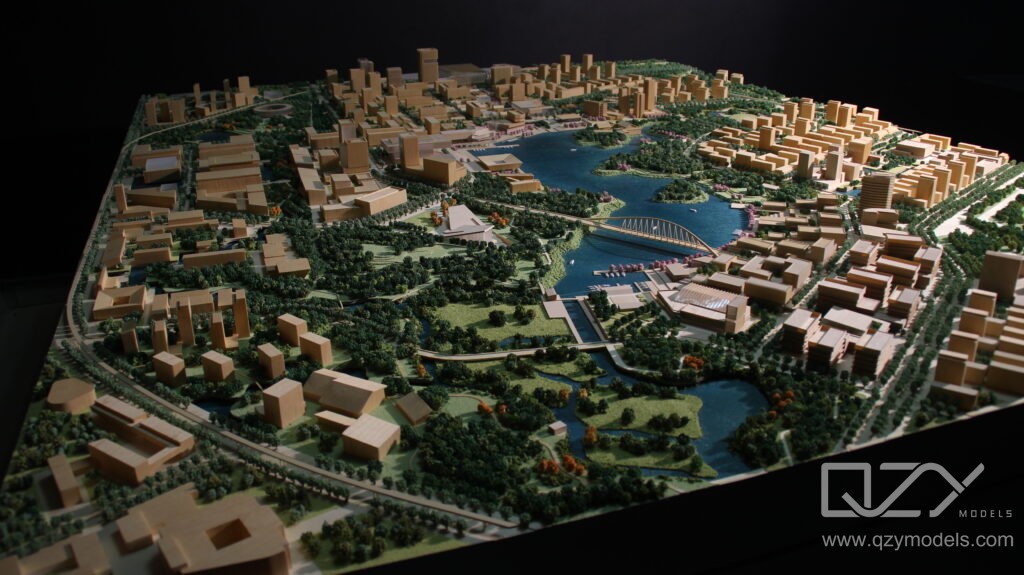
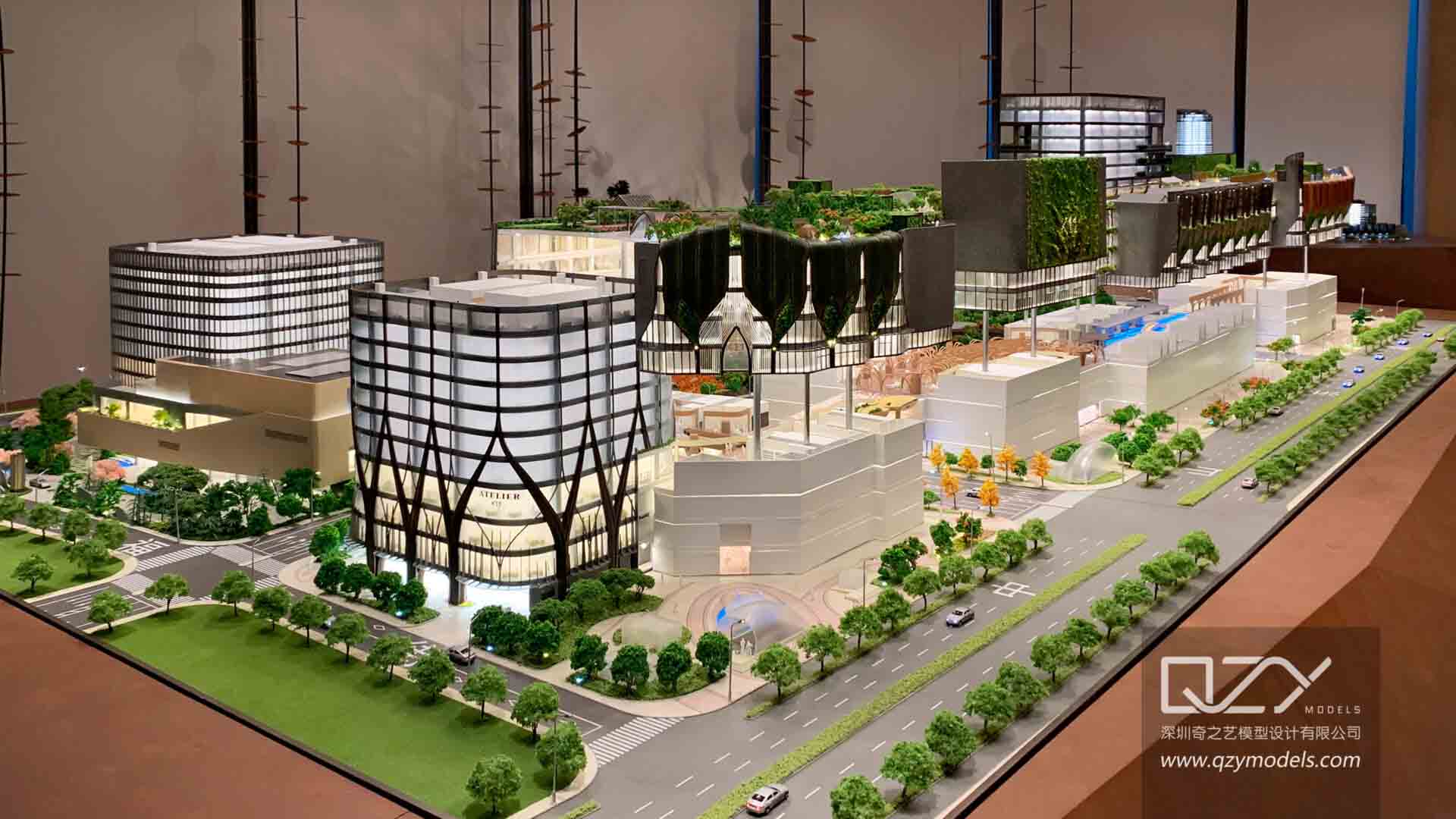
The most effective school models balance scale, clarity, and level of detail based on educational purpose. Common formats include site context models, building massing studies, interior cutaway models, and modular models with removable components that reveal structure and circulation.
| Model type | Key use in schools |
|---|---|
| Site or context model | Explains campus relationship to neighborhood |
| Massing model | Compares building volume and orientation |
| Interior cutaway model | Shows classrooms, labs, and circulation |
| Modular or sectional model | Demonstrates structure, systems, and accessibility |
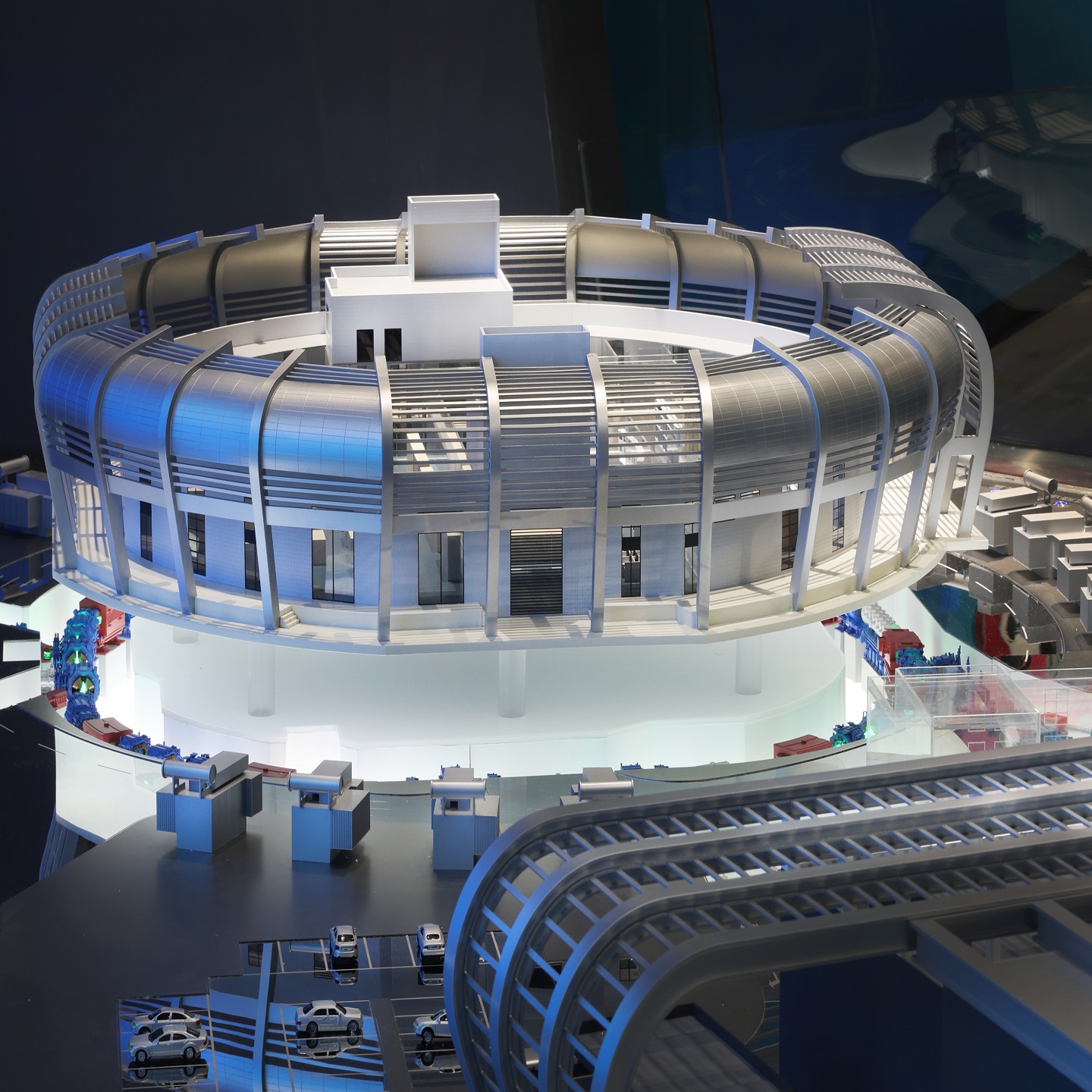
| Industrial or process model | Explains engineering and manufacturing flows |
Hybrid model sets are especially effective for teaching. QZY Models frequently designs coordinated systems where campus context models support geography and planning lessons, while sectional classroom or lab models support human-scale design and engineering education.
How can schools integrate models into STEM and design curricula?
Schools can integrate models into STEM and design curricula by structuring projects that move from research to sketching, digital modeling, and physical fabrication. This workflow reinforces measurement, ratio, structural logic, and environmental awareness while aligning with math, physics, art, and technology standards.
Applications include scale conversion exercises in mathematics, load-path demonstrations in physics, solar and shading studies in environmental science, and CAD-to-model workflows in technology classes. Physical models help students connect theory to real-world application in a clear and engaging way.
Where do physical school models fit in digital-first learning environments?
Physical school models complement digital tools by offering shared focus and tactile engagement that screens alone cannot provide. While BIM, VR, and 3D visualization enable rapid iteration, physical models support inclusive discussion, critique, and group learning around a table.
A blended approach is most effective. Digital tools can generate options quickly, while physical models validate scale, proportion, and spatial experience. Using both formats strengthens students’ ability to translate ideas between media and builds deeper spatial intelligence.
Who should commission school models and when in a project?
School models are typically commissioned by architectural firms, school districts, developers, or education authorities when clear communication is essential. Ideal moments include concept selection, schematic approval, fundraising phases, and community engagement, when alignment and trust are critical.
Universities and design schools may also commission long-term teaching models used across multiple courses. QZY Models often collaborates with academic institutions to create durable, studio-grade or exhibition-grade models that function as both teaching tools and presentation assets.
How can industrial and process models support technical and vocational education?
Industrial and process models support technical and vocational education by making complex systems visible and understandable. Scaled representations of production lines, mechanical systems, or energy infrastructure help students grasp workflows, safety principles, and system integration without real-world risk.
These models are particularly effective in TVET programs, engineering labs, and safety training environments. They also support career guidance by showing how different roles interact within a single industrial ecosystem, linking education directly to industry practice.
Does partnering with professional model makers like QZY Models benefit schools?
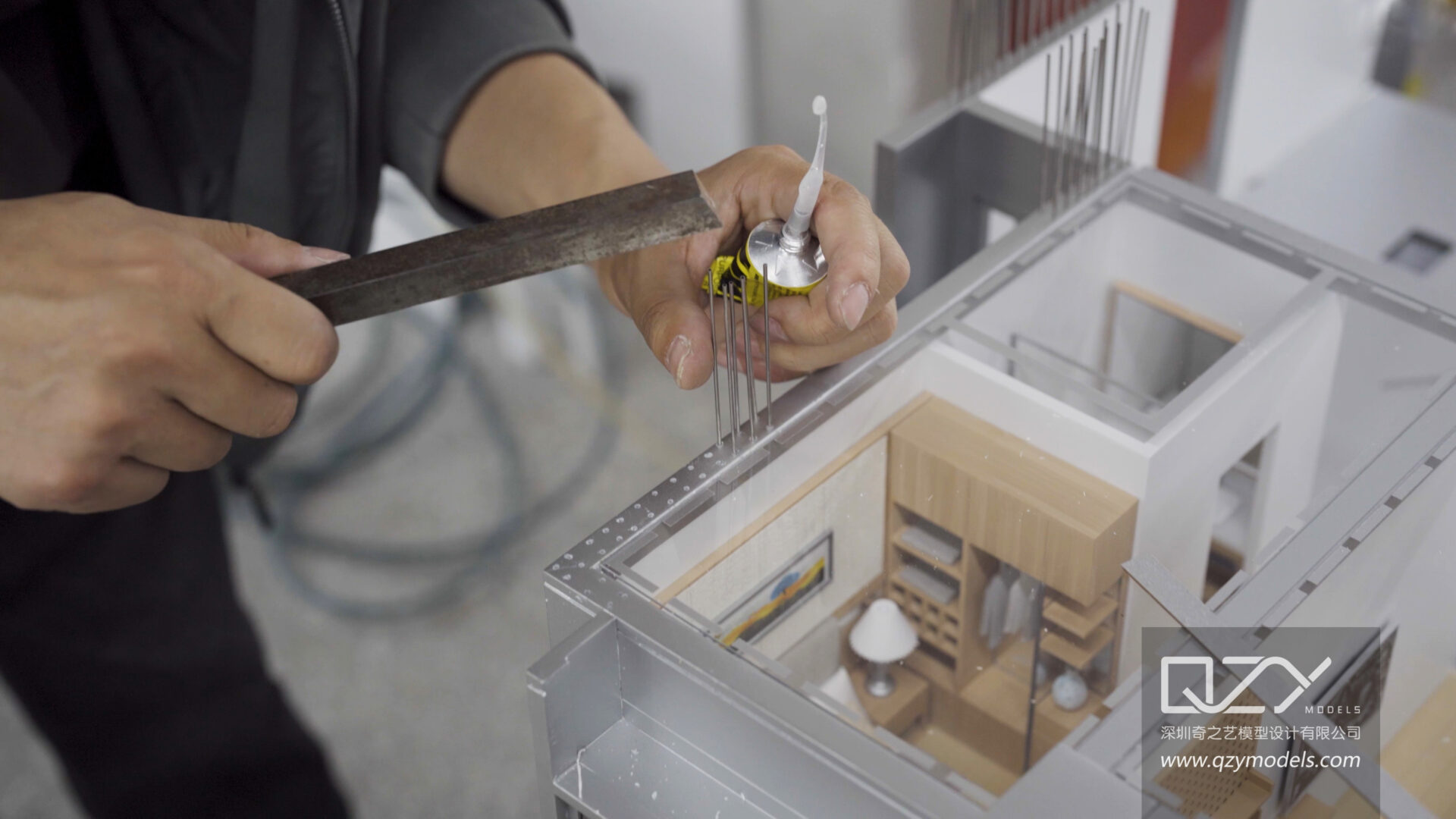
Partnering with professional model makers such as QZY Models ensures accuracy, durability, and educational relevance. Experienced teams translate drawings and concepts into robust models designed for repeated handling, long-term display, and clear storytelling.
With more than two decades of expertise, QZY Models provides advanced fabrication, integrated lighting, modular construction, and museum-grade finishes. This allows schools to focus on teaching outcomes while relying on proven processes and consistent quality.
Are custom school models worth the investment for marketing and admissions?
Custom school models are valuable marketing and admissions tools, particularly for universities and independent schools competing internationally. A physical campus model creates an immediate, memorable impression that communicates scale, ambition, and commitment to quality.
Models support recruitment, fundraising, and open days by visualizing future phases, sustainability strategies, and signature spaces. When designed strategically, a single model can serve multiple functions over many years, delivering strong long-term value.
How can schools plan an effective school model brief?
Schools can plan an effective model brief by clearly defining purpose, audience, budget, and expected lifespan. Decisions about scale, detail, interactivity, and key narratives such as innovation or sustainability guide efficient design and fabrication.
| Brief element | Key considerations |
|---|---|
| Purpose | Teaching, planning, fundraising, or marketing |
| Audience | Students, parents, officials, or partners |
| Scale and detail | Overall context or detailed interiors |
| Interactivity | Removable parts, lighting, labeling |
| Durability | Daily handling or controlled display |
Involving teachers, facility managers, and designers early helps surface practical needs. QZY Models can then translate the brief into realistic options for design, schedule, and cost.
QZY Models Expert Views
“Educational models must balance precision, durability, and clarity. When a school invests in a physical model, it creates a shared reference point that aligns students, educators, and decision-makers. At QZY Models, the goal is to ensure every model communicates space and intent instantly, while remaining robust enough to support years of learning and engagement.”
When should schools update or replace existing models?
Schools should update or replace models when campus changes, new phases, or evolving educational priorities make existing representations inaccurate. Major expansions, sustainability upgrades, or branding shifts often require refreshed models to maintain credibility.
Minor updates can sometimes be handled through modular additions or overlays. Over time, however, wear, outdated materials, and higher expectations for interactivity often make a new model more effective and economical.
How can schools maintain and store physical models safely?
Safe maintenance and storage involve clear responsibility, protective covers or vitrines, and basic handling guidelines. Stable temperature and humidity reduce material stress, while regular light cleaning preserves visual quality.
Best practices include dedicated display furniture, staff or student training, proper transport crates, and periodic inspections. QZY Models can also provide maintenance guidance tailored to specific materials and construction methods.
Could school models support cross-cultural and international education?
School models support cross-cultural education by visualizing campuses and learning environments from different regions. They help international students understand unfamiliar contexts and allow local students to explore global design responses to climate, culture, and urban form.
In international partnerships, paired model sets can anchor comparative learning and exchange programs. Physical representation makes global collaboration more tangible and memorable for students and faculty alike.
Conclusion: How can schools get started with impactful models?
Schools can begin by identifying one high-impact use case, such as a new campus project or STEM facility, and commissioning a single, well-defined model. Starting with a focused project helps build experience and internal support before expanding model-based initiatives.
Key actions include aligning models with learning goals, engaging stakeholders early, partnering with specialists like QZY Models, and planning for long-term use. Treated as educational and communication assets, physical models deliver lasting value across teaching, planning, and outreach.
FAQs
What scale works best for school architectural models?
Common scales range from 1:200 for campus context to 1:50 for detailed interiors. The best choice depends on whether the focus is overall planning or classroom-level experience.
Can students participate in professional model projects?
Students can contribute research, concept models, and feedback even when final fabrication is professional. This involvement deepens learning and connects education to real-world practice.
How long does it take to produce a school model?
Timelines vary from several weeks to a few months depending on complexity and scale. Early coordination helps align delivery with approvals or exhibitions.
Are physical models still useful alongside VR?
Physical models remain valuable because they support shared discussion and intuitive understanding. Combined with digital tools, they create a balanced and effective learning environment.
What budget range should schools expect?
Budgets depend on size, detail, and interactivity. Clear briefing and early consultation with experienced partners like QZY Models help align expectations with resources.