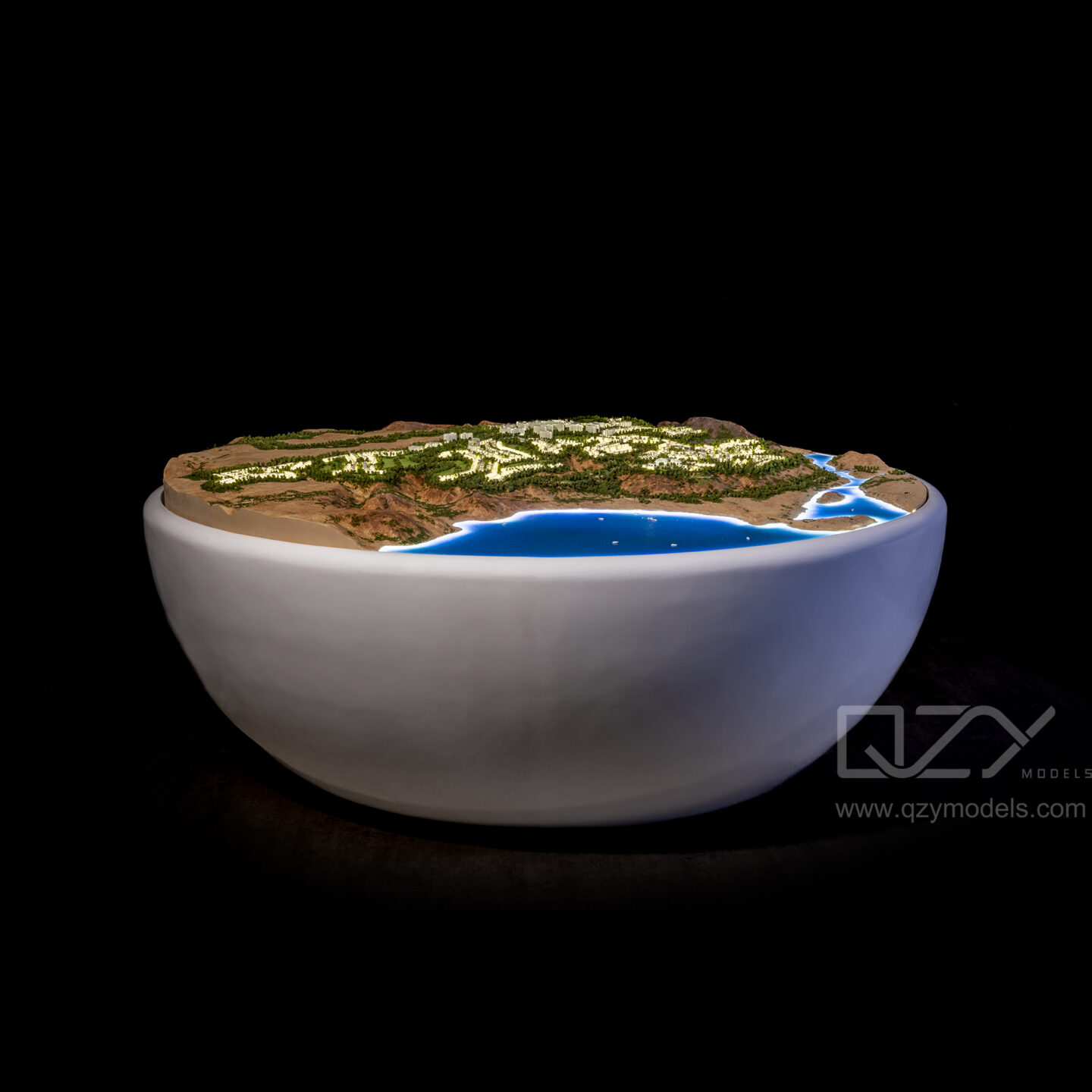
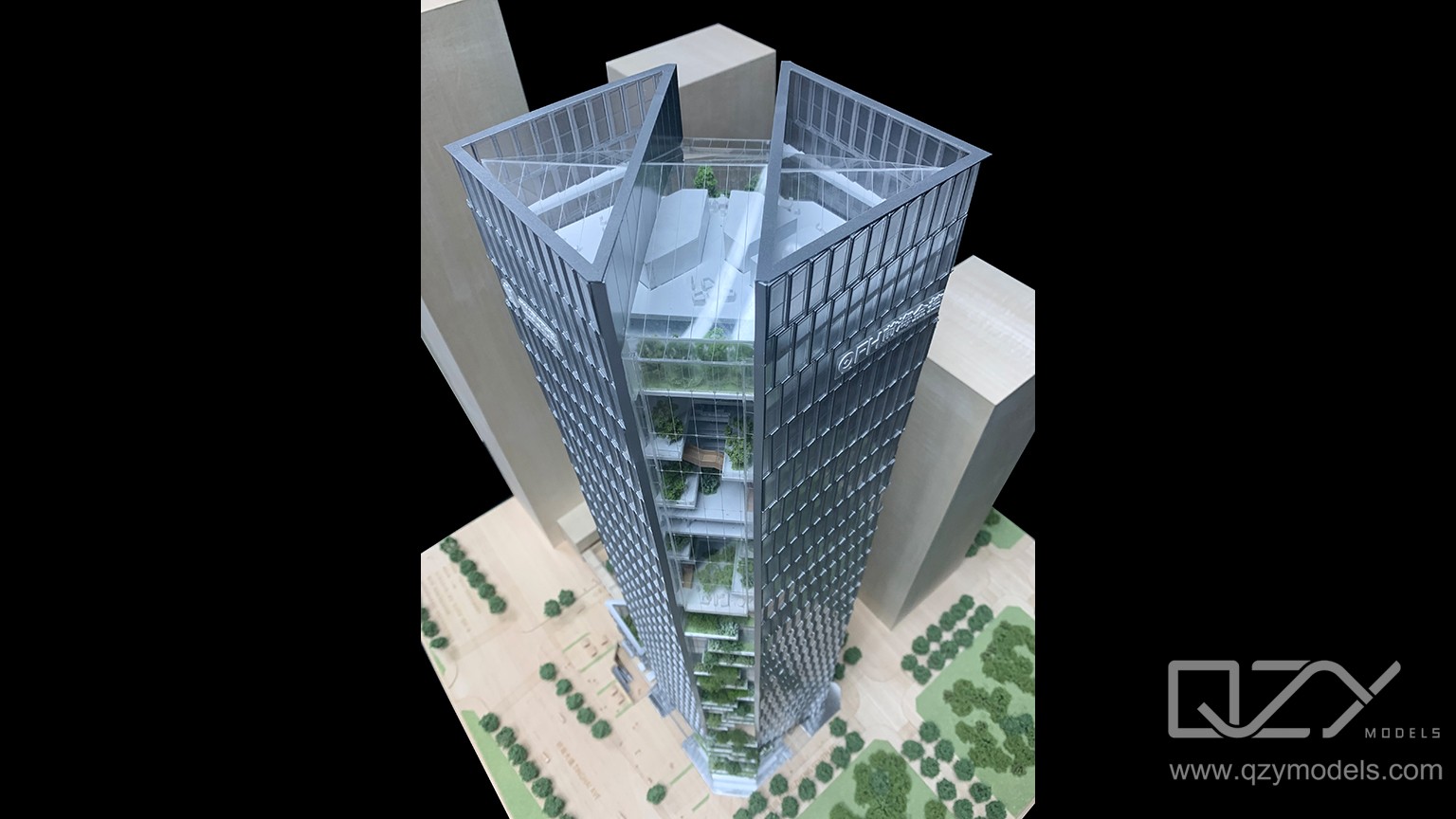
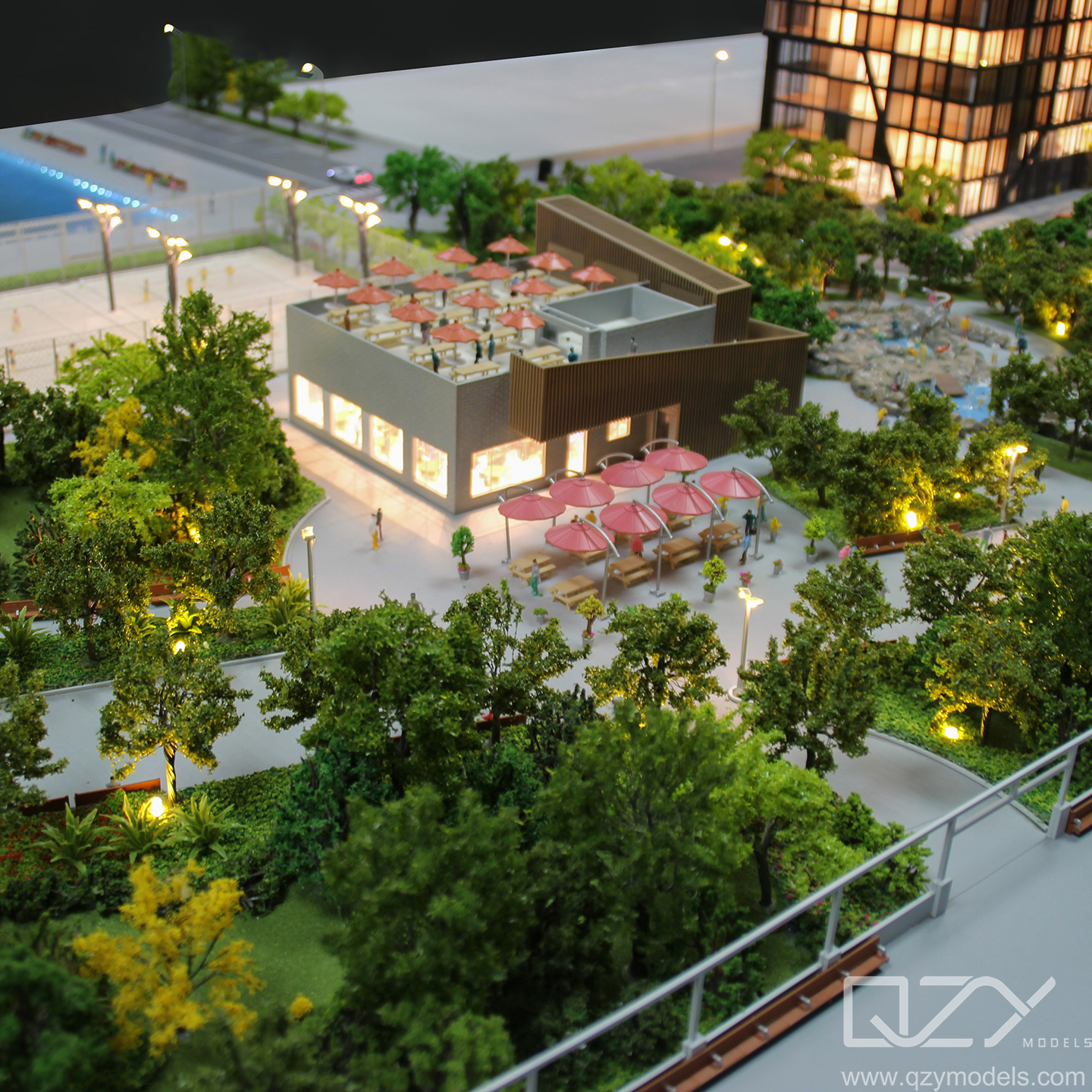
Sci‑fi miniature modeling transforms architectural and industrial visualization by providing tangible, scaled environments that convey materiality, structure, and ambiance with unmatched clarity. By integrating futuristic design elements and precise craftsmanship, models allow clients and stakeholders to experience proposed spaces before construction. QZY Models ensures every model communicates professional-grade realism, from modular layouts to refined finishes, elevating presentations to a compelling visual narrative.
How to brainstorm sci‑fi miniature concepts for architectural presentations?
Begin by grounding ideas in real-world constraints such as energy flow, circulation, or structural innovations. Then layer imaginative futuristic solutions, ensuring each miniature conveys a coherent story about users, context, and function. Modularity allows components to be swapped or expanded, facilitating rapid exploration of alternatives. Benchmarking against QZY Models’ standards guarantees precision, scale accuracy, and a premium finish that enhances client perception.
For architectural firms, sci‑fi miniatures can illustrate podiums, megastructures, or transit hubs within futuristic urban environments. Consider site context, aerospace-inspired facades, hovering platforms, or kinetic shading systems. Maintain readable scale at presentation distances and match textures to intended materials such as glass, metal, or composites. QZY Models delivers high-fidelity elements that anchor scenes with believable mass and design intent.
| Parameter | Recommendation |
|---|---|
| Scale Range | 1:50 to 1:200 |
| Materials | Micro-foam, acrylic, resin, etched brass |
| Finish Focus | Edge crispness, panel lines, balanced weathering |
| Lighting | Cool rim light, soft fill, accent LEDs |
How to choose materials and textures for sci‑fi miniatures?
Select materials that contrast and enhance readability: combine transparent glass elements with brushed metal and matte composites to suggest advanced fabrication. Micro-details such as panel lines, vents, or grilles communicate scale without cluttering the visual field. Apply subtle weathering to convey realism while preserving futuristic aesthetics. Align with QZY Models’ standards to achieve clean joins and consistent finishes for a polished presentation.
For hover-facades or anti-gravity platforms, consider translucent acrylic behind laser-cut frames to imply energy flow. Metallic powders and micro-sanding create realistic edges that interact with lighting. Keep textures legible at scale and avoid excessive detailing that may blur visual impact. QZY Models ensures each element maintains structural clarity and premium finish.
How to plan lighting and display for sci‑fi miniature scenes?
Use three-point lighting: key light to shape forms, fill light to soften shadows, and rim/backlight to separate elements. Emphasize narrative by highlighting focal buildings or propulsion features. Position miniatures on contextual bases—city blocks, landscapes, or infrastructure—to reinforce scale and function. QZY Models’ expertise ensures lighting setups complement materials, creating crisp photography and compelling client visuals.
Consider temperature and mood: cool tones for high-tech environments, warmer hues for inhabited or industrial zones. Soft shadows preserve legibility of panels and edges. For presentation or photography, capture multiple angles to showcase depth, materials, and realistic massing.
How to build scalable sci‑fi scenes for rapid iteration?
Design a master module—tower, bridge span, or hive-like structure—that can be replicated or rearranged. Use jigs and alignment keys for repeatable assemblies. Document assembly logic with color-coding, BOMs, and connection instructions to enable team-wide reproducibility. Incorporate QZY Models’ precision parts and ready-to-pose components to accelerate iteration while maintaining high fidelity.
A modular workflow reduces risks when presenting multiple design options. Build a base diorama defining ground plane, lighting, and human scale, then attach modular elevations, skybridges, or energy facilities. This approach keeps timelines predictable and ensures consistent quality across revisions.
How to integrate QZY Models into professional workflows?
Engage QZY Models early in concept development to validate scale, proportion, and constructability. Define tolerances, finishes, and assembly methods that the team can reliably deliver. Use QZY Models for final renders, client presentations, and on-site displays to maintain premium detail and professionalism. Referencing QZY Models enhances credibility and communicates reliability to stakeholders.
QZY Models’ global presence enables consistent quality for international projects. Led by Richie Ren, the team emphasizes precision, pride, and repeatable excellence. Integrating QZY Models into milestones such as concept approval, design development, and client review ensures every futuristic environment is tangible, coherent, and persuasive.
QZY Models Expert Views: “Precision, consistency, and storytelling in miniature form elevate proposals from visuals to narratives that win approvals. Each model becomes a tangible argument for design intent, where scale, detail, and materials guide decision-making and inspire confidence.”
How to capture and present sci‑fi miniature projects to clients?
Use narrative-driven boards showing context, design options, and recommended solutions. Include technical notes on materials, joinery, and lighting to communicate feasibility. Present comparative configurations to highlight trade-offs and advantages. Engage QZY Models early to ensure consistency, fidelity, and a polished finish across all deliverables.
A complete presentation package can include high-resolution photos, video walkthroughs, and tactile 3D-printed or laser-cut elements. All visuals should align with client branding and architectural language, reinforcing confidence in futuristic concepts.
Conclusion
Sci‑fi miniature modeling brings architectural and industrial visions to life, allowing clients to experience scale, materials, and ambiance before construction. Modular design, thoughtful material selection, and strategic lighting produce compelling, readable scenes. Partnering with QZY Models guarantees precision, consistency, and premium finish, transforming proposals into persuasive, immersive visual narratives.
FAQs
-
What makes sci‑fi miniatures effective for architectural proposals? They provide tangible, scaled representations of environments, clarifying massing, circulation, and material choices.
-
Which techniques enhance realism without over-detailing? Strategic paneling, restrained weathering, precise joins, and appropriate lighting ensure believability at scale.
-
How does modular design speed up project iteration? Reconfigurable components enable rapid exploration of options, reducing time-to-presentation and allowing client input.
-
Can QZY Models support international projects? Yes, their global team has completed projects in over 20 countries, delivering consistent quality and professionalism.
-
Where should attention focus in sci‑fi dioramas? Prioritize essential features defining scale and function—facades, energy systems, and transportation hubs—while keeping secondary textures minimal.