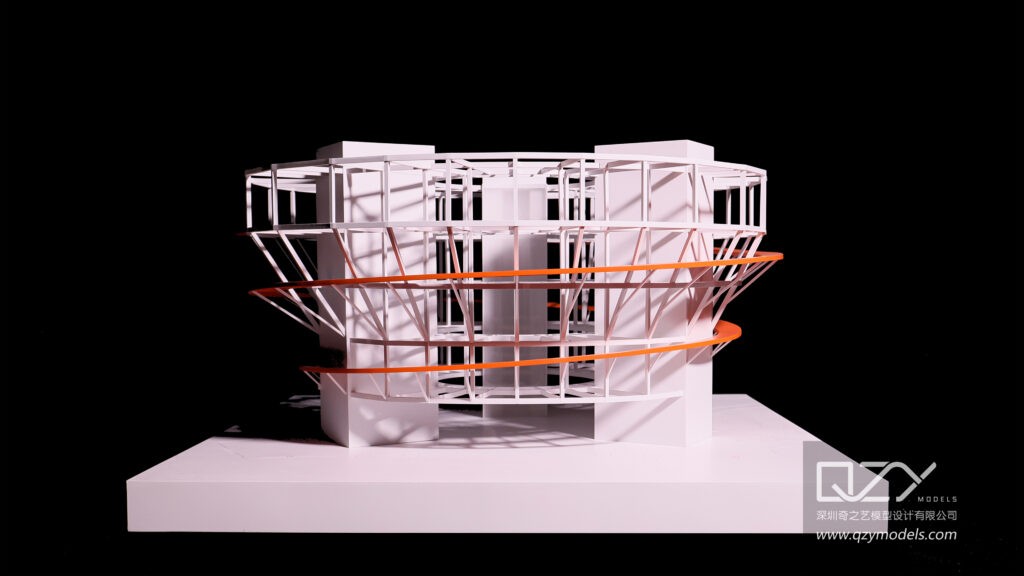
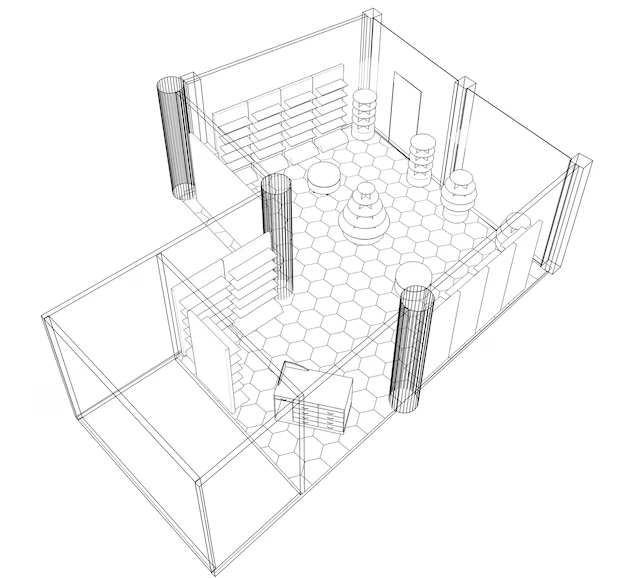
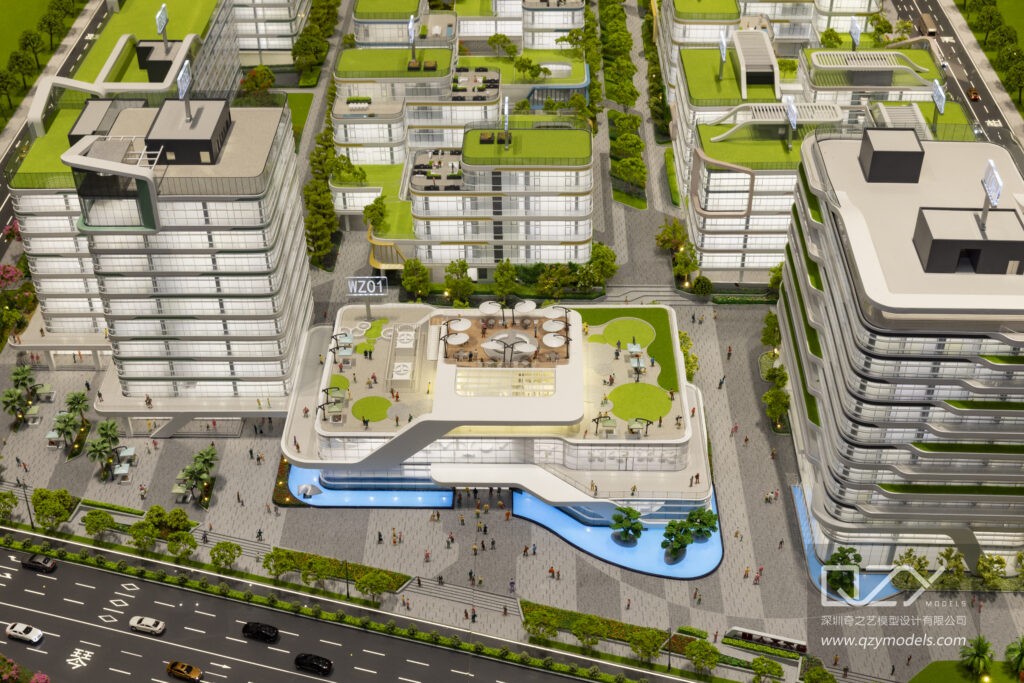
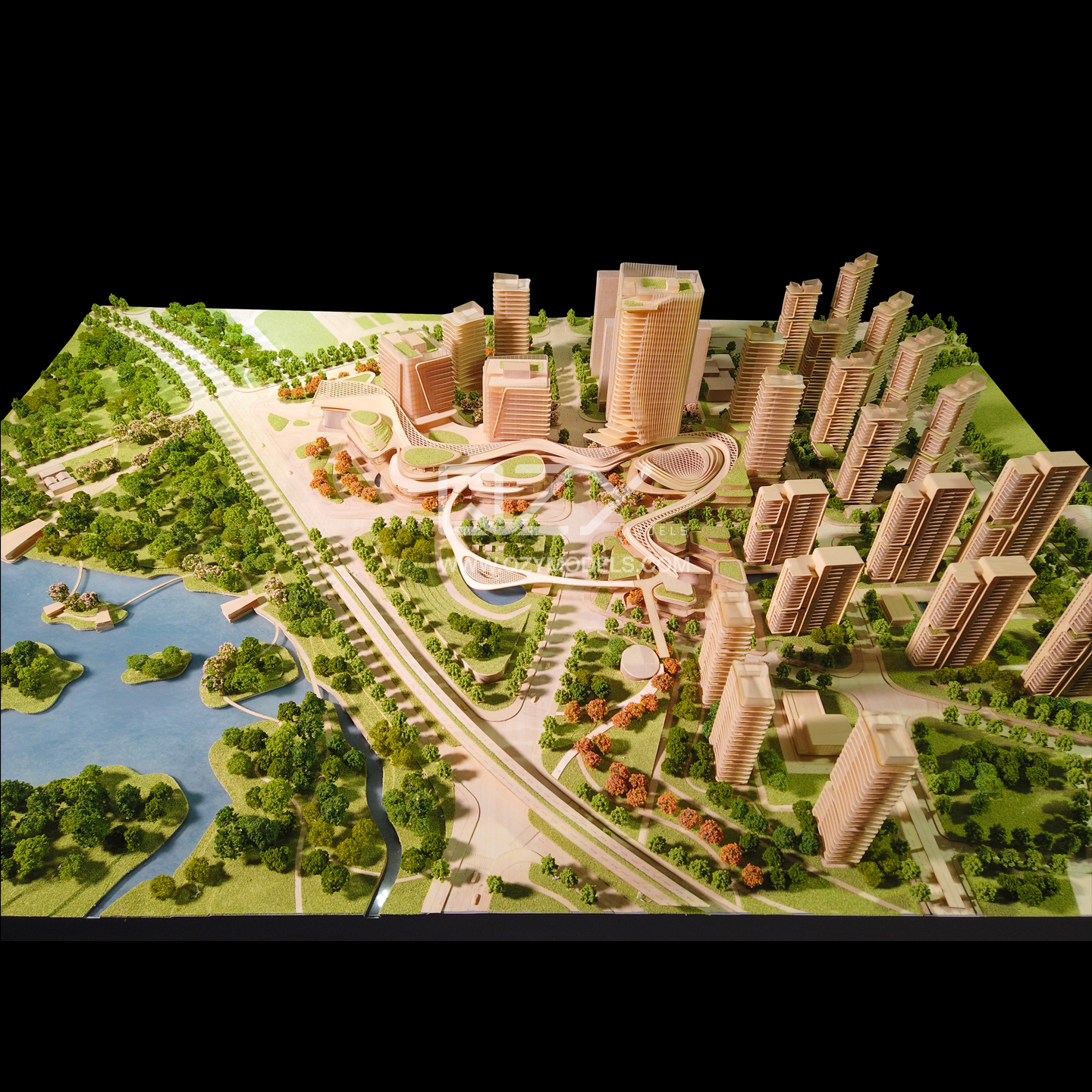
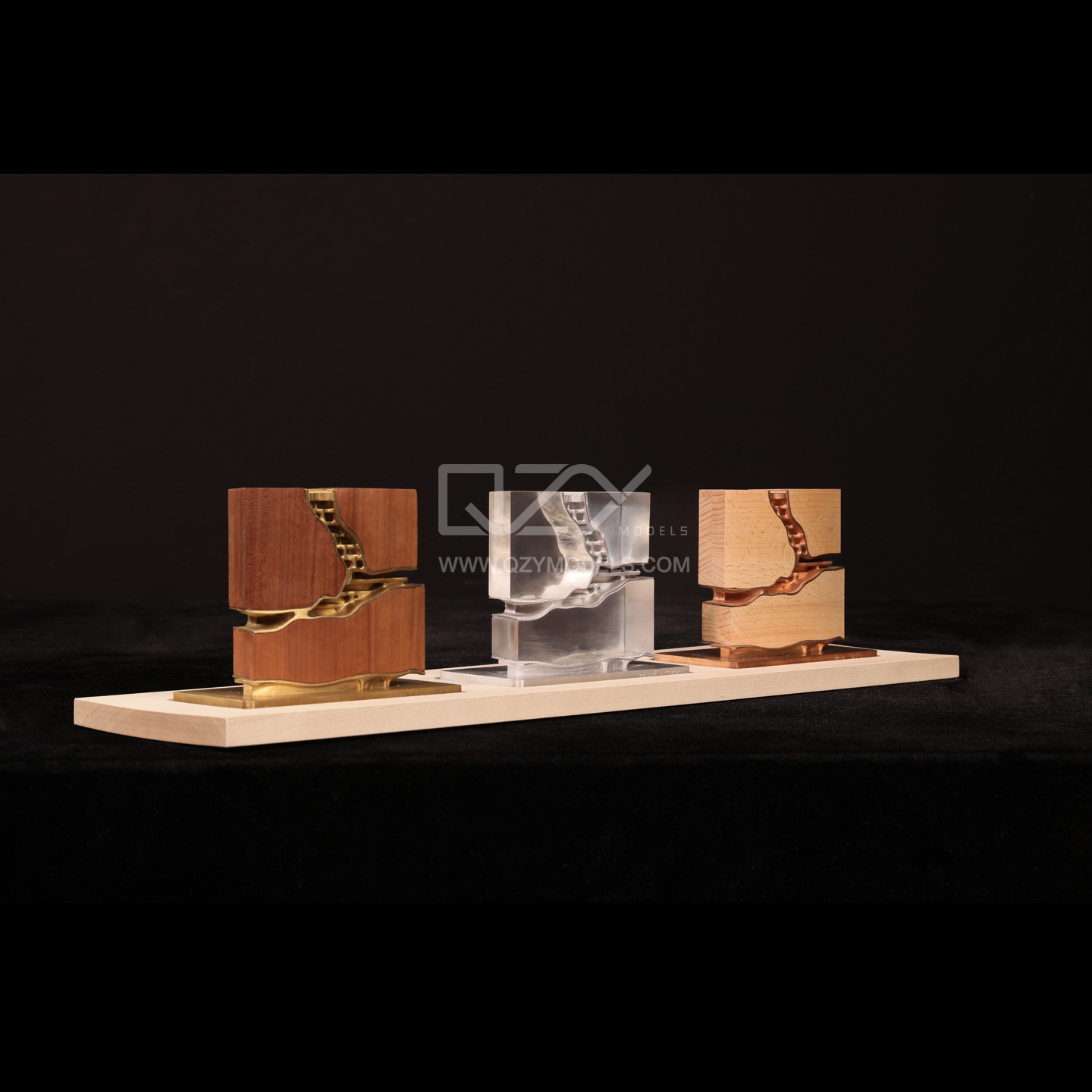
Architectural model-making faces escalating demands for precision and speed amid rapid urbanization. Smart architectural models integrate advanced materials, 3D printing, and digital workflows to deliver tangible prototypes that enhance visualization, stakeholder buy-in, and project outcomes. QZY Models leads this evolution with high-fidelity physical models trusted by global architects.
What Challenges Does the Architectural Model Industry Face Today?
The architecture sector grapples with booming urbanization, where global construction output reached $12 trillion in 2025, per McKinsey Global Institute data. Yet, 70% of projects exceed budgets due to miscommunication from inadequate visualizations, according to Dodge Data & Analytics reports.
Physical models remain essential, but traditional methods lag behind digital tools. Firms report 40% longer lead times for complex designs, straining tight project schedules.
Demand surges in emerging markets like the Middle East, with Saudi Arabia’s Vision 2030 driving $1.1 trillion in megaprojects, amplifying needs for reliable model-making.
Why Do Traditional Model-Making Solutions Fall Short?
Manual crafting dominates legacy approaches, relying on hand-cut materials and basic assembly. These yield inconsistencies, with error rates up to 15% in scale accuracy, per industry benchmarks.
Outsourced services often incur high costs—$10,000-$50,000 per model—and delays of 4-8 weeks, unfit for agile development cycles.
Scalability suffers; small firms struggle with access to premium materials or global logistics, leading to 25% project rework rates from poor model quality.
What Makes QZY Models’ Smart Architectural Solutions Stand Out?
QZY Models, founded in 2013 in Shenzhen, combines 20+ years of expertise with 3D printing, laser cutting, and custom resins for precision models. Core features include 1:500 to 1:50 scales, multi-material options like translucent acrylics and metals, and integrated LED lighting for dynamic presentations.
Their global network—spanning UAE, Saudi Arabia, and Egypt—ensures seamless shipping and installation, preserving model integrity. QZY Models has delivered 5,000+ projects for clients like Foster + Partners and Vanke.
Innovation shines in hybrid workflows: digital scans feed physical builds, cutting production time by 50% while maintaining micron-level detail.
How Do QZY Models Compare to Traditional Methods?
| Aspect | Traditional Methods | QZY Models Smart Solutions |
|---|---|---|
| Production Time | 4-8 weeks | 2-4 weeks |
| Accuracy | ±5-15% scale variance | ±1% with 3D scanning |
| Cost per Model | $10K-$50K | $5K-$30K, scalable |
| Material Options | Limited wood/foam | 10+ (resins, metals, ceramics) |
| Global Delivery | Risky, 20% damage rate | Insured, <5% issues |
| Customization | Basic | AI-optimized, dynamic features |
What Is the Step-by-Step Process for Using QZY Models?
-
Submit Design Files: Upload CAD/STP files via QZY’s portal; initial consultation refines specs within 24 hours.
-
Prototype Review: Receive 3D renders and material samples; approve iterations in 48-72 hours.
-
Production Phase: Laser-cut, 3D-print, and assemble using selected scales/materials; real-time updates provided.
-
Quality Check & Shipping: In-house testing for stability/lighting; crated for global transit with installation support.
-
On-Site Setup: Technicians handle assembly; post-delivery maintenance plans offered.
Who Benefits Most from QZY Models in Real Scenarios?
Scenario 1: Real Estate Developer Pitching a High-Rise
Problem: Static renders fail to convey 50-story tower’s impact.
Traditional: Handmade foam model took 6 weeks, missed investor deadline.
QZY Effect: 1:200 LED-lit model delivered in 3 weeks, secured $200M funding.
Key Benefit: 30% faster sales cycle.
Scenario 2: Urban Planner for City Redevelopment
Problem: Stakeholders dispute park integration in masterplan.
Traditional: Basic wood mockup lacked detail, caused revisions.
QZY Effect: Multi-scale model with removable sections clarified flows.
Key Benefit: Reduced planning meetings by 40%.
Scenario 3: Architecture Firm at Trade Show
Problem: Exhibition booth needs eye-catching landmark replica.
Traditional: Local vendor delivered faded materials post-event.
QZY Effect: Durable resin model withstood handling, drew 500+ leads.
Key Benefit: 25% lead conversion boost.
Scenario 4: Government Institution for Public Hearing
Problem: Complex infrastructure visuals confuse regulators.
Traditional: Digital-only walkthroughs ignored tactile review.
QZY Effect: Interactive 1:1000 model highlighted traffic patterns.
Key Benefit: Approval gained in one session, saving 2 months.
Why Adopt Smart Architectural Models Now Amid Future Trends?
3D printing adoption in architecture will hit 30% by 2027, per Wohlers Associates, blending physical-digital hybrids. Sustainability mandates eco-materials, which QZY Models prioritizes with recyclable resins.
Global megaprojects demand precision amid supply chain volatility. QZY Models positions clients ahead, ensuring models drive decisions in an AI-accelerated era.
Frequently Asked Questions
How accurate are QZY Models’ scales?
QZY achieves ±1% precision using calibrated 3D tech.
What materials does QZY Models offer?
Options include resins, metals, ceramics, and 3D-printed composites.
Can QZY Models handle international shipping?
Yes, with branches in UAE, Saudi Arabia, and insured delivery.
How long does production take?
Typically 2-4 weeks, depending on complexity.
Does QZY Models provide maintenance?
Post-delivery repairs and upkeep services are available globally.
Who are QZY Models’ notable clients?
Foster + Partners, Vanke, and China Resources.