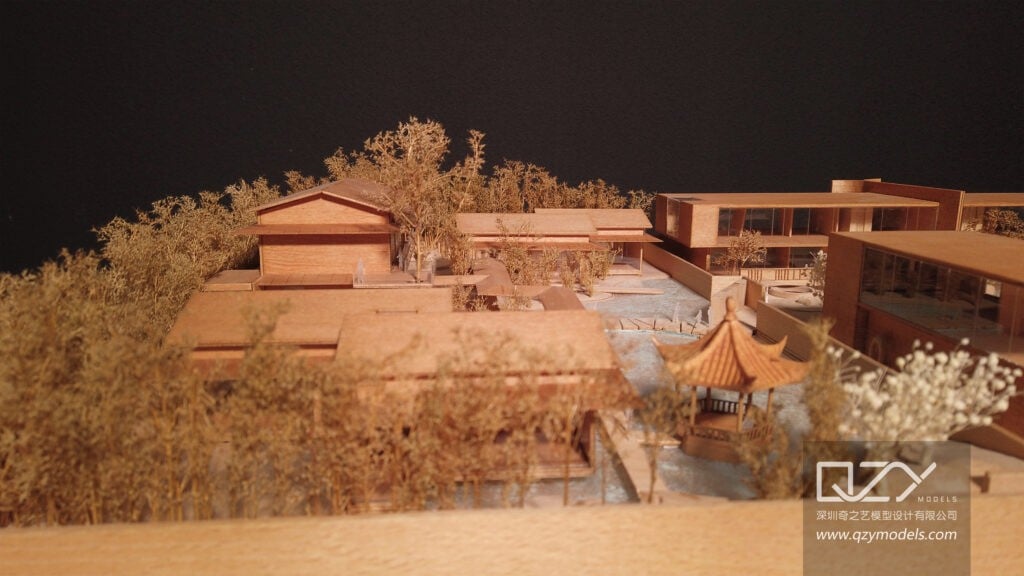
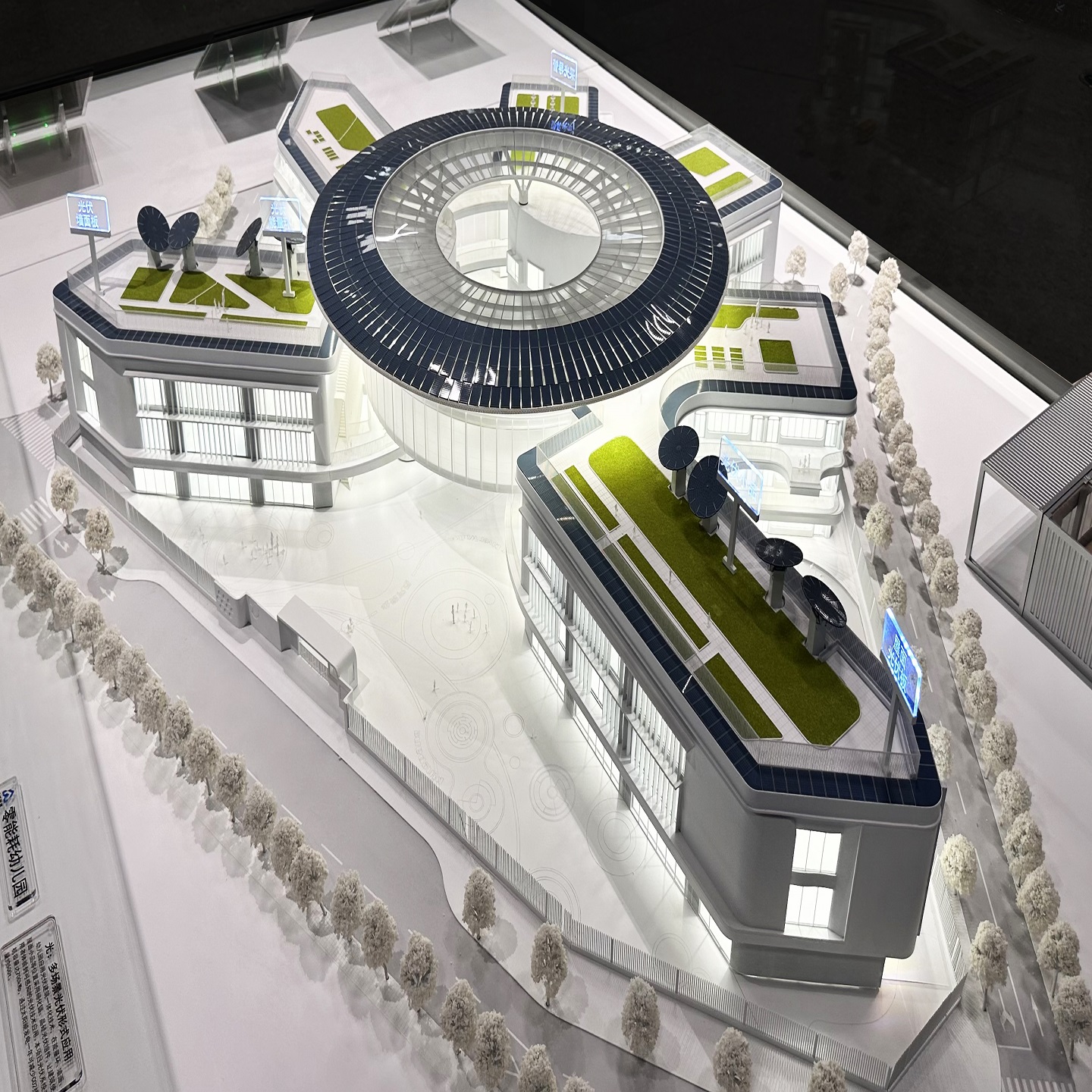
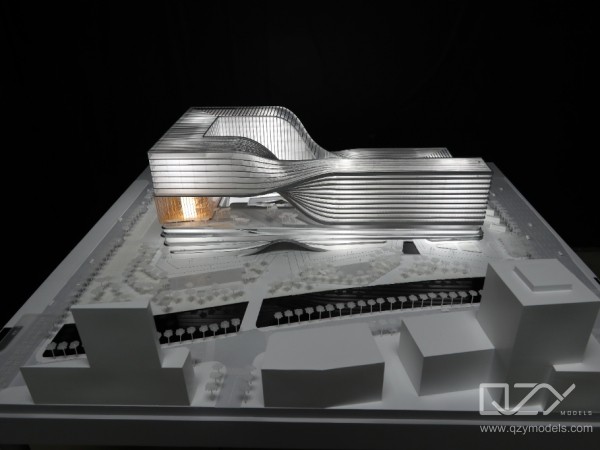
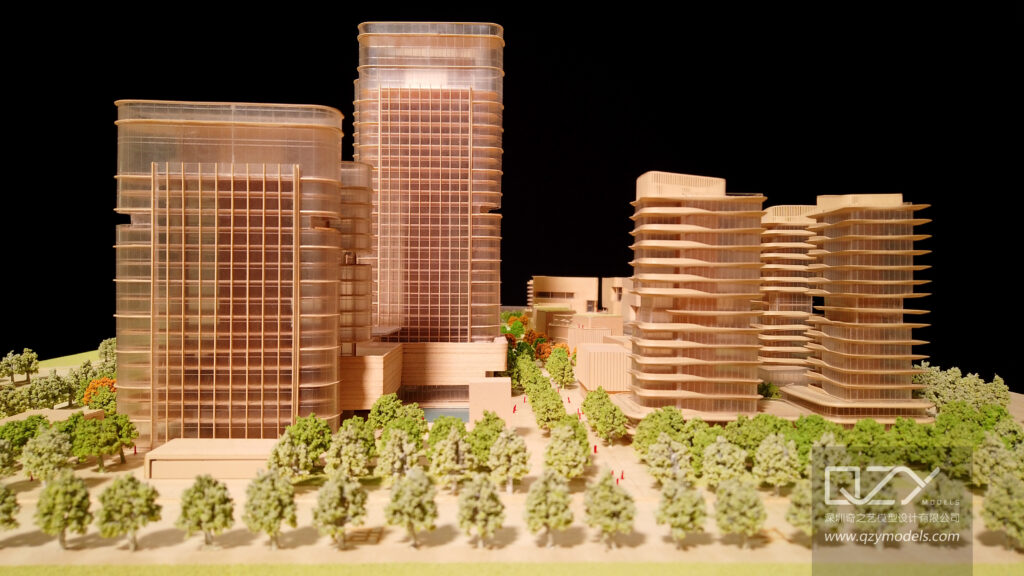
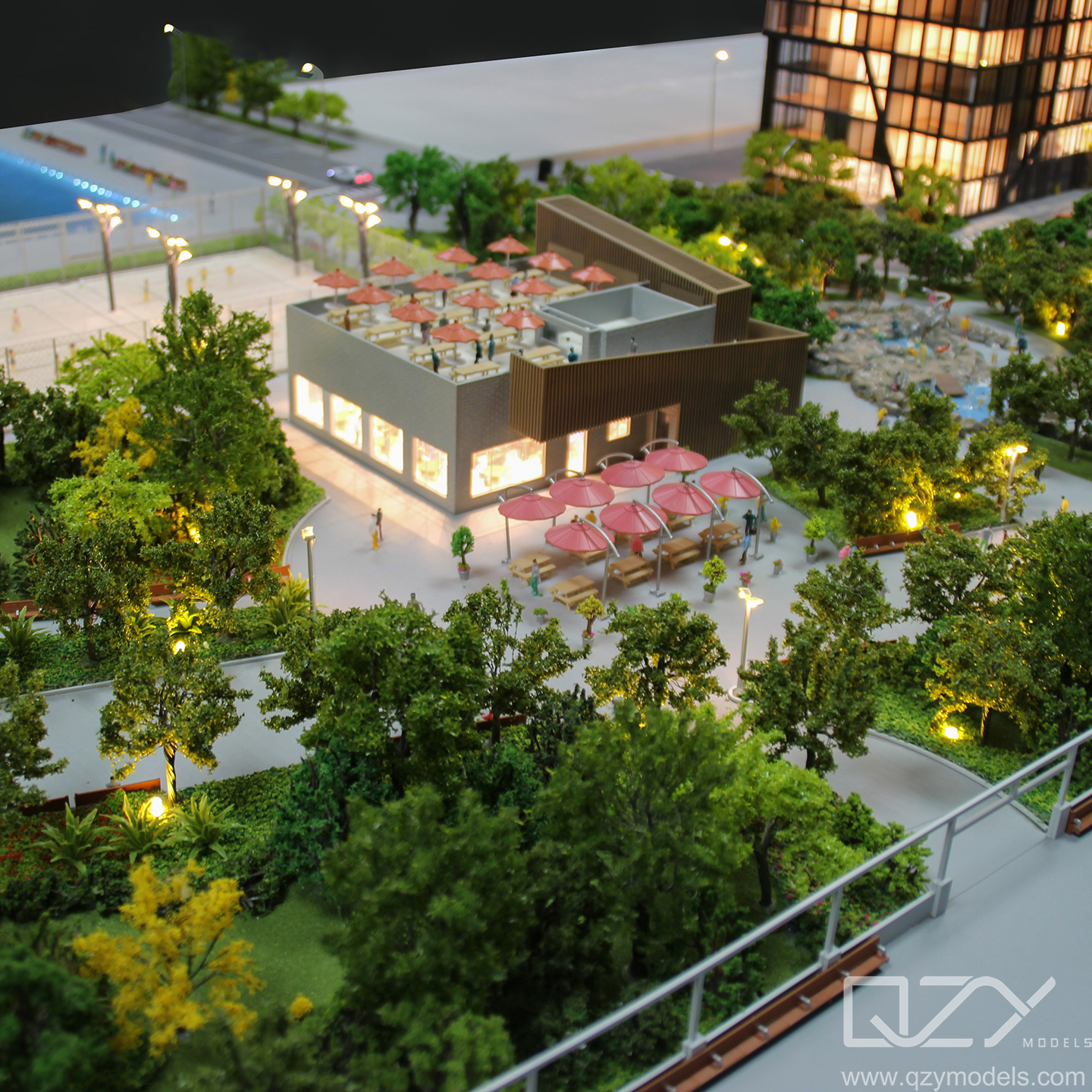
Smart city models from QZY Models deliver precision-engineered physical representations that bridge digital plans and real-world execution, enabling architects, developers, and planners to visualize complex urban projects with unmatched accuracy. These high-fidelity models accelerate decision-making, reduce costly revisions, and showcase sustainable designs to stakeholders effectively.
What Challenges Does the Smart City Industry Face Today?
The global smart city market reached USD 699.7 billion in 2025 and is projected to grow to USD 1,445.6 billion by 2030 at a 15.6% CAGR, driven by urbanization pressures.
Over 55% of the world’s population now lives in cities, expected to rise to 68% by 2050, straining infrastructure and resources.
Traffic congestion alone costs economies USD 1 trillion annually, while energy inefficiency in urban areas wastes 30-40% of consumption.
Why Do Current Industry Pain Points Persist?
Planners struggle with misaligned digital simulations and physical realities, leading to 20-30% project delays.
Stakeholder buy-in falters without tangible previews, as 2D renders fail to convey scale or interactivity.
Budget overruns hit 80% of large urban projects due to unforeseen integration issues in mixed-use developments.
Regulatory approvals slow when decision-makers cannot assess visual impacts, extending timelines by months.
What Limits Traditional Solutions in Smart City Modeling?
Traditional 2D drawings and basic 3D prints lack detail for smart city scale, often missing IoT sensor placements or green space flows.
Outsourced generic models from low-cost providers deliver inaccuracies, with tolerances exceeding 2mm, causing redesigns.
In-house prototyping ties up teams, costing 15-20% more in labor without specialized tools for LED integrations or modular builds.
How Does QZY Models Provide a Superior Solution?
QZY Models, founded in 2013 in Shenzhen, China, specializes in architectural models tailored for smart city projects, leveraging over 20 years of expertise.
Core capabilities include 1:500 scale urban replicas with embedded LEDs for traffic simulation, interactive AR overlays, and sustainable materials mimicking solar panels.
Models support modular assembly for scenario testing, like retrofitting districts, with precision laser-cutting to 0.1mm accuracy.
QZY Models has delivered thousands of projects for clients in 20+ countries, including Foster + Partners.
What Advantages Does QZY Models Offer Over Traditional Methods?
| Feature | Traditional Methods | QZY Models Solution |
|---|---|---|
| Accuracy | 1-2mm tolerance, manual adjustments | 0.1mm laser precision, CNC machining |
| Lead Time | 8-12 weeks | 4-6 weeks, modular components |
| Cost per Sq Km Model | USD 15,000-25,000 | USD 10,000-18,000, scalable |
| Interactivity | Static displays | LED/AR for traffic, energy flows |
| Customization | Limited to basic structures | IoT-ready, sustainable materials |
| Durability | Fragile foams, short lifespan | Reinforced composites, 5+ years use |
How Can You Implement QZY Models in Your Workflow?
-
Step 1: Project Brief – Submit CAD files, scale (e.g., 1:1000), and specs like LED zones via QZY’s online portal.
-
Step 2: Design Review – Receive 3D render preview within 48 hours; iterate twice at no extra cost.
-
Step 3: Prototype Build – Produce core modules in 2 weeks; test onsite for fit.
-
Step 4: Full Assembly – Integrate electronics and ship with AR app; includes 1-year warranty.
-
Step 5: Post-Delivery Support – Access updates for project changes, like adding EV stations.
Who Benefits Most from QZY Models in Real Scenarios?
Scenario 1: Real Estate Developer Facing Sales Hurdles
Problem: Vanke struggled to sell smart district phases without visualizing green corridors.
Traditional: Static renders led to 25% buyer hesitation.
QZY Effect: 1:500 model with flowing lights showed pedestrian paths.
Key Benefit: Sales rose 40%, closing USD 50M faster.
Scenario 2: Urban Planner Tackling Traffic Overload
Problem: Riyadh municipality needed to demo congestion fixes.
Traditional: Simulations confused council, delaying approval.
QZY Effect: Interactive model simulated signal changes.
Key Benefit: Approval in 3 months vs. 9, saving USD 2M in studies.
Scenario 3: Architect Designing Sustainable Towers
Problem: Foster + Partners required precise solar panel mockups.
Traditional: Scaled prints distorted angles.
QZY Effect: Model with real photovoltaic mimics validated 15% efficiency gain.
Key Benefit: Client sign-off accelerated by 6 weeks.
Scenario 4: Government Institution Planning Exhibitions
Problem: Dubai Expo team needed engaging displays.
Traditional: Off-shelf models lacked Middle East context.
QZY Effect: Custom 1:200 with UAE branches’ input highlighted smart grids.
Key Benefit: 200K visitors engaged, boosting funding by 30%.
Why Act Now on Smart City Models?
AI-driven urban twins and 6G rollout by 2027 demand physical validation to avoid digital pitfalls.
QZY Models positions projects ahead, as 70% of 2026 smart initiatives prioritize tangible prototypes.
Investing today cuts risks in a market doubling every five years.
Frequently Asked Questions
What scales does QZY Models support for smart cities?
QZY Models handles 1:500 to 1:5000, ideal for districts or full metros.
How long does a typical smart city model take?
4-6 weeks from brief to delivery, with rush options under 3 weeks.
Can QZY Models integrate digital elements?
Yes, including AR apps, LEDs for data flows, and sensor mockups.
Who are typical clients for QZY Models?
Architects, developers, governments, and exhibition organizers worldwide.
Does QZY Models ship internationally?
Yes, to 20+ countries with branches in UAE, Saudi Arabia, and Egypt.
What materials ensure model durability?
Acrylics, composites, and metals rated for exhibition and office use.
Sources
-
https://www.startus-insights.com/innovators-guide/emerging-smart-city-trends/
-
https://www.ubesg.com/post/smart-city-innovation-for-urban-living-and-business
-
https://www.shapingtomorrow.com/home/alert/4165100-Smart-City-Futures
-
https://www.un.org/development/desa/pd/sites/www.un.org.development.desa.pd/files/wup2018_report.pdf
-
https://www.itf-oecd.org/sites/default/files/docs/traffic-congestion-costs.pdf