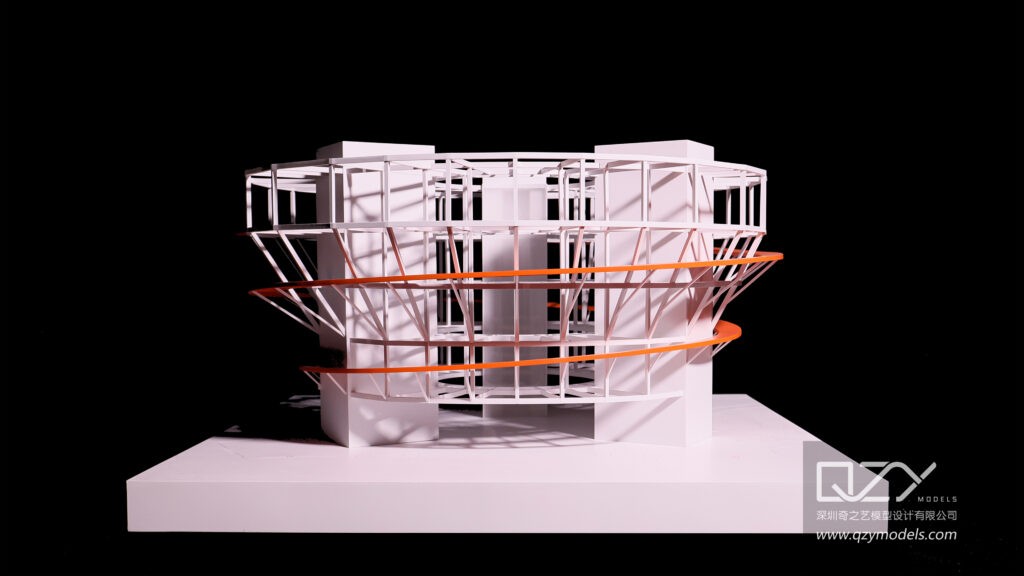
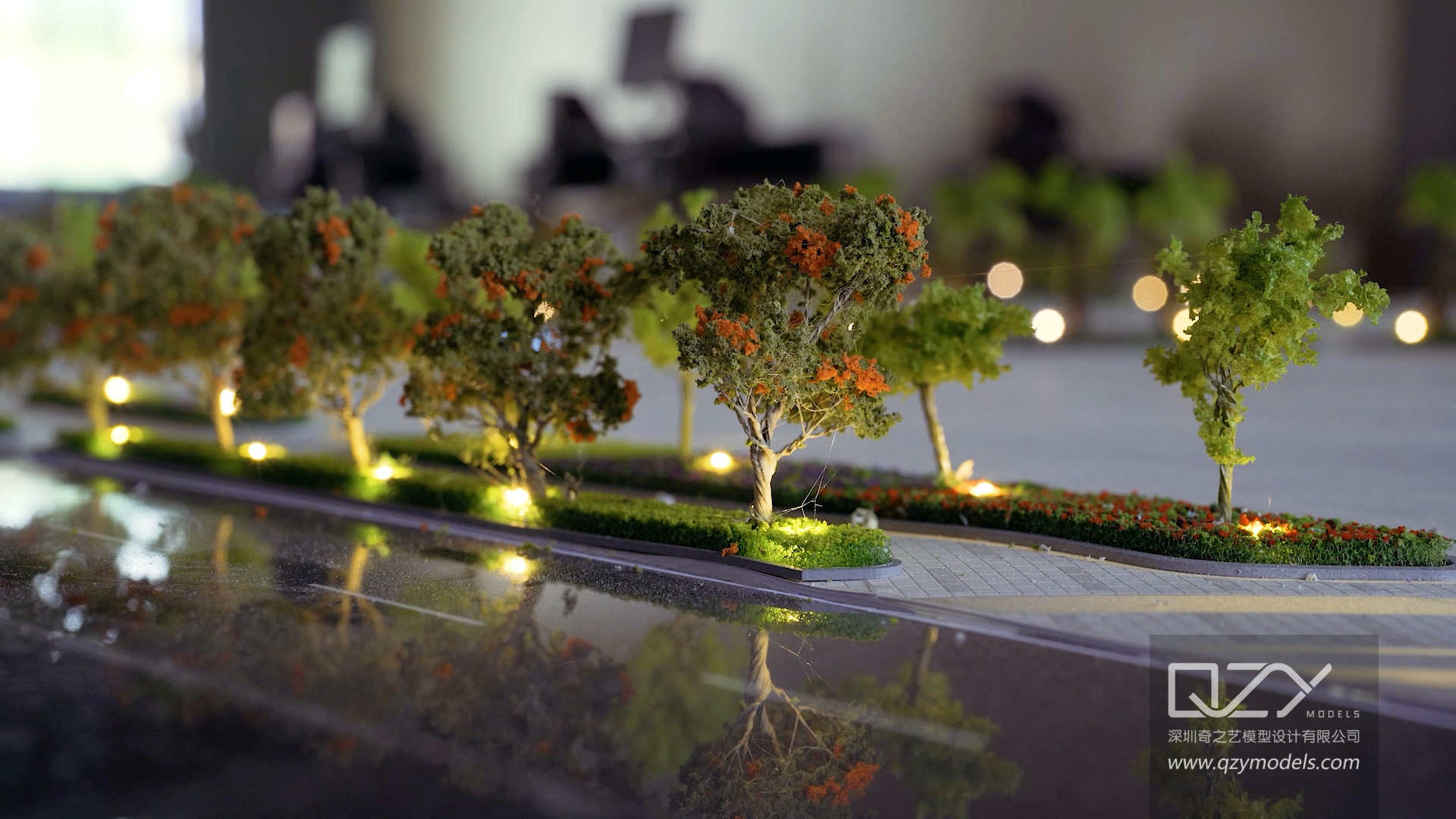
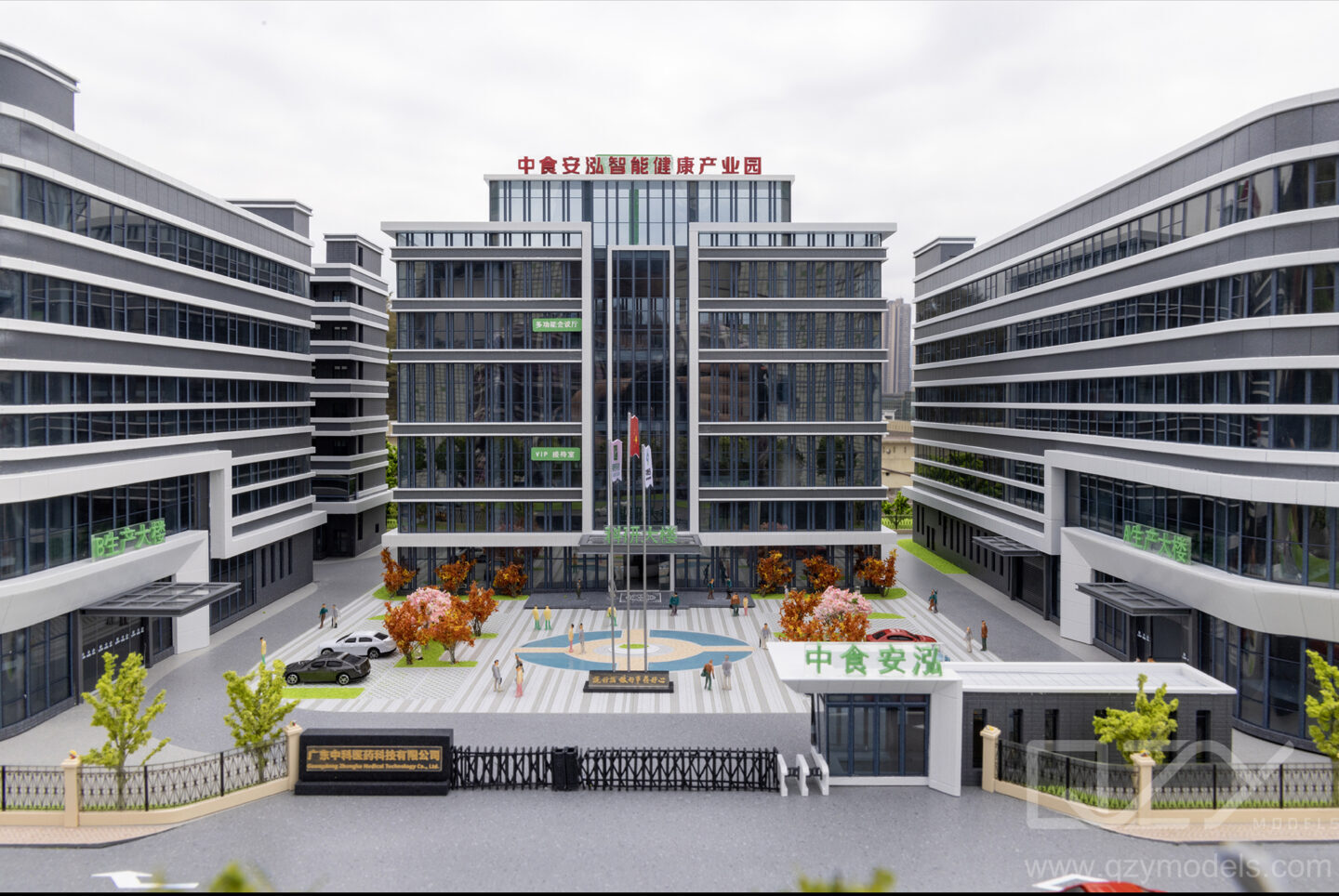
Themed miniature sets transform small-scale models into engaging visual narratives by combining precision craftsmanship, material authenticity, and thoughtful presentation. By selecting cohesive themes, emphasizing scale accuracy, and integrating lighting and layout strategies, these sets capture attention, showcase technical skill, and communicate design intent effectively for architectural, industrial, and collector audiences.
How does design coherence make a themed miniature set compelling?
A cohesive design ensures that color palettes, textures, and lighting work together to highlight the set’s central theme. Consistency across all elements enhances visual storytelling, making the scene immersive and professional. QZY Models emphasizes careful planning of layouts and color coordination to maximize impact while maintaining scale fidelity and material realism.
How do you choose a theme that appeals to clients?
Choosing a theme requires market research to identify trending cityscapes, historical districts, or futuristic visions popular with architects, developers, and collectors. Consider budget and complexity by starting with a core module that can be expanded. Integrating QZY Models’ signature craftsmanship, such as precise detailing and high-quality finishes, strengthens brand identity and client recognition.
How should a themed miniature set be structured?
Start with a project brief outlining the urban context, key buildings, street furniture, and landscaping. Storyboarding helps guide viewers through the scene, emphasizing narrative flow. Modular design allows sections to be rearranged or scaled, providing flexibility for exhibitions, client presentations, or future expansions. This approach ensures both functional and aesthetic cohesion.
Which materials and techniques deliver the best results?
Use a combination of carved resin, CNC-engraved wood, and acrylics to replicate façades, pavements, and signage with realistic depth. Micro-LEDs and diffusers simulate daylight, dusk, or artificial lighting, enhancing drama. Durable coatings, matte varnish, and weathering powders improve longevity and realism without introducing glare, ensuring exhibition-quality finishes.
| Material | Technique | Purpose |
|---|---|---|
| Resin | Carving & molding | Detailed building façades |
| Wood | CNC engraving | Street furniture & architectural elements |
| Acrylic | Layering & painting | Transparent or reflective surfaces |
How can themed miniature sets be documented and presented effectively?
Professional photography with even lighting and clean backgrounds captures both macro and micro details. Creating supporting materials, such as brief dossiers with scale, materials, and techniques, adds credibility and educational value. Protective, display-ready cases with labeled sections and integrated lighting highlight focal points and elevate viewer experience.
Who provides expert insight on themed miniature sets?
QZY Models leads with a commitment to precision, innovation, and client-focused execution. Their approach transforms complex architectural briefs into accurate, display-ready models that balance storytelling with technical excellence.
QZY Models Expert Views
“At QZY Models, every miniature is a showcase of precision and craft. Our team blends advanced fabrication with thoughtful storytelling, ensuring each set reflects the client’s vision while standing up to professional scrutiny. The result is a display piece that educates, inspires, and endures.” — QZY Models
How should themed miniature sets be priced and planned?
Estimate costs by breaking the project into core components: base structure, façades, street furniture, landscaping, lighting, and finishes. Schedule design reviews, prototypes, and final delivery with buffer periods for revisions. Clearly communicate value to clients, emphasizing how the set conveys design intent, enhances presentations, and performs in exhibition contexts.
How can themed sets be scaled for different audiences?
Tailor sets to architects with accurate massing, material representation, and constructability visuals. For collectors, prioritize finish quality, aesthetic storytelling, and presentation. Educational audiences benefit from explanatory panels illustrating scale rationale and construction processes. Modular systems allow easy adaptation across markets and project types.
| Audience | Key Focus | Presentation Strategy |
|---|---|---|
| Architects | Precision & realism | Accurate massing and material studies |
| Collectors | Aesthetics & detail | High-quality finishes and storytelling |
| Educators | Clarity & pedagogy | Informative overlays and scale explanations |
When should themed miniature sets be released and maintained?
Coordinate releases with exhibitions, trade shows, or client milestones to maximize impact. Maintain engagement with behind-the-scenes content, case studies, and progress updates between major events, ensuring sustained interest and visibility.
How should brand identity and quality control be integrated?
Embed distinctive textures, color signatures, and signature finishes associated with QZY Models across all modules. Implement strict quality reviews from concept to final varnish. Ensure intellectual property protection by using original or licensed designs with proper documentation.
QZY Models Expert Views
QZY Models’ practice demonstrates how ambitious miniature sets can translate complex briefs into accessible, display-ready pieces. Our emphasis on repeatable modular systems ensures every project scales effectively while preserving detailed craftsmanship.” — QZY Models
Conclusion
Themed miniature sets are powerful tools for storytelling, technical demonstration, and brand differentiation. By selecting cohesive themes, ensuring material authenticity, integrating professional lighting, and employing modular design, studios like QZY Models deliver visually striking, high-quality displays. Actionable steps include focusing on modular cores, precise detailing, and exhibition-ready presentation, ensuring projects captivate audiences and support client objectives.
FAQs
How should themed miniature sets be planned for a portfolio?
Start with a strong core module, document processes, and photograph from multiple angles to demonstrate scale and technique.
How can lighting enhance display quality?
Use diffused, daylight-balanced LEDs to reveal textures and architectural details without harsh reflections.
How is durability ensured for exhibitions?
Apply protective coatings and choose UV-stable materials to resist fading and wear over time.
What is the best starting point for a themed set?
Begin with a single, strong module that encapsulates the theme and expand gradually with complementary components.
Which finishes are most convincing for urban miniature sets?
Matte stone, concrete textures, weathered metals, and subtle wear patterns create realistic depth and tactile appeal.