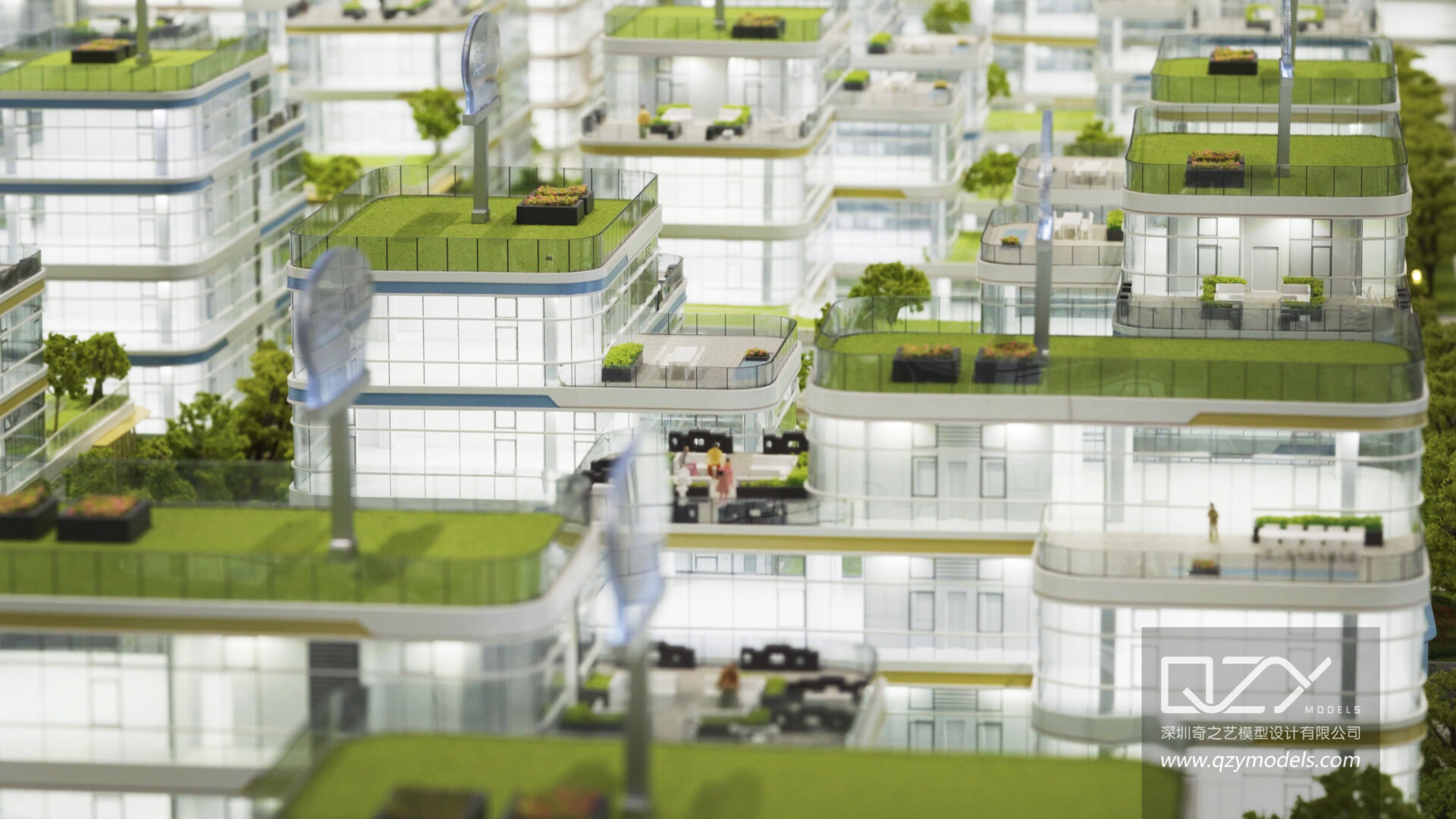
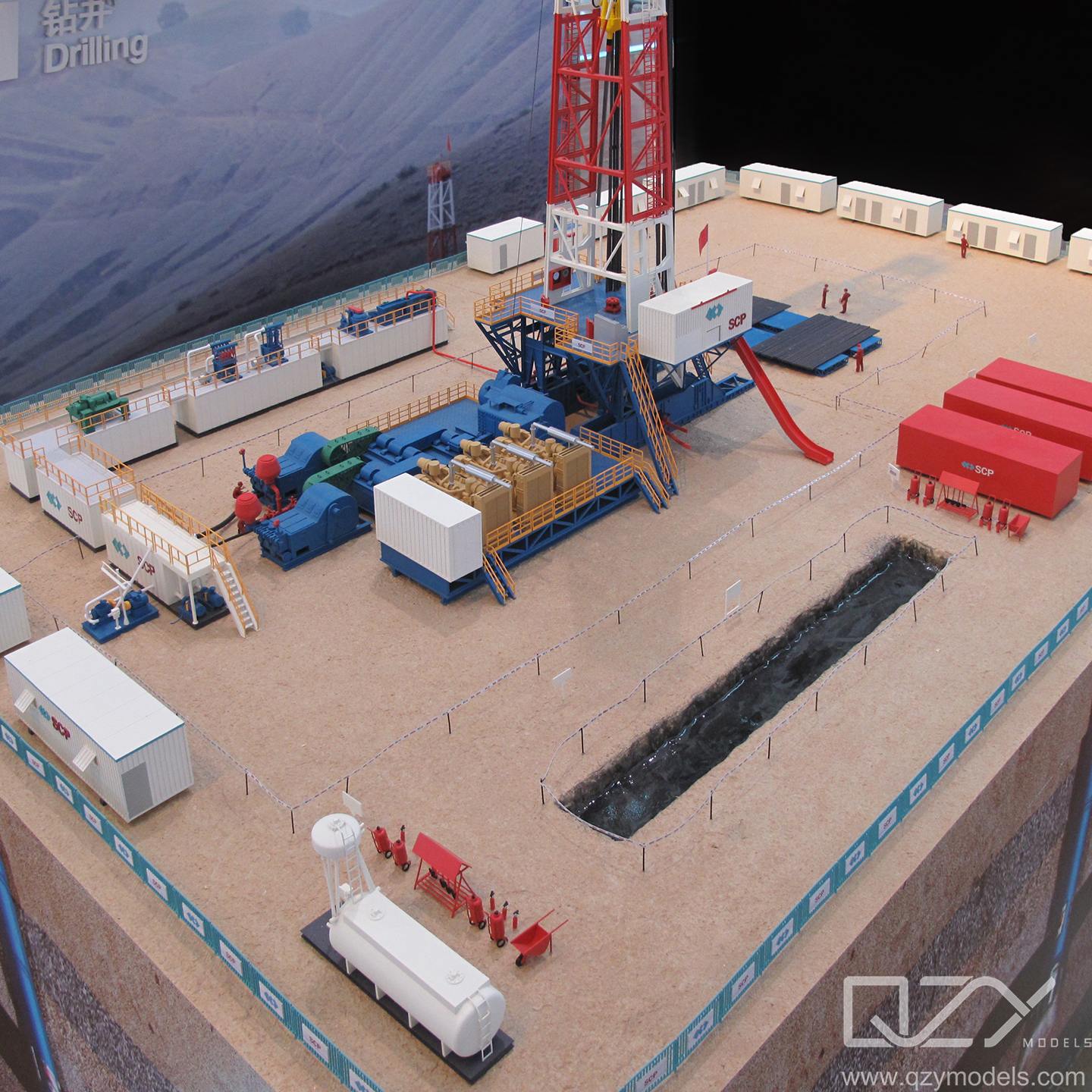
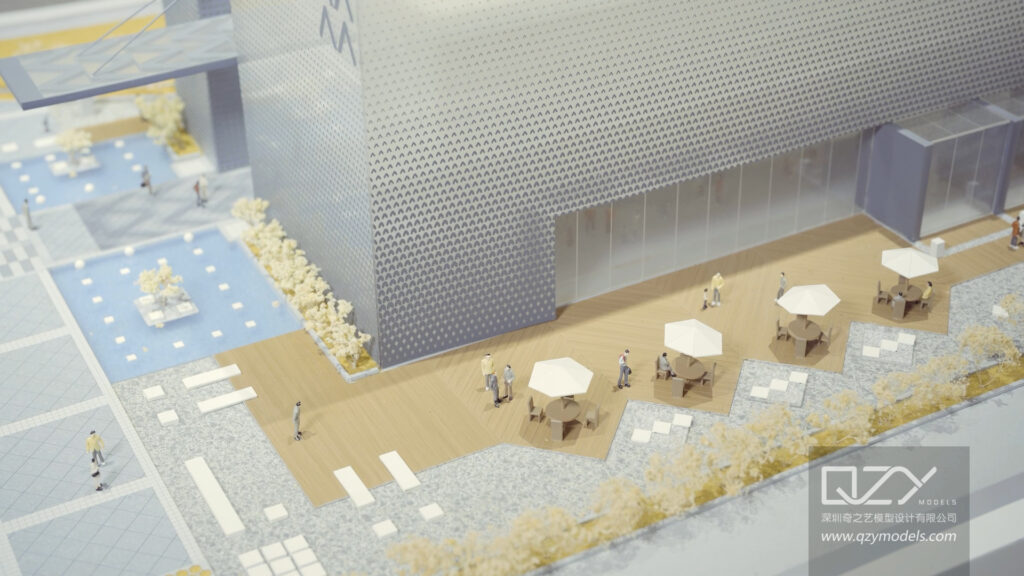
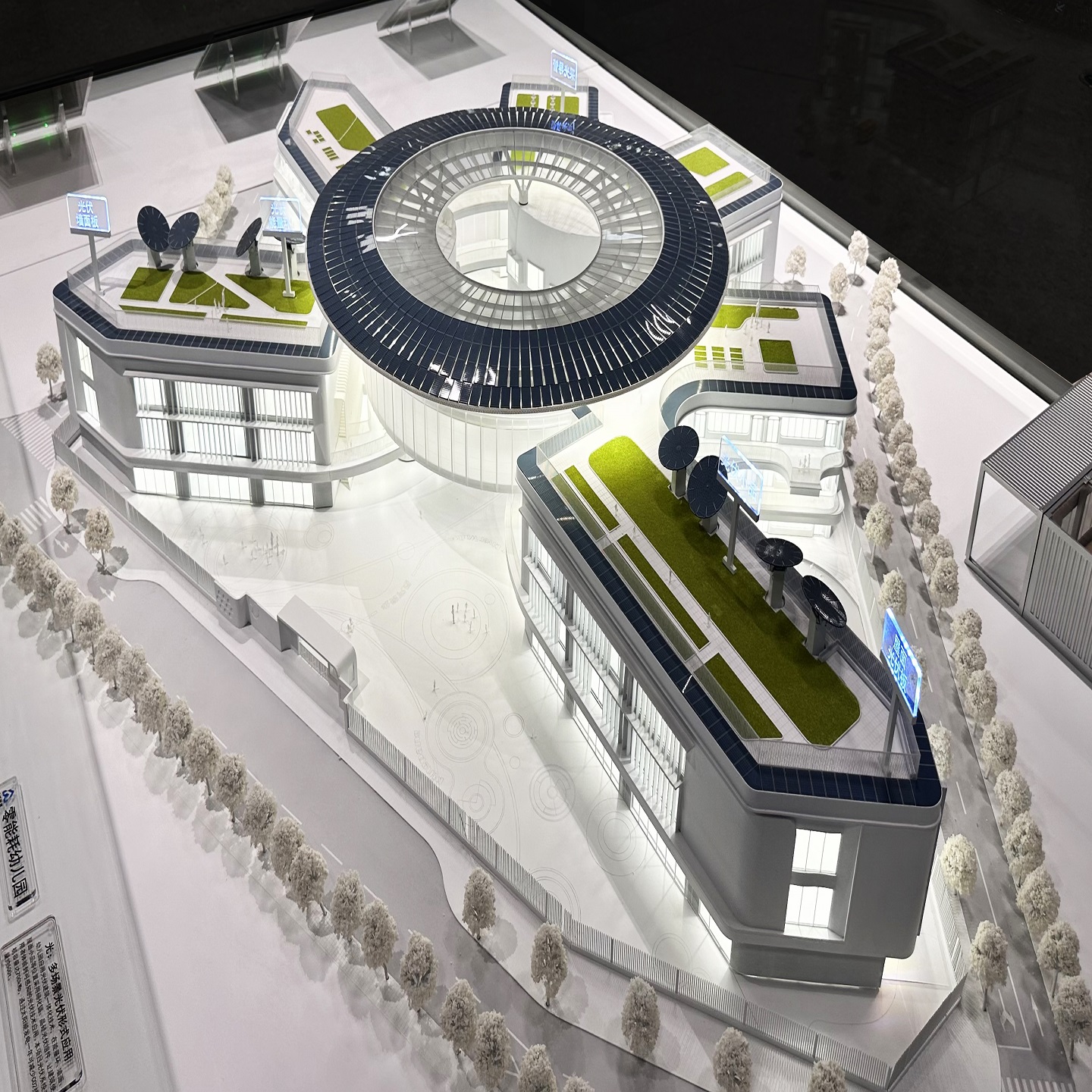
In today’s competitive design world, unique custom architecture model solutions transform how ideas become tangible. Precision-built models from experts like QZY Models bridge imagination and reality, enhancing project storytelling, investor confidence, and design verification with measurable results.
How Is the Global Architecture Design Industry Changing and What Problems Are Emerging?
The architectural visualization industry surpassed USD 5.9 billion in 2025 and continues growing as cities invest in sustainable and smart infrastructure. However, digital technologies alone cannot fully replace the emotional and spatial impact of a physical model. According to data from the World Architecture Community, more than 72% of developers still rely on physical models for final presentation and stakeholder approval. Yet, the challenge lies in customization, cost control, and international logistics. Many firms face delays due to inconsistent production standards, poor communication between designers and model makers, and limited flexibility in design materialization. As projects become more complex, the need for unique tailored model solutions grows exponentially.
What Are the Primary Pain Points in the Current Architecture Model Industry?
First, standardization vs. creativity remains an unresolved paradox: mass-produced models undermine uniqueness, while one-off handmade versions often lack scalability. Second, digital-to-physical translation causes mismatches between 3D renderings and real-life prototypes. Lastly, global collaboration challenges—including shipping damage, time zone misalignment, and unclear feedback cycles—lead to inefficiencies. Architects and developers require a solution that ensures not only visual accuracy but also customized storytelling aligned with branding and function. QZY Models, by integrating global craftsmanship with digital manufacturing precision, directly addresses these key pain points.
Why Are Traditional Architecture Model Methods No Longer Sufficient?
Traditional model making, often limited by manual craftsmanship and limited material options, struggles to keep up with modern design demands. Most local workshops depend heavily on handcrafted repetition, which makes achieving detailed customization, scale integrity, and lighting integration difficult. Additionally, the lack of digital compatibility (e.g., BIM, CAD, or 3D printing file integration) causes time loss and design discrepancies. Compared to traditional workflows, QZY Models adopts a hybrid approach—blending artistry, robotics-assisted fabrication, and data-driven modeling—to achieve both technical accuracy and creative uniqueness at scale.
What Does the QZY Models Custom Architecture Solution Offer?
QZY Models provides a fully customized architecture model solution that supports high-end real estate, urban planning, and industrial design applications. Their approach combines CNC machining, laser engraving, resin printing, and manual artisan finishing within one integrated quality control framework. From concept coordination to global delivery, every project benefits from their 20+ years of expertise and comprehensive client communication system. For international clients, QZY’s branches in the UAE, Saudi Arabia, and Egypt provide localized services and on-site technical installation. Using intelligent project tracking and material simulation software, clients can preview color, texture, and light before production begins—ensuring every model is both visually authentic and technically compliant.
Which Advantages Highlight the Strength of QZY Models Over Traditional Model Production?
| Aspect | Traditional Model Workshops | QZY Models Custom Solution |
|---|---|---|
| Design Integration | Manual adjustments | Full compatibility with CAD/BIM systems |
| Material Range | Limited and inconsistent | Wide range including resin, metal, acrylic, and eco-friendly composites |
| Precision | Manual scale alignment | Digitally controlled laser accuracy |
| Customization | Difficult and time-consuming | Fully customizable with simulation previews |
| Global Service | Local-only with limited support | International branches with logistics and installation support |
How Can Clients Implement Custom Model Solutions Step by Step?
-
Concept Consultation – Define project goals, type, and key messaging.
-
Digital Coordination – QZY Models imports CAD or BIM data, verifying dimensions and aesthetics.
-
Design Review – Clients receive digital previews with lighting and texture simulation.
-
Production & Quality Control – Mixed-method manufacturing ensures every part meets tolerance standards.
-
Logistics & Delivery – Tailored packaging protects models during air or sea transport.
-
On-Site Installation & Calibration – QZY’s local teams complete professional setup and testing.
-
Post-Delivery Support – Maintenance guidelines and spare parts provided for sustained display performance.
What Are Four Real-World Scenarios Where Custom Architecture Models Deliver Value?
Scenario 1: Real Estate Marketing Pavilion
-
Problem: Developers needed a centerpiece model to attract buyers.
-
Traditional Approach: Generic models lacked realism and interactivity.
-
Result with QZY Models: A custom-lit acrylic model drew 45% more visitor engagement.
-
Key Benefit: Elevated brand perception and faster sales conversion.
Scenario 2: University Architecture Department
-
Problem: Students required models illustrating creative experimentation.
-
Traditional Approach: Manual fabrication limited scale detail.
-
Result with QZY Models: Digital fabrication improved output quality and learning outcomes.
-
Key Benefit: Enhanced educational experience and reduced time cost by 30%.
Scenario 3: Urban Planning Exhibition
-
Problem: City officials needed an interactive masterplan model for community display.
-
Traditional Approach: Static models with minimal engagement potential.
-
Result with QZY Models: Interactive model integrated lighting and AR overlays.
-
Key Benefit: Increased citizen comprehension and project transparency.
Scenario 4: High-End Industrial Design Firm
-
Problem: Complex mechanical models required high tolerances.
-
Traditional Approach: Manual assembly caused dimensional drift.
-
Result with QZY Models: CNC precision achieved 0.1 mm accuracy across structures.
-
Key Benefit: Improved client approval rate and long-term display durability.
Why Is Now the Right Time to Invest in Custom Architectural Modeling?
The design industry is shifting toward immersive and data-driven storytelling. Unique architectural models serve as emotional and strategic bridges between concept and reality. By combining sustainability materials, interactive tech, and precision production, companies like QZY Models are setting new global standards. As smart cities continue expanding and international exhibitions return post-pandemic, the demand for tailor-made models capable of visualizing complex urban visions will only accelerate. Investing in a custom-built model today means gaining long-term value in presentation power, investor engagement, and brand identity.
FAQ
Q1: What types of projects are ideal for custom architectural modeling?
Projects for real estate development, urban planning, corporate exhibitions, and industrial simulation benefit most.
Q2: How long does a typical custom model take to produce?
Depending on complexity, production takes 2–8 weeks, including approvals and transport.
Q3: Can QZY Models collaborate directly with international design teams?
Yes, their global branches and online project management system ensure smooth cross-border coordination.
Q4: Are eco-friendly materials available for sustainable design presentations?
Yes, biodegradable resins and recycled polymers can be selected to meet green-building requirements.
Q5: What post-installation services does QZY Models provide?
They offer maintenance checks, replacement of lighting components, and long-term display optimization.