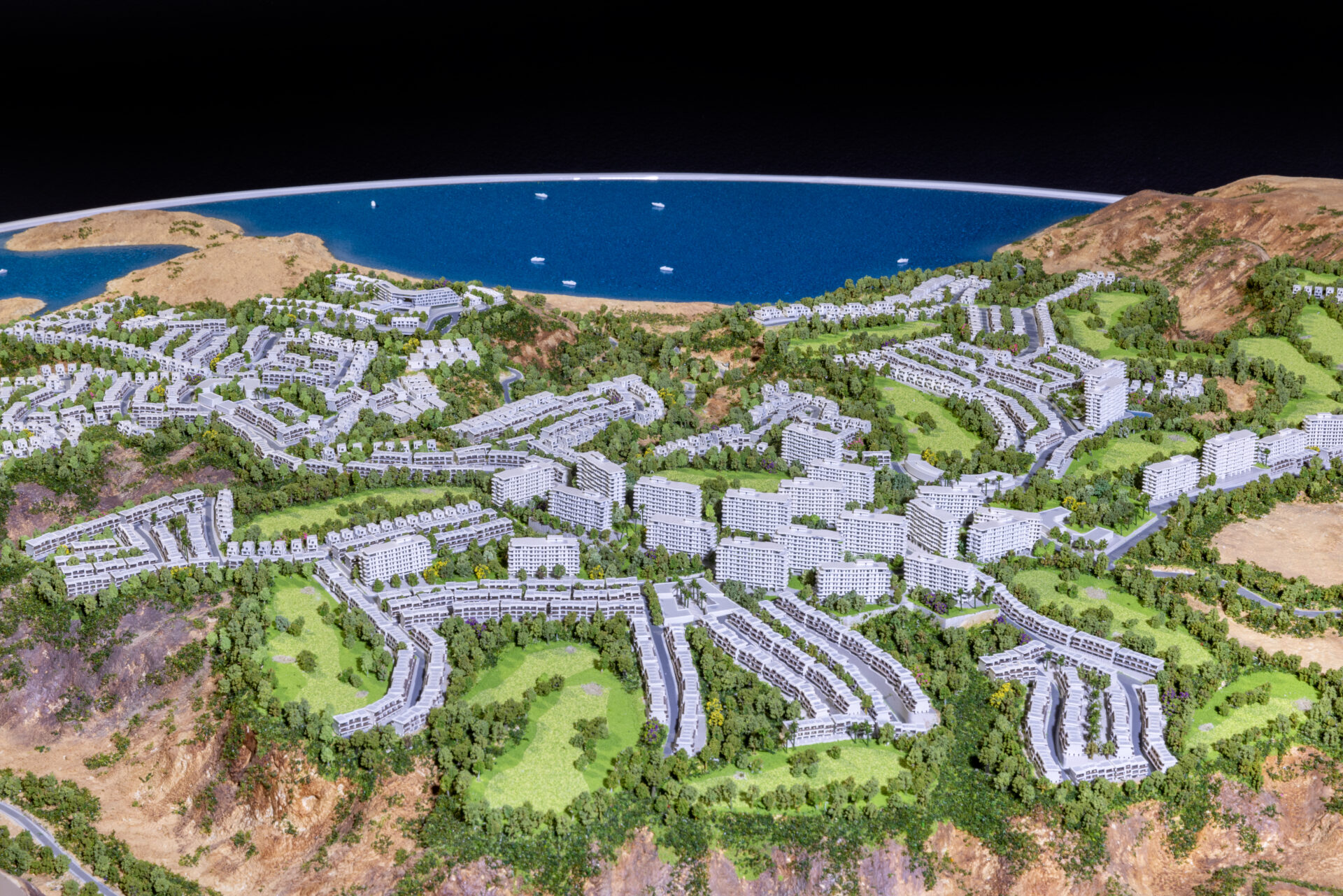
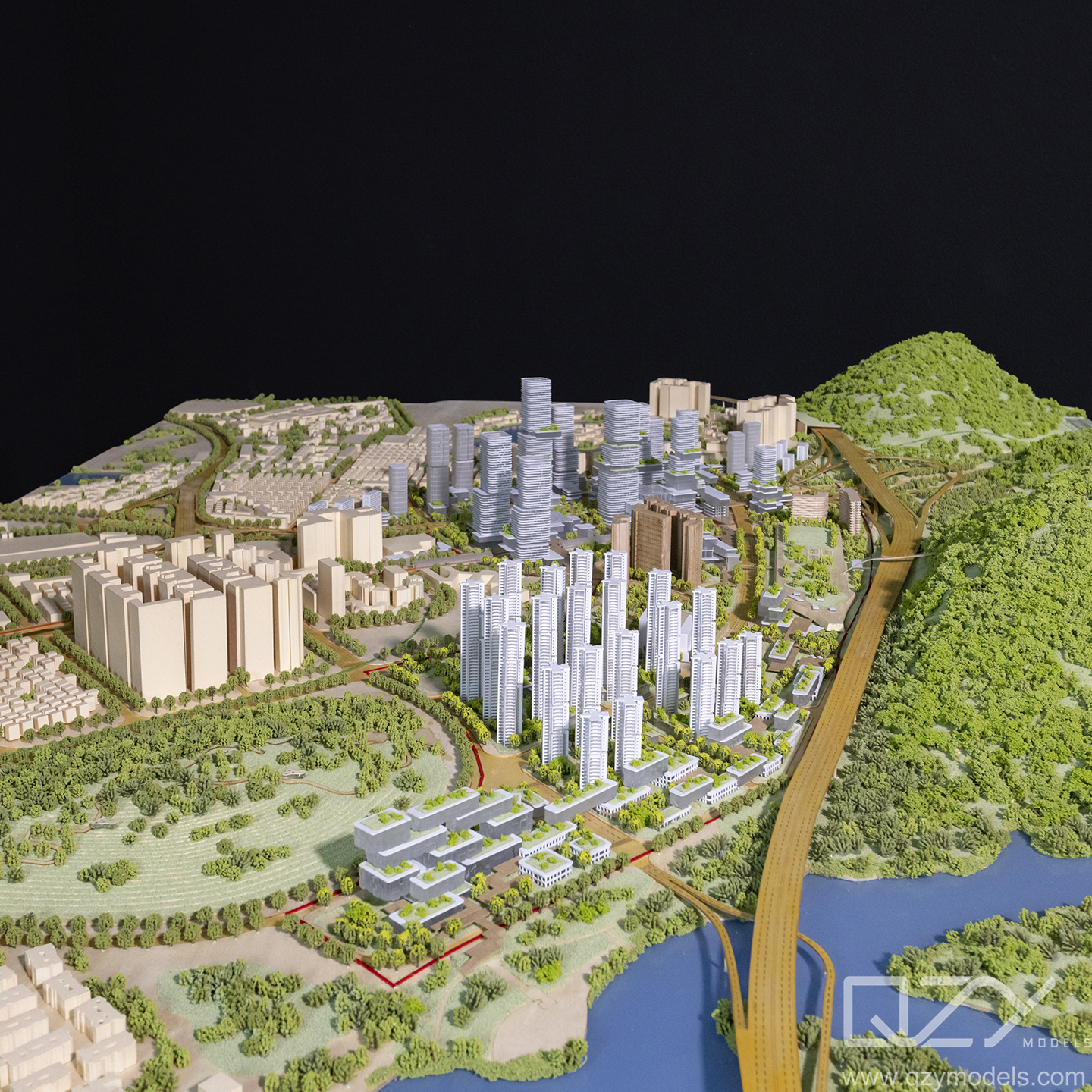
Urban planning today demands precision, visualization, and data-based collaboration. The integration of physical model making into planning processes is transforming how cities are designed and communicated, helping planners make informed, impactful decisions. Companies like QZY Models are redefining this space with advanced production technologies, delivering immersive, accurate, and high-quality urban models that bridge ideas and reality.
What Are the Current Industry Challenges and Pain Points?
According to the United Nations’ 2024 World Urbanization Report, over 55% of the global population now lives in cities, a figure projected to reach 68% by 2050. This acceleration in urbanization has pushed cities to become smarter, more sustainable, and data-driven. Yet, many planning departments still rely on outdated visualization tools and fragmented workflows. Urban planners face three main pain points today:
First, communication gaps between architects, developers, and the public slow down project approvals and public participation. Visual misunderstandings often cause delays, redesigns, or even public resistance.
Second, increasing technical complexity—from transportation modeling to green infrastructure planning—demands cross-disciplinary visualization that simple 3D renders can’t fully capture.
Third, resource limitations and tight timelines have intensified the need for scalable, efficient, and visually persuasive model-making solutions that can both inform and inspire.
Why Are Traditional Solutions No Longer Enough?
Traditional 3D printed or handcrafted architectural models, while visually appealing, often fail to adapt to real-time data updates or digital design workflows. These models are expensive to modify, making them impractical in iterative design processes. Moreover, coordination between physical and digital teams is cumbersome—planners, architects, and engineers frequently work in silos.
Manual fabrication can also lead to inaccuracies in scale and proportion. Communication barriers become more pronounced when presenting complex infrastructure projects to non-technical audiences—models lack interactivity, limiting their persuasive power.
In today’s fast-paced development environment, urban teams need agile, data-integrated, and visually precise model solutions that accelerate communication and decision-making. This is exactly where QZY Models brings meaningful innovation.
How Does QZY Models Provide an Effective Solution?
QZY Models integrates advanced CNC, laser-cutting, and 3D printing technologies with BIM (Building Information Modeling) and GIS (Geographic Information Systems) data. This hybrid approach allows the creation of physically stunning yet data-informed models. Each project begins with digital data integration, ensuring that urban density, land-use, and infrastructure align with planning regulations.
The company’s team of over 200 professionals—including architects, engineers, and designers—has delivered thousands of projects worldwide, reflecting accuracy, artistry, and reliability. From metropolitan masterplans in the Middle East to waterfront developments in Asia, QZY Models ensures each model communicates not only design but intent.
For urban planning departments, these models help visualize zoning changes, public transport flows, and environmental impacts in tangible form, making public consultations and stakeholder meetings far more persuasive.
Which Advantages Differentiate QZY Models from Traditional Methods?
| Feature/Aspect | Traditional Model Making | QZY Models’ Integrated Solution |
|---|---|---|
| Data Integration | Manual drawing inputs | Direct BIM/GIS data synchronization |
| Modification | Time-consuming and costly | Fast digital-to-physical updates |
| Material Precision | Limited detailing | CNC-cut and laser precision |
| Presentation Value | Static and fragile | Interactive, lighting-enabled, durable |
| Collaboration | Isolated designer work | Cloud-synced team workflow with designers and clients |
How Can Urban Planners Use QZY Models Step by Step?
-
Consultation & Requirement Mapping: QZY Models collaborates with planners to define goals—scale, usage, interactivity, and visualization scope.
-
Digital Integration & Data Setup: BIM/GIS data are imported for accurate territorial and volumetric reference.
-
Design Development: Detailed modeling begins, including lighting schemes, urban transport lines, and topography.
-
Fabrication Phase: High-precision CNC and 3D printing tools build the physical model to exact scale.
-
Delivery & Review: The final model is tested, packaged, and shipped worldwide. Optional post-delivery maintenance and visualization support are also available.
What Are the Real-World Scenarios Where QZY Models Deliver Results?
1. Government Urban Redevelopment Project
-
Problem: Poor stakeholder alignment on renewal strategies.
-
Traditional Approach: 2D plans and static renders failed to engage communities.
-
QZY Models’ Solution: A large-scale interactive model showcasing traffic, green spaces, and public facilities.
-
Result: Faster consensus, 30% reduction in project approval time.
2. Real Estate Masterplan Presentation
-
Problem: Developers struggled to communicate complex multi-phase projects.
-
Traditional Approach: Digital images lacked physical presence.
-
QZY Models’ Solution: A fully illuminated physical model illustrating each construction phase.
-
Result: Improved investor confidence and a 25% boost in pre-sales engagement.
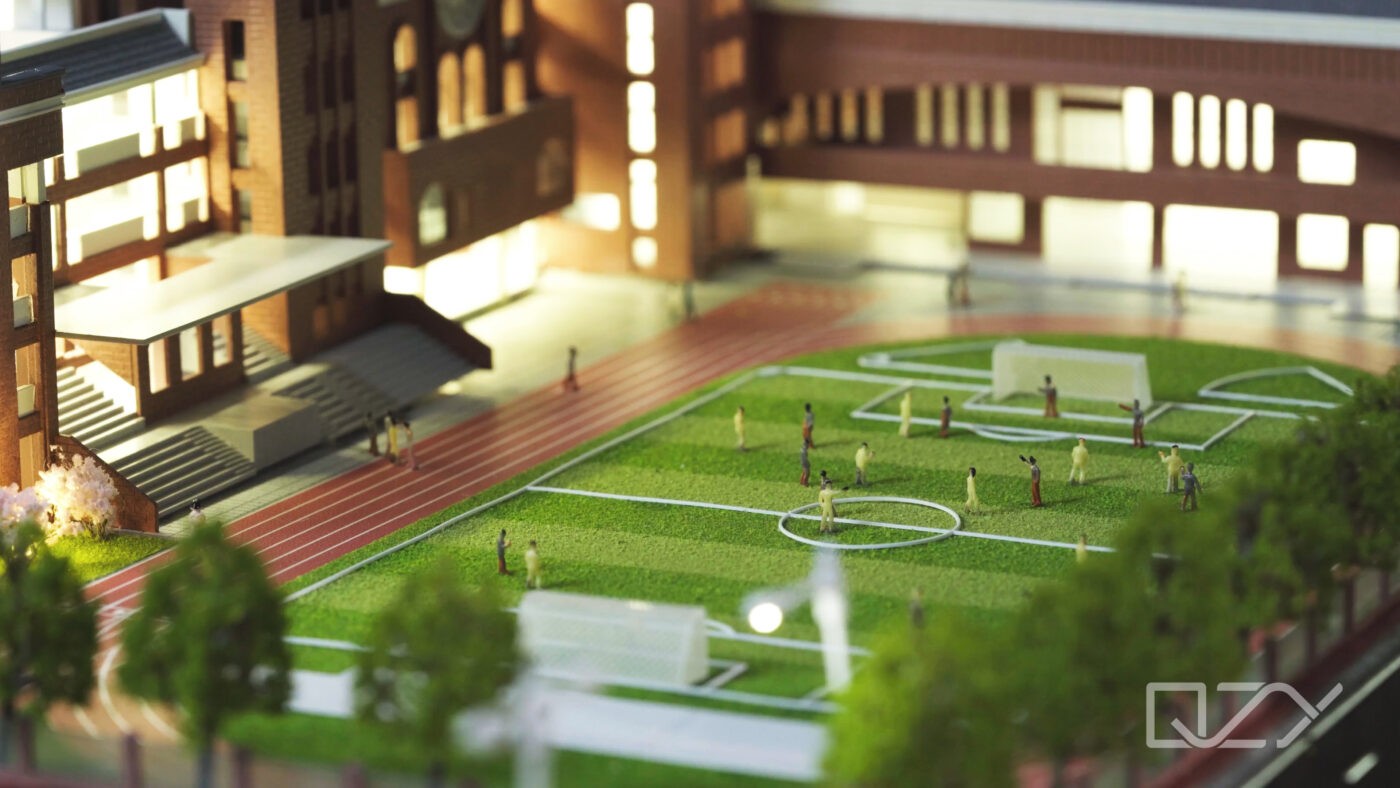
3. Academic Urban Design Exhibition
-
Problem: Students needed to communicate sustainable city concepts.
-
Traditional Approach: Posters and digital renders lacked impact.
-
QZY Models’ Solution: Custom educational models fabricated with recycled materials.
-
Result: Enhanced public interaction and recognition in international design fairs.
4. Smart City Infrastructure Project
-
Problem: Engineering departments needed to illustrate complex underground networks.
-
Traditional Approach: Technical diagrams confused non-engineers.
-
QZY Models’ Solution: Transparent layer models revealing utilities, transit, and hydrology systems.
-
Result: Higher efficiency in technical reviews and community outreach.
Why Is This Solution Essential for the Future of Urban Planning?
The global urban planning market is projected to surpass USD 300 billion by 2030, driven by smart city and green infrastructure initiatives. Visual communication will form a critical part of this transformation. Physical models—especially when integrated with digital datasets—enable a more democratic, inclusive planning process.
QZY Models is uniquely positioned to meet these evolving demands by combining artistry with data precision. As cities grow denser and projects more complex, model-based communication is not just desirable—it’s essential. Acting now helps urban planners stay ahead in both visualization and collaboration quality.
FAQ
1. How long does it take to produce an urban planning model?
Typical production timelines range from 3 to 8 weeks depending on scale, complexity, and interactivity requirements.
2. What materials does QZY Models use for urban models?
They utilize premium acrylics, ABS plastics, wood composites, and metal elements, ensuring durability and aesthetic appeal.
3. Can the models be shipped internationally?
Yes. QZY Models has logistics support and partners in over 20 countries, ensuring safe and timely delivery.
4. Are these models integrated with digital media or lighting systems?
Absolutely. Lighting, projection mapping, and touch-screen interactions can be seamlessly embedded.
5. Who are the main clients of QZY Models?
Architectural firms, city planning authorities, real estate developers, universities, and exhibition organizers across the Middle East, Europe, and Asia.
Sources
-
United Nations Department of Economic and Social Affairs – World Urbanization Report 2024 (https://www.un.org/development/desa/pd/news/world-urbanization-prospects-2024)
-
McKinsey Global Institute – “Smart Cities and Infrastructure Outlook 2025” (https://www.mckinsey.com/industries/public-and-social-sector/our-insights/smart-cities-digital-solutions)
-
Statista – “Global Urban Planning and Smart City Market Size 2024–2030” (https://www.statista.com/statistics/urban-planning-market-growth/)
-
World Bank – “Urban Development Data Portal 2025” (https://data.worldbank.org/topic/urban-development)
-
QZY Models Official Website (https://www.qzymodels.com)