Global cities face a pressing challenge: balancing rapid urbanization with sustainable planning. Innovative model-making solutions such as those offered by QZY Models empower developers and city planners to visualize, test, and communicate large-scale redevelopment projects with unmatched precision.
What Is the Current State of Urban Redevelopment and Its Pain Points?
According to the United Nations, 56% of the world’s population now lives in urban areas, a figure projected to reach 68% by 2050. Major cities like New York, London, and Shenzhen are under immense pressure to revitalize outdated infrastructures, address housing shortages, and enhance environmental sustainability. However, most redevelopment projects struggle with limited visualization tools, communication gaps between stakeholders, and delayed decision-making.
Another significant issue lies in public engagement. Research by McKinsey & Company indicates that 70% of urban projects face delays or community resistance due to insufficient outreach and poor visualization of planning outcomes. Without tangible, detailed models, it becomes difficult to convey the human-scale impact of redevelopment efforts.
Finally, cost overruns continue to plague redevelopment endeavors. A World Bank report revealed that 9 out of 10 major urban infrastructure projects exceed budget estimates. Inaccurate modeling in early planning often leads to costly redesigns and misaligned stakeholder expectations—highlighting the need for precise and interactive visualization technologies.
Why Do Traditional Solutions Fall Short in Modern Redevelopment?
Traditional 2D mapping, CAD renders, and digital-only simulations fail to offer the immersive clarity required for urban transformation projects. While digital models allow flexibility, they lack the tangible spatial realism that decision-makers and citizens need.
Physical models, when poorly executed, can also fail to capture the dynamism of modern cities. Outdated production techniques lead to inaccuracies, material inefficiencies, and fragile results that do not withstand transport or presentation use. Moreover, many conventional providers lack global scalability or the customization experience to adapt to varying project needs.
How Does QZY Models Redefine Urban Redevelopment Visualization?
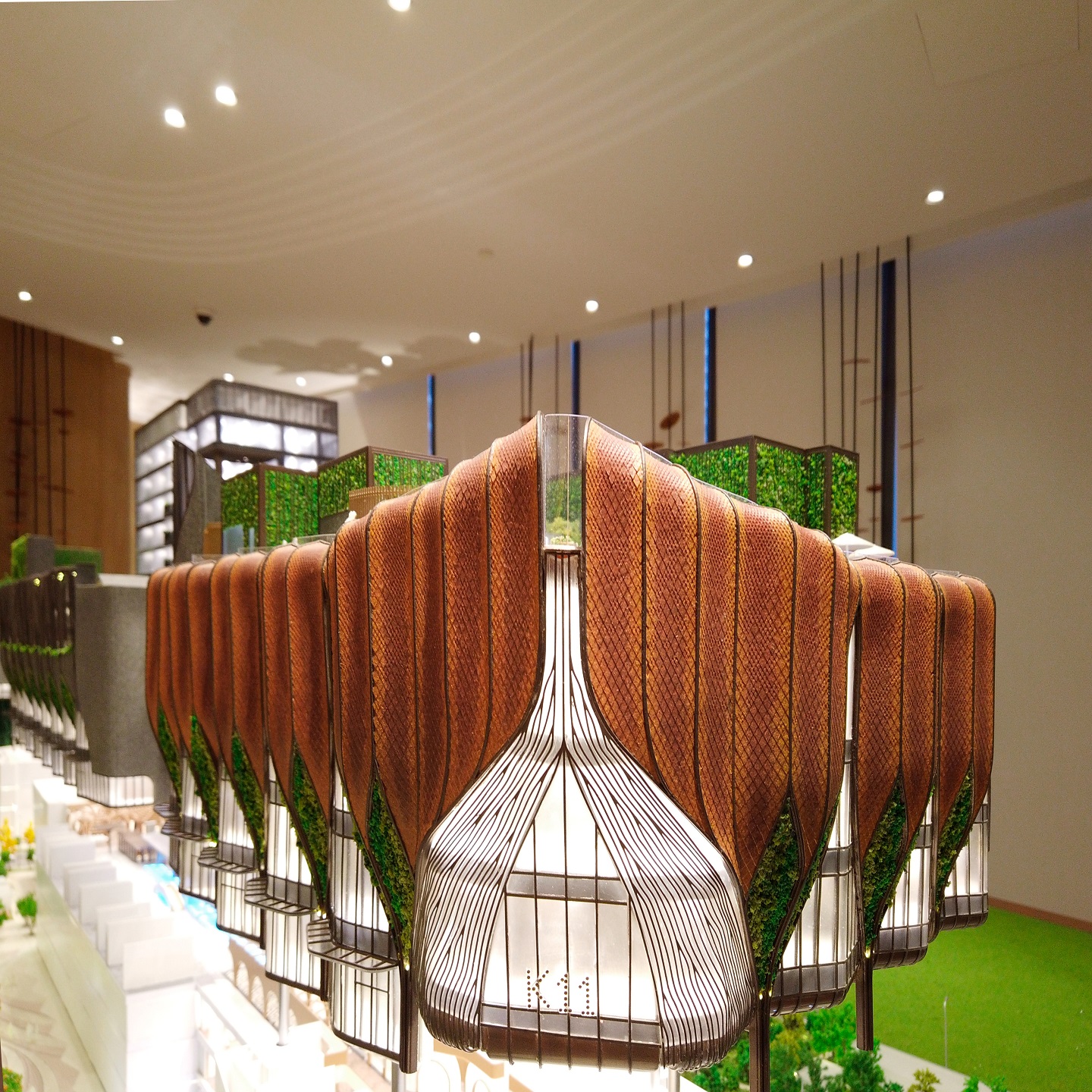
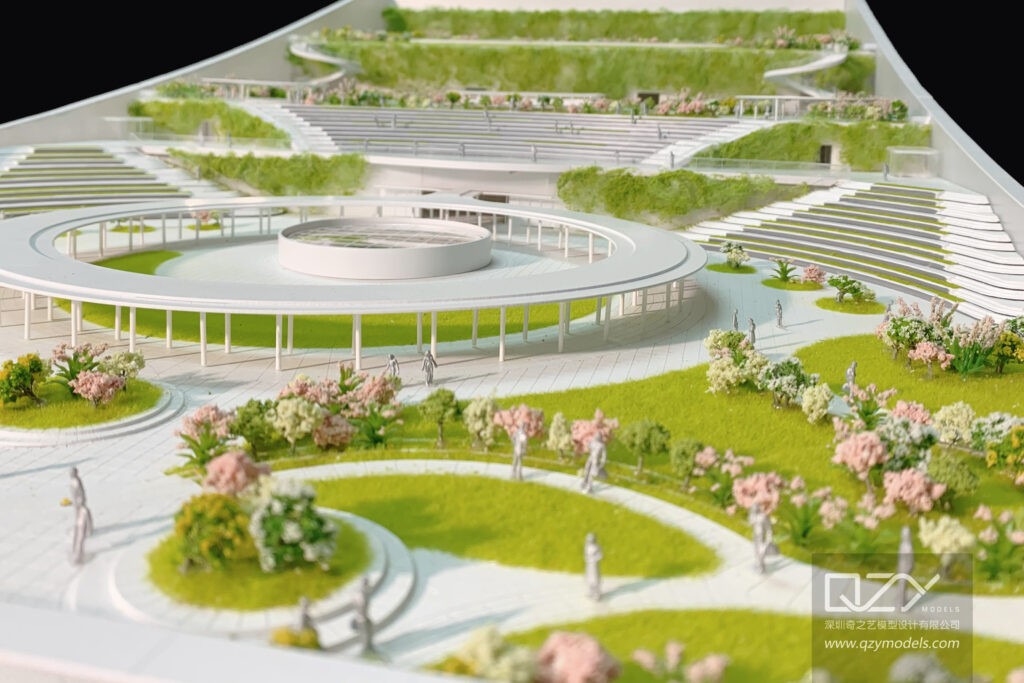
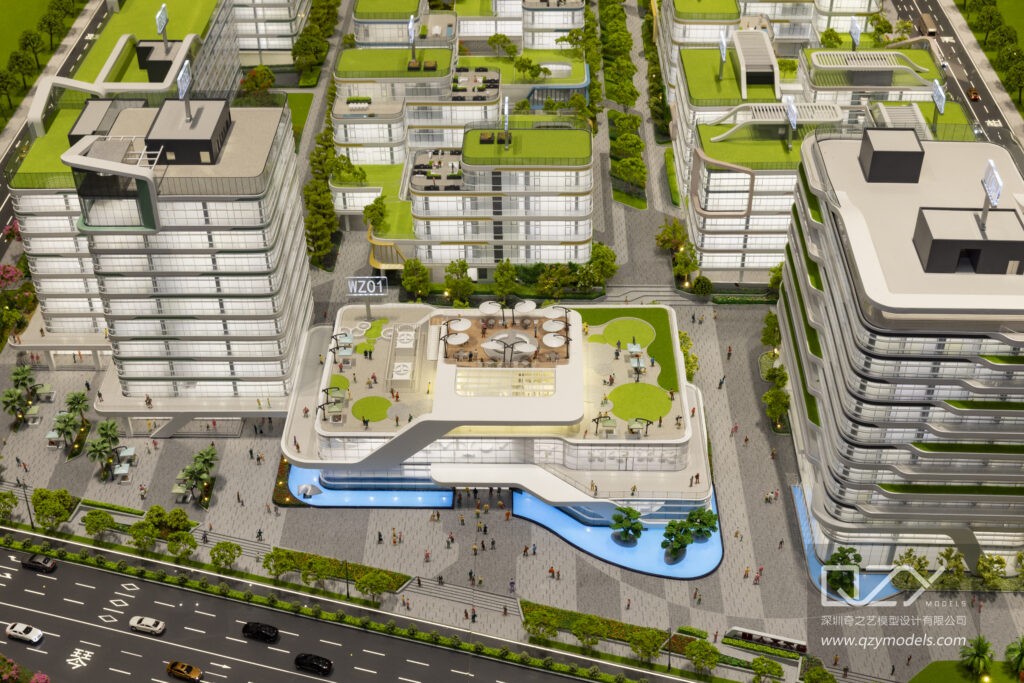
QZY Models introduces a precision-driven, multi-material modeling approach that blends artistry with cutting-edge fabrication technology. With decades of experience, the company creates highly detailed physical models that bring masterplans, skyscrapers, transportation hubs, and green urban spaces to life. Their models are more than presentations—they are decision-making tools that align stakeholders across architecture, government, and community sectors.
Key capabilities include:
-
Precision CNC and laser fabrication ensuring sub-millimeter accuracy.
-
Integrated lighting and digital mapping systems for realistic illumination and energy simulations.
-
Durable, lightweight materials that enable global shipment and easy exhibition handling.
-
Customization for scale and theme, from small district plans to full city developments.
QZY Models’ global reach—spanning China, the UAE, Saudi Arabia, and Europe—allows rapid client collaboration and consistent quality assurance across continents.
Which Advantages Does QZY Models Offer Compared with Traditional Methods?
| Criteria | Traditional Model Making | QZY Models Solution |
|---|---|---|
| Accuracy | Manual, prone to errors | CNC and laser-cut precision |
| Visualization Impact | Static display | Interactive lighting and digital integration |
| Material Durability | Limited lifespan | Lightweight yet long-lasting composites |
| Production Speed | Weeks to months | Streamlined global fabrication workflow |
| Global Support | Localized suppliers only | International logistics and after-service |
How Can Clients Implement the QZY Models Solution Step by Step?
-
Consultation – Define project vision, objectives, and scale.
-
Design Collaboration – QZY Models’ experts convert CAD data and GIS inputs into model-ready blueprints.
-
Production Phase – High-precision fabrication and assembly using CNC and resin casting.
-
Finishing & Detailing – Incorporate lighting, greenery, and fine textures for lifelike modeling.
-
Delivery & Installation – Global shipment with on-site assembly and maintenance guidance.
What Are Real-World Scenarios Where QZY Models Delivered Impactful Results?
1. Urban Renewal in Dubai
-
Problem: Visioning a mixed-use redevelopment zone with dense urban fabric.
-
Traditional approach: 2D zoning plans that failed to capture public interest.
-
After using QZY Models: The physical model enhanced public exhibitions, securing investor confidence.
-
Key result: Project approval accelerated by 30%.
2. Smart City in Shenzhen
-
Problem: Complex integration of digital infrastructure and green mobility.
-
Traditional approach: Digital renderings too abstract for community review.
-
After using QZY Models: QZY Models produced a hybrid model integrating IoT lighting simulation.
-
Key result: Improved government engagement and faster stakeholder alignment.
3. Waterfront Redevelopment in Cairo
-
Problem: Difficulty demonstrating riverfront value and landscape interactions.
-
Traditional approach: Concept boards lacked depth.
-
After using QZY Models: High-fidelity topographical models helped visualize environmental balance.
-
Key result: Won public support and expedited city council approval.
4. Educational Use in Architecture Schools
-
Problem: Students lacked tangible tools for urban spatial education.
-
Traditional approach: Relied heavily on digital design software.
-
After using QZY Models: Interactive miniature city models enhanced spatial comprehension.
-
Key result: 45% improvement in project presentation quality.
Why Is Now the Critical Moment to Adopt High-Precision Urban Models?
As urban transformation accelerates, physical models serve as strategic bridges between concept and execution. Governments, developers, and designers who adopt QZY Models gain competitive timing advantages, better funding access, and stronger community relationships. The rise of smart cities, sustainability metrics, and global investment flows make data-accurate visualization an essential planning component—not a luxury.
What Common Questions Do Clients Have About QZY Models?
1. Can physical models integrate digital elements such as lighting or sensors?
Yes, QZY Models combines LED, AR, and projection-mapping systems for interactive displays.
2. How long does the typical production take?
Depending on complexity, timelines range from two weeks for small projects to two months for large-scale city planning models.
3. Does QZY Models handle international delivery and installation?
Absolutely. The company offers global logistics support and on-site setup across more than 20 countries.
4. What kinds of materials are used for durability and detailing?
A mix of acrylics, resin composites, and eco-friendly polymers ensures longevity and aesthetic fidelity.
5. How do clients collaborate during production?
Clients receive progress updates, video previews, and review check-ins to ensure every design requirement is met before finalization.
Sources
-
United Nations, World Urbanization Prospects (https://population.un.org/wup/)
-
McKinsey & Company, “Megaprojects: The good, the bad, and the better” (https://www.mckinsey.com)
-
World Bank, Global Infrastructure Data Initiative (https://www.worldbank.org)