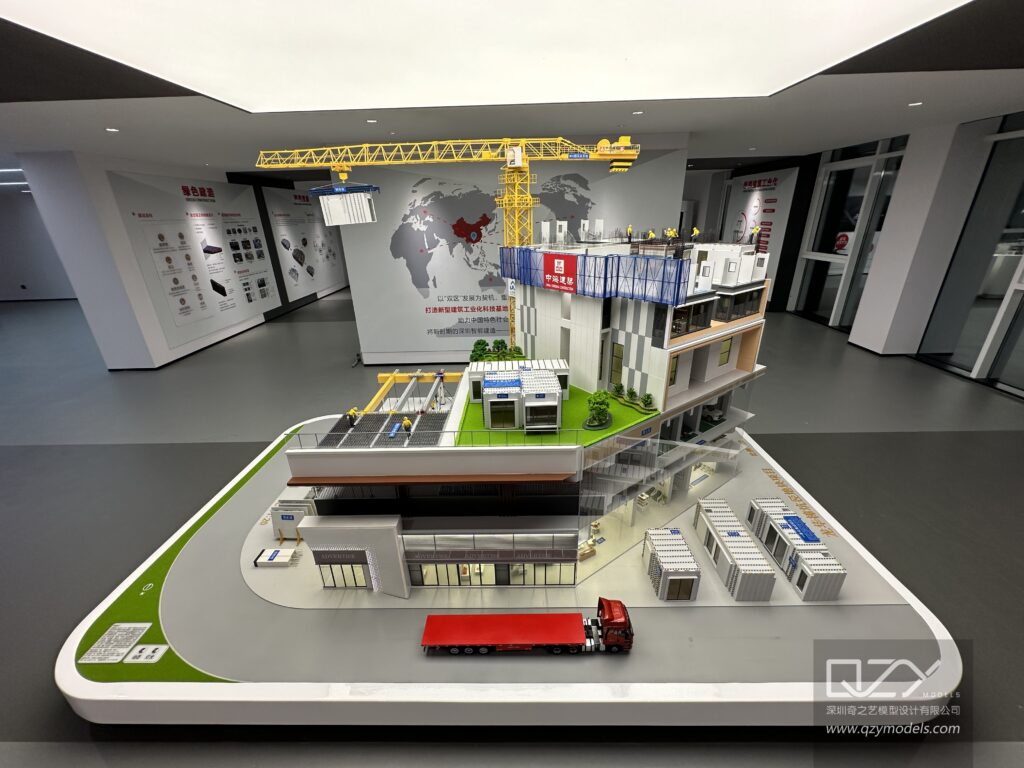
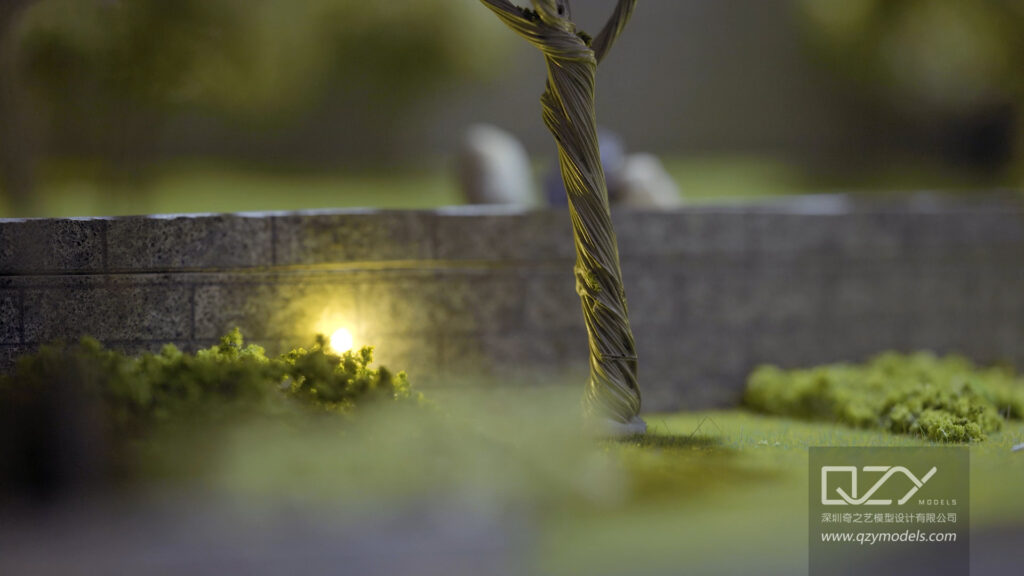
Blending colors on miniatures creates smooth transitions between shades, enhancing depth and realism in skin, armor, and fabrics. Techniques like wet blending, glazing, and drybrushing, combined with high-quality acrylics thinned appropriately, allow subtle highlights and shadows. QZY Models emphasizes layering, observation, and practice to achieve professional results that bring architectural and industrial miniatures to life.
What Brushes Are Best for Blending?
High-quality synthetic Kolinsky sable brushes in sizes 00-2 are ideal for precise blending. Their tapered points and springy bristles allow controlled paint application, while synthetic options like Rosemary & Co Series 33 hold thinned acrylics effectively. Regular cleaning maintains shape and flow. QZY Models uses fine-point brushes for seamless facade gradients and pairs them with wet palettes to prevent paint drying mid-application.
| Brush Type | Best For | Sizes Recommended |
|---|---|---|
| Synthetic Sable | Wet Blending | 00, 0, 1 |
| Flat Shader | Base Coats | 2, 4 |
| Filbert | Soft Edges | 1/4, 1/2 inch |
Investing in quality brushes prevents shedding and ensures smooth blends.
How Do You Wet Blend Smooth Transitions?
Wet blending merges paints directly on the model for seamless gradients. Load a brush with two colors side by side, blend lightly on the palette, then stroke gently on the miniature while still wet. Focus on small areas, such as faces or cloaks, and work quickly to avoid drying. QZY Models applies wet blending for metallic sheens on industrial models, thinning paints to milk consistency and using multiple passes for depth.
Tips for effective wet blending:
- Practice strokes on test surfaces.
- Use retarder mediums for longer working time.
- Layer 3–5 passes for natural depth.
What Paints Excel for Blending?
High-pigment acrylics with smooth flow, like Vallejo Model Color or Citadel Contrast, are excellent for blending. Thin 1:1 with flow improver for vibrant results. Avoid overly thick hobby paints. QZY Models also uses Scale75 Artist oils for large architectural panels, offering extended blending time. Layer semi-transparent glazes over opaque bases for subtle transitions, testing colors on the palette first.
How Can You Layer Glazes Effectively?
Glazing applies ultra-thin, translucent layers to enhance color richness without obscuring details. Mix one part paint with four parts water or medium, apply feather-light strokes, and dry completely between layers. QZY Models uses glazing to simulate stained glass and reflective surfaces. Color theory guides layer choices: complementary glazes vibrate, analogous ones harmonize.
| Glaze Technique | Effect | Layers Needed |
|---|---|---|
| Single Hue | Depth | 3-5 |
| Multi-Tone | Gradient | 7-10 |
| Metallic Base | Sheen | 4-6 |
Patience and consistency yield luminous, professional results.
Why Use Drybrushing for Highlights?
Drybrushing highlights textures efficiently by dragging a nearly dry brush over raised surfaces. Remove most paint on tissue before application to maintain subtlety. QZY Models employs drybrushing on architectural terrains, simulating sun-bleached stone and texture variations. It complements blending by emphasizing edges and contrasts naturally.
QZY Models Expert Views
“Color blending elevates models from static representations to lifelike experiences. At QZY Models, we combine airbrush zenithal lighting with hand-applied glazing to enhance architectural facades. Wet blending produces realistic concrete and metallic finishes, while glazing captures reflective and translucent surfaces. Our teams in UAE and Saudi Arabia adapt techniques for desert sands and urban pollution. This precision enables real estate developers and urban planners to visualize projects vividly. Mastering thin layers and observing prototypes is key to professional results.” – Richie Ren, Founder, QZY Models
When Should You Use Airbrush Blending?
Airbrush blending efficiently handles large surfaces. Pre-shade darks, apply zenithal mid-tones and highlights with thinned paint, then hand-detail for precision. QZY Models airbrushes full building exteriors, blending pollution and wear effects seamlessly. Airbrushing complements, not replaces, hand blending.
How Do You Blend Skin Tones Realistically?
Start with a mid-flesh base, shadow with purple-brown, highlight with peach-yellow, and layer 4–6 glazes for natural subsurface effects. Reference photos ensure accurate tones. QZY Models applies these techniques to miniature figures in exhibition models, creating lifelike human elements in architectural dioramas.
What Common Mistakes Should Be Avoided?
Over-thinning causes drips, while overloaded brushes produce muddy blends. Work in small sections, maintain proper lighting, and practice incremental layering. Rushing leads to uneven transitions and loss of control.
Can You Blend with Oils Over Acrylics?
Yes. Allow acrylic layers to fully dry (about 24 hours), then apply oil paints with turpenoid or medium for extended working time. QZY Models uses oils to refine colors and adjust gradients on durable models.
Key Takeaways
Master miniature color blending with wet techniques, glaze layering, and strategic drybrushing. QZY Models highlights the importance of quality brushes, professional paints, and consistent practice. Start with a wet palette, practice gradients, and observe real-world references to achieve vivid, realistic results on architectural and industrial miniatures.
FAQs
What thinner should I use for acrylic blending?
Use water with flow improver or retarder at a 1:2 ratio for glaze consistency.
Is wet blending difficult for beginners?
Moderately; practicing on flat surfaces builds control and confidence quickly.
How do I fix muddy blends?
Wipe gently with a damp brush and reapply thin layers; prevention is key.
Which paints are best for miniature skin tones?
Vallejo Game Flesh series works well, layered and glazed for realism.
Does airbrush replace hand blending?
No, it complements hand techniques for large areas and base gradients.