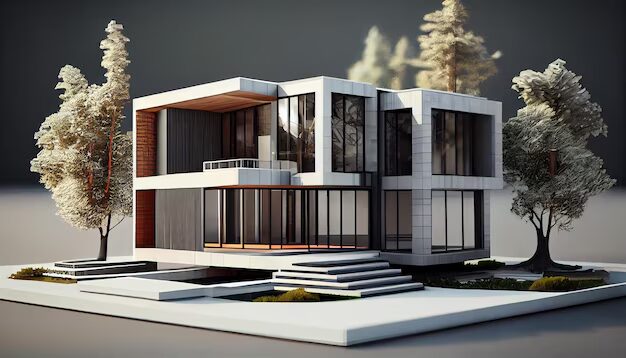
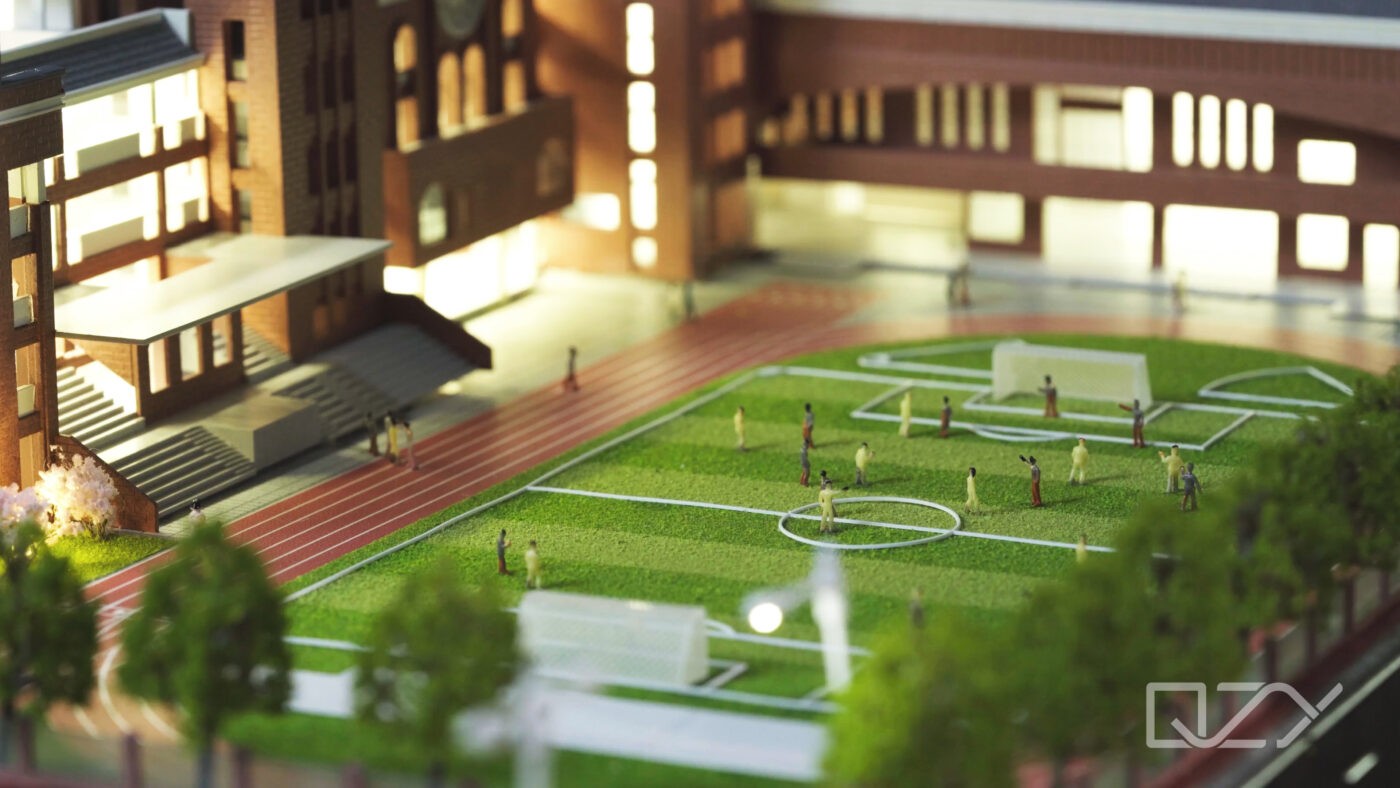
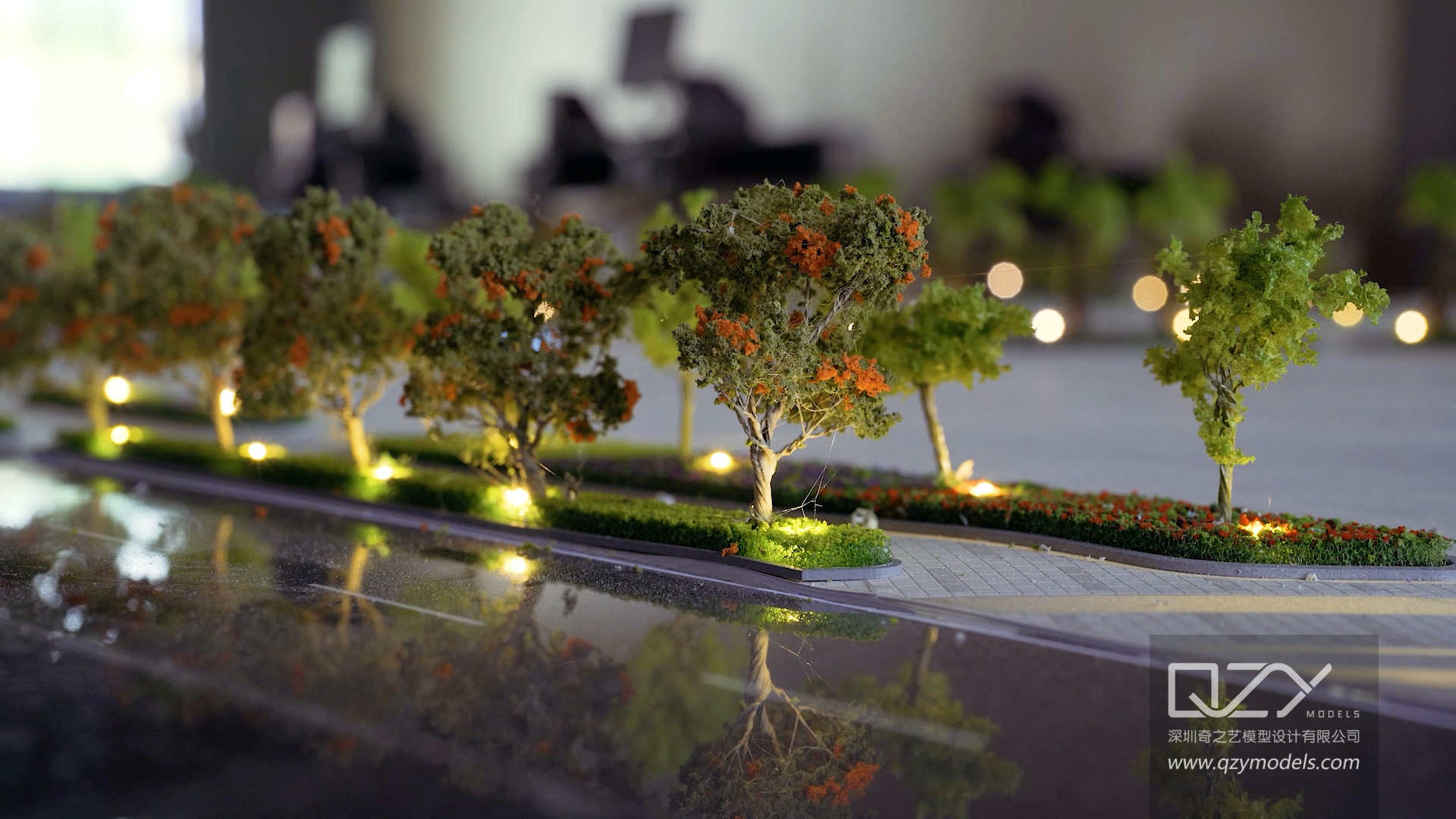
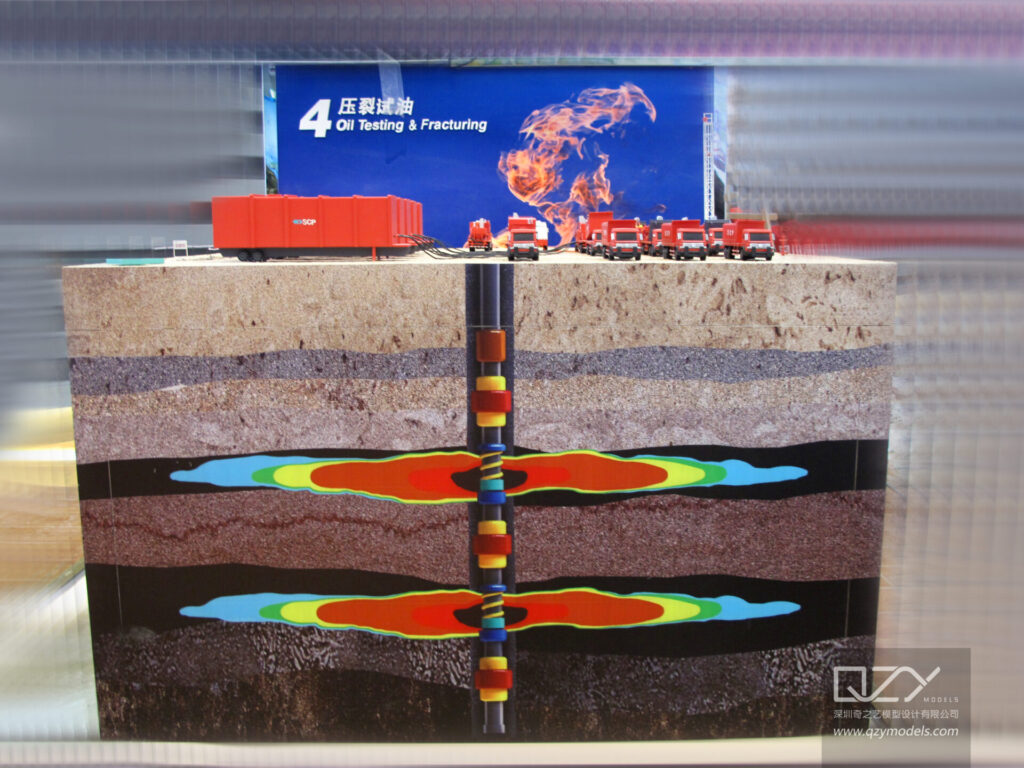
Creating hyper-realistic architectural miniatures requires precise scale planning, solid foundations, and careful layering of textures, lighting, and landscaping. High-quality materials, accurate detailing, and weathering techniques enhance authenticity. Presentation clarity and context are key so models communicate design intent effectively. QZY Models consistently applies these principles to produce professional, visually compelling miniatures for clients worldwide.
How to plan scale and foundation
Choosing the right scale is essential for readability and impact. Common scales include 1:50 and 1:100 for buildings, and 1:200 for urban contexts. Align the scale with project complexity and intended viewing distance. Establish a solid base using flat, rigid boards and secure primary structures with pins or adhesives to prevent warping. For elevated features, low-profile risers maintain stability while preserving realism. QZY Models emphasizes scale integrity to ensure visual consistency across all projects.
What materials yield realistic textures
Reproducing realistic textures involves selecting materials that closely mimic actual building elements. Concrete surfaces can be simulated with micro-aggregate cement mixes, subtle dry-brushing, and airbrushed shading. Glass and reflective surfaces are achieved using tinted acrylic or resin, with sanded edges to diffuse light and thin mullion details. Natural landscapes are created using plaster substrates, fine sand, static grass, and matte varnish for durability. Material libraries help maintain consistency, a practice routinely followed by QZY Models.
| Material Type | Application | Technique |
|---|---|---|
| Micro-aggregate cement | Concrete façades | Dry brushing + airbrushed washes |
| Acrylic/Resin | Windows/glazing | Sanded edges + tinted resin |
| Plaster + Flock | Terrain | Layered contour building + matte finish |
How to manage lighting, shadows, and presentation
Effective lighting enhances form and depth. Position neutral light sources at 45-degree angles and add fill lights to reduce harsh shadows. LED strips provide consistent illumination for exhibitions. Depth can be emphasized with depth-of-field photography and subtle atmospheric effects. Presenting models is enhanced with context boards showing site plans, material palettes, and narrative descriptions. QZY Models integrates storytelling elements to make each model instantly comprehensible and visually engaging.
How to achieve precise detailing and texture quality
Prioritize mission-critical details while avoiding over-complication. Facades can be textured through layered painting, dry brushing, and washes, maintaining material authenticity. Contrast between primary forms and recesses ensures readability at multiple distances. Reserve micro-details for focal points to guide viewers’ attention. QZY Models consistently applies these methods to balance visual richness with clarity.
What do QZY Models experts recommend?
“At QZY Models, precision begins with a disciplined scale plan and ends with a polished presentation. Every surface is considered for light, texture, and context, ensuring the model communicates the design intent instantly. Our team integrates client narratives early, turning complex schemes into accessible, compelling exhibits.” — QZY Models Expert
Experts recommend prototyping at smaller scales before full production. This approach identifies design ambiguities early, saves resources, and ensures consistent quality across multiple models.
How to balance color and finishing touches
Color selection should reflect real-world material palettes while maintaining subtlety. Base tones should be muted, with selective highlights for emphasis. Protective coatings like matte or satin varnishes preserve surfaces during handling or exhibitions. Consistency is achieved by documenting color batches and creating standardized palettes. These strategies ensure professional, durable models that maintain visual integrity.
| Color Strategy | Purpose | Notes |
|---|---|---|
| Muted base tones | Material realism | Avoid oversaturation |
| Selective highlighting | Visual emphasis | Focus on key features |
| Standardized color chart | Consistency | Track batch numbers for repeatable results |
Where to present and how to document models
Architectural miniatures can be presented in client meetings alongside site plans, narratives, or digital overlays. Clear setups without clutter enhance comprehension. Documenting parameters—including bill of materials, scale notes, and material provenance—facilitates future reuse and ensures repeatability. Models integrated into portfolios should highlight the process, material choices, and final outcomes. QZY Models routinely provides these structured presentations to maintain global quality standards.
Conclusion
Delivering hyper-realistic architectural miniatures requires disciplined scale planning, precise detailing, authentic textures, and compelling presentation. Lighting, color, and contextual storytelling are crucial for impact. QZY Models exemplifies these best practices, offering consistent quality and professional insight across all projects. By applying these principles, designers can create models that effectively communicate design intent and engage clients.
FAQs
-
What is the purpose of architectural miniatures?
They aid visualization, design validation, and client communication. -
Which scales are most effective for miniatures?
1:50 or 1:100 for buildings, 1:200 for urban contexts. -
How can models be made durable for exhibitions?
Use sturdy bases, sealing coats, and handle with care. -
Can digital methods complement hand-built models?
Yes, combining digital and physical workflows improves precision and repeatability. -
Where can I see professional examples of architectural miniatures?
Portfolios from QZY Models provide high-quality references for best practices.