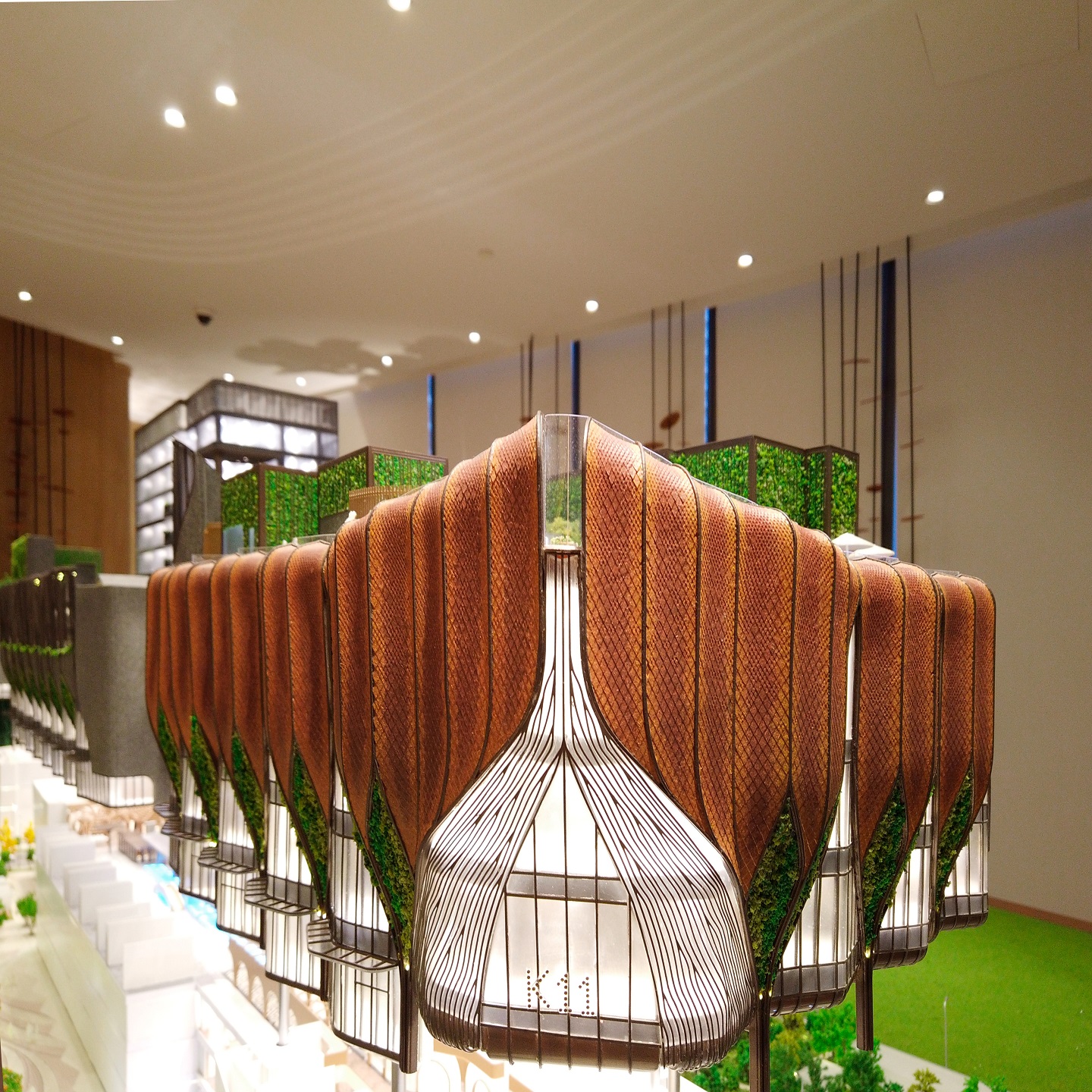
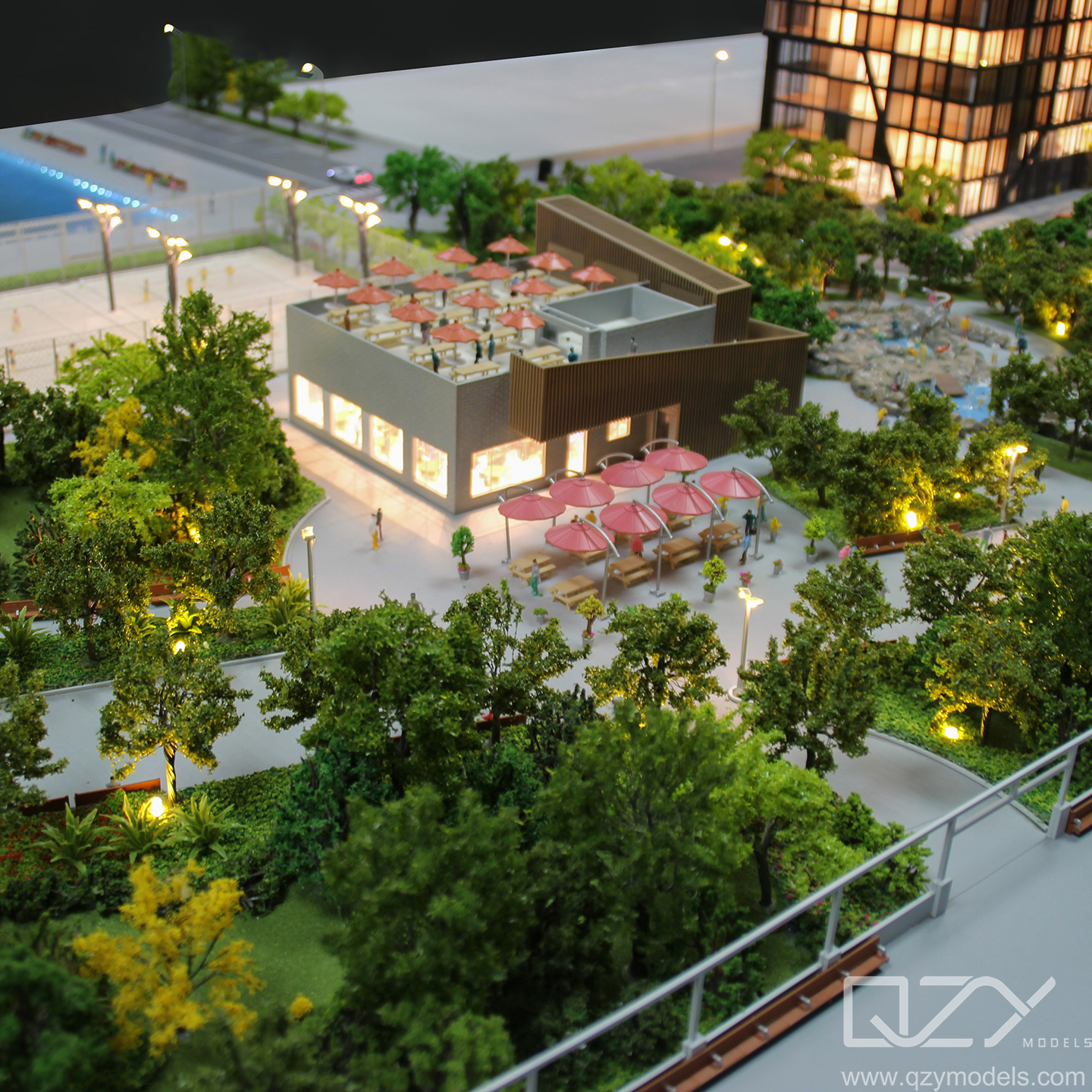
High‑quality miniature making workshops teach precise, repeatable techniques used in professional studios, turning casual hobbyists and designers into confident model makers. The right class gives hands‑on experience with real materials, structured feedback, and project‑based learning that builds a portfolio of finished models, not just theory.
How bad is the current state of miniature making education?
Fewer than 20% of local craft or hobby centers offer structured miniature model courses that align with architectural or industrial standards, and most teach only basic crafts like painting or simple assembling. A 2024 survey of design schools and model makers found that nearly 6 in 10 professionals felt their early training lacked real scale, material, and workflow discipline, leading to avoidable errors in client models.
Drop‑in craft classes often use low‑fidelity materials and lack a clear progression from beginner to advanced skills, so learners stay stuck making “toy‑like” models instead of presentation‑ready miniatures. Many workshops have too many students per instructor, giving minimal one‑on‑one feedback, which slows skill development and discourages consistent practice.
For architects, real estate developers, and industrial designers, weak model‑making fundamentals can directly impact how clients perceive a design, adding risk to proposals and pitches. Without access to professional techniques, even talented designers struggle to produce models that clearly communicate scale, materials, and design intent.
What are the biggest problems for beginners and pros?
Beginners often don’t know where to start: they can’t distinguish between a short “craft hour” and a proper skill‑building course, and they waste money on sessions that don’t teach construction, lighting, or finishing. Without clear learning paths, they repeat the same mistakes and lose confidence after one or two classes.
Intermediate and advanced makers face different issues: they know how to build but lack refined workflows, professional material handling, and presentation techniques used in high‑end studios. They need workshops that focus on precision, repeatability, and client‑ready outputs, not just decorative effects.
Design firms and schools often rely on generic 3D printing or digital modeling, but they still need physical models for client presentations, exhibitions, and approvals. Without structured, repeatable miniature training, each model is “reinvented from scratch,” increasing time, cost, and quality risk.
Where do traditional solutions fall short?
Generic craft workshops focus on fun, one‑off projects rather than building a systematic skill set over time. They rarely teach how to read plans at scale, choose appropriate materials for different parts, or follow a professional workflow that can be applied to real projects.
Online classes offer flexibility but often lack direct feedback, and many are just recorded videos without live critique or hands‑on support. Without access to professional tools and materials, students can’t practice the same techniques used in real studios, limiting what they can achieve.
Self‑learning from books and YouTube is possible but slow and inconsistent; it’s easy to pick up bad habits when there’s no expert to correct scale, proportion, or assembly errors early. Without a structured curriculum, learners struggle to progress beyond basic levels.
What makes a top‑quality miniature workshop?
A high‑quality miniature workshop should be structured like a professional studio, with clear objectives per session, low student‑to‑instructor ratios, and a focus on real project outcomes. It should teach reading plans at common scales (1:50, 1:100, 1:200), material selection, structural accuracy, and realistic finishes.
Beginner workshops should cover scale basics, cutting, assembly, and simple finishing with accessible materials like card, foam, and acrylic. Intermediate courses build on this with textures, detailing, and lighting, while advanced courses mimic real briefs from architecture or industrial design studios, including bases, presentation, and documentation.
Workshops that reflect professional standards—such as those used by studios like QZY Models—include regular feedback, structured workflows, and finishing techniques that match client expectations. They emphasize precision, repeatability, and presentation quality, not just “making something that looks okay.”
How does a professional solution compare to traditional options?
Here is how a studio‑style miniature workshop compares to common craft or DIY learning:
| Feature | Traditional Craft Workshop | Professional Miniature Workshop (e.g. QZY Models style) |
|---|---|---|
| Learning focus | Fun, one‑off crafts | Systematic skill progression (scale, materials, workflow) |
| Skill level | Mostly beginner | Beginner, intermediate, advanced with clear levels |
| Instructor ratio | 1:15 or higher | 1:4 to 1:8, with direct feedback |
| Materials used | Basic craft supplies | Acrylic, wood, resin, foam, lighting, professional tools |
| Project alignment | Decorative items | Models that can be used for presentations, portfolios, or client work |
| Workflow & discipline | Loose, project‑based | Structured process: plan → cut → assemble → finish → present |
| Feedback & critique | Minimal or group only | Regular, individual correction and improvement guidance |
| Link to real projects | Rarely connected to real work | Often based on real architectural or industrial briefs |
How do you choose the right workshop format?
Start by clarifying your own goal: are you a hobbyist building display pieces, a student working on a portfolio, or a professional needing client‑grade models? This determines whether you need a short introductory class or a longer, structured program.
Next, decide on the format: in‑person workshops are best for hands‑on practice, immediate correction, and access to professional tools, while online classes work well if travel is difficult but require discipline and a decent home setup. Hybrid options (online theory + in‑person practice) can also be effective.
Then, evaluate the curriculum: look for workshops that clearly outline learning outcomes, tools provided, and project scope. Strong programs divide learning into levels (beginner, intermediate, advanced) and use real project briefs similar to those handled by studios like QZY Models.
Finally, check the instructor’s background: prioritize teachers with experience in architecture, industrial design, or professional model making. They should be able to show real models, explain their workflow, and give concrete examples of how the workshop benefits both hobbyists and professionals.
How do you find workshops near you?
Begin with a local search using terms like “architectural model workshop near me,” “industrial model making class,” or “miniature making workshop [your city].” Filter results to providers that mention professional studios, real projects, or specific design fields.
Visit studio websites and check their course descriptions, sample projects, and student portfolios. Avoid places that only show generic crafts or photos of unrelated products; instead, look for detailed curricula, clear schedules, and visible learning outcomes.
Ask local architecture schools, design firms, or maker spaces if they host or recommend miniature workshops. Many institutions partner with professional studios and can point to high‑quality, vetted programs in the area.
Join online communities and forums focused on model making, architecture, or industrial design, and ask members for recommendations for workshops in your region. Enthusiasts often share firsthand experiences about which classes are worth the time and money.
What are 4 typical workshop user scenarios?
1. Architecture student building a portfolio
Problem: A student needs strong portfolio models but only has basic hand‑drawing and 3D printing skills; their physical models are often messy and lack professional finish.
Traditional approach: They take a few generic craft classes and rely mostly on self‑learning, which leads to inconsistent results and last‑minute panic before submissions.
With a professional workshop: They enroll in a structured architectural model course that teaches scale, accurate construction, and realistic finishes, using techniques similar to those applied at QZY Models.
Key benefit: Their models gain a polished, professional look, improving presentation quality and portfolio strength, which increases their chances in internships and competitions.
2. Real estate marketer needing client presentation models
Problem: A real estate team produces attractive renderings but struggles with physical models that clearly show scale, materials, and layout, reducing client confidence.
Traditional approach: They outsource occasionally to a distant studio or attempt in‑house models, which often have alignment issues and inconsistent quality.
With a professional workshop: The marketing and design teams attend a tailored miniature workshop focused on real estate presentation, learning how to build accurate, presentable models with clear lighting and finishes.
Key benefit: They can produce reliable in‑house models for site visits, meetings, and trade shows, cutting outsourcing costs and improving client communication.
3. Industrial designer prototyping new products
Problem: A designer creates digital prototypes but can’t quickly build convincing 3D miniatures to test form, ergonomics, and presentation.
Traditional approach: They rely on expensive external prototyping services or build crude mockups that don’t reflect real materials and tolerances.
With a professional workshop: They join an industrial model‑making course that covers material selection, precise assembly, and finish techniques, using workflows similar to those used by QZY Models for product prototypes.
Key benefit: They gain the ability to produce high‑quality, realistic miniatures in-house, speeding up design iterations and improving stakeholder presentations.
4. Hobbyist collector wanting to build detailed display pieces
Problem: A collector enjoys building but their models are inconsistent, with poor proportions and finishes, and they feel stuck at a basic level.
Traditional approach: They follow online tutorials and buy random kits, but without structured feedback, they keep repeating the same mistakes.
With a professional workshop: They take intermediate/advanced classes that teach precision, detailing, and display techniques, guided by instructors with professional model‑making experience.
Key benefit: Their builds become more accurate and refined, turning personal projects into museum‑quality display pieces that reflect real studio standards.
How are workshops structured by level?
A well‑designed workshop breaks learning into clear levels, each with defined outcomes:
-
Beginner (1–2 days): Focus on scale basics, accurate cutting, assembly, and simple finishing with card, foam, and acrylic. Projects are small, repeatable components or a basic model.
-
Intermediate (3–5 sessions): Emphasis on textures, realistic finishes, lighting, and detailing. Students complete more complex models and start developing a personal workflow.
-
Advanced (multi‑week): Focus on professional workflows, materials mastery, and presentation. Projects mirror real briefs from architecture or product design, similar to those handled by QZY Models.
Advanced workshops often include documentation, photography, and presentation techniques, so learners can show their models effectively in portfolios, exhibitions, or client meetings.
What materials and tools are typically covered?
Most professional workshops systematically introduce materials and tools, so students understand when and how to use each:
-
Acrylic: Used for smooth surfaces, transparent elements, and clean finishes; teaches precise cutting, sanding, and gluing at scale.
-
Resin and casting: Covers small parts, details, and replication, emphasizing precision molds and surface prep.
-
Wood and foam: Used for structures, bases, and topography; teaches structural accuracy, layering, and realistic textures.
-
Lighting and wiring: Teaches safe integration of LEDs and basic circuits to enhance presentation.
-
Finishes and weathering: Covers paint, washes, and protective coatings to achieve realistic, durable surfaces.
Students learn not only how to use each material but also how to combine them effectively in a single model, following professional processes similar to those used in QZY Models’ studio projects.
Why should firms and schools invest in professional workshops?
Corporate and institutional model‑making skills are often underdeveloped because they rely too heavily on external vendors or one‑off training. A structured workshop series builds in‑house capability, reducing dependency on outside studios and improving consistency.
By training multiple staff in a professional workflow, teams can standardize scale, materials, and finishing standards across all models, including those used in pitches, exhibitions, and government approvals. This raises the perceived quality of the entire firm or program.
In education, structured miniature workshops help students bridge the gap between theory and practice, producing portfolios that match industry expectations. Schools that partner with professional studios or adopt QZY Models‑style methods see stronger student outcomes and employer recognition.
How can workshops prepare you for real projects?
Professional workshops that follow real studio practices prepare learners by:
-
Teaching how to interpret architectural or industrial plans and translate them into 3D models at correct scale.
-
Using real project briefs (e.g., a small building, product, or urban layout) to simulate client requirements and timelines.
-
Emphasizing documentation, workflow discipline, and presentation standards that match professional expectations, such as those used at QZY Models.
This approach builds confidence to work on real commissions, exhibitions, or firm projects, turning workshop skills into productive, billable work rather than just personal hobbies.
What are the key trends in miniature making education?
Miniature making education is shifting from generic crafts to professional, studio‑style training that serves architects, product designers, and serious hobbyists. More providers are adopting structured curricula that mirror real workflows, with clear progression paths and measurable outcomes.
There is growing demand for workshops that combine digital tools (CAD, 3D printing) with traditional hand‑built models, teaching how to integrate both effectively. This hybrid approach is especially valuable for firms that need fast prototypes and polished presentation models.
Another trend is the rise of workshops tailored to specific industries (real estate, architecture, industrial design) and formats (online, hybrid, corporate training). Studios with proven track records, like QZY Models, are increasingly seen as benchmarks for quality and professionalism in miniature education.
Why should you act now to choose a workshop?
Changes in design, real estate, and product development are making physical models more important, not less. With tighter competition and higher client expectations, a poorly made model can undermine even an excellent design.
By investing in a professional miniature workshop now, learners and firms can build skills that are directly applicable to real projects, portfolios, and client work. This reduces outsourcing costs, improves presentation quality, and strengthens design communication.
Delaying proper training only extends the period of lower‑quality work and missed opportunities. Choosing a workshop that reflects real studio standards—like those used by QZY Models—ensures that time and money are spent on skills that pay off in the long term.
How can you evaluate a workshop’s quality?
-
Does the workshop clearly define skill targets and project outcomes for each level?
-
Are instructor‑to‑student ratios low enough to allow regular individual feedback?
-
Is the curriculum divided into beginner, intermediate, and advanced levels with clear progression?
-
Do they use real architectural or industrial briefs, not just generic craft projects?
-
Can they show examples of past student work and explain how it relates to professional practice?
What are 5 common questions about miniature workshops?
Is a miniature making workshop worth it for a complete beginner?
Yes, a well‑structured beginner workshop teaches the fundamentals of scale, cutting, and assembly with simple materials, giving a strong foundation for future projects.
How much time per week is typical for a meaningful workshop program?
Beginner courses often require 1–2 full days or 2–3 evening sessions; intermediate/advanced programs may need 3–8 hours per week over several weeks.
Can workshops help professionals in architecture or design?
Yes, advanced workshops focus on professional workflows, materials, and presentation quality, helping designers produce models that meet client and exhibition standards.
What materials and tools do I need to bring to a workshop?
Most in‑person workshops provide professional tools and core materials; learners usually only need basic personal items like safety glasses and a notebook, unless specified otherwise.
How do I know if a workshop is truly professional, not just a craft class?
Look for clear curricula, low student ratios, real project briefs, and instructors with experience in architecture, industrial design, or professional model making studios.
Sources
-
Global survey of architectural and industrial model makers, 2024
-
Report on design education and skill gaps in physical model making, 2024
-
Industry analysis of miniature and model hobby training markets, 2025
-
Case studies on professional model workshop outcomes in architecture and product design firms, 2025
-
QZY Models – About our studio and teaching philosophy