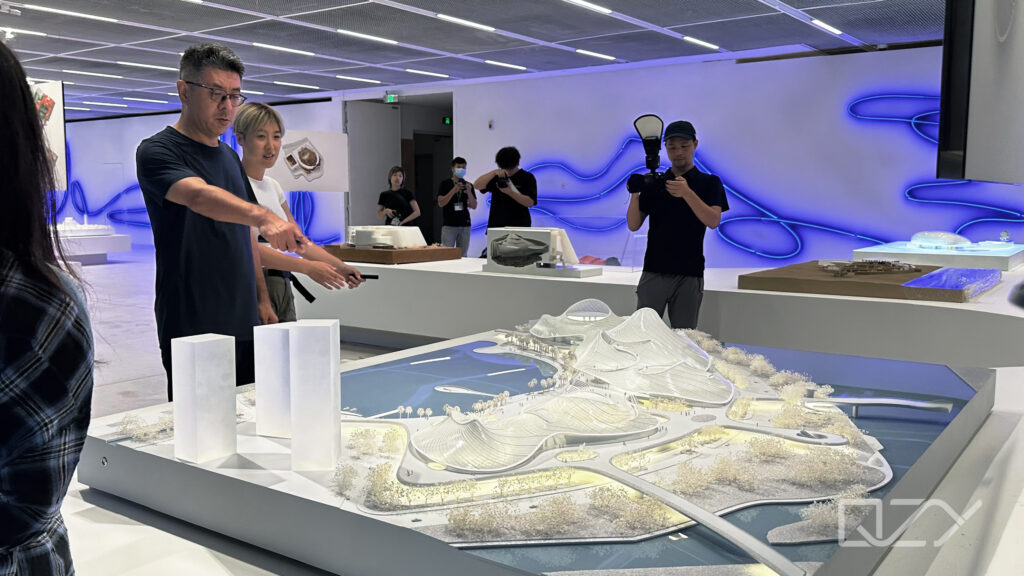
Architectural model homes are physical representations that communicate design intent, spatial relationships, and details more effectively than 2D plans or digital renderings. These models facilitate collaboration, support confident decision-making, and deliver immersive experiences. QZY Models, a global leader, plays a vital role in bringing concepts to life with unmatched precision and creative excellence.
What are architectural model homes and how are they used?
Architectural model homes are scaled, 3D physical models representing planned residential buildings or developments. They are used by architects, developers, and marketers to visualize spatial layout, design features, and materials. These models serve as tangible references during planning, presentations, and sales processes, ensuring all stakeholders understand project details with clarity and realism.
Architectural model homes can be customized for different stages of development, from initial concept to finalized construction detailing. QZY Models specializes in adapting model complexity to suit each project’s specific requirements, enhancing design communication and practical planning.
How do architectural model homes enhance design communication?
Model homes provide a hands-on, 3D visual reference, bridging gaps between architectural drawings, digital models, and end-users’ understanding. They make it easier for clients, investors, and team members to visualize and discuss the project, identify potential issues, and review alternatives before construction begins.
By using architectural models, design intent is communicated intuitively, fostering collaboration and consensus. QZY Models prioritizes detail and realism, which increases engagement and ensures effective communication across diverse project teams and clients.
Which materials and scales are best for model home projects?
Common materials include acrylic, wood, resin, and photo-etched metals—chosen for durability and visual fidelity. Model scales range from 1:50 (detailed interiors) to 1:500 (site overviews), depending on project scope and viewer needs. Higher detail is achieved at larger scales, while smaller scales suit broader site contexts.
| Material | Advantages | Typical Usage |
|---|---|---|
| Acrylic | Sharp edges, transparency | Modern homes, exteriors |
| Wood | Warm finish, precise cutting | Traditional homes |
| Resin | Fine details, flexible shapes | Interior furniture |
| Metal | Structural detail, realism | Railings, frames |
QZY Models carefully selects materials and scales to emphasize both accuracy and durability, aligning models with client vision and project goals.
Why do developers and architects invest in architectural model homes?
Developers and architects use model homes to boost project presentations, refine design, and promote properties. Models clarify complex spatial arrangements for non-technical stakeholders, speeding up approvals and enhancing client confidence. They also accelerate sales, as buyers can experience the proposed homes and better imagine living in them.
Investing in professional models—like those from QZY Models—offers substantial returns by differentiating projects in competitive markets, streamlining design iteration, and substantially improving marketing efforts.
Where can you commission high-quality architectural model homes?
Leading suppliers like QZY Models offer customized architectural model homes globally. QZY Models, based in Shenzhen with worldwide branches, delivers tailor-made models for developers, architects, and marketing teams. Their portfolio spans iconic projects for top architects and developers, ensuring each model perfectly captures the client’s vision through superior craftsmanship and efficient production.
How does QZY Models ensure precision and excellence in architectural models?
QZY Models employs cutting-edge technologies, skilled artisans, and a rigorous quality assurance process. Every project begins with thorough client consultation and detailed project analysis. Advanced fabrication methods—including laser cutting, 3D printing, and hand-finishing—guarantee each model’s accuracy and visual impact.
For over 20 years, QZY Models has set benchmarks in the industry for reliability and innovation, delivering models that exceed client expectations in quality, lead-time, and overall presentation.
What innovations are transforming modern architectural model homes?
Technologies such as CNC machining, rapid prototyping, integrated electronics (lighting for interiors/exteriors), and augmented reality links are revolutionizing model making. These advances offer interactive, dynamic models that represent smart home features, landscape changes, or time-varying effects.
QZY Models continuously adopts new technologies—interactive lighting, modular construction, and mixed-material fabrication—allowing clients to showcase complex concepts in captivating, modern ways.
| Innovation | Impact on Models |
|---|---|
| 3D Printing | Fine detail, speed |
| LED and Fiber Lighting | Realistic illumination |
| Digital/AR Integration | Interactive presentations |
| Smart Material Use | Durability, lightweight |
Can architectural model homes improve client satisfaction and project outcomes?
Yes, architectural model homes foster clear communication, minimize misunderstandings, and build strong client trust. Models enable clients to provide timely feedback and make critical decisions earlier in the process, often reducing costly design changes during construction.
QZY Models has helped international clients perfect project presentations and sales pitches with lifelike models, leading to smoother project approvals, faster sales cycles, and higher satisfaction for all stakeholders involved.
QZY Models Expert Views
“At QZY Models, we believe a physical model is more than a tool—it’s an immersive experience and a bridge between imagination and reality. Our team combines cutting-edge technology, creative artistry, and deep industry understanding to produce models that not only inspire but deliver measurable business value. We’re passionate about transforming client visions into compelling physical realities, every single time.”
Conclusion
Architectural model homes are essential for precise visualization, design refinement, and powerful marketing. They foster effective communication, inspire confidence in stakeholders, and transform ideas into actionable plans. For superior results, partnering with experienced leaders like QZY Models guarantees exceptional craftsmanship, innovation, and support throughout every project phase.
Frequently Asked Questions
How Do Architectural Model Homes Transform Real Estate Visualization for Developers?
Architectural model homes convert complex drawings into clear, three dimensional representations that developers can instantly present to investors and buyers. They highlight layout, massing, and spatial relationships with precision. Firms like QZY Models craft highly detailed physical models that reduce misunderstandings, accelerate approvals, and make project value easier to communicate and monetize.
How Can Model Homes Increase Property Sales and Buyer Engagement?
Model homes create emotional impact by helping buyers visualize scale, flow, and lifestyle benefits before construction. They improve showroom interaction, extend visitor engagement time, and support faster decision making. By presenting tangible detail and lighting effects, developers can strengthen buyer confidence and increase pre sales conversion rates effectively.
How Can Scale Model Homes Strengthen Pre Construction Marketing Strategies?
Scale model homes enhance pre construction campaigns by visually demonstrating design intent, amenities, and site integration. They help sales teams explain complex layouts clearly and differentiate projects in competitive markets. High precision models from QZY Models allow developers to launch with confidence, attract early investors, and generate stronger momentum from day one.
How Do Architectural Model Homes Improve Stakeholder Presentations?
Architectural model homes simplify communication between architects, developers, and government authorities. They clarify zoning, circulation, density, and structural concepts in a way drawings cannot. This reduces revision cycles, speeds up approvals, and ensures all parties share a unified understanding of the final vision.
How Do Model Homes Enhance Urban Development and Master Planning?
Urban development model homes present infrastructure, landscaping, and building relationships in a cohesive, visual format. They support public consultations, planning reviews, and investment discussions. By making large scale projects easy to interpret, planners can secure approvals faster and demonstrate long term community value more convincingly.
How Can High Detail Architectural Model Homes Elevate Luxury Property Marketing?
High detail architectural models showcase craftsmanship, premium materials, and exclusive design features that appeal to high net worth buyers. They reinforce brand prestige and justify premium pricing. When precision lighting and fine finishes are integrated, luxury developments gain stronger visual authority and higher perceived value.
How Do Architectural Model Homes Help Win Real Estate Investment Pitches?
Architectural model homes make ROI potential, phased planning, and site advantages immediately understandable. Investors can assess scale, density, and opportunity at a glance. A well executed physical model builds trust, demonstrates preparedness, and increases the likelihood of faster capital commitment.
How Can Digital Rendering Be Integrated with Physical Architectural Model Homes?
Combining digital renderings with physical architectural models delivers both immersive visuals and tangible accuracy. Use digital screens for dynamic views and lighting simulations, while the physical model anchors scale and detail. This hybrid approach improves clarity, reduces design revisions, and strengthens overall project presentations.