Architectural model making services elevate Dubai’s forward-thinking projects by turning complex designs into precise physical representations that strengthen visualization, communication, and decision-making. These models help architects, developers, and investors understand spatial relationships, refine concepts, and present compelling project stories. In Dubai’s competitive market, they play a vital role in supporting approvals, marketing, and overall project confidence.
How Do Architectural Models Support Dubai’s Architectural Vision?
Architectural models give teams a realistic, three-dimensional understanding of proposed structures, helping them evaluate proportions, circulation, and site integration. In Dubai’s rapidly evolving urban landscape, they become essential tools for validating creative ideas early and ensuring developments meet functional, aesthetic, and cultural expectations. They also enhance collaboration among architects, developers, and regulators by offering a unified visual reference.
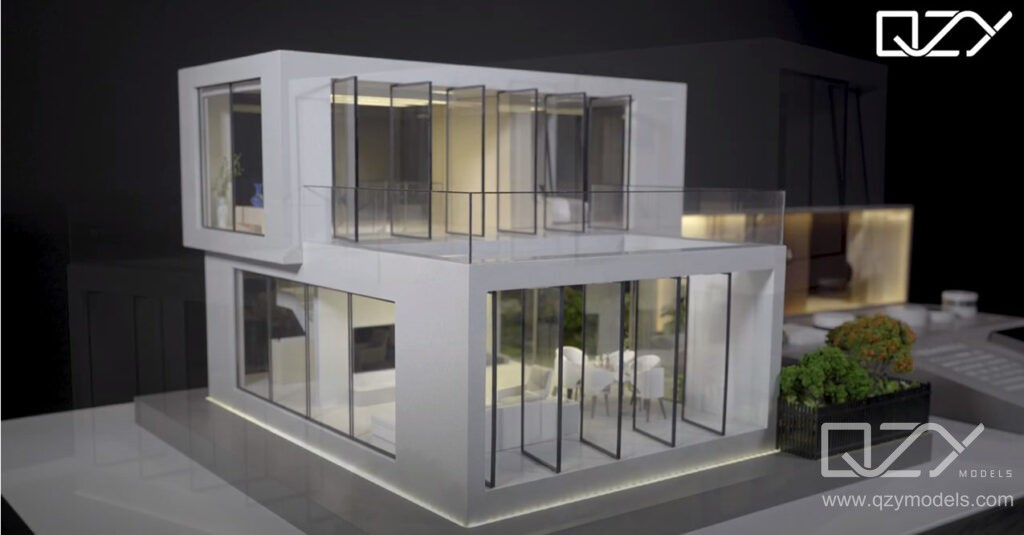
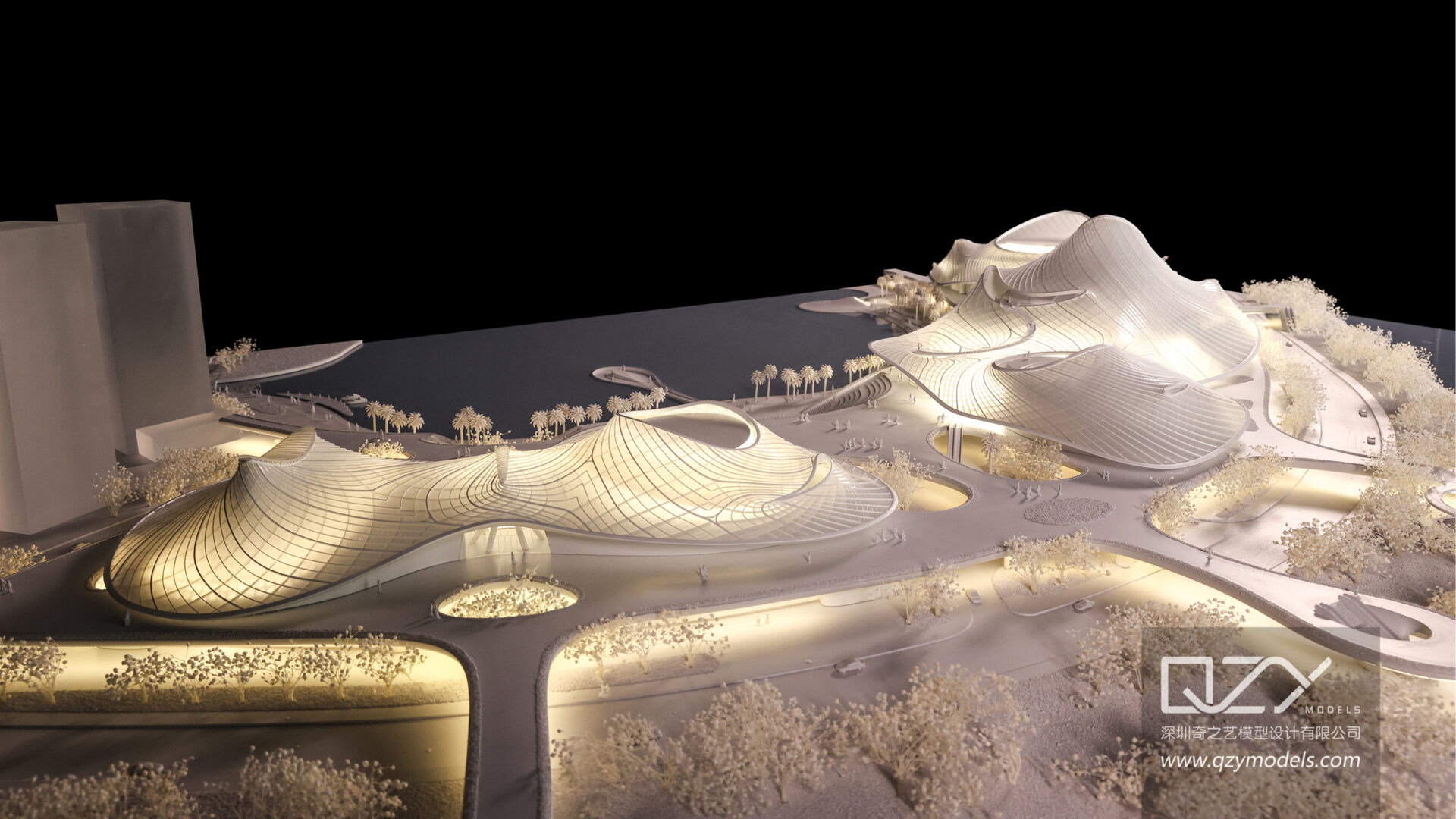
Physical models demonstrate form, massing, and materiality with exceptional clarity, which is especially valuable in high-end presentations, sales galleries, and global exhibitions. QZY Models frequently delivers large-scale models tailored to Dubai’s iconic development style, helping clients articulate ambitious visions effectively.
What Types of Architectural Model Making Services Are Common in Dubai?
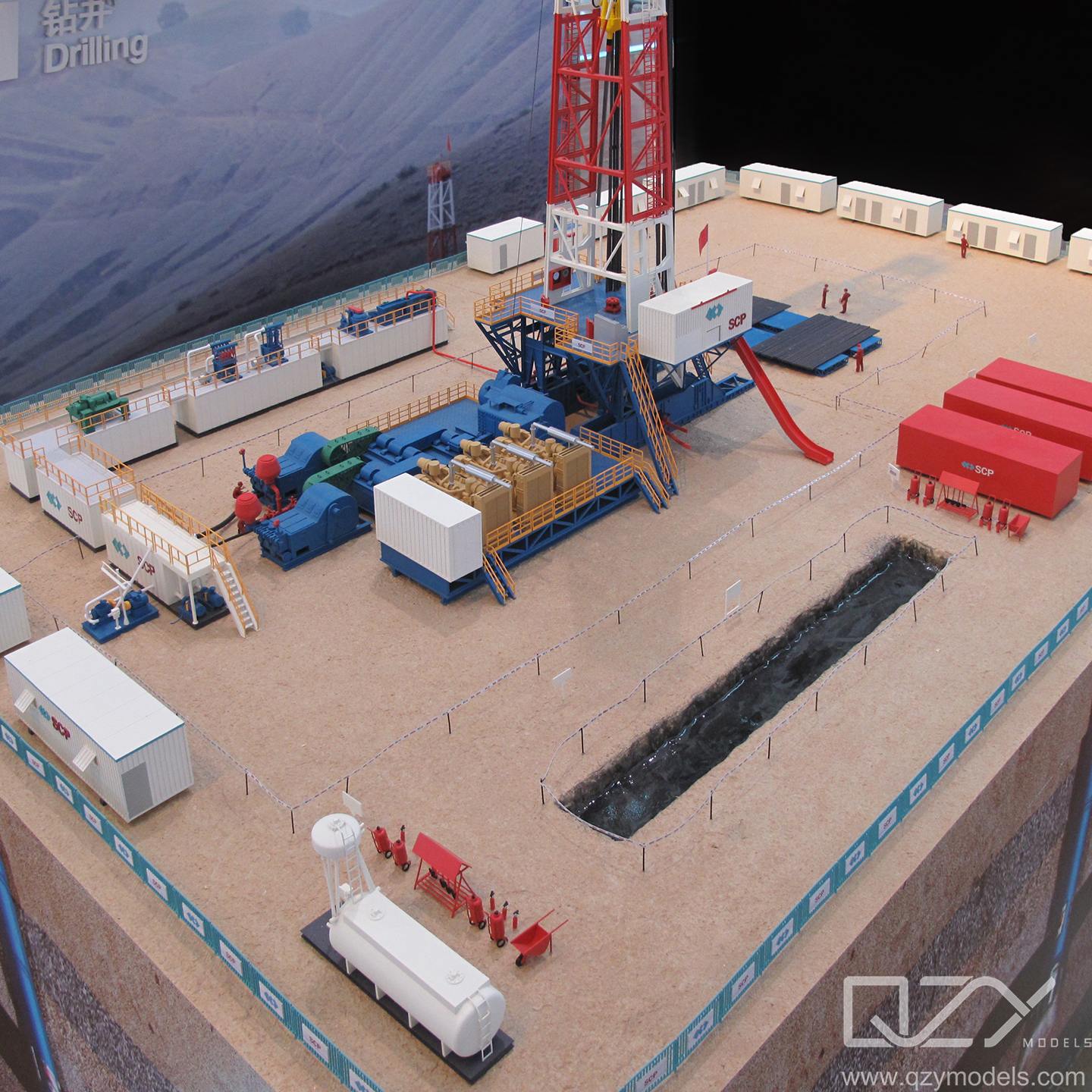
Dubai utilizes a diverse range of model types, each serving unique project requirements. Common categories include master plan models, high-rise tower models, mixed-use developments, luxury residential projects, and landscape or infrastructure models. Many service providers combine traditional craftsmanship with advanced fabrication to produce models with high detail and durability.
Below is an overview of popular model types:
| Model Type | Purpose | Common Users |
|---|---|---|
| Master Plan Models | Show large-scale urban layouts | Developers, government planners |
| High-Rise Models | Present towers and façade concepts | Architects, sales teams |
| Mixed-Use Models | Demonstrate complex multi-function spaces | Real estate groups |
| Landscape Models | Highlight environmental and outdoor design | Landscape architects |
QZY Models offers all major model formats, ensuring each piece supports Dubai’s competitive real-estate and architectural environment.
Which Technologies Are Used in Dubai’s Architectural Model Making?
Modern model making in Dubai integrates technologies such as SLA and FDM 3D printing, CNC milling, laser cutting, and digital sculpting software. These tools ensure accuracy, speed, and consistency—important qualities in Dubai’s fast-paced development cycles. Digital enhancements like lighting control systems and interactive touchscreens further elevate presentations.
Advanced visualization solutions, including VR and AR, often complement physical models for immersive project storytelling. QZY Models incorporates these hybrid techniques to help clients communicate intricate concepts clearly.
Why Are Physical Architectural Models Essential Despite Digital Advances?
While digital tools offer flexibility, physical models provide sensory engagement that digital screens cannot replicate. They allow audiences to observe scale, hierarchy, and materiality firsthand, ensuring stronger emotional and practical understanding. Physical models also make design reviews more effective, enabling clearer discussions among cross-disciplinary teams.
In exhibitions and sales environments, physical models remain unmatched in attracting attention and conveying project value, reinforcing why Dubai continues to invest heavily in them.
Who Benefits Most from Architectural Model Making Services in Dubai?
Various sectors gain value from professional model making, including architects validating early concepts, developers preparing for investment meetings, and government planners reviewing large-scale proposals. Industrial designers, landscape architects, and interior designers also use models to refine spatial decisions.
QZY Models supports a wide client base in Dubai and the Middle East, offering premium-quality models that meet the demanding expectations of luxury real estate and global architectural firms.
When Should Architectural Models Be Integrated into the Project Lifecycle?
Model integration is beneficial from concept development through construction documentation and marketing phases. Early use helps teams test massing and orientation, while later phases leverage detailed models for presenting final aesthetics and attracting investors.
Well-timed model production aligns with milestone presentations, competitions, exhibitions, and sales launches, ensuring maximum impact.
Where Are Architectural Model Making Services Primarily Located in Dubai?
Most model making providers operate within creative and industrial zones, offering proximity to real estate developers, architects, and government departments. Facilities are typically equipped with advanced fabrication machinery, controlled model rooms, and dedicated installation teams.
QZY Models maintains international branches including within the UAE, offering localized expertise supported by a global production network.
Does QZY Models Stand Out Among Dubai’s Model Making Companies?
QZY Models distinguishes itself through over two decades of experience, industry-recognized craftsmanship, and a proven global client portfolio. Their team blends artisan skill with high-precision technology, delivering models that meet stringent aesthetic and technical standards. Their deep regional understanding and international project experience place them among Dubai’s most trusted partners.
Has Sustainable Practice Influenced Architectural Model Making in Dubai?
Sustainable materials and processes are becoming increasingly important. Many workshops now adopt recyclable plastics, responsibly sourced woods, and low-waste machining strategies. Energy-efficient fabrication technology further reduces environmental impact.
These green approaches align with Dubai’s broader sustainability objectives, ensuring models are both visually impressive and environmentally responsible.
Can Architectural Model Making Services Enhance Stakeholder Communication?
Yes, model making significantly enhances communication by offering a universal visual reference that bridges technical and non-technical audiences. Physical models help clarify design intent, minimize misunderstandings, and accelerate decision-making.
QZY Models specializes in creating models tailored to each stakeholder group, ensuring communication is clear, efficient, and persuasive.
QZY Models Expert Views
“Architectural models are more than display pieces—they are strategic tools that shape design clarity and project success. At QZY Models, we combine precision craftsmanship with advanced fabrication to create models that communicate ideas powerfully. Our mission is to provide developers and architects in Dubai with models that strengthen presentations, streamline planning, and inspire confident decision-making.” — Richie Ren, Founder, QZY Models
Conclusion
Architectural model making services play a transformative role in Dubai’s visionary development ecosystem. They enhance design validation, elevate stakeholder communication, and support powerful marketing. Through advanced technology, expert craftsmanship, and sustainable practices, physical models remain indispensable tools for shaping Dubai’s future. QZY Models continues to lead through innovation, quality, and an unwavering commitment to excellence.
Frequently Asked Questions
What makes physical architectural models valuable in Dubai?
They provide realistic, tactile representations that enhance understanding, communication, and decision-making.
How does 3D printing benefit model production?
It increases precision, accelerates fabrication, and enables more complex architectural forms.
Why do clients choose QZY Models?
Their long experience, global expertise, and precision-focused craftsmanship ensure exceptional model quality.
Are eco-friendly materials used in model making?
Yes, many firms adopt recyclable materials and energy-efficient practices to support sustainability.
When should a project include a physical model?
During early design validation and later for high-impact presentations, exhibitions, and sales campaigns.