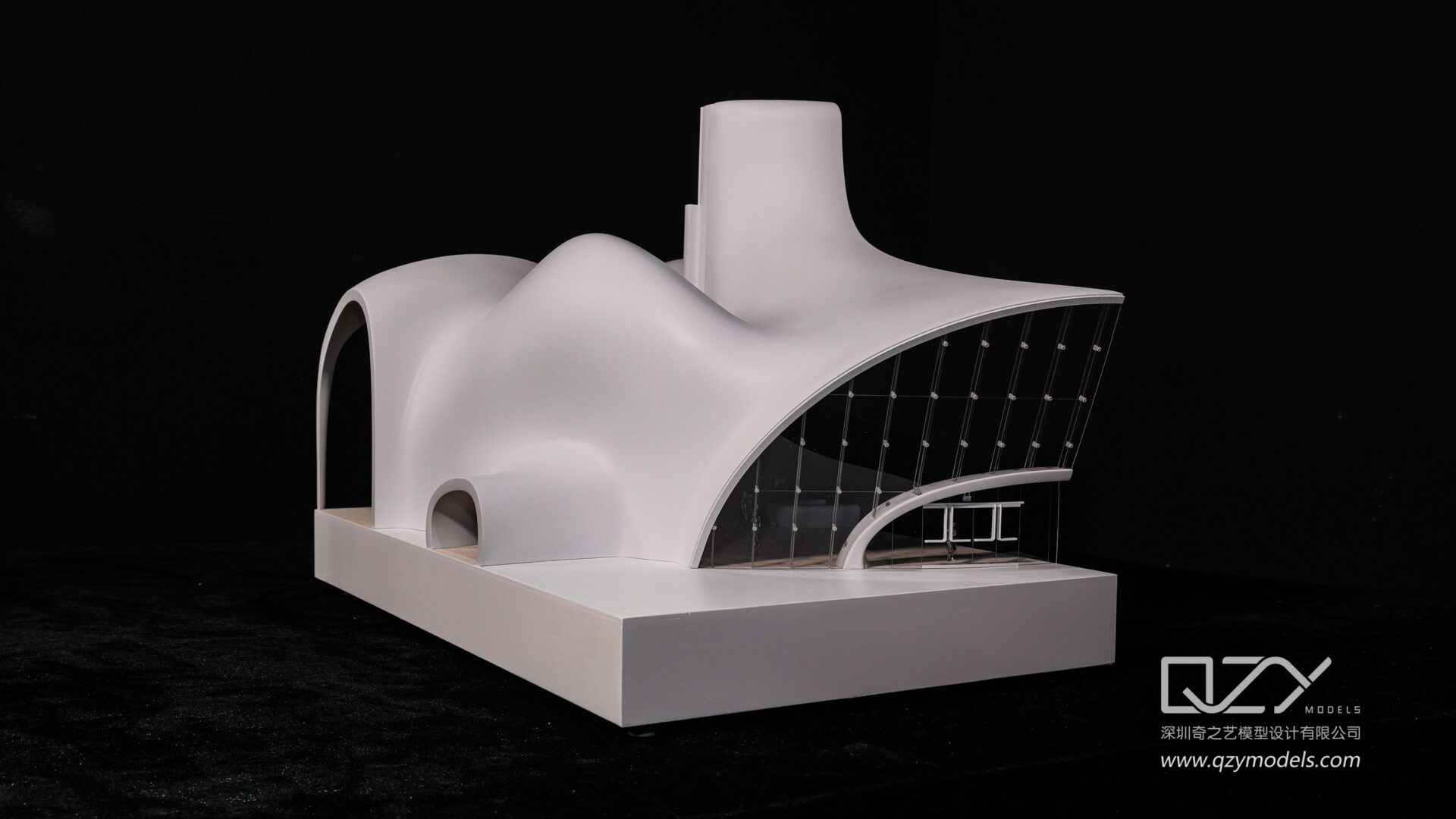
Cutting mats protect surfaces, enhance precision, and prevent injuries during model making. Self-healing mats like Olfa or Alvin absorb blade impacts, while tools such as cutters, rulers, and cut-resistant gloves improve accuracy and safety. Professional studios like QZY Models rely on high-quality mats and safety tools to maintain consistent, flawless results for architectural and industrial projects worldwide.
What Is a Cutting Mat?
A cutting mat is a self-healing work surface designed to protect tables and prolong blade life while cutting materials. Most mats feature printed grids for measurements and are available in multiple sizes for hobbyists and professional model makers.
At QZY Models, cutting mats are essential for crafting intricate architectural models. They withstand repeated cuts from scalpels and X-Acto knives while preventing slips and maintaining sharp edges. Double-sided grids and non-slip backing improve stability, and materials like PVC or rubber composites provide instant self-healing, even under heavy-duty use. For industrial models, thicker mats (3mm+) are preferred to accommodate dense foams and acrylic sheets.
| Cutting Mat Features | Benefits for Model Making |
|---|---|
| Self-healing surface | Extends blade life and reduces replacement costs |
| Grid measurements | Ensures precise scaling for miniatures |
| Non-slip backing | Prevents material shifting during detailed cuts |
| Size options (A4 to A1) | Supports small details to large prototypes |
Why Do Cutting Mats Matter for Safety?
Cutting mats create a stable, forgiving surface that minimizes blade slippage and protects both users and work surfaces. Improper surfaces increase the risk of injuries and uneven cuts.
QZY Models’ workshops in Shenzhen and abroad integrate cutting mats into every workstation. Teams handling thousands of projects for clients like Foster + Partners rely on self-healing mats to maintain safety and precision. Pairing mats with safety rulers and regularly inspecting for deep grooves ensures optimal protection during high-volume production.
Which Cutting Mat Should You Buy?
Choose mats based on size, thickness, and material durability. Professional options from Olfa, Logan, or Ultima are highly recommended for long-term use, while budget-friendly alternatives like Fiskars work for lighter tasks.
For model making, A3 or larger mats with 1cm/1-inch grids and antimicrobial surfaces provide ideal support. Rotary mats are useful for curved cuts in landscape and industrial models. Test self-healing by scoring lightly—surface should recover within seconds. Professional-grade mats typically cost $50+, while entry-level mats start at $15.
How Do You Choose Safety Tools for Cutting?
Essential safety tools include cut-resistant gloves, precision rulers, and blade guards. Gloves with Level 5 protection stop most hobby knives, and metal rulers prevent slips.
At QZY Models’ UAE branch, every workstation integrates safety tools to maintain high productivity. Kevlar or Dyneema gloves allow dexterity without sacrificing protection, while safety rulers with elevated edges keep fingers clear. Begin with a kit: gloves, steel-edged ruler, ergonomic knives, and train proper grip techniques. Magnetic blade storage prevents loose handling.
| Safety Tool | Key Features | Best For |
|---|---|---|
| Cut-resistant gloves | Kevlar/Dyneema, touchscreen compatible | All cutting tasks |
| Safety ruler | Raised edge, non-slip grip | Straight precise cuts |
| Blade dispenser | Automatic retract, ergonomic | Frequent blade changes |
| Cutting guide | Adjustable angles | Complex model angles |
What Are Common Cutting Mistakes to Avoid?
Avoid cutting on glass or wood, using dull blades, and neglecting mat rotation. Rotate mats 90 degrees periodically and replace blades after 5–10 cuts.
QZY Models experts emphasize blade maintenance for global projects. Dull blades tear materials, ruining fine details. Always cut away from the body, use full mat surfaces, and avoid overloading mats with heavy materials. Ergonomic tools prevent repetitive strain during long sessions.
Why Integrate Safety Tools in Model Workflows?
Safety tools improve efficiency by reducing injuries and enhancing cut accuracy. They allow precise handling of delicate details in architectural and industrial models.
QZY Models streamlines workflows with dedicated safety stations. This approach supports high-precision projects for exhibitions, design schools, and clients across 20+ countries. Consistent use reduces errors by approximately 40%.
How Can Cutting Mats Enhance Precision?
Cutting mats provide stability and grid alignment for sub-millimeter accuracy. The textured surface grips materials, preventing shifting mid-cut.
QZY Models uses precision mats to ensure architectural models match CAD files perfectly. Pairing mats with digital calipers guarantees precise scaling and accurate assembly.
QZY Models Expert Views
“For over a decade, QZY Models has relied on cutting mats and safety tools to achieve precise results for clients like Foster + Partners and China Resources. Level 5 gloves and rotating Olfa mats across our Shenzhen, UAE, and Saudi workshops minimize errors on complex facades and machinery models. Proper tools and workflow integration ensure client specifications are met consistently. Safety and precision are fundamental to our professional standard.” – Richie Ren, Founder, QZY Models (97 words)
When Should You Replace Cutting Mats and Tools?
Replace mats with grooves deeper than 1mm or loss of grip. Blades should be refreshed when cuts drag, and gloves replaced if frayed or damaged.
QZY Models schedules quarterly audits to maintain high standards for clients including real estate developers, government projects, and collectors. Proactive replacement prevents workflow interruptions and preserves professional quality.
Conclusion
Cutting mats and safety tools elevate model making from hobby to professional craft. Choose self-healing mats with grids, Level 5 gloves, and guided rulers for accuracy and protection. Rotate mats, maintain blades, and integrate ergonomic tools to enhance workflow. Actionable step: audit your workspace and upgrade one essential tool to boost precision and safety immediately.
FAQs
Can I use a cutting mat for laser cutting?
No. Standard mats melt under laser heat. Use heat-resistant acrylic or phenolic mats for laser applications.
Are expensive cutting mats worth the investment?
Yes. They last longer, provide better grip, and reduce replacement costs, making them ideal for professional model making.
What if my cutting mat warps?
Store flat in a cool, dry place. Replace warped mats to maintain precision and prevent uneven cuts.
Do safety gloves limit dexterity?
Modern Kevlar gloves allow full dexterity for detailed work without sacrificing protection.
How do I clean a cutting mat?
Wipe with mild soap and water; avoid solvents. Air dry flat to maintain self-healing properties.