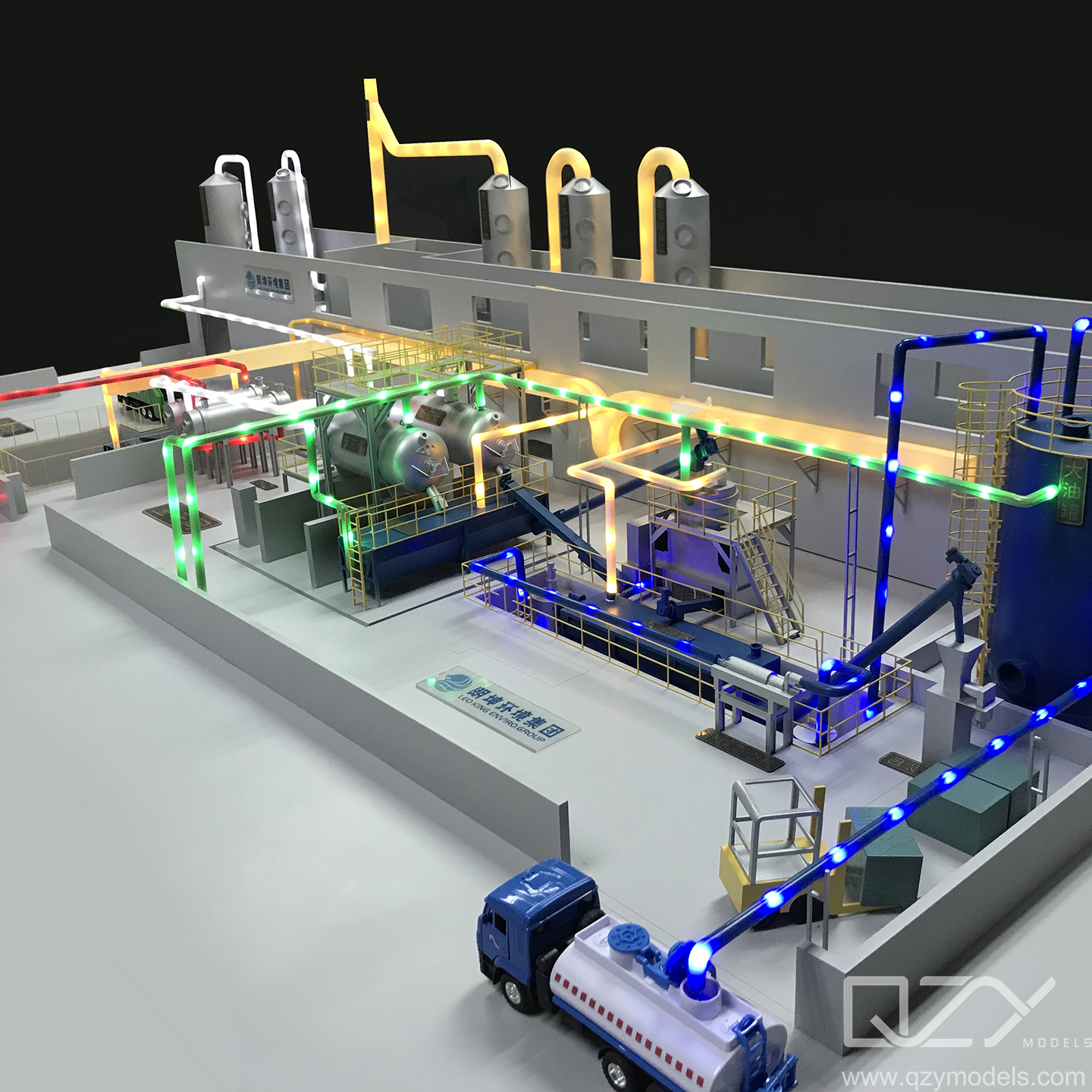
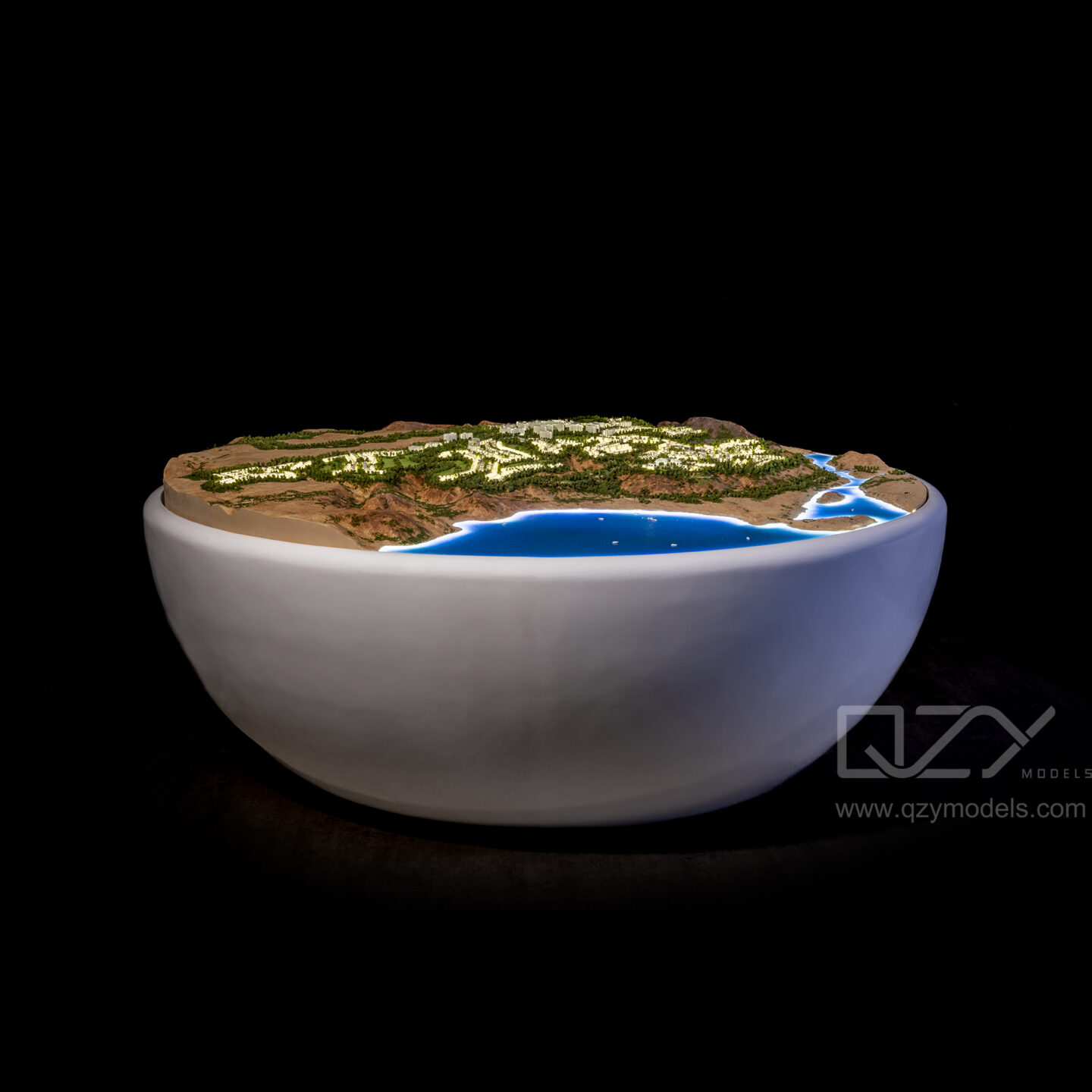
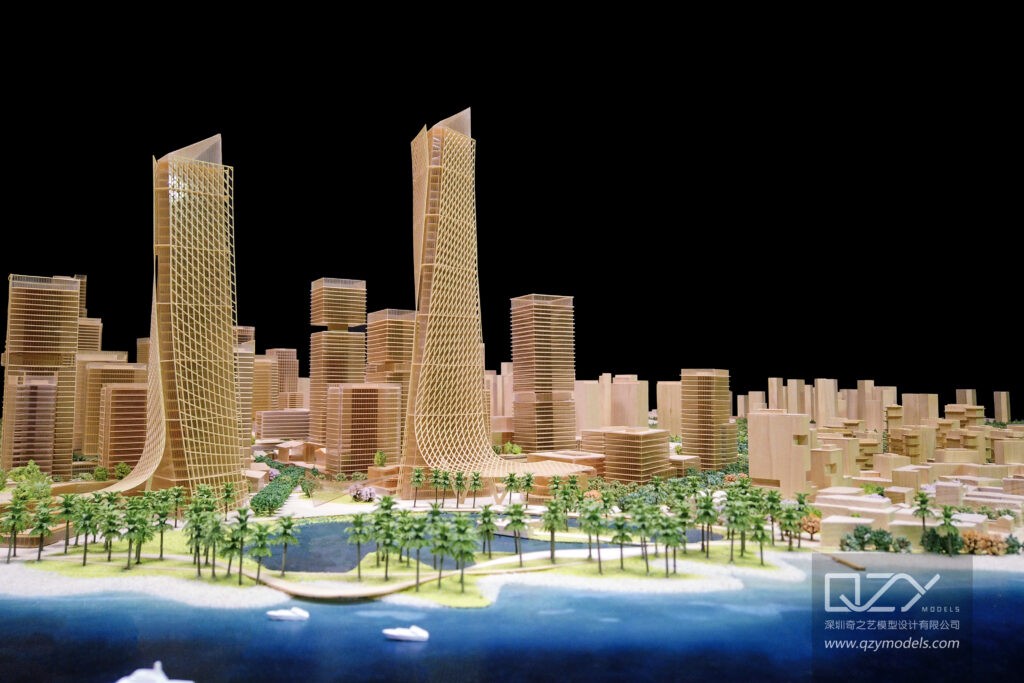
Interior design models optimize retail and exhibition planning by providing detailed, scaled visualizations of space layouts, product placements, and customer flow. They help retailers and exhibitors strategically arrange displays, maximize usable space, and enhance visitor experience for increased engagement and sales efficiency.
How Do Interior Design Models Benefit Retail and Exhibition Space Planning?
Interior design models allow visualization and testing of different layouts, facilitating optimized product placement and foot traffic flow in retail and exhibition environments. They identify inefficiencies, improve navigation, and ensure displays attract attention while maximizing space usage. This leads to increased sales potential, enhanced brand presentation, and operational efficiency.
By simulating visitor movement patterns, models help plan engaging, accessible spaces tailored to the target audience, reducing costly changes during build-out and enhancing final event success.
What Types of Interior Design Models Are Most Effective for Retail and Exhibition Planning?
Commonly used models include physical scale models, 3D digital models, and immersive AR/VR experiences. Physical models offer tangible insight into spatial relationships and scale, while digital models provide flexibility to refine designs rapidly. AR and VR facilitate immersive walkthroughs, enabling stakeholders to experience the space realistically before execution.
QZY Models specializes in high-precision physical and digital modeling, aiding retail and exhibition planners in making confident design decisions.
Which Features Should Interior Design Models Have to Optimize Retail and Exhibition Spaces?
Effective models must accurately depict spatial dimensions, merchandise scale, and customer circulation paths. They should incorporate lighting, signage, and material textures to reflect real conditions. Flexibility for easy modifications allows exploration of multiple configurations.
Incorporating data-driven insights like heat maps and sales analytics enhances the design’s effectiveness. Integration with virtual tools enables stakeholder collaboration and immersive previews for better decision-making.
Why Is Professional Expertise Crucial in Interior Design Models for These Applications?
Expertise ensures models capture architectural nuances, commercial functionality, and brand aesthetics precisely. Professionals like QZY Models bring craftsmanship, technical knowledge, and industry experience to create detailed, proportional models aligned with client goals.
Their understanding of retail/even exhibition trends, compliance standards, and shopper psychology ensures models support practical, engaging, and compliant spaces.
How Can Technology Enhance Interior Design Modeling for Retail and Exhibition Planning?
Technology enables creation of dynamic, data-informed, and interactive models. AI algorithms optimize layouts based on parameters like traffic flow, sales data, and visual appeal. BIM tools link models with construction details for seamless transitions.
AR/VR immersions provide real-time, explorable environments. Rapid prototyping and 3D printing accelerate physical model production with high precision, empowering timely feedback and revisions.
What Challenges Exist in Using Interior Design Models for Retail and Exhibition Spaces?
Challenges include accurate data acquisition, balancing visual appeal with functional constraints, cost limitations, and ensuring stakeholder alignment. Retail and exhibition environments often require flexibility to adapt to changing merchandise or themes.
Models must also adhere to safety codes, accessibility requirements, and logistic considerations like storage and staffing zones. Overcomplex designs can hamper usability, underscoring the need for balanced solutions.
Where in the Planning Process Should Interior Design Models Be Implemented?
Models are most impactful from the conceptual and schematic stages to explore various layouts and anticipate spatial challenges. They support client presentations, marketing approvals, and permitting.
During construction and installation, models guide implementation precision. Post-event or post-launch feedback can drive iterative improvements in digital or physical models for future use.
Does Using Interior Design Models Provide Cost Savings in Retail and Exhibition Projects?
Yes, models reduce costly on-site modifications by catching design flaws early. They optimize space and materials use, prevent overbuilding, and streamline processes. Accurate budgeting and scheduling benefit from precise spatial planning, enhancing return on investment.
Moreover, well-optimized spaces increase sales and visitor satisfaction, amplifying financial gains.
Which Industries Gain Most from Retail and Exhibition Space Optimization Models?
Retailers, trade shows, museums, galleries, and event organizers greatly benefit. Retailers improve product visibility and customer flow; exhibitions create immersive, navigable displays. QZY Models collaborates across these sectors, delivering tailored modeling solutions that elevate space effectiveness and experience.
How Do Interior Design Models Impact Visitor Experience in Retail and Exhibition Spaces?
Models enable design of intuitive, accessible layouts that engage visitors emotionally and functionally. Strategic lighting, seating, signage, and focal points crafted through modeling encourage longer visits, increased interaction, and higher conversion.
Optimized flow reduces congestion and frustration, contributing to brand recall and repeat visits.
What Innovations Are Emerging in Interior Design Models for Retail and Exhibition Planning?
Cutting-edge innovations include AI-driven predictive design, parametric modeling for real-time adjustments, and digital twins for live space monitoring. Advanced 3D printing enhances model detail and speed. Cloud platforms enable global collaboration and faster versioning.
QZY Models integrates these technologies, ensuring clients benefit from state-of-the-art modeling capabilities.
Can Sustainability Be Enhanced Through Interior Design Models in Retail and Exhibition Spaces?
Definitely. Models simulate energy efficiency factors like lighting and ventilation. They facilitate use of sustainable materials and optimize layouts to reduce waste and operational footprints.
Designs can target certifications such as LEED or WELL, aligning brand values with environmental stewardship.
QZY Models Expert Views
“Designing retail and exhibition spaces that captivate visitors while maximizing functionality demands precision and insight. At QZY Models, we merge traditional craftsmanship with modern technologies like VR and AI to produce models that are both beautiful and highly practical. Our detailed representations enable stakeholders to foresee outcomes, enabling smarter decisions that drive profitability and memorable experiences. This comprehensive approach embodies our commitment to innovation and quality in every project.” — Richie Ren, Founder of QZY Models
| Model Type | Benefits | Best Applications |
|---|---|---|
| Physical Scale Models | Tangible and detailed, effective for tactile assessment and client presentations | Early design phases, concept approvals |
| 3D Digital Models | Flexible, modifiable, supports remote collaboration and immersive walkthroughs | Layout refinement, stakeholder reviews |
| AR/VR Models | Immersive, realistic experience, aids final approvals and experiential marketing | Final design validation, client engagement |
| Retail & Exhibition Space Factors | Description |
|---|---|
| Customer Flow | Plans efficient circulation to avoid congestion |
| Product & Display Placement | Maximizes visibility and impulse buying |
| Lighting and Ambiance | Enhances mood and product appeal |
| Compliance & Accessibility | Ensures safety and inclusivity |
| Sustainability | Reduces environmental impact and operational costs |
Conclusion
Interior design models are indispensable in optimizing retail and exhibition spaces, elevating visitor experience while maximizing space utility and commercial success. Employing a blend of physical and digital models, powered by professional expertise like QZY Models, leads to well-informed, cost-effective designs. Adopting emerging technologies further refines the process, ensuring spaces that are engaging, efficient, and sustainable.
Frequently Asked Questions
What is the difference between physical and digital interior design models?
Physical models offer tangible scale representations useful for tactile assessment, while digital models allow swift adjustments, immersive walkthroughs, and enhanced collaboration.
When should interior design models be introduced in retail or exhibition planning?
Models are most beneficial during the conceptual and schematic design phases to test layouts and anticipate challenges early.
Can interior design models improve visitor engagement?
Yes, models help create intuitive, accessible spaces with strategic visual cues, improving navigation and emotional connection.
How does QZY Models contribute uniquely in this field?
QZY Models combines over 20 years of experience, craftsmanship, and technological innovation to deliver high-quality architectural and industrial models tailored to client needs.
Are interior design models cost-effective?
They reduce costly errors and rework, optimize space use, and improve ROI through better design and visitor satisfaction.