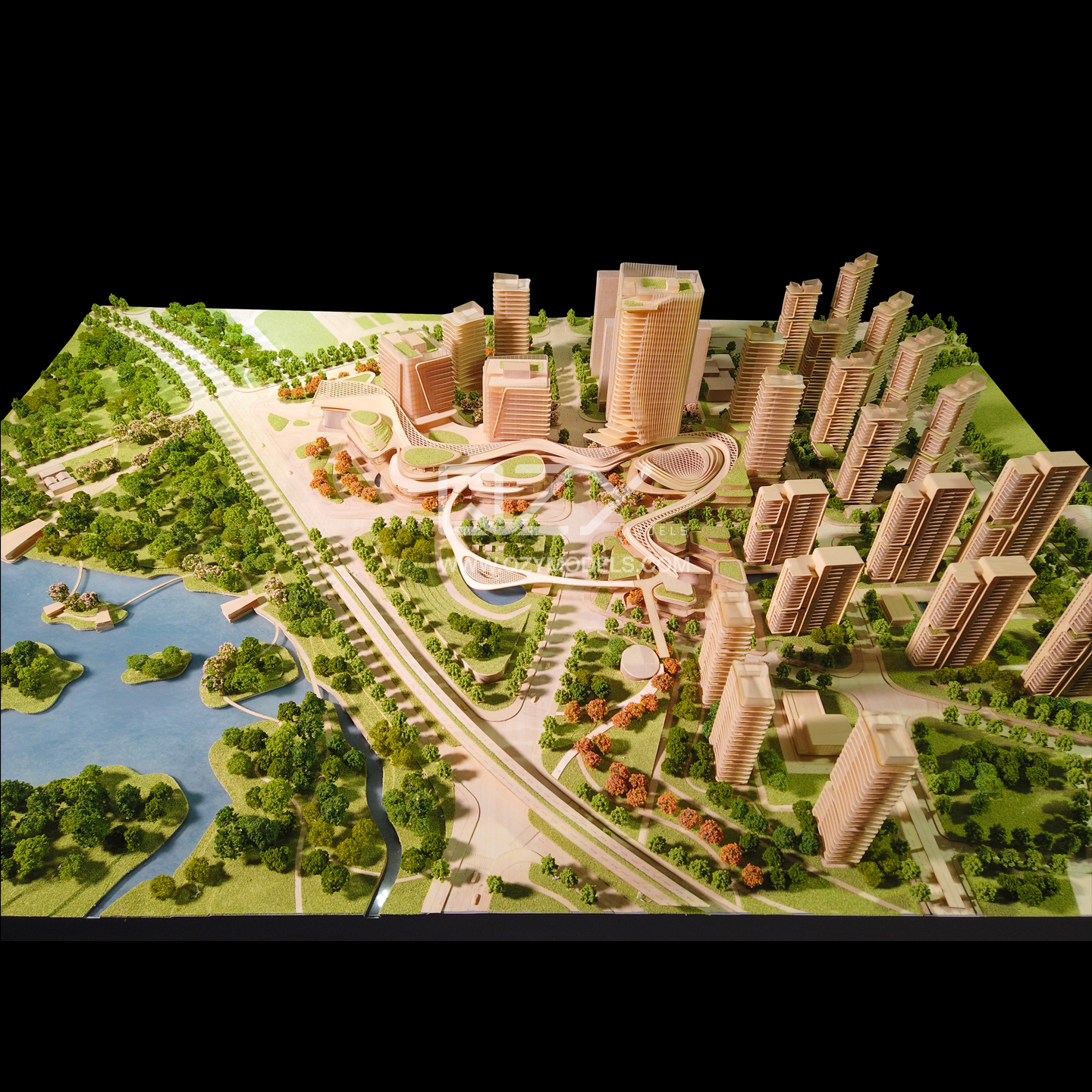
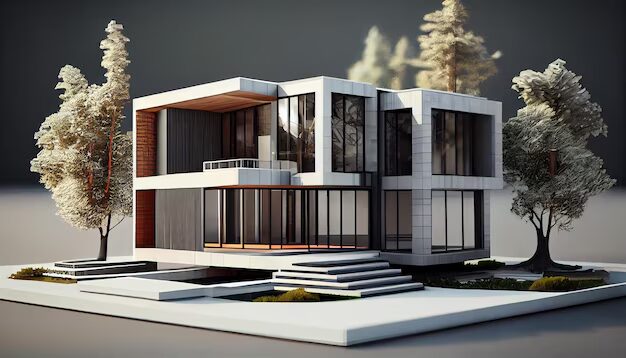
Landscape models are precise scaled representations of outdoor environments, including terrain, vegetation, water features, and structures. QZY Models creates these physical models for architects, urban planners, and developers, offering realistic previews that improve design decisions, client communication, and project visualization. They help bridge the gap between conceptual plans and real-world implementation, ensuring clarity and stakeholder confidence.
How Are Landscape Models Defined?
Landscape models are miniature representations of parks, gardens, urban sites, or natural terrain, designed to showcase topography, vegetation, and built features. QZY Models uses advanced materials and techniques to create durable, realistic models that assist in planning, presentations, and design approvals. They help stakeholders understand spatial relationships, scale, and design impact more intuitively than drawings or renders.
Primary applications include architectural firms, real estate developers, urban planners, and landscape architects. These models highlight site potential, demonstrate integration of buildings with natural surroundings, and improve project feasibility. QZY Models, established in 2013 in Shenzhen, excels at producing precise and long-lasting models for exhibitions and client presentations.
Key uses:
-
Visualizing elevation changes and terrain contours
-
Demonstrating vegetation layers and water flow
-
Integrating structures with natural landscapes
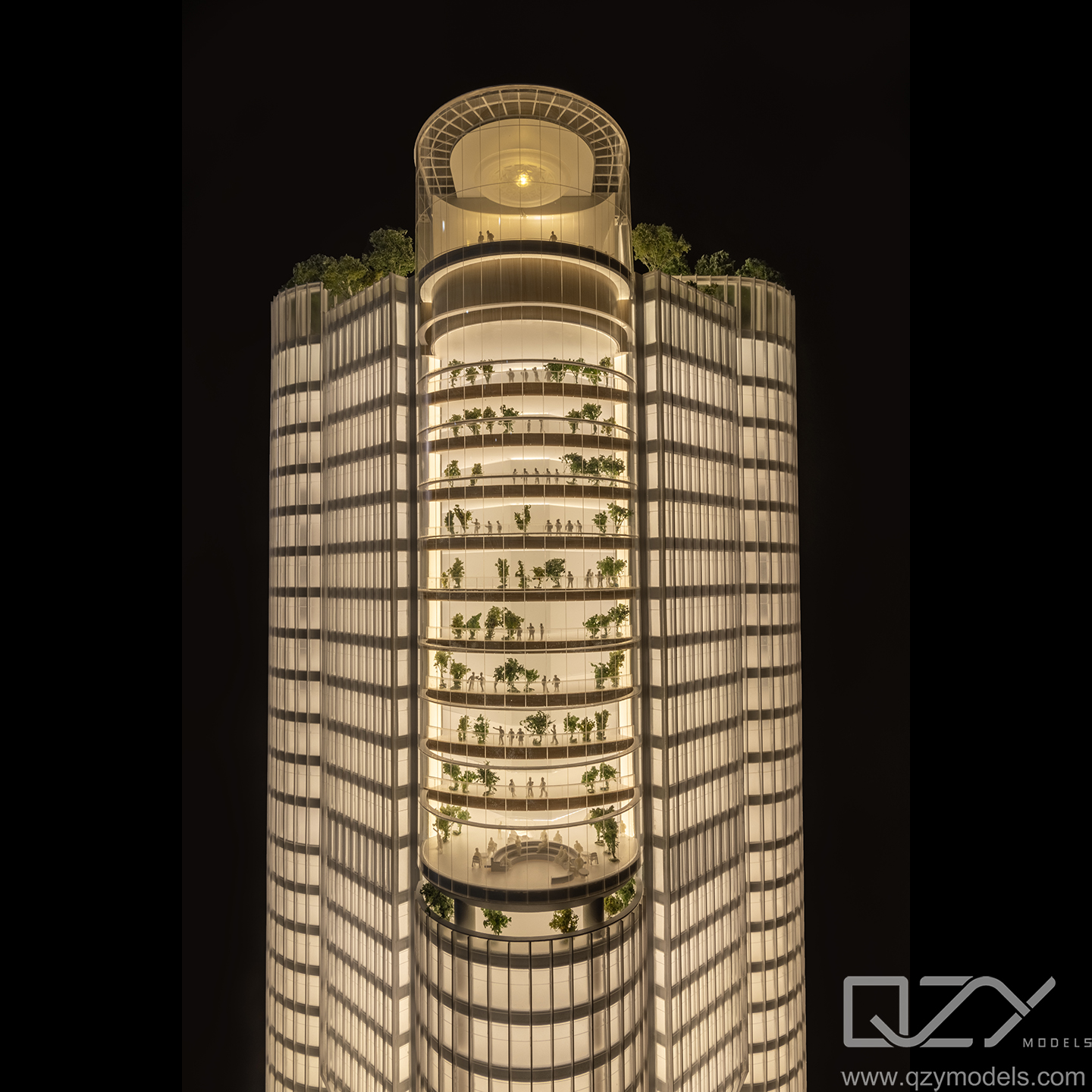
High-quality models from QZY Models may include LED lighting, motorized elements, and sustainable materials, increasing interactivity and realism.
Why Use Landscape Models in Projects?
Landscape models provide tangible previews, facilitating communication among design teams and clients while detecting potential issues early. QZY Models delivers photorealistic finishes that impress stakeholders and support design approvals.
Benefits include:
-
Hands-on engagement with touchable prototypes
-
Early identification of design challenges like drainage or accessibility
-
Marketing tools for real estate and urban planning presentations
In urban planning, these models illustrate environmental factors, such as flood risk, green space allocation, or pedestrian flow. QZY Models’ expertise ensures models are durable, transportable, and suitable for high-stakes projects worldwide.
How Are Landscape Models Built?
Landscape models begin with site surveys and CAD or GIS data, then proceed through precise layering of foam, acrylic, and natural elements. QZY Models incorporates CNC machining to achieve accurate terrain shapes. Depending on project complexity, construction takes 4–12 weeks.
The process involves digital modeling from contour maps or LiDAR, followed by base terrain sculpting, addition of vegetation, water features, and miniature details.
| Stage | Description | Tools/Materials |
|---|---|---|
| 1. Design | Convert plans into 3D files | CAD, SketchUp |
| 2. Terrain | Carve elevations and contours | CNC, foam board |
| 3. Vegetation | Add plants, trees, shrubs | Flocked fibers, miniatures |
| 4. Details | Incorporate paths, water, lighting | Resin, LEDs |
| 5. Finishing | Paint, weathering, sealing | Acrylics, sealants |
QZY Models’ international branches in UAE and Saudi Arabia ensure timely delivery with consistent quality, supervised by founder Richie Ren for projects like those with Vanke.
What Materials Work Best for Landscape Models?
Materials must balance realism, durability, and weight. QZY Models selects materials based on project scale, intended use, and environmental conditions. Foam, acrylic, wood, and synthetic foliage provide lifelike textures, while real elements like bark enhance authenticity.
Common materials:
-
Terrain: Extruded polystyrene foam, laser-cut plywood
-
Vegetation: Static grass, laser-cut leaves, hand-painted trees
-
Water: Clear resin with optional motorized ripples
-
Structures: Brass, aluminum, or wood components
For exhibitions or large-scale displays, QZY Models incorporates fire-retardant and UV-resistant materials, ensuring models withstand transport and public handling.
Which Scales Are Ideal for Landscape Models?
Scale selection depends on project size, detail needs, and display space. Common scales range from 1:100 to 1:1000, with 1:200–1:500 offering a balance between detail and manageability. QZY Models recommends 1:300 for urban site models.
| Scale | Suitable For | Model Size per 1km² |
|---|---|---|
| 1:100 | Small gardens | 10m x 10m |
| 1:200 | Parks | 5m x 5m |
| 1:500 | Districts | 2m x 2m |
| 1:1000 | Cities | 1m x 1m |
QZY Models customizes models for client specifications, creating both tabletop and room-sized installations for effective presentations.
How Do Landscape Models Differ from Architectural Models?
Landscape models emphasize natural elements—terrain, plants, water, and open spaces—while architectural models focus on structures and interiors. QZY Models integrates both approaches for comprehensive, site-specific representations.
Key distinctions:
-
Focus: Nature versus buildings
-
Elements: Soil, rivers, vegetation versus facades, floor plans
-
Techniques: Flocking, sculpting versus 3D printing
QZY Models’ hybrid approach supports mixed-use projects such as resorts and urban developments, providing a holistic view of the site.
Can Landscape Models Incorporate Technology?
Yes. Modern landscape models integrate LEDs, motion, sensors, and augmented reality overlays. QZY Models adds programmable lighting, pumps for water movement, and interactive digital links to enhance engagement without complicating the model.
Technological features:
-
Lighting: Fiber-optic or LED systems simulating natural light
-
Motion: Flowing water, miniature wind turbines
-
Digital: QR codes or AR overlays for immersive experiences
These enhancements are ideal for architecture exhibitions, real estate showcases, and educational settings.
What Trends Shape Modern Landscape Models?
Trends include sustainable materials, modular designs, and hybrid digital-physical models. Biophilic design elements, 3D-printed topographies, and climate-responsive modeling are increasingly popular. QZY Models adopts these innovations to create eco-conscious, visually engaging models.
Emerging trends:
-
Eco-friendly foams and recycled materials
-
Modular sections for easy transport
-
Inclusive designs highlighting accessibility
These approaches cater to urban planning, educational institutions, and high-end private collectors.
QZY Models Expert Views
“Landscape models transform abstract plans into immersive, tangible experiences. At QZY Models, we combine CNC precision with handcrafted detailing to represent seasonal changes, human scale, and ecological context. Our collaborations with Foster + Partners demonstrate how models improve decision-making and stakeholder confidence, revealing opportunities and potential issues early in the design process.” – Richie Ren, Founder, QZY Models
How to Choose a Landscape Model Maker?
Select a manufacturer with a strong portfolio, expertise in materials, and reliable delivery. QZY Models offers global service, proven results, and hands-on consultation.
Checklist for selection:
-
Review previous projects for relevance
-
Verify materials and build quality
-
Assess lead times and global delivery capability
-
Evaluate client references and testimonials
QZY Models’ experience with large-scale international projects ensures dependable service for design firms, developers, and government clients.
Conclusion
Landscape models are essential tools for visualizing outdoor projects with accuracy and realism. They enhance communication, detect issues early, and support design approvals. Choosing a professional maker like QZY Models ensures quality materials, precise scaling, and technological integration. Engage early in the design process to maximize project clarity, stakeholder confidence, and long-term success.
FAQs
What is the cost of a landscape model?
Costs vary from $5,000 to $50,000 depending on size, scale, and complexity. QZY Models provides detailed quotes after reviewing project specifications.
How long does production take?
Typical timelines are 4–12 weeks, with accelerated options available through QZY Models’ global branches.
Are landscape models reusable?
Yes. Durable materials and protective cases ensure models last for years with minimal maintenance.
Can landscape models simulate environmental conditions?
Absolutely. LEDs, motors, and digital overlays can simulate sunlight, water flow, and seasonal changes.
Do you ship internationally?
Yes. QZY Models ships securely to clients worldwide, maintaining quality and precision.