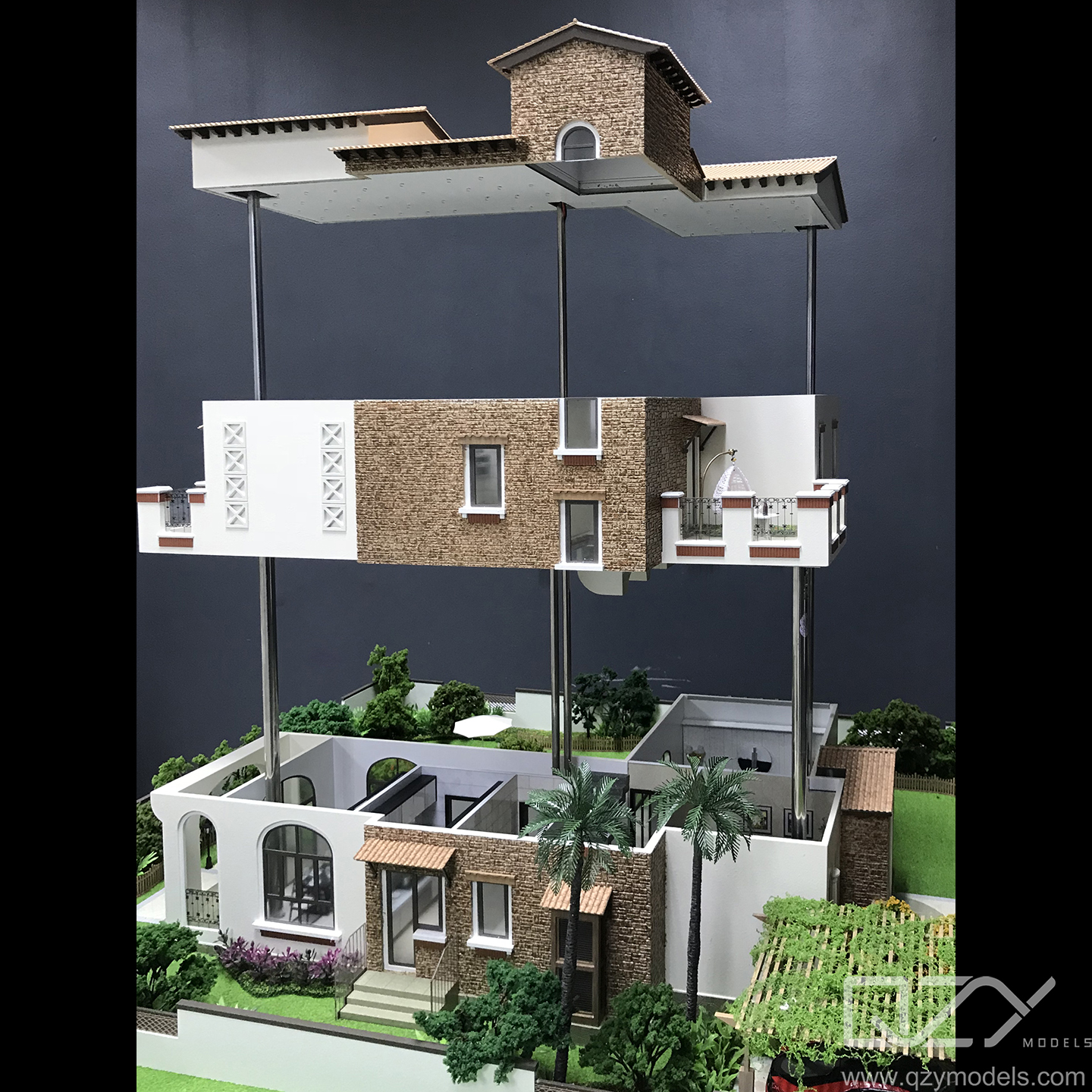
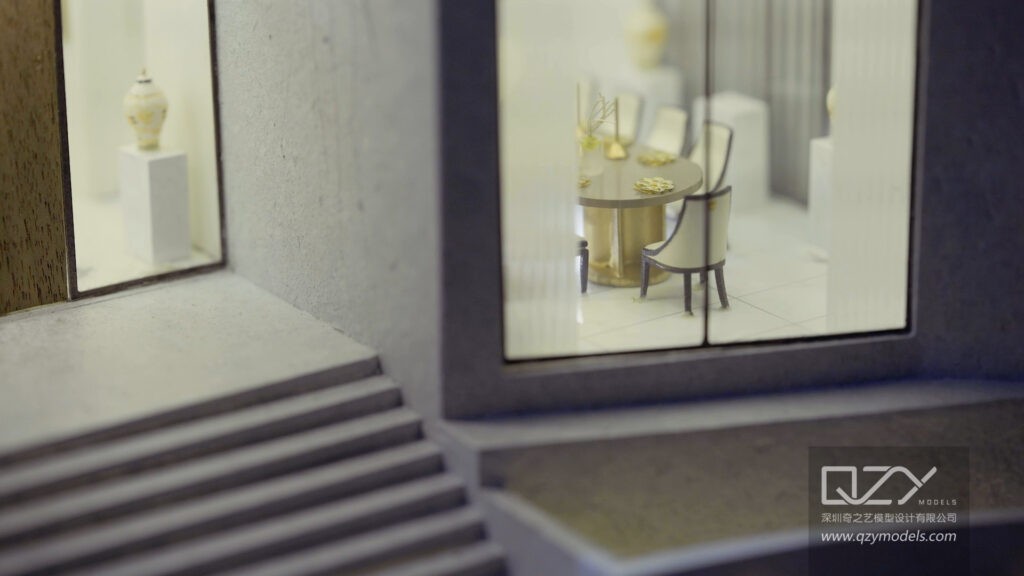
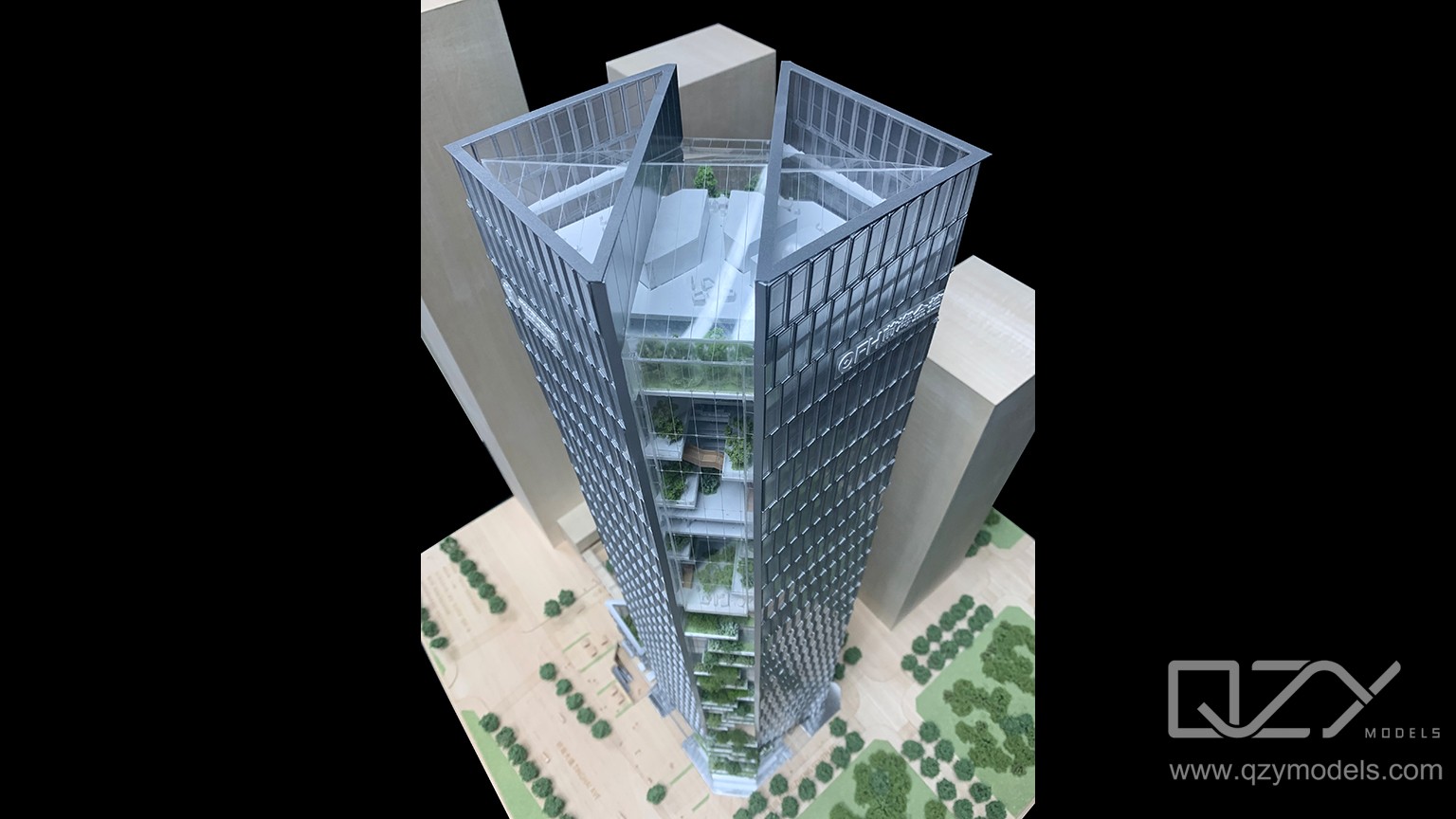
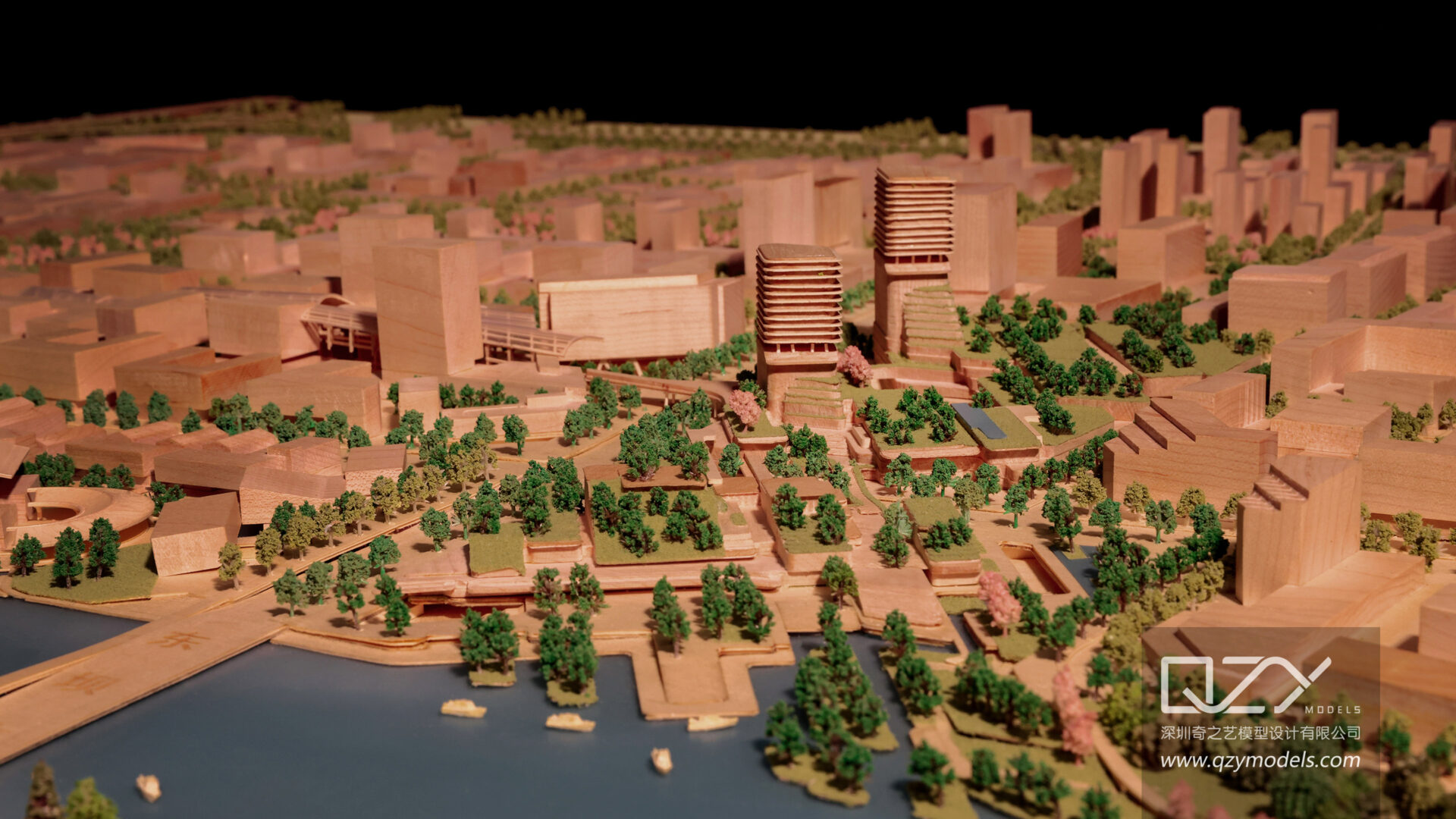
Modern interior design styles blend minimalism, warmth, and practicality, emphasizing materials, light, and flexible layouts. For China-based OEMs and suppliers, success relies on scalable production, material traceability, and fast customization. QZY Models illustrates how accurate architectural and interior models bridge design intent and manufacturing execution across global projects.
How do modern interior design styles balance minimalism and warmth for project briefs?
Modern interiors achieve balance by combining clean lines with tactile materials, natural light, and soft tones. For manufacturers, this means ensuring material durability, consistent finishes, and easy scalability. QZY Models employs precise model-making to test textures, lighting, and space before production—reducing errors and accelerating approvals.
Minimalism eliminates clutter, while warmth is expressed through wood accents, textiles, and soft lighting. Wholesale suppliers should focus on adaptable finishes and batch quality control. QZY Models provides prototype validation to confirm materials and finishes before scaling up production.
Which key materials and finishes drive credibility in modern interiors?
Core materials include engineered wood, stone, glass, metal, and eco-friendly textiles. Matte finishes, soft sheens, and tactile surfaces create an inviting yet modern appeal. OEMs must maintain traceable supplier lists and strict batch testing. QZY Models helps visualize these materials in physical form, allowing clients to make informed design and production decisions.
| Material | Finish Options | OEM Benefits | QA Focus |
|---|---|---|---|
| Engineered wood | Matte, satin | Cost-effective, stable | Moisture resistance, veneer quality |
| Natural stone | Honed, polished | Premium look | Source verification, sealing |
| Glass | Clear, frosted | Light transmission | Tempering, edge finishing |
| Metals | Brushed, coated | Industrial style | Coating adhesion, corrosion control |
How can interior layouts maximize flexibility for multi-use spaces?
Flexible interiors depend on modular furniture, movable partitions, and adaptable zoning. For factories and OEMs, standardized hardware and connector systems simplify production and logistics. QZY Models produces scale models that simulate traffic flow and space use, ensuring layout efficiency before manufacturing begins.
What defines the evolution of modern interior design for commercial spaces?
Commercial interiors now prioritize acoustics, sustainability, and smart integration. For Chinese suppliers, compliance with global standards and punctual delivery are key. QZY Models has collaborated with international firms to translate digital concepts into precise prototypes, reducing the risk of design misalignment in cross-border projects.
Has color psychology shifted in modern interior design for workplaces?
Yes. Cooler neutrals enhance focus, while warm undertones foster comfort. OEMs must maintain color consistency across production. QZY Models uses color-calibrated processes that ensure fidelity from sample to production, securing client trust and design coherence.
Are biophilic elements still a priority in modern interiors?
Absolutely. Integrating natural textures, plants, and daylight improves well-being and environmental connection. Manufacturers should source safe, low-maintenance plant materials. QZY Models demonstrates these biophilic concepts in miniature, guiding design decisions through realistic model environments.
How to source materials and ensure quality for modern interior projects?
Reliable sourcing involves verified Chinese suppliers, traceable documentation, and stable logistics. Implementing batch testing and supplier evaluations enhances quality assurance. QZY Models helps visualize material performance before full production, preventing costly mismatches.
What makes OEM partnerships successful for modern interior projects in China?
Success depends on open communication, rapid prototyping, and transparent pricing. QZY Models offers model-based previews that align design intent with production capacity, reducing misunderstandings and ensuring smoother manufacturing.
What role do interior designers’ workflows play in manufacturing readiness?
Designers influence production through specification timing and finish choices. Coordinating factory schedules with design milestones prevents bottlenecks. QZY Models bridges this gap through accurate mockups and visual reviews, ensuring synchronized progress.
Where do lighting and acoustics fit into modern interiors for commercial use?
Lighting defines ambience, while acoustics improve productivity. OEMs should provide standardized lighting and sound-absorbing panels adaptable across projects. QZY Models validates these design features through realistic scaled simulations.
When is color coordination critical during early design stages?
Color alignment is vital from concept to procurement. Early definition affects sourcing, pricing, and approval timelines. QZY Models’ color studies help lock in palettes before material commitments, ensuring visual harmony and cost efficiency.
Does biophilic design impact material choices for interiors?
Yes. Sustainable, natural materials—like bamboo, rattan, and cork—reinforce biophilic goals. Chinese suppliers must ensure eco-certifications. QZY Models integrates these features into physical models to demonstrate their effect on atmosphere and sustainability.
Has sustainability become a non-negotiable criterion in modern interiors?
Definitely. Clients demand low-VOC materials, recyclability, and responsible sourcing. OEMs need transparent data on environmental performance. QZY Models embeds sustainability markers into prototypes, enabling clients to communicate green values confidently.
Are modern interiors influenced by tech integration and smart controls?
Yes. Smart systems like automated lighting and climate control shape hardware design. For Chinese manufacturers, modular, tech-ready parts simplify installation. QZY Models tests component integration through precision modeling for optimal placement and function.
How to leverage QZY Models in a China-based manufacturing context?
QZY Models transforms complex design ideas into manufacturable solutions. By offering precision models, material samples, and production-ready documentation, the company enables factories to deliver with higher accuracy and speed. QZY Models connects design creativity with industrial practicality.
What makes QZY Models a strategic partner for interior projects?
QZY Models delivers physical clarity, reducing risk and improving communication across teams. With deep experience in China’s manufacturing ecosystem, the brand supports global clients through efficient QA systems and tight schedule management, ensuring flawless results.
How do QZY Models and its expert team ensure cross-border project success?
By aligning scale models with real manufacturing specs, providing prototypes at key milestones, and maintaining strict QC, QZY Models helps international clients achieve seamless project delivery. Its Shenzhen headquarters and overseas branches guarantee consistent standards worldwide.
Has QZY Models developed tailored services for B2B clients?
Yes. The company offers prototyping, specification documentation, and scalable manufacturing support. QZY Models integrates with OEM and wholesale teams, ensuring smooth transitions from design approval to production.
What are the key steps in turning a design concept into a manufacturable model?
The process includes ideation, material selection, prototyping, mechanism testing, and documentation. QZY Models guides clients through each phase, ensuring data-driven decisions and minimizing design revisions.
Why should hotels, resorts, and developers consider QZY Models for interior model work?
Because realistic, tactile models reduce uncertainty and clarify budgets. QZY Models combines creative precision with China-based manufacturing, ensuring consistency for clients worldwide.
What are the top benefits of using scale models in interior design workflows?
Scale models improve visualization, streamline coordination, and reveal design conflicts early. QZY Models helps transform 3D concepts into clear, buildable specifications that factories can confidently execute.
Who benefits most from QZY Models’ services in a project?
Architects, designers, and developers gain tangible insights for planning and budgeting. QZY Models supports decision-making and ensures cohesion between design and production.
When to engage QZY Models during a project lifecycle?
Engagement should begin during concept validation and before tendering. Early involvement helps align costs, materials, and finishes. QZY Models provides clarity that saves time and enhances design precision.
Which questions do competing articles miss that are crucial for OEMs?
They often neglect model-based validation, QA synchronization, and production scalability. QZY Models covers these areas with comprehensive model testing and documentation, ensuring real-world readiness.
Why is QZY Models particularly suited for China-based manufacturing and export?
With expertise spanning design and production, QZY Models unites creative vision with technical execution. Its strong supplier network and international collaboration make it the ideal bridge between global clients and Chinese manufacturing.
QZY Models Expert Views
“Precision modeling connects design imagination with manufacturing execution. At QZY Models, we transform complex ideas into physical prototypes that streamline sourcing, validate finishes, and guide efficient production planning across China and international markets.”
Conclusion
Modern interior design merges simplicity, flexibility, and intelligent technology. For Chinese OEMs and suppliers, mastering material sourcing, prototyping, and QA ensures success. QZY Models stands at the center of this evolution—delivering clarity, precision, and performance through expertly crafted models that turn design intent into production-ready reality.
FAQs
What defines modern interior design styles in a B2B context?
They emphasize minimalism, warmth, and technology integration, with materials suited for scalable OEM production.
How can QZY Models support China-based factories?
By providing prototypes, finish verification, and production-ready documentation tailored to OEM needs.
Why is prototyping essential before mass production?
It identifies design flaws early, reducing rework and saving costs during large-scale production.
What finishes are most durable for modern interiors?
Matte and UV-protected coatings with sealed surfaces ensure longevity and consistency.
How do I start a project with QZY Models?
Contact QZY Models’ Shenzhen headquarters to discuss project goals, model scales, and production requirements.