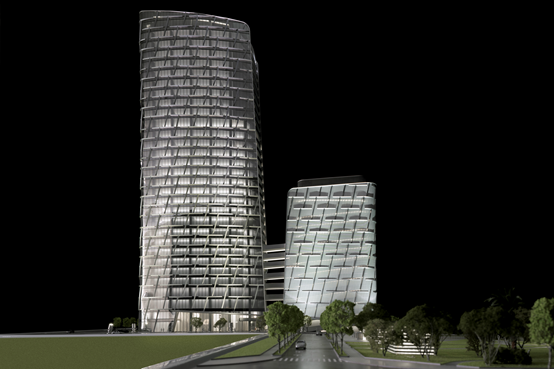
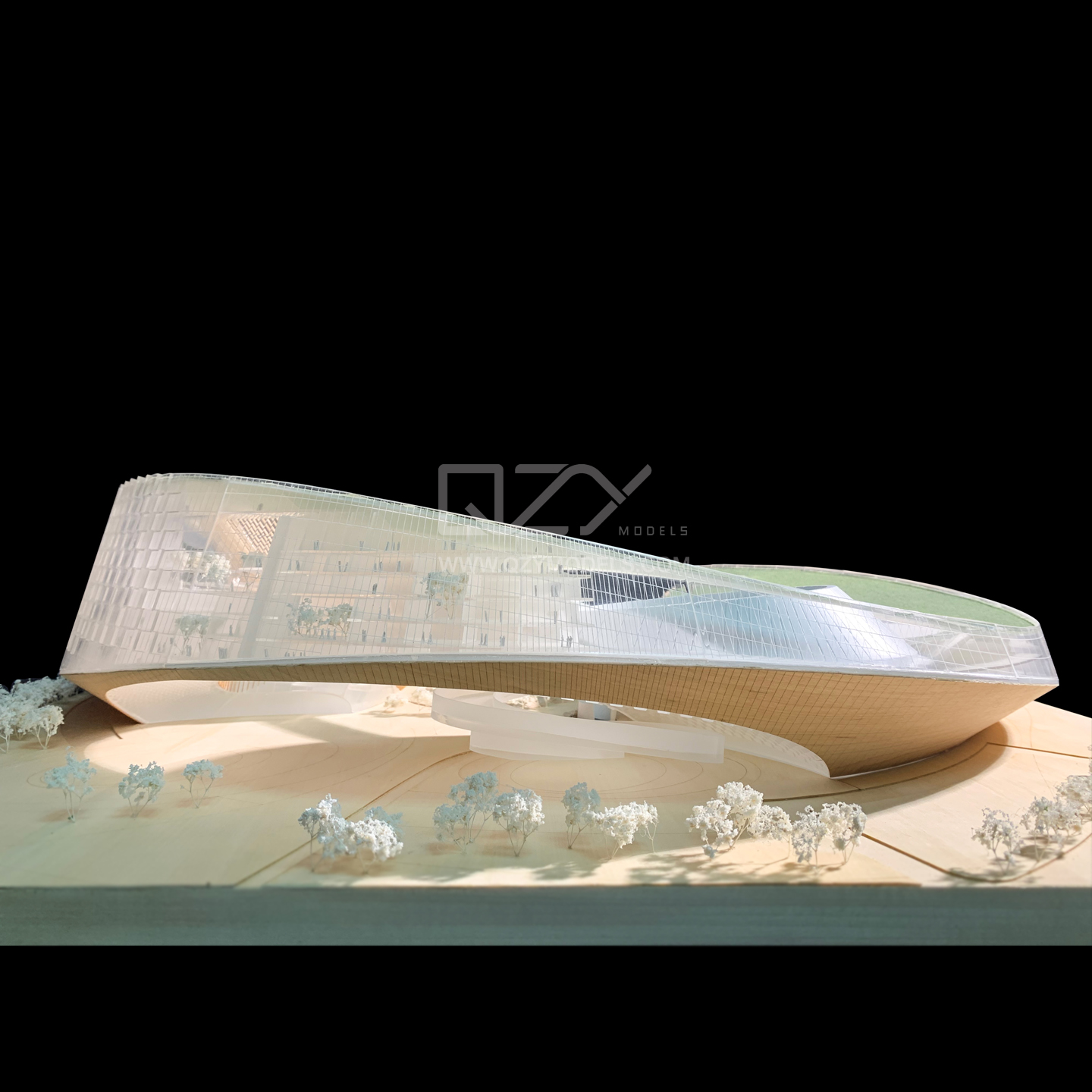
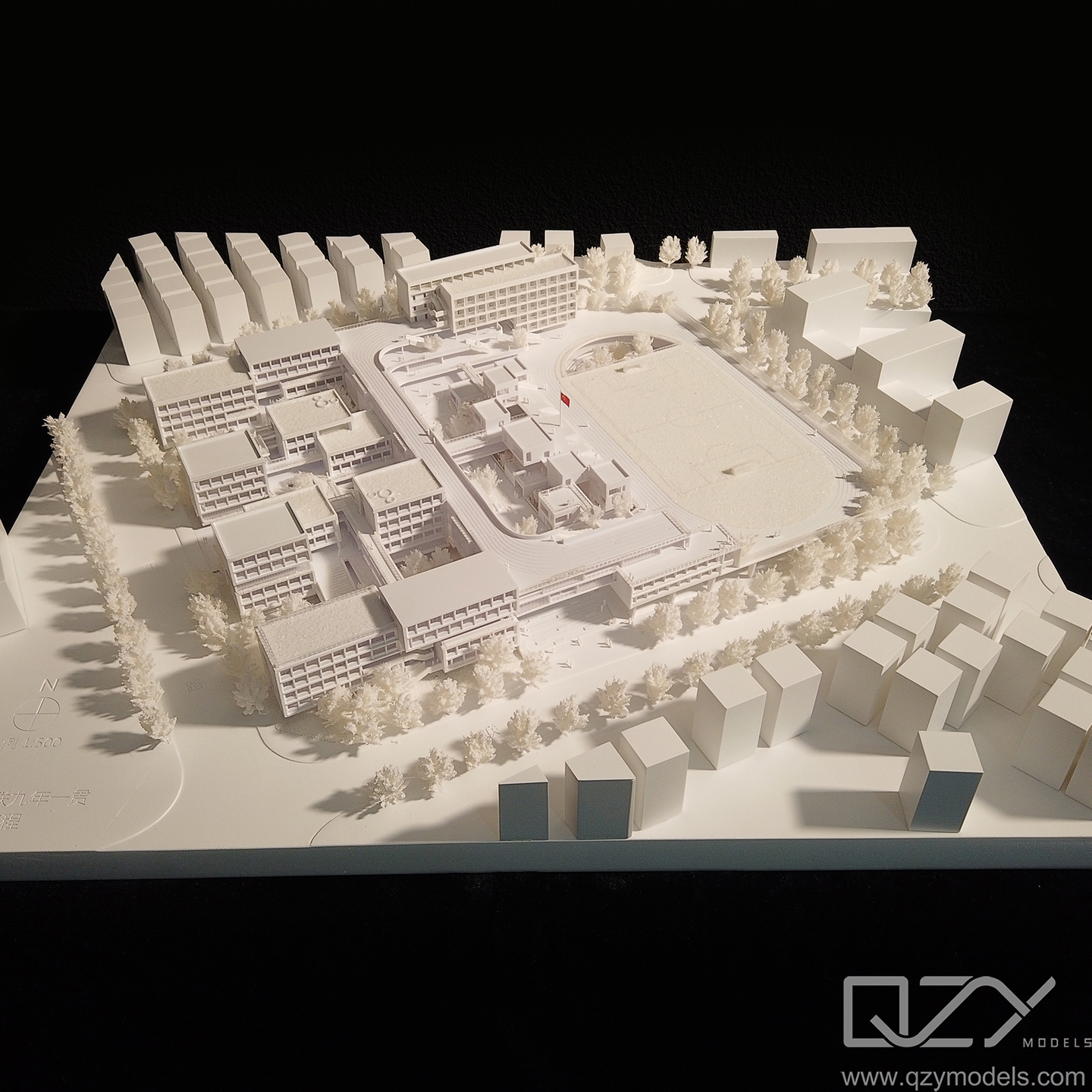
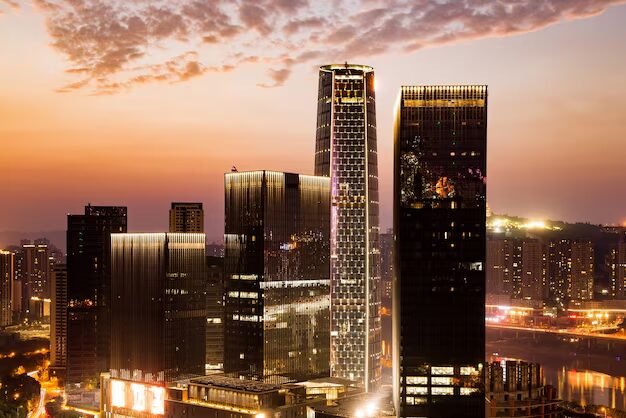
A scale model city is a meticulously crafted, miniature version of an urban area, accurately depicting buildings, streets, terrain, and other key elements in proportion. These models help architects, planners, developers, and stakeholders visualize city layouts, test urban planning concepts, and communicate designs clearly. QZY Models specializes in delivering high-quality, precise scale model cities for global clients.
What Are Scale Model Cities?
Scale model cities are detailed, three-dimensional representations of real or proposed urban environments. They replicate architecture, infrastructure, and landscapes with precision, often using materials such as 3D-printed resin, acrylic, and wood.
These models allow professionals to assess spatial relationships, understand massing, and convey complex urban designs in a tangible way. Unlike digital simulations, physical models engage viewers with a hands-on experience. QZY Models, with over 20 years of expertise, has completed thousands of projects worldwide for clients including Foster + Partners and major developers.
| Common Scale Model City Types | Purpose | Typical Scale |
|---|---|---|
| Urban Planning Models | Development visualization | 1:500 to 1:2000 |
| Exhibition Models | Public display & marketing | 1:1000 |
| Architectural Site Models | Project-specific context | 1:500 |
| Custom Collector Models | Educational or private collections | 1:300 to 1:1000 |
Why Use Scale Model Cities in Urban Planning?
Scale model cities provide a tactile, visual representation of urban density, building mass, and environmental context.
They help planners, developers, and governments identify potential issues such as traffic flow, sunlight exposure, and spatial constraints before construction begins. Physical models also engage non-experts and stakeholders more effectively than 2D or digital plans. QZY Models integrates modular design and accurate terrain features, allowing updates for evolving urban plans and long-term projects.
Benefits include:
-
Improved decision-making and faster approvals.
-
Enhanced communication for public exhibitions and investor presentations.
-
Ability to simulate “before and after” scenarios with modular components.
How Are Scale Model Cities Built?
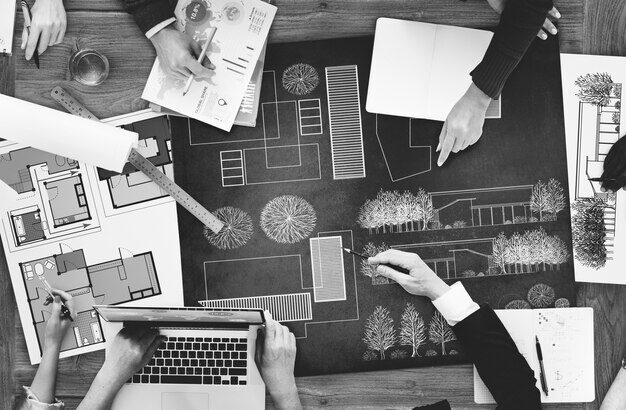
Creating a scale model city involves data collection, 3D modeling, fabrication, and meticulous assembly.
QZY Models uses CAD software like SketchUp or Rhino to design each component, followed by 3D printing, laser cutting, or CNC milling. Modular sections allow for transportability and future updates. Hand-finishing with paints, LEDs, and vegetation ensures realism. For example, a 1 sq km city at 1:1000 scale may take 4–12 weeks to complete, depending on size and complexity.
| Build Phase | Duration | Key Tools |
|---|---|---|
| Data Collection & Design | 2-6 weeks | LiDAR, SketchUp, Rhino |
| Fabrication | 1-3 weeks | 3D Printers, CNC, Laser Cutters |
| Assembly & Detailing | 1-4 weeks | Paints, LEDs, Miniature Vegetation |
Challenges such as managing tens of thousands of structures are efficiently handled by QZY Models’ global teams in UAE, Saudi Arabia, and Egypt.
What Scales Work Best for Scale Model Cities?
The choice of scale depends on the model’s purpose, area coverage, and viewing distance.
1:500 is ideal for detailed neighborhoods, while 1:2000 suits large metropolitan overviews. The 1:1000 scale is widely preferred for balancing detail and size, fitting significant urban areas onto a manageable display surface. QZY Models customizes scale selection to match client requirements, including interior architectural studies and panoramic presentations. Factors affecting scale choice include budget, exhibition space, and intended audience.
What Materials Are Used in Scale Model Cities?
Scale model cities incorporate durable and versatile materials like 3D-printed resin for buildings, acrylic for water and roofs, MDF wood for terrain bases, and LEDs for lighting effects.
QZY Models combines these materials with precision CNC techniques to achieve realistic finishes. Acrylic and resin reflect light effectively, while modular designs reduce weight for shipping. Sustainable materials are also increasingly integrated to meet environmental standards.
| Material | Use Case | Advantages |
|---|---|---|
| 3D-Printed Resin | Buildings | High detail, paintable, durable |
| Acrylic | Water surfaces, roofs | Clear, reflective, realistic |
| MDF Wood | Terrain & base | Stable, cost-effective |
| LEDs/Fiber Optics | Lighting effects | Dynamic and immersive |
QZY Models Expert Views
“Scale model cities transform conceptual designs into immersive experiences. At QZY Models, we combine detailed client data with modular 3D printing to produce models that evolve alongside projects. From intricate urban layouts to subtle architectural features, our models facilitate stakeholder understanding, accelerate approvals, and enhance presentations. These models are not just representations—they are strategic communication tools for architects, developers, and planners.”
— Richie Ren, Founder, QZY Models
How Much Do Scale Model Cities Cost?
Costs vary widely based on size, scale, materials, and level of detail. Small models may start at $5,000, while large, complex city models can exceed $500,000.
A typical 1 sq m city at 1:1000 scale usually ranges from $10,000 to $50,000. QZY Models offers competitive pricing through efficient production methods in Shenzhen, balancing quality, speed, and cost-effectiveness. Cost drivers include level of detail, modularity, and additional features like lighting or custom landscaping.
How to Choose a Scale Model City Provider?
Select providers with a strong portfolio, experience with large-scale and modular models, and a global presence.
QZY Models stands out for its extensive track record, branches in multiple countries, and ability to deliver highly detailed, accurate models. Evaluate potential providers on material quality, turnaround time, client references, and post-project support. Avoid hobbyist firms for professional urban planning or real estate needs.
Checklist:
-
Proven experience with similar projects (e.g., Vanke, China Resources).
-
Modular and updateable designs.
-
Capability for international shipping and large-scale delivery.
Key Takeaways
Scale model cities are powerful tools for urban visualization. Choose the appropriate scale, prioritize modular construction, and work with experienced providers like QZY Models to ensure precision and flexibility. Begin with accurate site data, plan for realistic budgets, and leverage expert design guidance to maximize impact.
FAQs
What is the most famous scale model city?
The Panorama of New York City at Queens Museum, spanning 12,000 sq ft at 1:1200 scale, is one of the most iconic and detailed models worldwide.
Can scale model cities be updated after construction?
Yes, modular 3D-printed sections allow sections to be replaced or updated without remaking the entire model.
How long does it take to build a scale model city?
Small-scale models may take 2–4 weeks, while large urban projects can require 2–3 months depending on size and detail.
Are scale model cities 3D printed?
Yes, most are produced with 3D printing for accuracy, combined with hand-finishing for realism and detailing.
Who typically uses scale model cities?
Architects, urban planners, real estate developers, government agencies, educational institutions, and private collectors all benefit from scale model cities.