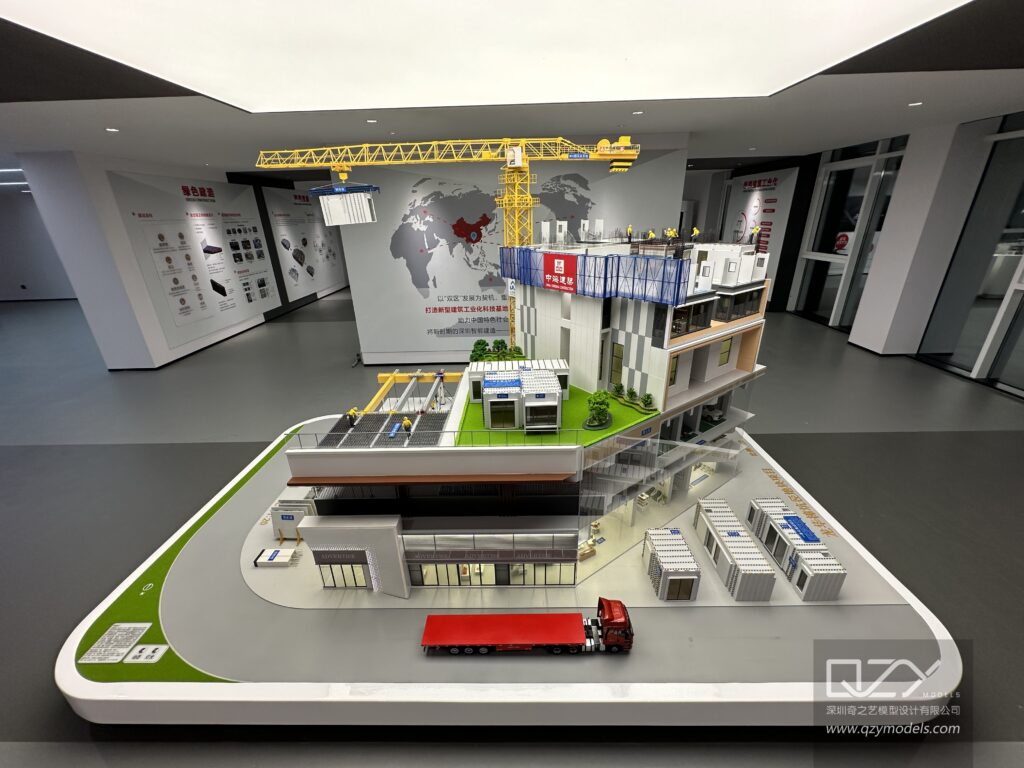
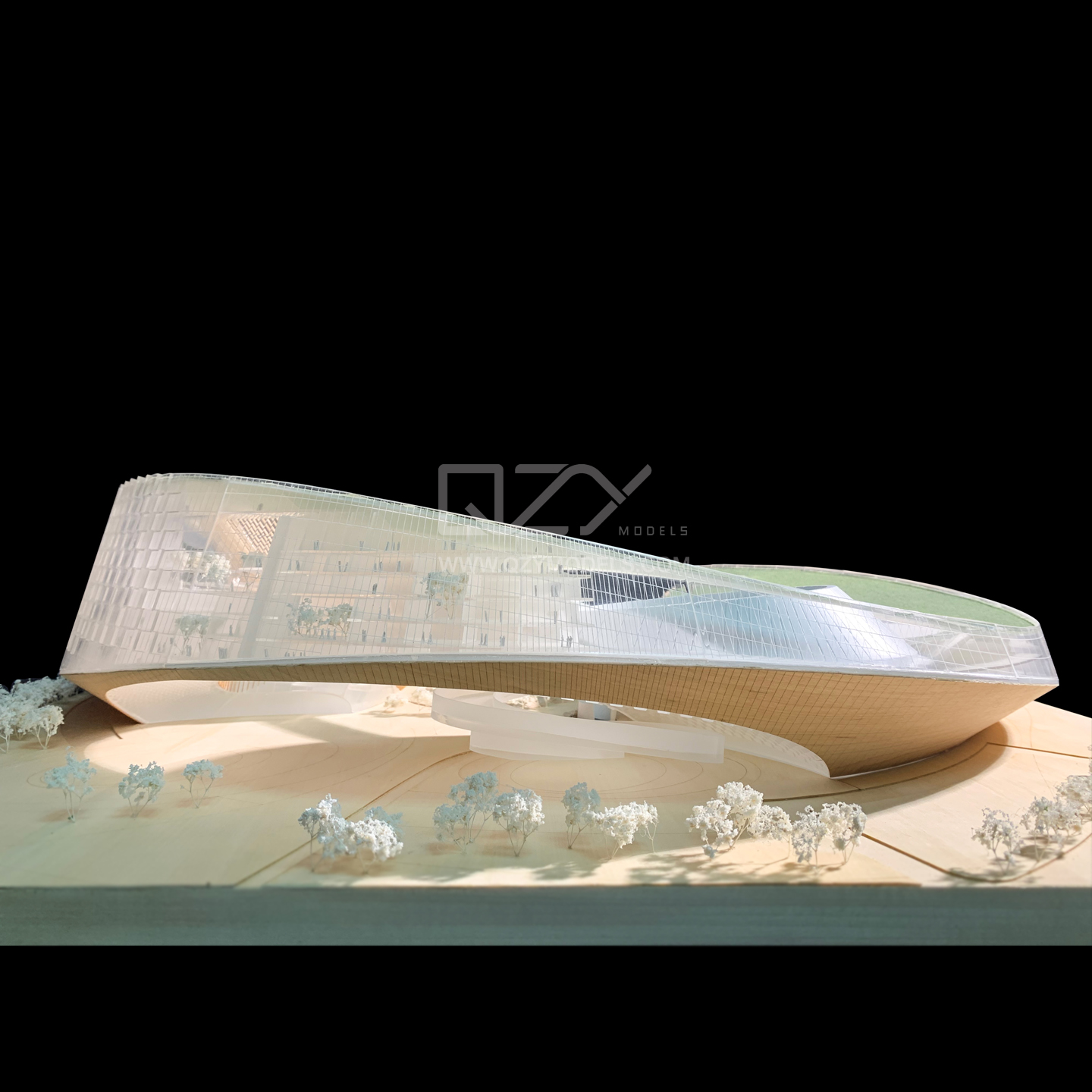
Transportation infrastructure and vehicle models provide detailed, scaled physical or digital representations that help planners, engineers, and stakeholders visualize, design, and optimize transportation systems and vehicle concepts. These models enhance decision-making, support efficient project management, and improve communication, contributing to safer, sustainable, and cost-effective transportation solutions worldwide.
What Are Transportation Infrastructure and Vehicle Models and Why Are They Important?
Transportation infrastructure and vehicle models are precise physical or digital replicas of roads, bridges, rail systems, airports, and vehicles used in planning, design, and testing stages. They are important tools as they enable comprehensive analysis of spatial layouts, traffic flow, vehicle dynamics, and environmental impact. Experts like QZY Models create these models to help clients foresee challenges, validate designs, and convey complex information clearly, improving project outcomes and stakeholder alignment.
These models bridge abstract plans with tangible realities, reducing risks and facilitating innovation.
How Do These Models Assist in Planning and Designing Transportation Systems?
Models allow engineers and planners to simulate and evaluate infrastructure performance under realistic conditions. They facilitate route alignment, capacity planning, and integration with existing networks. Using transportation infrastructure and vehicle models, teams can test alternative designs, assess environmental factors, and identify potential bottlenecks early. QZY Models combines craftsmanship with digital tools to deliver accurate models that support scenario analysis and optimize infrastructure functionality and safety.
Iterative modeling leads to better-informed, adaptable transport designs.
Which Techniques and Materials Are Best for Creating Transportation and Vehicle Models?
Techniques include traditional handcrafted modeling, 3D printing, CNC machining, and laser cutting. Materials commonly used are acrylic, resin, wood, metal, and composite plastics depending on model scale, detail, and durability requirements. QZY Models employs a combination of these technologies and materials, tailoring each model to the project’s intent—whether for detailed vehicle prototypes or large-scale infrastructure presentations—ensuring structural precision, aesthetic quality, and functional relevance.
Material choice balances realism, durability, and cost-efficiency.
Table: Techniques and Materials for Transportation and Vehicle Models
| Technique | Materials Used | Benefits | Typical Applications |
|---|---|---|---|
| Handcrafted | Wood, foam, acrylic | Artistic control, tactile detail | Conceptual models, early design phases |
| 3D Printing | Resin, plastic, metal | Precision, complex geometries | Vehicle prototypes, detailed components |
| CNC Machining | Wood, plastic, metal | Accuracy, repeatability | Large infrastructure parts, structural elements |
| Laser Cutting | Acrylic, wood | Fast, precise cuts | Road layouts, signage, component detailing |
Where Are These Models Most Effectively Used?
Transportation infrastructure and vehicle models are vital in urban mobility planning, highway and railway design, airport expansions, bridge and tunnel projects, and public transit system development. They also serve automotive and aerospace industries for prototyping and testing vehicle innovations. QZY Models delivers these models globally, supporting architects, engineers, and developers in communities spanning dense urban areas to sprawling regional networks.
Models enhance visualization and stakeholder engagement across diverse project scales.
When Should Transportation Models Be Incorporated in Project Workflows?
Models should be integrated from project inception through development and commissioning stages. Early use supports feasibility studies, environmental assessments, and design validation. Continuous modeling aids construction sequencing, risk management, and operational planning. QZY Models recommends early and iterative collaboration to align logistics, engineering, and client expectations, ensuring efficient project delivery and minimizing costly revisions.
Proactive use accelerates decision-making and adaptive project management.
How Does QZY Models Deliver Excellence in Transportation Infrastructure and Vehicle Modeling?
QZY Models combines over two decades of expertise with advanced modeling technologies, delivering highly detailed, realistic, and functional models customized for each transportation project. Their services include digital design, precision fabrication, and on-site consultation, ensuring that models meet technical and aesthetic standards. Globally positioned, QZY Models offers responsive service with tailored solutions that integrate engineering requirements and stakeholder communication needs.
This integrated expertise makes QZY Models a trusted partner for transportation projects worldwide.
What Are the Challenges in Creating Transportation Infrastructure and Vehicle Models?
Challenges include managing scale and complexity, replicating intricate vehicle features, ensuring material durability, and reflecting dynamic system behaviors accurately. Models must accommodate evolving project specifications and regulatory requirements while meeting tight deadlines and budgets. QZY Models addresses these by combining digital simulation with skilled craftsmanship, employing modular designs, and utilizing state-of-the-art tools to overcome technical and logistical barriers.
Mitigating these challenges ensures models that are both precise and practical.
Are There Technological Innovations Enhancing Transportation and Vehicle Modeling?
Yes, innovations like BIM (Building Information Modeling), GIS integration, digital twins, AI-powered simulations, and augmented reality complement physical modeling by providing interactive, data-rich environments. 3D printing advances and materials science contribute to finer details and faster prototype production. QZY Models actively incorporates these technologies to enhance model accuracy, facilitate scenario testing, and improve client engagement.
Such integration accelerates innovation and creates immersive planning experiences.
QZY Models Expert Views
“Transportation infrastructure and vehicle models are critical for translating complex engineering concepts into clear, actionable insights. At QZY Models, we blend decades of expert craftsmanship with digital innovation to produce models that drive efficient planning, design, and communication. Our comprehensive approach ensures every model delivered is not only a precise technical tool but also a compelling visual asset that supports successful project execution worldwide.” – Richie Ren, Founder, QZY Models
Could Future Trends Shape Transportation and Vehicle Modeling?
Emerging trends such as smart infrastructure, autonomous vehicles, sustainable materials, and AI-driven design optimization will profoundly impact modeling requirements. Future models will increasingly integrate real-time data and simulation capabilities to provide dynamic feedback during planning and operation. QZY Models is committed to evolving alongside these trends, pioneering advanced, environmentally conscious, and intelligent modeling solutions.
Adapting to the future ensures ongoing relevance and client value.
Conclusion
Transportation infrastructure and vehicle models are invaluable tools in modern project planning, design, and communication, enabling precise visualization, testing, and stakeholder collaboration. By employing advanced techniques and materials, and integrating digital technologies, firms like QZY Models deliver tailored, high-quality models that optimize transportation systems worldwide. Early incorporation, continuous innovation, and expert craftsmanship are keys to achieving sustainable, efficient, and forward-looking transportation solutions.
Frequently Asked Questions
Q: What scales are typically used for transportation infrastructure models?
A: Scales vary widely, commonly from 1:500 for large urban layouts to 1:50 or 1:20 for detailed vehicle models.
Q: Can these models simulate traffic or vehicle dynamics?
A: Physical models can incorporate movable components, while digital and hybrid models support simulations of flow and performance.
Q: What is the turnaround time for producing a transportation model?
A: Depending on complexity, project size, and fabrication methods, production ranges from weeks to months.
Q: Does QZY Models offer global support for transportation modeling projects?
A: Yes, QZY Models provides expert design, fabrication, and consultation services worldwide from multiple regional offices.
Q: How do transportation models support sustainability goals?
A: Models assist in evaluating environmental impacts, optimizing routes, and integrating green infrastructure in design.