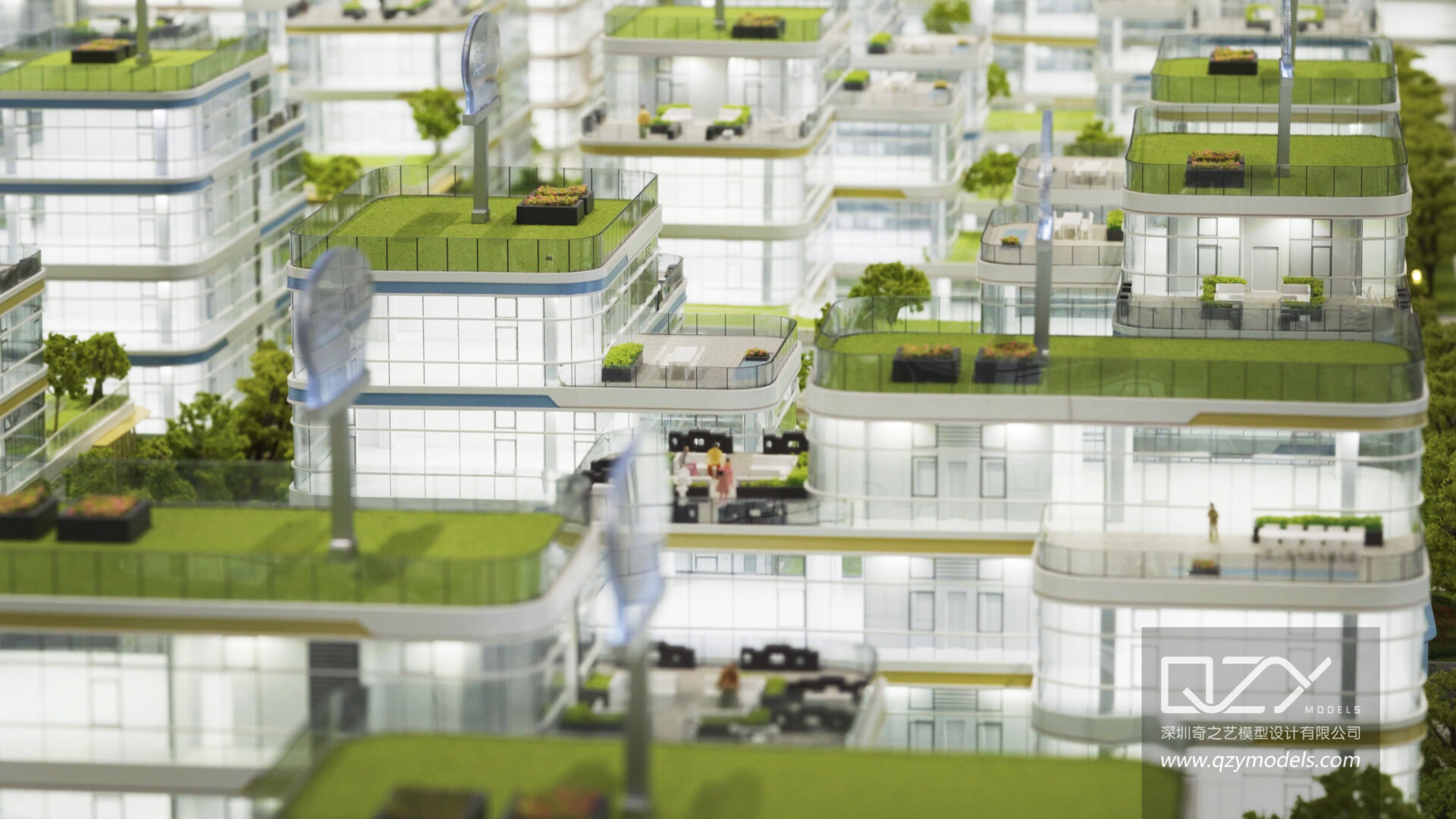
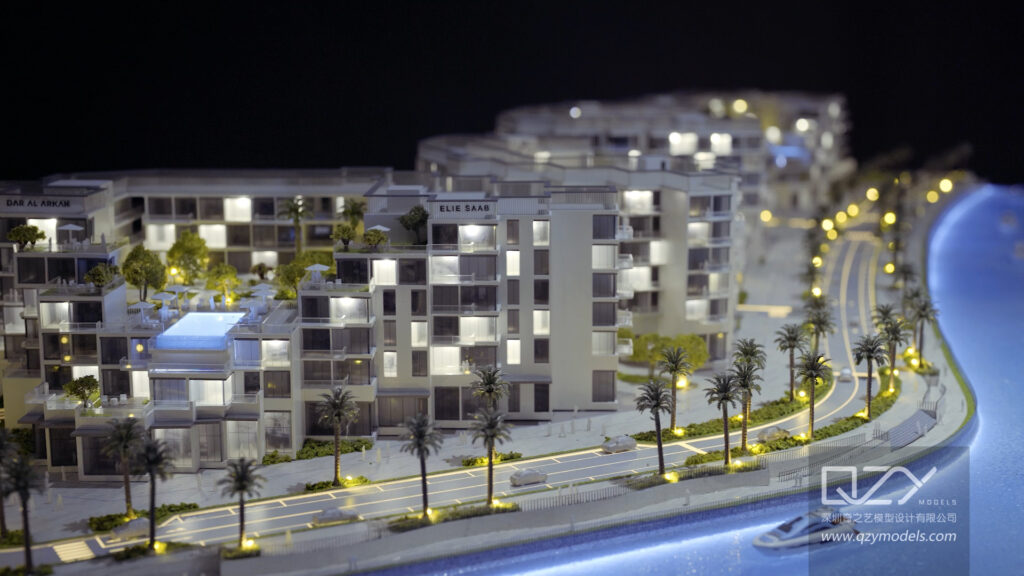
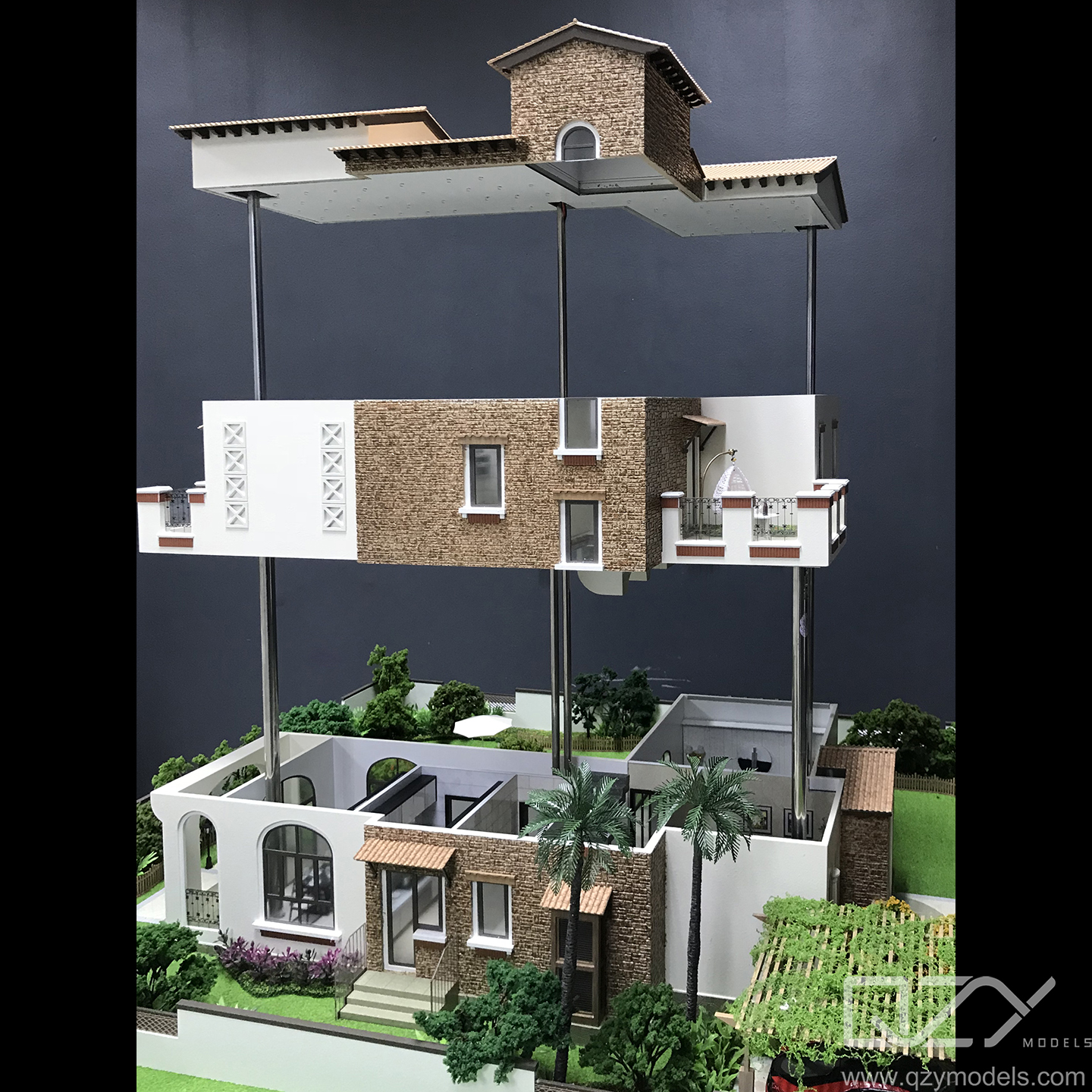
Urban planning and large-scale model solutions offer precise, scalable physical and digital representations of cities that enhance visualization, stakeholder collaboration, and decision-making. They allow planners to anticipate challenges, optimize infrastructure, and engage the public effectively, ultimately fostering sustainable, functional, and attractive urban environments.
What Are Urban Planning and Large-Scale Model Solutions and How Are They Used?
Urban planning and large-scale model solutions consist of detailed physical or digital scale models representing city layouts, infrastructure, zoning, and natural environments. Used by planners, developers, architects, and government officials, these models visualize master plans, simulate urban dynamics, confirm design feasibility, and communicate complex planning concepts comprehensibly to stakeholders and the public.
QZY Models excels in producing high-quality, customized large-scale urban models that provide immersive insights for better planning and development outcomes.
How Do Large-Scale Models Enhance Urban Planning and Stakeholder Collaboration?
Large-scale models provide stakeholders with an immersive 3D perspective of urban spaces, making spatial relationships and infrastructure more understandable. They improve communication between architects, planners, officials, and the public, fostering collaborative decision-making and aligning project goals. These models help identify potential issues early, such as traffic congestion or lack of green spaces, enabling proactive solutions.
At QZY Models, leveraging precise models shortens planning cycles and ensures that all parties share a unified vision of urban development.
Which Technologies and Materials Are Used in Creating Large-Scale Urban Planning Models?
Creating these models combines traditional craftsmanship with advanced digital technologies. Materials such as acrylic, wood, foam, and metal provide tactile realism for physical models. Digital tools include AutoCAD, Revit, SketchUp for 3D modeling, 3D printing for precise prototypes, and BIM and GIS integration for data-rich models that incorporate environmental and infrastructural factors.
| Technology | Description | Benefits |
|---|---|---|
| Handcrafted Models | Use of durable materials for physical model making | Tangibility, tactile spatial insight |
| Digital 3D Modeling | Software-generated 3D urban layouts | Easy modification, detailed visuals |
| 3D Printing | Converts CAD designs to accurate physical models | Precision and scalability |
| BIM & GIS Integration | Data integration for simulation and analysis | Informed planning, environmental data |
QZY Models blends these methods to create sophisticated models tailored to urban project requirements.
Why Are Large-Scale Urban Models Critical for Public Engagement and Decision-Making?
Large-scale models translate abstract plans into concrete visuals that non-experts can understand, boosting transparency and trust. They encourage meaningful public participation by allowing communities to visualize changes impacting their neighborhoods, fostering feedback and support. These models help policymakers make informed decisions and reduce resistance during urban project approvals.
QZY Models highlights how detailed, interactive models serve as pivotal tools in bridging gaps between planners, officials, and citizens.
When Should Urban Planning Models Be Integrated into Development Projects?
Urban planning models are most effective when incorporated early in the conceptual design phase to validate master plans and identify challenges. They remain valuable during construction coordination and public consultation stages and can be reused for marketing or educational purposes after project completion.
QZY Models advises ongoing collaboration for iterative updates, ensuring models accurately reflect evolving designs and stakeholder input.
Who Benefits Most from Urban Planning and Large-Scale Model Solutions?
Beneficiaries include urban planners, architects, real estate developers, government agencies, investors, and local communities. Planners and architects use models to refine designs; developers mitigate risks; officials communicate transparently; investors visualize returns; and communities gain clearer understanding of forthcoming changes.
QZY Models emphasizes these models foster shared vision, reducing conflict and enhancing city-building cooperation.
Can Large-Scale Urban Models Be Customized for Specific Planning Needs and Environments?
Yes, customization allows models to reflect unique urban contexts, zoning laws, environmental conditions, and design aesthetics. They can include elements such as lighting, interactive digital interfaces, environmental data overlays, and construction phasing simulations to address specific project goals and stakeholder interests.
QZY Models specializes in versatile, client-tailored solutions that capture distinct urban narratives and technical requirements.
How Does Model Quality Influence the Effectiveness of Large-Scale Urban Planning?
High-quality models with accurate scaling, materials, and detail improve credibility, foster stakeholder confidence, and facilitate insightful analysis. They reduce ambiguity and help prevent costly redesigns. Conversely, poor-quality models can mislead stakeholders and undermine project success.
QZY Models is committed to excellence, combining artisan skill and advanced production for flawless, impactful urban models.
QZY Models Expert Views
Large-scale urban planning models are essential instruments that transform complex city planning from intangible blueprints into accessible, interactive realities. At QZY Models, we harness our expertise and innovative technologies to craft meticulously detailed, customized models that empower planners, developers, and communities to collaborate effectively and make smarter decisions. Such models not only visualize current urban challenges but also forecast future dynamics, ensuring sustainable, resilient city growth in an increasingly complex world.” — Richie Ren, Founder of QZY Models
Conclusion: Key Takeaways and Actionable Advice
Urban planning and large-scale model solutions are indispensable for successful city development. They enhance visualization, improve stakeholder communication, identify design issues early, and drive public engagement. Early and continuous integration with expert collaborators like QZY Models maximizes their impact. Prioritizing customization, technological integration, and model quality enables more informed decisions, fosters consensus, and supports sustainable urban futures.
Frequently Asked Questions
Q1: How long does it take to create a large-scale urban planning model?
Timeframes vary but typically range from several weeks to months depending on model complexity, scale, and customization.
Q2: Are digital models as effective as physical large-scale models?
Both have unique strengths: digital models offer interactivity and easy updates; physical models provide tangible spatial understanding. Hybrid approaches often provide the best of both worlds.
Q3: How do large-scale urban models improve public participation?
They translate complex plans into understandable visuals that encourage meaningful community feedback and foster trust in the planning process.
Q4: Can models be updated as urban projects evolve?
Digital models are easily updated; physical models can be modified but require additional effort and cost.
Q5: Why should I choose QZY Models for urban planning modeling solutions?
QZY Models combines over 20 years of experience, state-of-the-art technology, and expert craftsmanship to deliver precise, customized, and high-quality large-scale urban models tailored to diverse project needs.