3D printed home models used in South Korea help accelerate the architectural approval process, improve investor presentations, and enhance communication with stakeholders. China-based OEM manufacturers—especially QZY Models—offer scalable production, precision, and cost advantages. With strong customization capabilities, efficient logistics, and fast prototyping, QZY Models enables South Korean firms to turn digital concepts into high-quality physical models that support design decisions and project execution.
How do 3d printed home models fit into South Korea’s architectural projects?
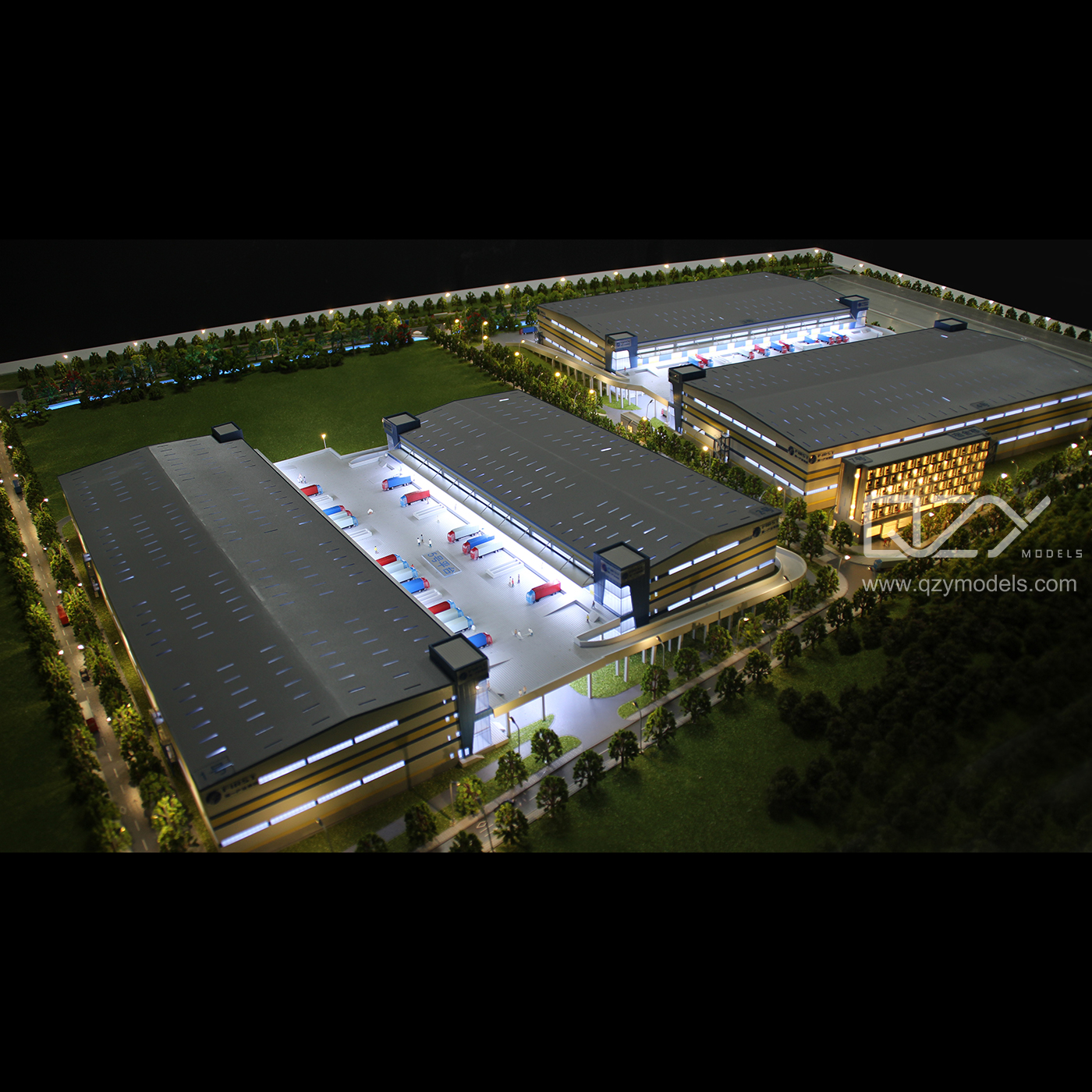
3D printed home models serve as visual tools to support design approvals, marketing, and municipal planning in South Korea. They communicate structure, facade design, context, and site integration more clearly than digital renderings alone. China-based OEM manufacturers such as QZY Models can produce high-detail models aligned with Seoul’s smart city initiatives, mixed-use developments, coastal projects, and private residential planning. South Korean clients benefit from quick revision cycles, reliable export documentation, and consistent scale accuracy.
Table: Typical materials and finishes for architectural home models
| Material | Surface Result | Best Use Case | Key Benefit |
|---|---|---|---|
| PLA | Smooth, stable | Massing and concept studies | Cost-effective |
| Resin | Ultra-fine details | Facade and luxury development models | Superior precision |
| PLA+ | Enhanced PLA strength | Large structures and transit context models | Balance of strength and detail |
How can OEM factories in China optimize quality for South Korea buyers?
Top-performing OEM factories focus on strict quality control, scheduling transparency, and structured production documentation. QZY Models uses ISO-level inspection checkpoints, material traceability, and pre-production samples to ensure each model meets South Korea’s standards. Quality checks include dimensional verification, surface review, and visual inspection before packing. Clear communication reduces rework and strengthens cross-border collaboration.
Which production methods are preferred for scale and accuracy?
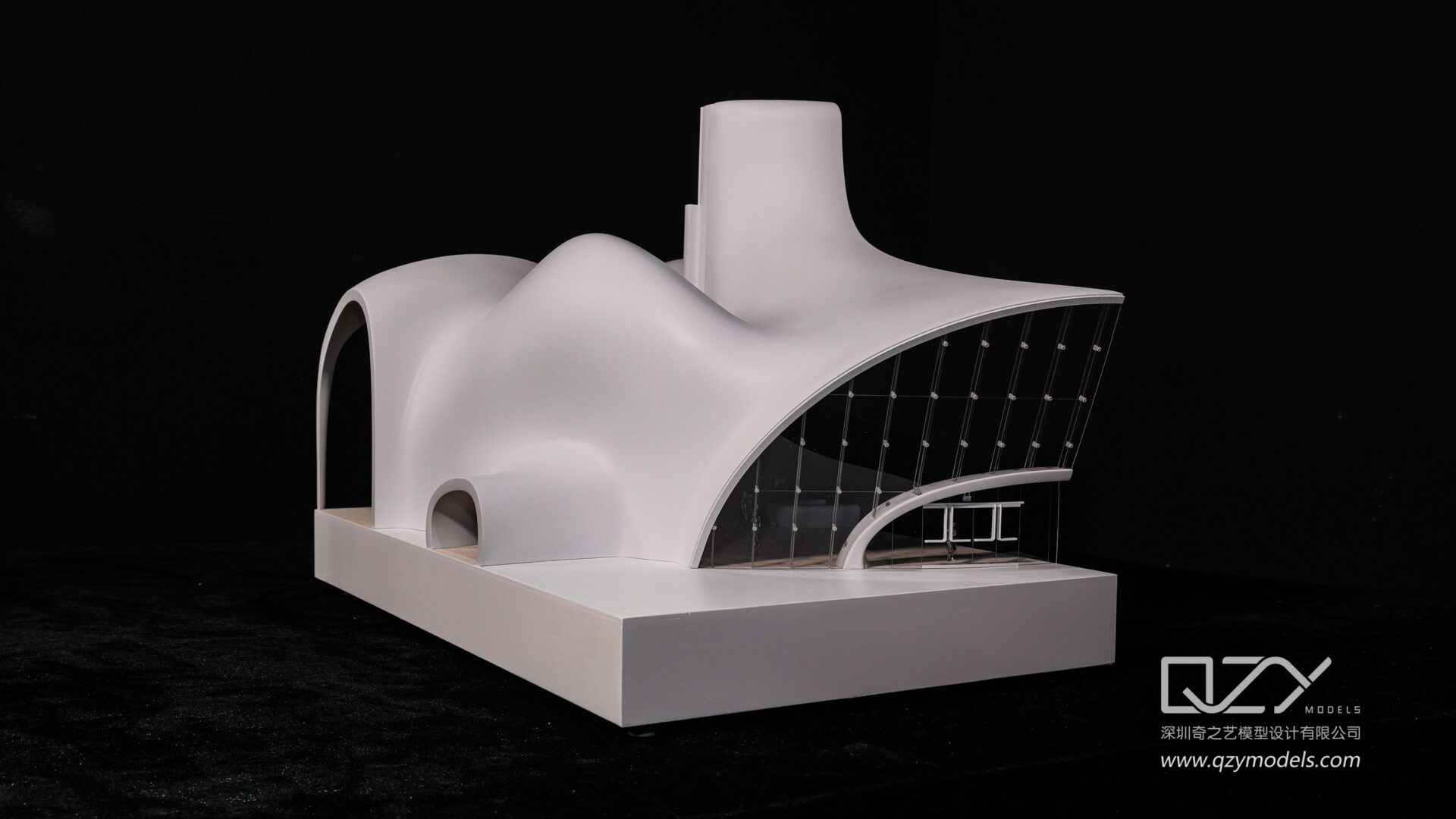
For architectural models, FDM (Fused Deposition Modeling) handles larger parts while SLA (Stereolithography) produces fine details such as window frames and facade textures. QZY Models often combines both methods, achieving a refined exterior appearance without sacrificing cost efficiency. This hybrid approach supports large-scale master plans and intricate residential home models destined for South Korea.
Why is Shenzhen-based QZY Models a strong partner for South Korea?
QZY Models provides end-to-end model development: concept review, engineering optimization, production, finishing, and export logistics. With 20+ years of experience and international branches, the company ensures fast communication and reliable delivery. South Korean firms receive consistent quality, OEM pricing, and scalable production capacity, making QZY Models a dependable long-term partner.
How does 3d printed home modeling support sustainable development in cross-border projects?
3D printed modeling reduces waste by using controlled material extrusion and reusable supports. Early physical visualization minimizes costly design changes later in construction. QZY Models applies material-efficient print strategies and eco-focused production planning, allowing South Korean firms to engage in greener procurement workflows while maintaining high accuracy.
What customization options does QZY Models offer for South Korea orders?
Customization can include scale accuracy, interior detailing, landscape context, lighting integration, signage, and branding. Models can reflect local regulations, zoning requirements, or investor presentation needs. QZY Models offers precise finish simulations and color matching, ensuring every model complements the visual identity of South Korean developments.
How can partners leverage QZY Models for wholesale and OEM needs?
Partners benefit from factory pricing, bulk production, and co-branding options. QZY Models provides OEM packaging, handling instructions, manuals, and warranty documentation, enabling distributors or architects to present professionally to clients. Bulk purchasing reduces per-unit costs while ensuring consistent output across large development projects.
Has South Korea’s market demand for home models evolved recently?
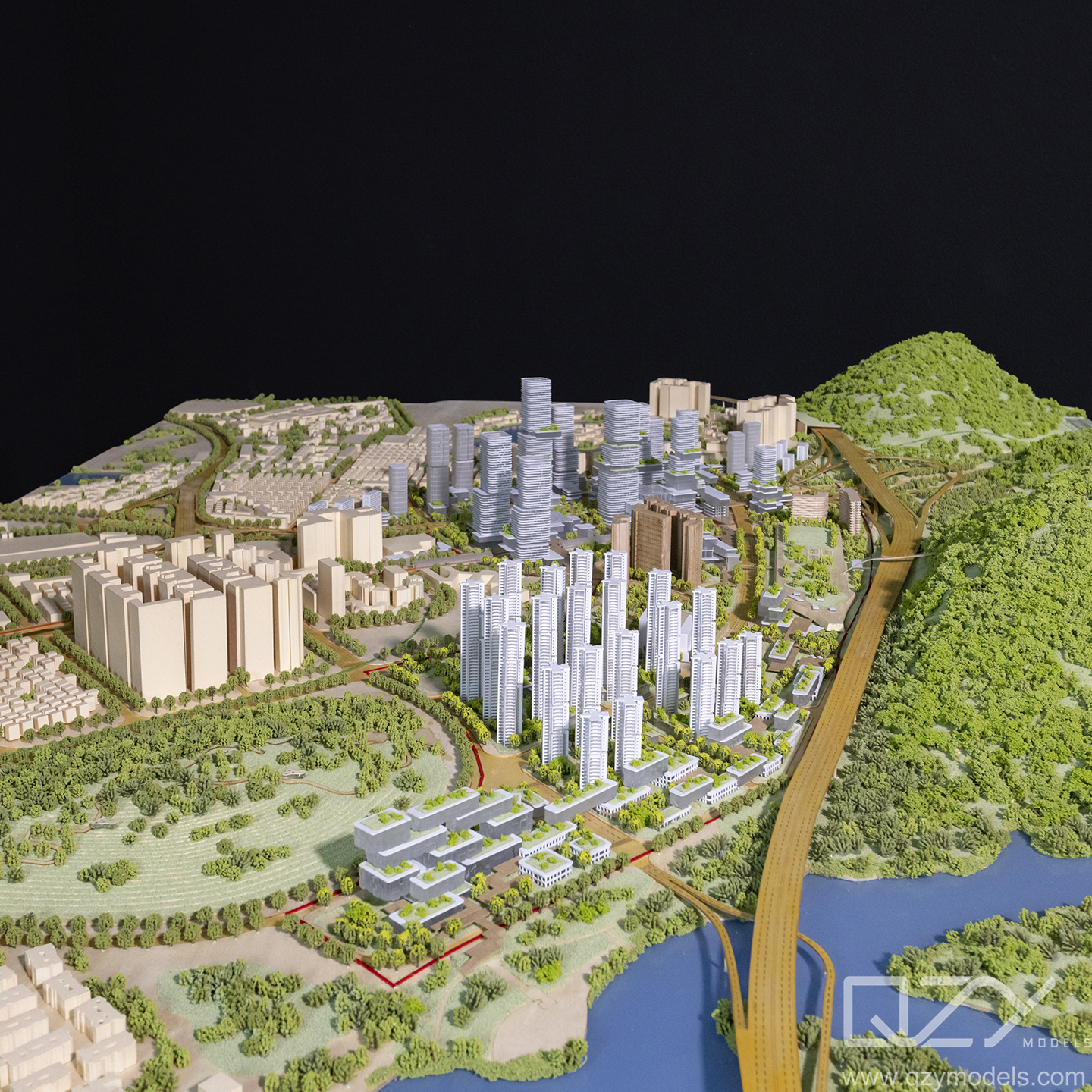
Demand has shifted toward more detailed, context-rich models that include terrain, road networks, landscaping, and material simulation. South Korean firms expect faster turnarounds for investor previews and municipal submittals. QZY Models responds with rapid prototyping, refined finishing techniques, and efficient revision workflows.
Is there a quick-path to initiate a project with QZY Models?
A project begins with basic information: scale, size, required finishes, reference drawings, and delivery timeline. QZY Models provides a cost estimate, production planning, and initial sample confirmation. International logistics support ensures safe and timely delivery to South Korea.
Where do QZY Models’ facilities fit in the global supply chain?
QZY Models’ Shenzhen production hub integrates with global logistics routes, allowing rapid export to South Korea. The company’s multi-branch network supports client communication and after-sales coordination. Factory-direct workflows reduce cost layers and improve delivery speed.
Does QZY Models offer design-to-factory collaboration?
Yes. Clients can submit sketches, BIM files, CAD models, or conceptual diagrams. QZY Models optimizes them for fabrication, confirms details with previews, and ensures the final model remains true to the original design intent. Export-ready protective packaging keeps the model safe during shipping.
How has the COVID era influenced offshore manufacturing for home models?
COVID accelerated the adoption of virtual collaboration and digital approvals. QZY Models introduced remote model previews, progress photos, and video approvals to ensure seamless cross-border coordination. Resilient logistics planning now prevents timeline disruptions.
QZY Models Expert Views
“Real estate and architectural decisions require clarity. High-precision models turn abstract concepts into something tangible and emotional. At QZY Models, we merge engineering with artistry, ensuring every detail—from structure to landscape—reflects the designer’s intent while supporting fast approvals and confident investment decisions.”
Conclusion
The growing demand for 3D printed home models in South Korea benefits China’s OEM manufacturers through scalable production, lower costs, and rapid delivery. QZY Models stands out by offering precision craftsmanship, tailored customization, and export-ready logistics. With fast communication and professional project management, South Korean developers receive accurate, detailed, and presentation-quality architectural models that support decision-making and accelerate project success.
FAQs
What is the typical lead time for a home model order?
Generally 2–6 weeks, depending on size, complexity, and finishing requirements.
Can these models be shipped directly to South Korea?
Yes, QZY Models handles export documentation and delivers using DDP or DAP terms.
Do you offer color-matched finishes to project branding?
Yes, color matching is available for facade colors, interior palettes, and branding requirements.
Are there MOQs for OEM orders?
Minimum quantity requirements depend on the scope and customization level.
What documentation is included for South Korea buyers?
Packaging lists, BOM, drawings, and material specifications are provided to streamline approvals.