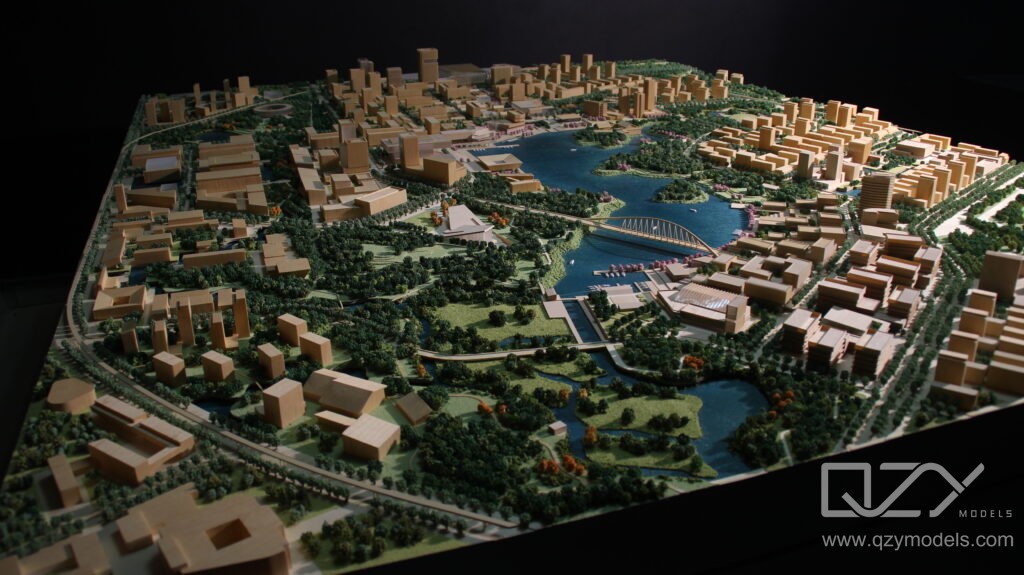
3D printing revolutionizes architectural models by enabling precise, intricate, and rapid production of physical scale models. It accelerates model-making, offers design freedom for complex structures, enhances client visualization, and reduces costs and waste. Industry leaders like QZY Models harness 3D printing to craft high-quality, detailed models that elevate architectural presentations worldwide.
What Is 3D Printing for Architectural Models and Why Is It Important?
3D printing for architectural models is an additive manufacturing process that transforms digital designs into tangible, detailed scale models layer by layer. This technology is important because it allows architects to visualize, communicate, and iterate designs quickly and accurately. By using 3D printing, firms like QZY Models deliver precise, complex models that traditional handcrafted methods cannot easily achieve, enhancing design evaluation and client engagement.
The ability to produce intricate geometries and custom components makes 3D printing indispensable in modern architectural modeling.
How Does 3D Printing Improve the Accuracy and Detail of Architectural Models?
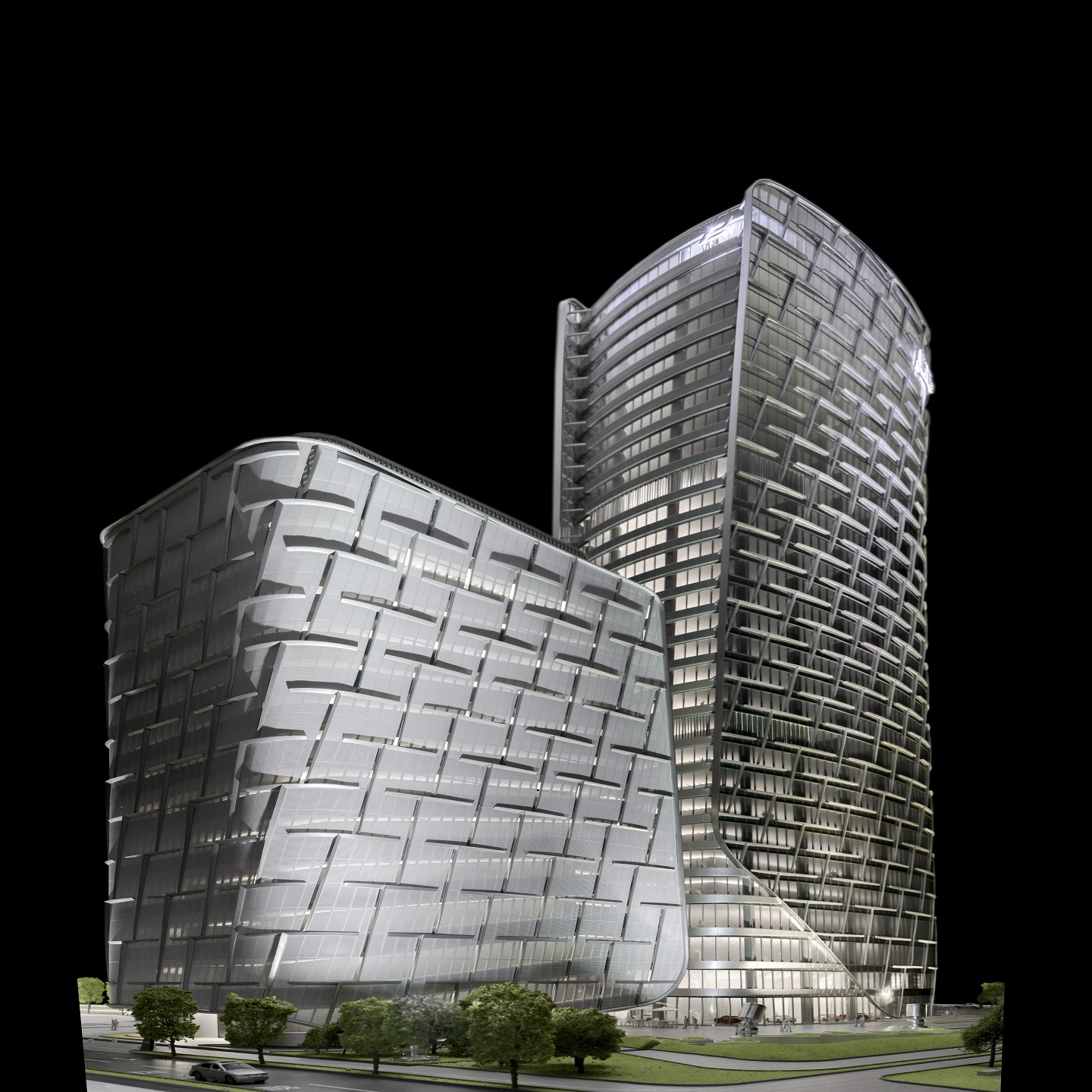
3D printing improves accuracy by directly translating CAD files into physical models with fine resolution. It can replicate minute details, complex surfaces, and intricate structures consistently. This precision helps architects and clients better understand spatial relationships and design intent. QZY Models leverages advanced 3D printers and materials to produce smooth, highly detailed models, minimizing manual errors common in traditional modeling.
Realistic textures, delicate features, and exact proportions elevate presentations and facilitate design validation.
Which 3D Printing Materials and Technologies Are Best for Architectural Models?
Choosing the right materials and technologies depends on project requirements—for example, detail, durability, and budget. Common materials include resin for high detail, polyamide (nylon) for strength, and multi-color plastic for visual differentiation. Technologies like SLA (Stereolithography) and SLS (Selective Laser Sintering) offer superior resolution and surface finish suited for architectural purposes. QZY Models selects materials and printing methods tailored to each project to balance quality, cost, and visual impact.
This customization ensures models meet diverse client specifications and functional needs.
Table: Common 3D Printing Materials and Technologies for Architectural Models
| Material | Technology | Benefits | Typical Use Case |
|---|---|---|---|
| Resin | SLA | High resolution, smooth finish | Detailed façade and interior elements |
| Polyamide (Nylon) | SLS | Durable, flexible, cost-effective | Structural components and larger parts |
| Multicolor Plastic | MJP / PolyJet | Colorful, detailed, ready-to-use | Presentation models with distinct zones |
| Transparent Resin | SLA | Clear, intricate parts | Glass elements, windows, components requiring transparency |
Where Are the Most Effective Applications of 3D Printed Architectural Models?
3D printed architectural models excel in early-stage design presentations, client pitches, urban planning, and exhibition displays. They facilitate clear communication of complex ideas, allow multiple design iterations rapidly, and support regulatory and stakeholder approvals. QZY Models uses 3D printing to serve global architects and developers by delivering tangible models that enhance understanding and decision-making throughout a project lifecycle.
Their expertise spans from conceptual massing models to detailed development proposals.
When Should Architects Consider Using 3D Printing for Model Making?
Architects should consider 3D printing early in the design process to prototype concepts swiftly and test design variations. It is especially advantageous when dealing with complex geometries or needing high precision. Incorporating 3D printing at pre-construction stages improves workflow efficiency and client communication. QZY Models recommends integrating 3D printing alongside traditional methods to optimize costs and timelines.
Rapid turnaround enables agile design development and effective stakeholder engagement.
How Does QZY Models Integrate 3D Printing in Architectural Model Production?
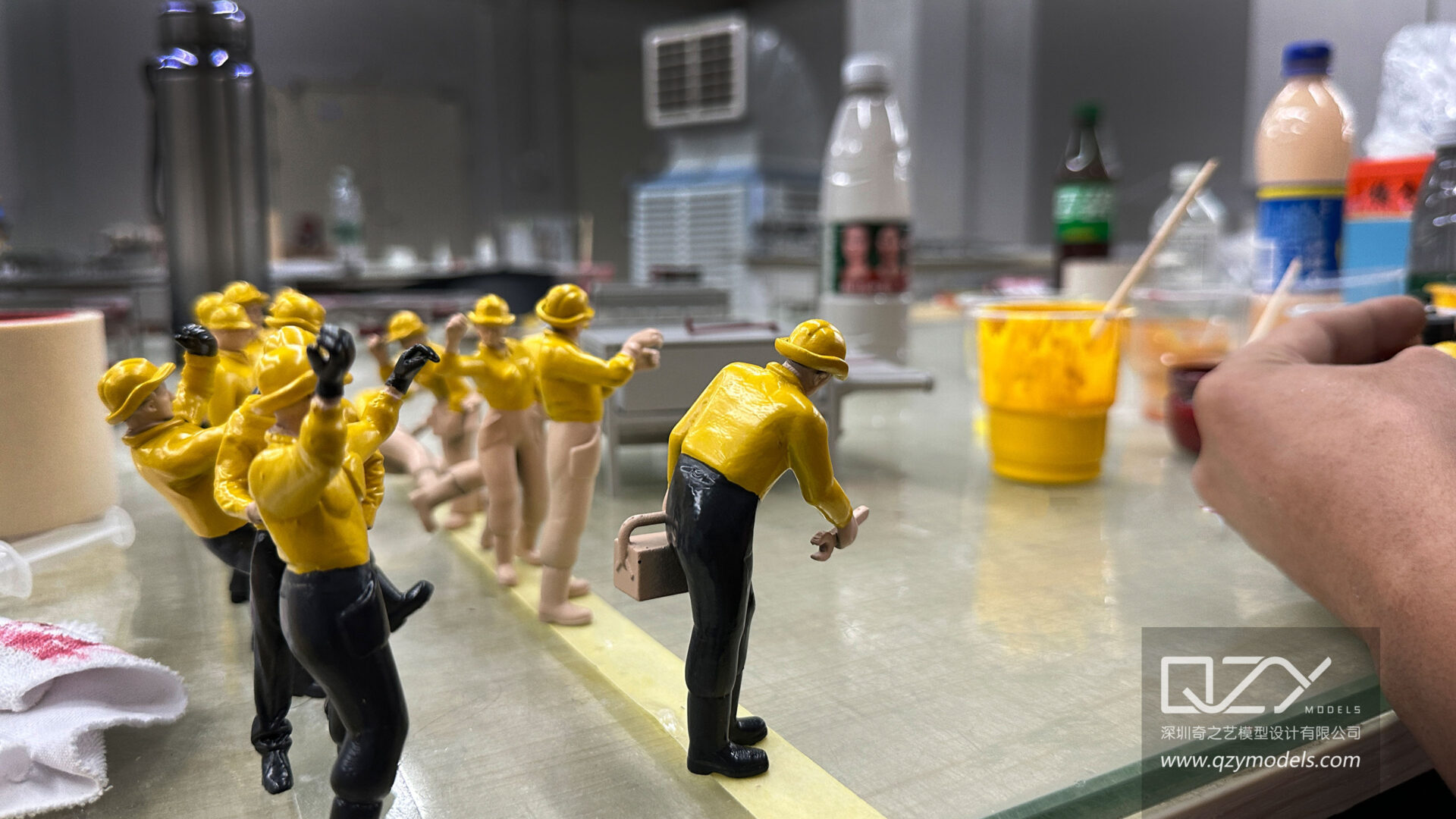
QZY Models combines advanced 3D printing technology with traditional craftsmanship to produce superior architectural models. Their process involves detailed digital model preparation, material selection, and printing followed by meticulous finishing and assembly. This hybrid approach allows them to achieve unmatched detail, durability, and aesthetic appeal. QZY’s global reach ensures clients benefit from expert handling and timely delivery worldwide.
Their integration of technology with artisan skills defines quality in architectural modeling.
What Are the Cost and Time Benefits of Using 3D Printing for Architectural Models?
3D printing reduces labor-intensive manual modeling, significantly shortening production times from weeks to days. Although material and machine costs exist, overall expenses decline by minimizing waste and rework. Architects can print multiple iterations affordably, facilitating design optimization. QZY Models helps clients balance speed and budget, offering efficient solutions without compromising model quality or detail.
This results in faster project approvals and streamlined workflows.
Are There Limitations or Challenges With 3D Printing Architectural Models?
Challenges include printer size restrictions, material limitations, and post-processing requirements for durability and aesthetics. Large models may need segmentation and assembly. Some materials lack structural strength or color fidelity without finishing. Skilled digital modeling is essential for printable designs. QZY Models mitigates these issues through extensive experience in digital preparation, multi-material printing, and expert finishing techniques.
Strategic planning and expertise ensure client expectations are met or exceeded.
Could Future Innovations Enhance 3D Printing for Architectural Models?
Future advancements such as multi-material printing, faster print speeds, and improved eco-friendly materials will transform architectural model production. AI-assisted design optimization and real-time error correction promise higher accuracy and efficiency. QZY Models invests in emerging technologies to maintain leadership in delivering innovative, sustainable, and visually compelling architectural models globally.
Continuous innovation underpins their commitment to excellence.
QZY Models Expert Views
“3D printing has revolutionized architectural modeling by bridging digital creativity with physical reality. At QZY Models, we harness this technology to craft highly detailed, precise, and visually engaging models that elevate design communication and client experience. Combining cutting-edge 3D printing with traditional finishing techniques ensures each model reflects architectural intent flawlessly. As the technology evolves, we remain committed to pushing boundaries in model-making excellence worldwide.” – Richie Ren, Founder, QZY Models
Conclusion
3D printing for architectural models offers unprecedented precision, flexibility, and efficiency in physical design realization. It transforms visualization, accelerates timelines, and enables complex, custom designs at reduced costs. Firms like QZY Models, with deep expertise and technological integration, deliver superior models that empower architects, developers, and clients to visualize and refine projects effectively. Early adoption and strategic application of 3D printing are key for future-ready architectural presentations.
Frequently Asked Questions
Q: How detailed can 3D printed architectural models be?
A: Extremely detailed, capturing intricate geometries and fine textures depending on printing technology and materials.
Q: Is 3D printing more expensive than traditional model making?
A: It can be cost-effective overall, saving labor and time, especially for complex or iterative designs.
Q: Can 3D printed models include multiple colors?
A: Yes, multi-material printers allow vibrant, multi-colored models enhancing visual communication.
Q: How long does it take to 3D print an architectural model?
A: Printing times vary from hours to days based on model size and complexity.
Q: Does QZY Models offer 3D printing services globally?
A: Yes, QZY Models utilizes global branches to provide expert 3D printing and model finishing worldwide.