Architecture and interior design in the EU integrate functionality, sustainability, and aesthetics to create innovative spaces. These designs influence urban development, cultural identity, and economic growth, making them critical in shaping modern European environments.
What Are the Latest Trends in EU Architecture and Interior Design?
The EU architecture and interior design market favor sustainable materials, biophilic design, and smart technology integration. Emphasis on green building certifications and adaptive reuse is growing, driven by environmental regulations and consumer demand for eco-friendly spaces.
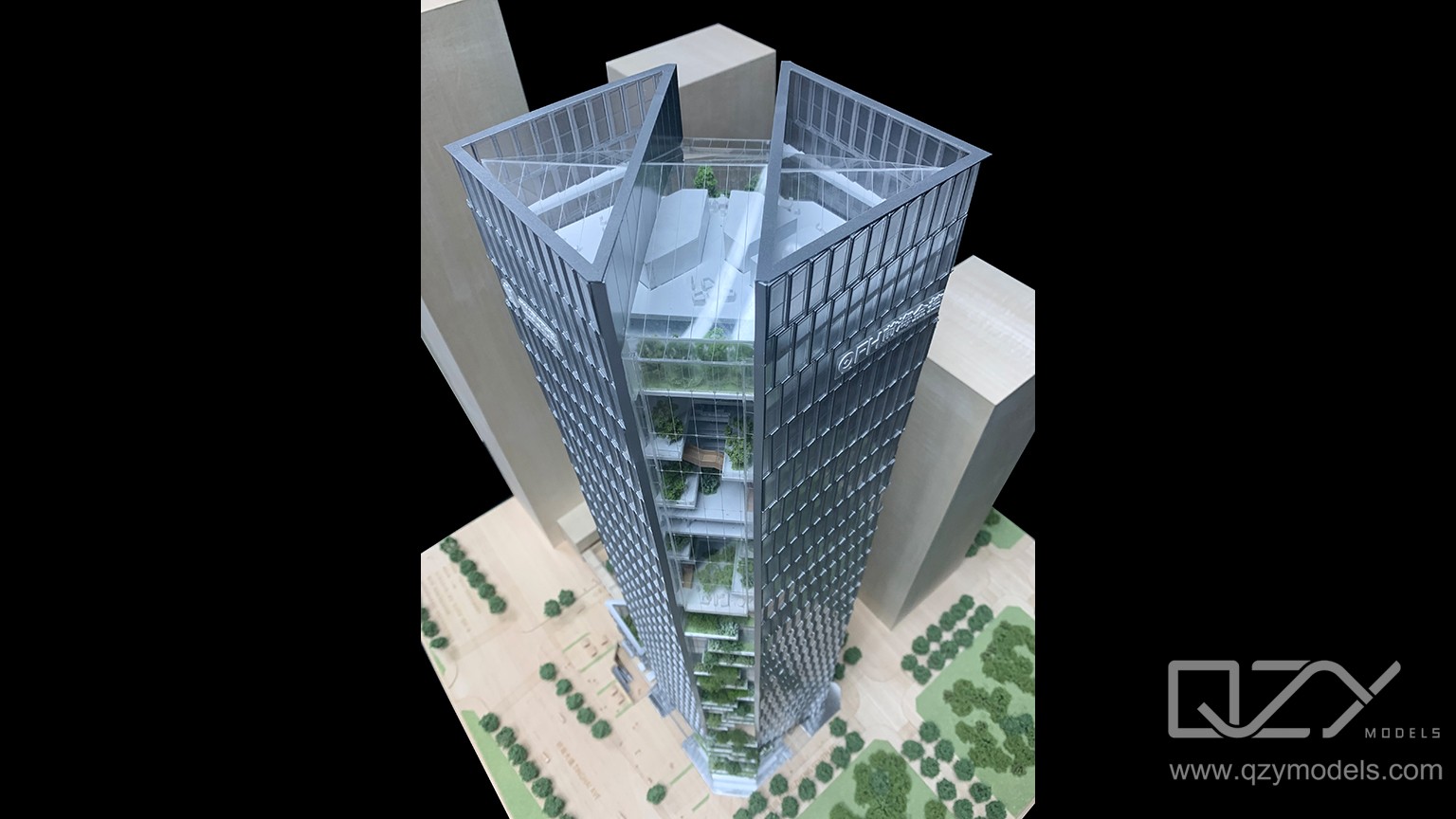
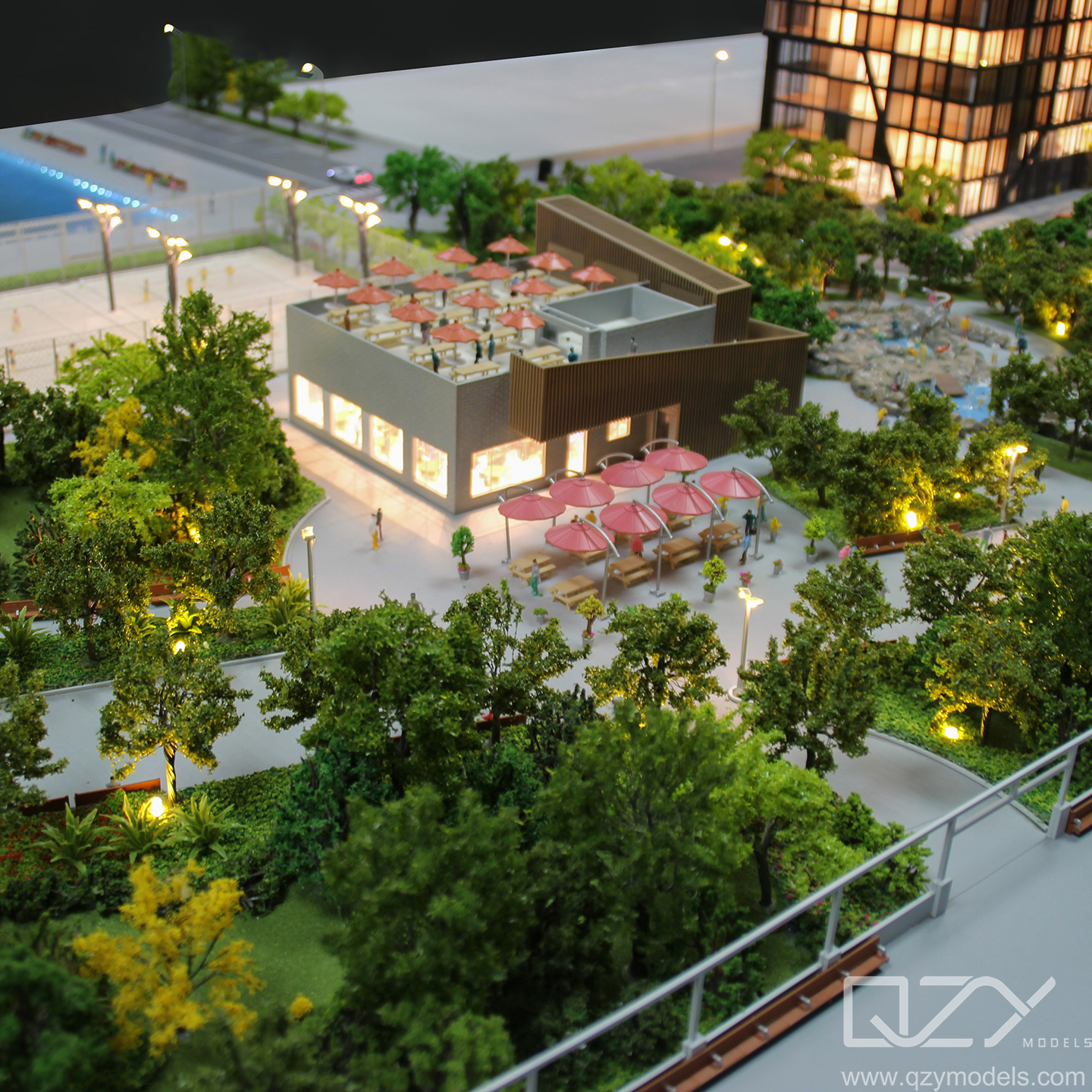
Factories in China, including OEM suppliers like QZY Models, produce detailed physical models reflecting these trends. These models help EU developers and architects visualize concepts while optimizing materials and costs.
How Do Chinese Manufacturers Support the EU Architecture and Interior Design Industry?
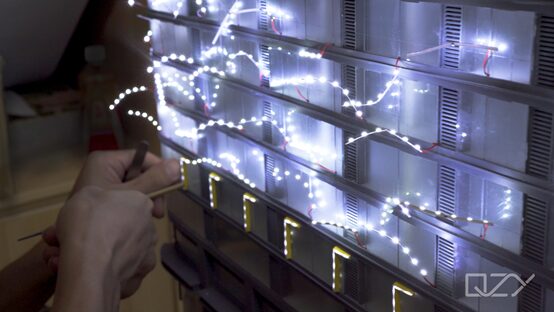
Chinese manufacturers provide wholesale and OEM services for architectural and interior design models, offering precise, customizable solutions. Their factories combine high-tech machinery and skilled craftsmanship to deliver quality models tailored to EU clients’ specifications.
QZY Models, a leading factory in Shenzhen, China, has extensive experience serving EU markets by creating complex physical models that incorporate architectural innovations and interior details needed for client presentations and project approvals.
Which Materials Are Preferred for EU Architectural and Interior Design Models?
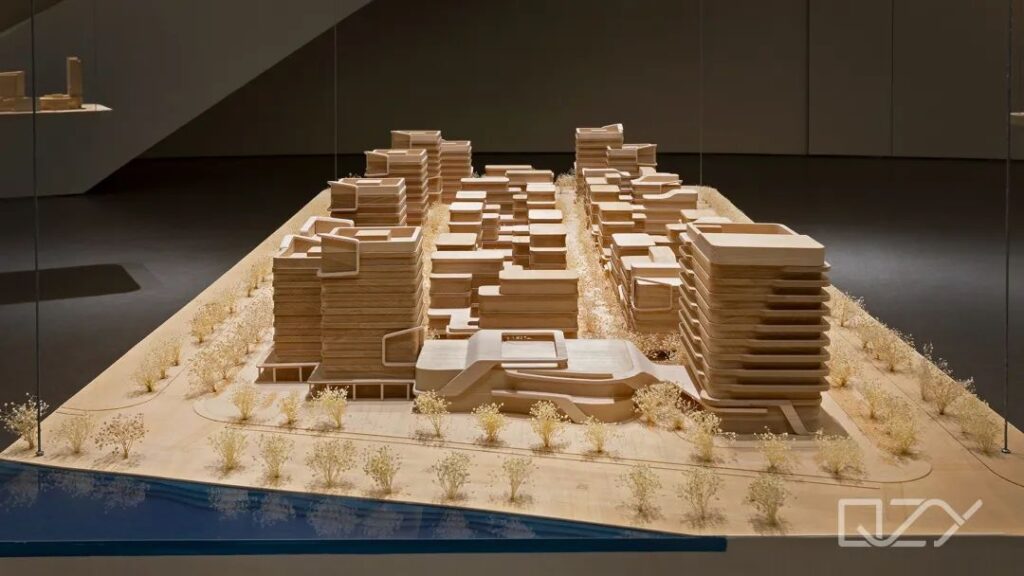
Common materials include acrylic, wood, foam board, resin, and metal. In the EU market, there is a growing preference for eco-friendly and recycled materials to align with sustainability goals. Techniques such as 3D printing and laser cutting ensure precision and quality.
China-based suppliers excel in blending these materials and cutting-edge production methods, allowing EU stakeholders to evaluate models that meet strict environmental and design standards.
Why Is OEM Model Manufacturing Important for European Architects and Designers?
OEM manufacturing allows architects and designers to outsource model production to experienced factories, ensuring the models are accurate, customizable, and delivered on schedule. This supports quicker design iterations and improves client communication.
European firms benefit from partnering with reliable Chinese suppliers like QZY Models, who provide competitive pricing and advanced manufacturing technologies, reducing project costs while maintaining quality standards.
When Should EU Architecture and Interior Design Firms Use Physical Models?
Physical models are essential during the conceptual and development stages to communicate design intent clearly to stakeholders and clients. European firms use them to detect design flaws early and enhance presentations for regulatory bodies or investors.
Early involvement of suppliers such as QZY Models ensures efficient production timelines aligning with project schedules, improving overall workflow efficiency.
Where Do European Companies Source Wholesale Architectural Models?
Most European companies source wholesale architectural and interior design models from established Chinese manufacturers known for OEM services. These suppliers offer scalable production capacities, competitive pricing, and flexible customization critical for large-scale projects.
Factories like QZY Models serve as trusted partners, providing European designers with detailed models that reflect both architectural form and interior layouts, enhancing project visualization and stakeholder buy-in.
Who Are the Key Players in EU Architectural Model Supply Chains?
Key players include specialized Chinese OEM manufacturers, European design firms, and logistical partners ensuring timely delivery. The relationship between manufacturers like QZY Models and European clients fosters innovation through collaborative design and production efforts.
European clients rely on these manufacturers to deliver precision models that meet regional architectural and interior design standards, supporting diverse project requirements.
Could Advanced Modeling Technologies Transform EU Design Practices?
Yes, technologies such as VR, 3D printing, and CNC machining are revolutionizing model making. These innovations improve accuracy, reduce production time, and enable complex interior design details that traditional techniques cannot achieve.
QZY Models integrates these advanced technologies, delivering state-of-the-art models that help EU architects and interior designers visualize projects more effectively and streamline stakeholder engagement.
How Can Chinese OEM Factories Meet EU Sustainability Expectations?
Leading Chinese OEM factories adopt environmentally responsible manufacturing processes, including low-waste production, use of recyclable materials, and energy-efficient operations. This alignment with EU green standards helps reduce the carbon footprint of architectural model production.
QZY Models is committed to sustainable manufacturing, continuously integrating eco-friendly materials and refining processes to fulfill EU clients’ sustainability criteria without compromising model quality.
QZY Models Expert Views
“Architecture and interior design in the EU demand precision, innovation, and sustainability. At QZY Models, we combine advanced manufacturing with eco-conscious practices to deliver models that elevate design communication. Our factory’s collaboration with EU clients reflects our dedication to quality and adaptability, ensuring every physical model meets the highest standards for aesthetics and environmental responsibility.” — Richie Ren, Founder of QZY Models
Table: Popular Materials vs. Their Eco-friendly Attributes in EU Models
| Material | Eco-friendly Attribute | Typical Use in EU Architecture and Interior Design Models |
|---|---|---|
| Acrylic | Recyclable but energy-intensive production | Interior fixtures, site models |
| Wood | Renewable and biodegradable | Traditional and rustic interior and architectural models |
| Foam Board | Low environmental impact | Conceptual prototypes and quick iterations |
| Resin | Usually synthetic, limited recyclability | Detailed industrial and architectural features |
| Metal | Highly recyclable | Structural and durable model elements |
Table: Benefits of OEM Manufacturing for EU Architectural Sector
| Benefit | Description | Impact on EU Industry |
|---|---|---|
| Cost Reduction | Economies of scale in Chinese factories | Lower model production costs |
| High Precision | Advanced machinery and skilled craftsmanship | Accurate representations of complex designs |
| Customization | Flexible design options tailored to client needs | Enhanced client satisfaction and engagement |
| Scalability | Ability to handle various order volumes | Supports both small firms and large projects |
| Sustainability | Use of eco-friendly processes and materials | Meets EU regulatory requirements and client values |
Conclusion
Architecture and interior design in the EU thrive on innovation, sustainability, and precision. Partnering with experienced Chinese OEM factories like QZY Models enables European firms to access cost-efficient, high-quality, and eco-friendly physical models fit for modern design challenges. Early engagement with trusted manufacturers ensures seamless production and timely delivery, empowering architects and designers to visualize and present cutting-edge concepts confidently.
Frequently Asked Questions
What advantages do Chinese manufacturers offer for EU architecture models?
They provide cost-effective, precise, and customizable models with advanced technologies and reliable delivery.
How do EU designers ensure sustainability in outsourced model making?
By partnering with manufacturers who use eco-friendly materials and green production processes like QZY Models.
Can interior design details be accurately represented in physical models?
Yes, advanced techniques like 3D printing and laser cutting enable detailed interior layouts alongside architecture.
How early should EU firms order physical models in the project timeline?
During the conceptual and development phases to maximize design feedback and client presentations.
Do Chinese OEM factories support small and large-scale EU projects?
Yes, they offer scalable production that caters to diverse project sizes and complexity levels.