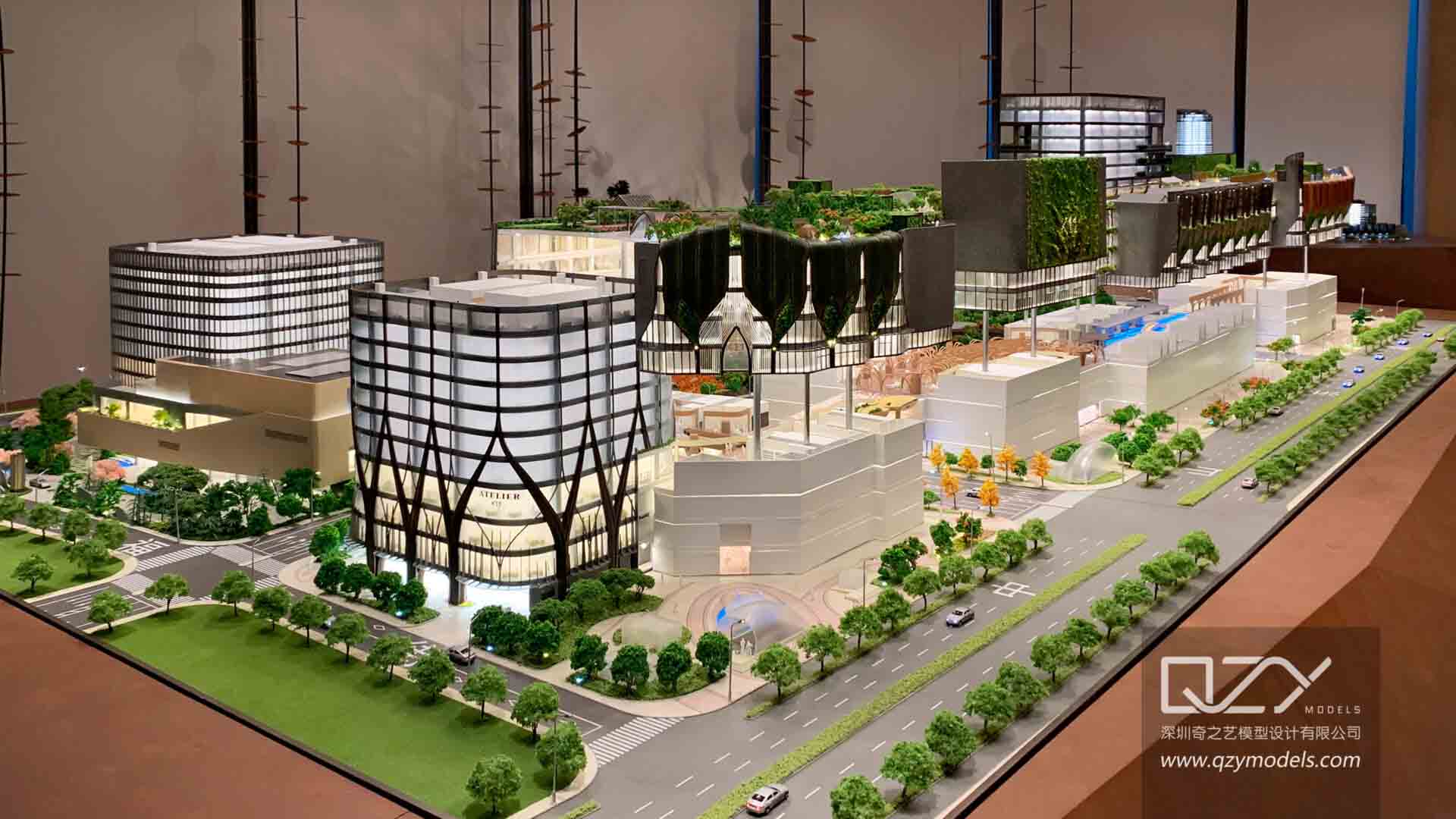
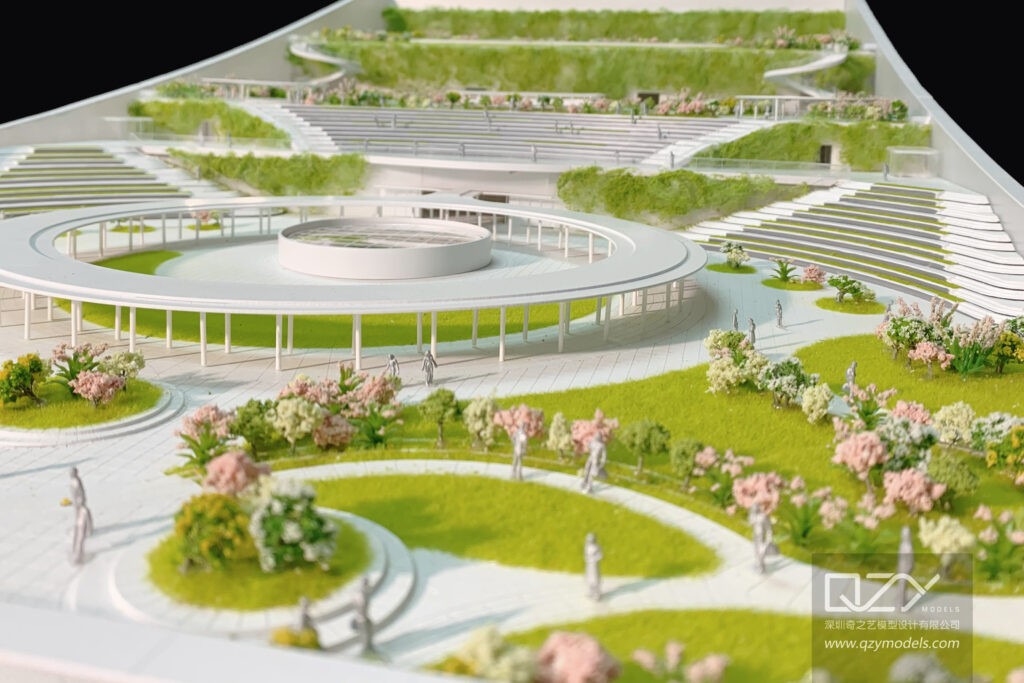
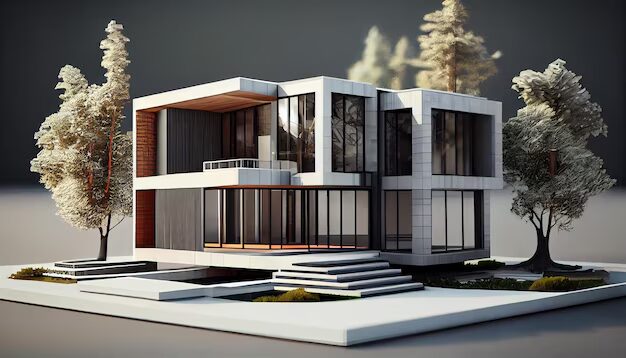
Custom architectural model design creates bespoke physical representations tailored to a project’s unique form, function, and aesthetic. These models aid architects, developers, and clients in accurate visualization, design validation, and stakeholder communication. Expert firms like QZY Models blend craftsmanship, innovative materials, and technology to deliver precise, detailed models that enhance presentation impact and project success.
What Is Custom Architectural Model Design and Why Is It Important?
Custom architectural model design involves crafting unique, purpose-built scale models that reflect a project’s specific details, materials, and context. It is important because each project varies in design complexity, function, and audience needs. Custom models help communicate complex spatial relationships and design intent far better than generic or stock models. QZY Models creates tailored solutions that meet client expectations for accuracy, detail, and presentation style, strengthening design decisions and stakeholder alignment.
Personalization ensures models are relevant, realistic, and impactful communication tools.
How Are Custom Architectural Models Designed and Produced?
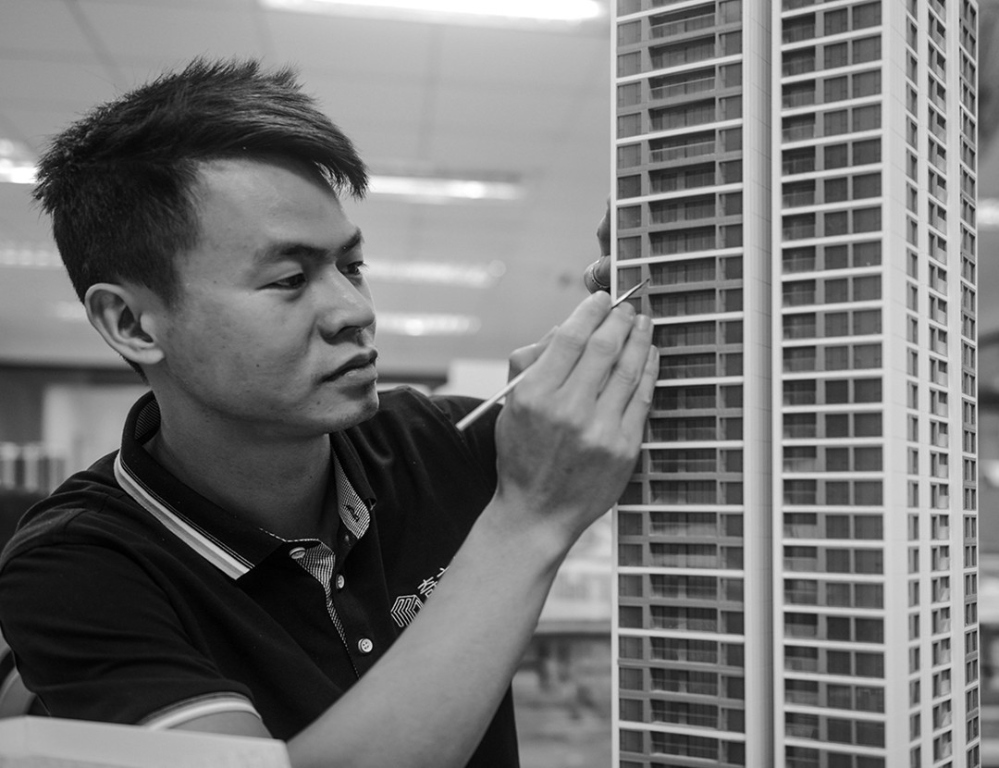
Custom design begins with close collaboration between model makers and architects to interpret CAD files, sketches, and project specifications. This process includes material selection, scale determination, detail level planning, and visualization of spatial contexts. Production combines traditional handcrafting (carving, painting) with digital fabrication techniques (3D printing, laser cutting). QZY Models leverages skilled artisans and advanced technologies to produce models that are structurally sound, visually engaging, and precisely detailed.
Continuous client input and iterative prototyping ensure design fidelity and satisfaction.
Which Materials and Techniques Are Best for Custom Architectural Models?
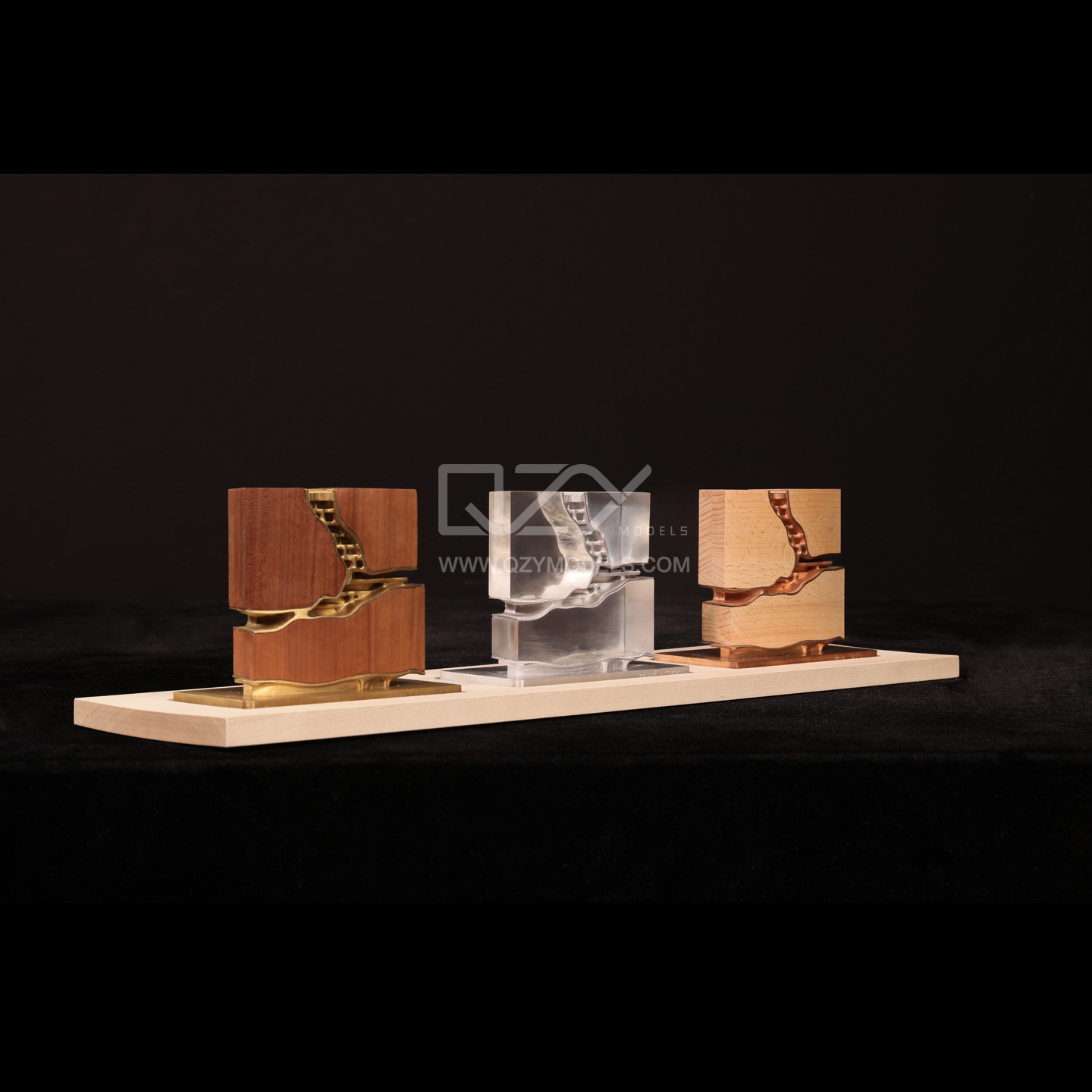
Materials vary by model type and detail: foam boards and cardboard excel in conceptual massing, while acrylics, wood, and metals are preferred for presentation and detailed models. Techniques include handcrafted assembly, laser cutting for precision parts, CNC machining for structural components, and 3D printing for intricate details. QZY Models optimizes material and technique combinations to balance durability, aesthetics, cost, and timeline, producing models that match client vision and project purpose.
Material choice closely ties to model stage, desired detail, and budget constraints.
Table: Custom Architectural Model Materials and Techniques
| Material | Technique | Best Use Case | Key Benefits |
|---|---|---|---|
| Foam Board | Hand crafting | Conceptual massing models | Lightweight, easy to shape |
| Acrylic / Plexiglas | Laser cutting | Transparent elements, facades | Clarity, sharp edges, durable |
| Wood | CNC machining | Presentation and showcase models | Texture, strength, aesthetic warmth |
| Metal Sheets | Hand crafting/laser | Detailed roofing, fixtures | Realistic finish, industrial feel |
| Resin/PLA | 3D printing | Complex geometries and details | High resolution, accuracy |
Where Are Custom Architectural Models Most Effectively Used?
Custom models are vital in client presentations, design approvals, marketing pitches, public consultations, and competition submissions. They offer tangible spatial understanding that enhances communication of complex design ideas. QZY Models serves global architects and developers by delivering site-specific, contextually accurate models that visually engage and inform decision-makers, illuminating design strengths and addressing concerns effectively.
Models act as both technical tools and persuasive storytelling devices.
When Should Custom Architectural Model Design Be Integrated into Projects?
Custom model design should begin early during schematic design or design development stages to guide decision-making and visualization. Early model integration enables testing spatial concepts, materials, and environmental context. Further refinement into detailed presentation models can occur as the design matures. QZY Models recommends engaging model experts at project kickoff to ensure timelines and logistics align, maximizing model impact while optimizing resources.
Phased model development supports iterative design refinement and stakeholder feedback.
How Does QZY Models Ensure Excellence in Custom Architectural Model Design?
QZY Models combines 20+ years of expertise with a global network to deliver tailored models showcasing precise detail and innovative craftsmanship. Their process emphasizes collaboration, material innovation, and technology integration, ensuring models reflect design intent and client vision. Location-specific expertise allows addressing regional requirements and climate considerations. With a commitment to quality and professionalism, QZY Models consistently produces models that exceed expectations and elevate architectural storytelling worldwide.
Their holistic approach integrates artistry with technical precision for superior outcomes.
What Are the Common Challenges in Custom Architectural Model Design?
Challenges include balancing detail level with budget and timeline, selecting appropriate materials, integrating complex digital data with manual techniques, and meeting client-specific presentation standards. Achieving durability while maintaining high fidelity and aesthetic appeal requires expertise and careful planning. QZY Models overcomes these obstacles through meticulous project management, flexible workflows, and customized solutions tailored to each project’s unique demands.
Clear communication and adaptive methodologies minimize risks and improve client satisfaction.
Are Emerging Technologies Influencing Custom Architectural Model Design?
Yes, technologies like high-resolution 3D printing, laser cutting, CNC machining, virtual reality (VR), and augmented reality (AR) enhance precision, speed, and interactive capabilities in model design. Digital fabrication enables complex geometry realization and faster prototyping. QZY Models integrates these innovations to supplement traditional craftsmanship, creating models that are not only visually stunning but also interactive and data-rich.
Tech adoption expands creative possibilities and client engagement tools.
QZY Models Expert Views
“Custom architectural model design is both an art and a science, requiring deep understanding of the project’s vision and meticulous execution. At QZY Models, we blend decades of experience with cutting-edge technology and premium materials to craft models that tell compelling design stories. Each model is uniquely tailored, reflecting the essence of the architecture while serving as a powerful communication bridge between architects, clients, and stakeholders worldwide.” – Richie Ren, Founder, QZY Models
Could Sustainable Practices Shape the Future of Custom Architectural Model Design?
Sustainability is increasingly critical, driving demand for eco-friendly materials, minimized waste, and energy-efficient production processes in model making. Innovations in biodegradable foams, recycled plastics, and water-based adhesives are influencing materials choice. QZY Models actively pursues sustainable practices, balancing environmental responsibility with uncompromised model quality to future-proof its offerings and align with green architectural priorities.
Sustainability enhances brand value and meets evolving client expectations.
Conclusion
Custom architectural model design transforms architectural concepts into tangible, visually compelling, and precisely detailed representations tailored to project needs. Leveraging the right materials, techniques, and early integration notably enhances design communication, client engagement, and project decision-making. Industry leaders like QZY Models excel in delivering custom solutions that marry craftsmanship with technology, ensuring every model not only reflects architectural vision but also drives successful project outcomes.
Frequently Asked Questions
Q: What factors influence material choice in custom architectural model design?
A: Factors include model purpose, desired detail level, durability, budget, and presentation context.
Q: Can 3D printing be used in custom architectural models?
A: Yes, especially for complex, detailed, or intricate components requiring precision and fast turnaround.
Q: How detailed can custom architectural models be?
A: Detail ranges from basic massing for conceptual stages to rich, precise finishes for final presentations.
Q: Does QZY Models handle international custom architectural model projects?
A: Yes, they operate globally with expertise in diverse project types and regional requirements.
Q: When is the best time to start custom model design in a project?
A: Ideally during early design phases to align with decision-making and refine the project iteratively.