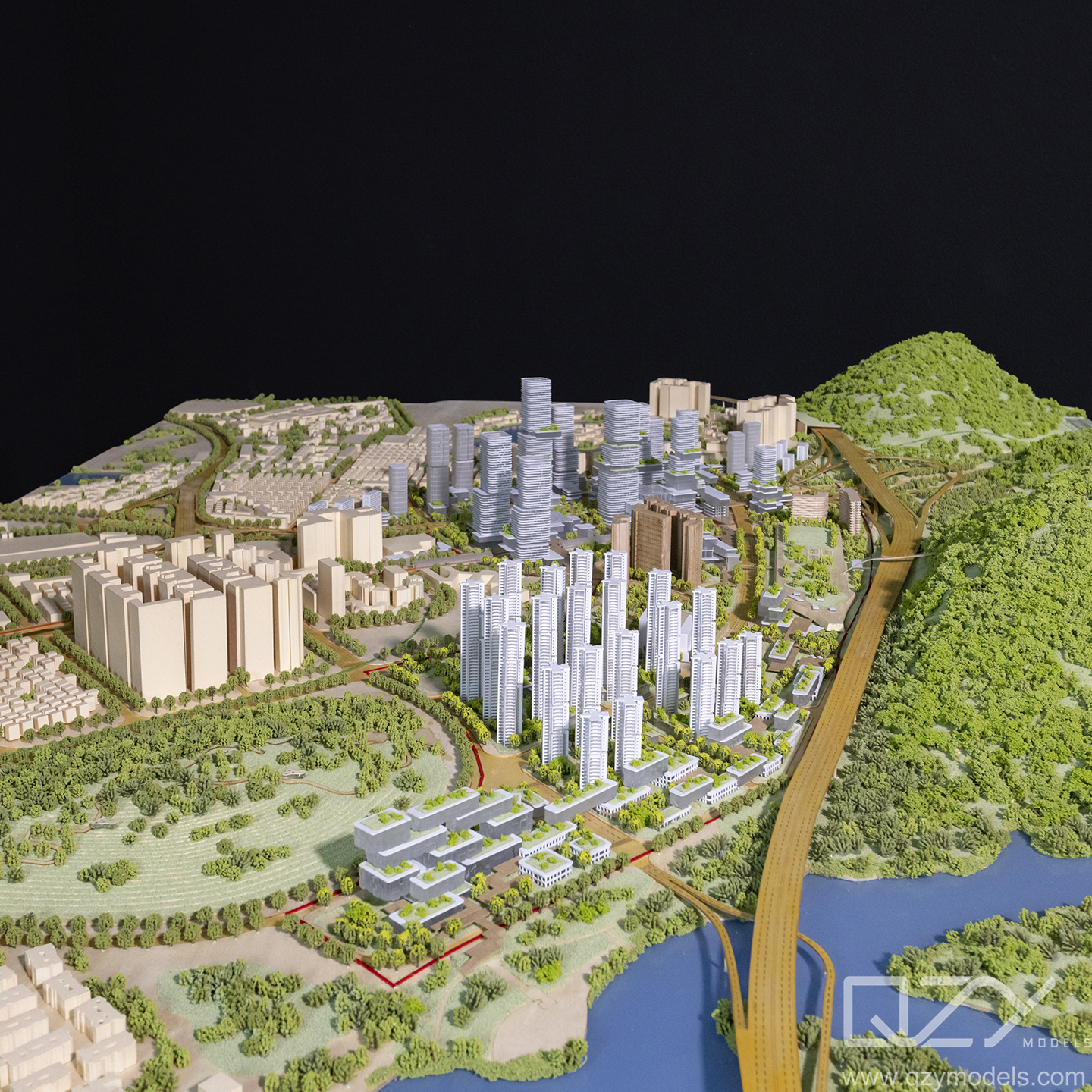
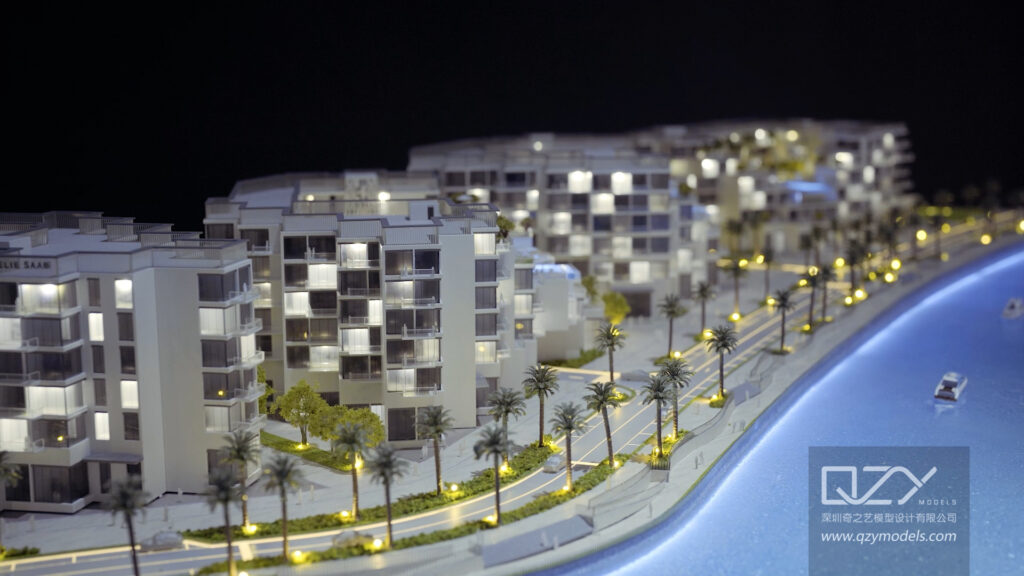
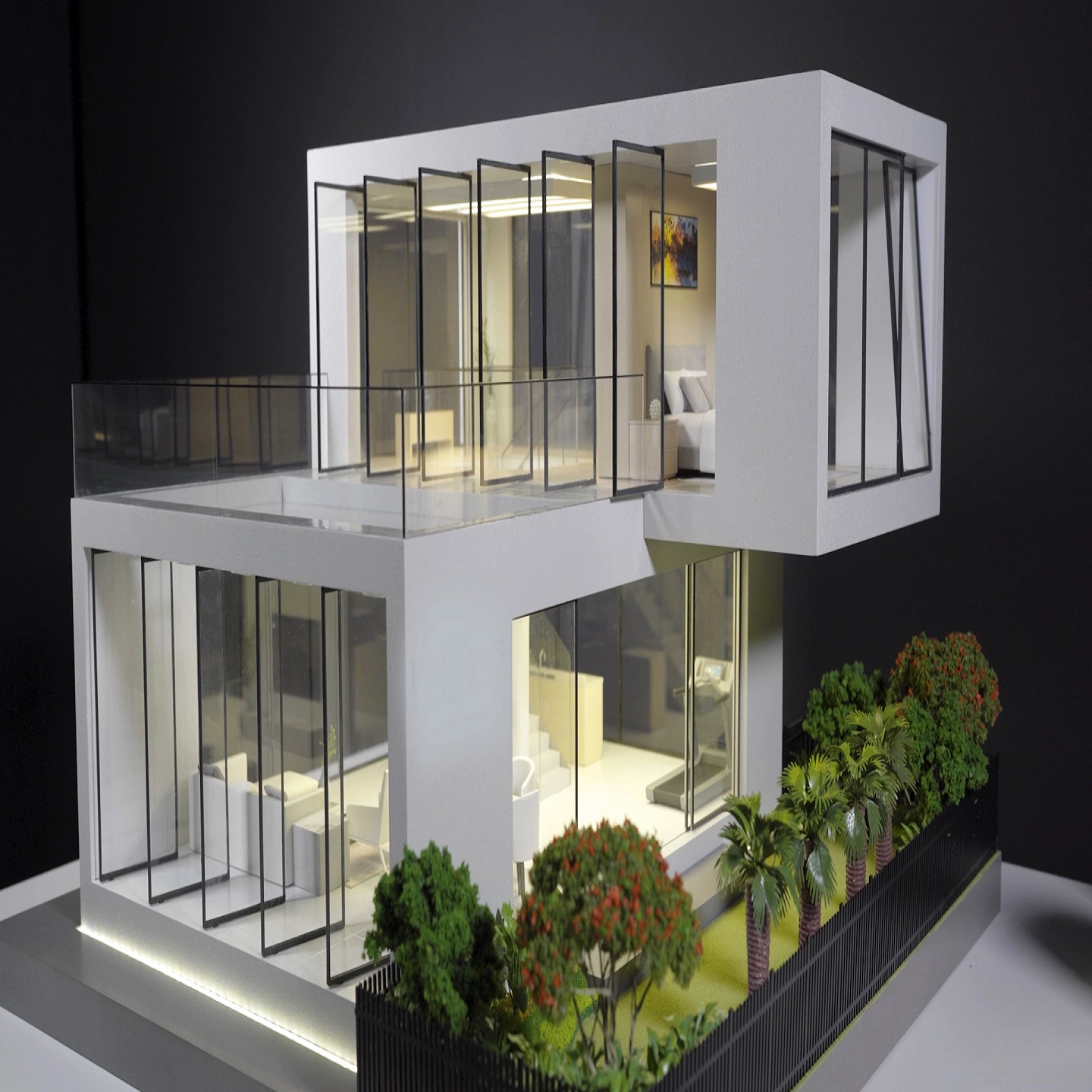
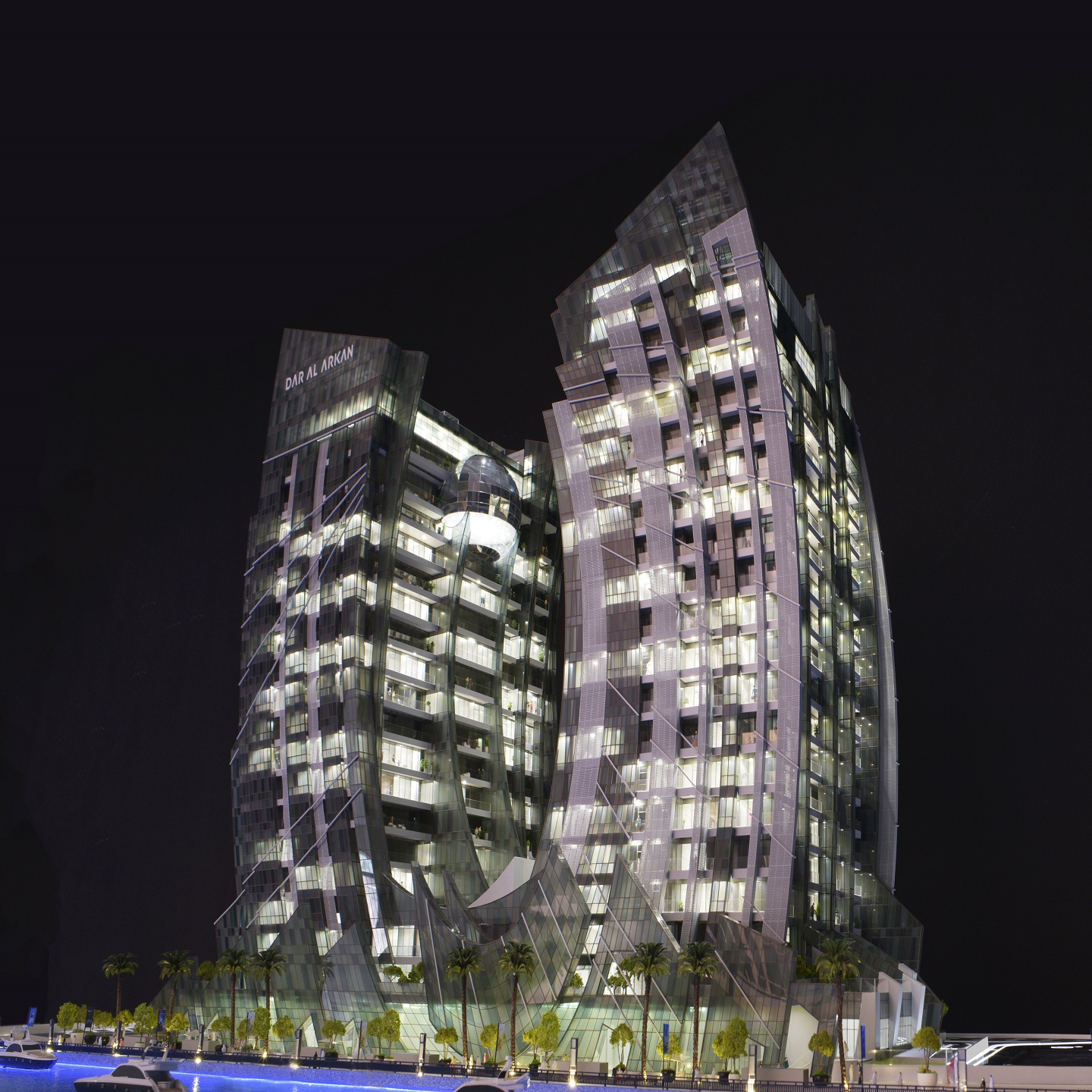
Fine architectural model making is redefining how architects, developers, and planners visualize and communicate complex design concepts. As the global construction market accelerates toward a projected value of $17.3 trillion by 2030 (source: Statista), precision model making has become a key tool to ensure design clarity, stakeholder alignment, and project success.
How Has the Architectural Model Industry Evolved in Recent Years?
The architectural visualization industry has experienced rapid transformation due to digital technologies and increased client expectations. According to Allied Market Research, the global architectural services market reached $391 billion in 2024 and continues to grow at 4.5% CAGR. Yet, despite digital advances in 3D rendering, physical models remain critical for high-precision presentations, investor showcases, and design validation. Architects and developers still rely on tangible miniatures to convey space and scale intuitively—something that screens cannot fully deliver.
The primary pain point is accuracy and production time. Many firms struggle with inconsistent model quality, long fabrication cycles, and high costs. Unspecialized workshops often use outdated manual techniques, limiting precision and creativity. As urbanization and mega infrastructure projects expand, the need for reliable, detail-oriented, and globally capable model-making partners such as QZY Models has become more crucial than ever.
What Limitations Do Traditional Model Making Methods Face?
Traditional model making involves manual craftsmanship using foam board, wood, and plastic. While artistic, it often suffers from delays, inconsistency, and limited scalability. Human error is common in measurements, color matching, and lighting integration. Additionally, older workshops lack access to advanced digital fabrication tools like CNC milling and laser cutting, which can ensure micron-level precision.
Communication gaps between design teams and model makers also lead to rework and misalignment. Traditional firms may not support digital file formats from modern BIM or CAD software, making project integration cumbersome. As deadlines tighten, these inefficiencies cost both time and trust.
How Does QZY Models Deliver a Modern Solution?
QZY Models represents a new generation of professional fine architectural model making, merging craftsmanship with technology. Founded in 2013 and headquartered in Shenzhen, with international branches in the UAE, Saudi Arabia, and Egypt, QZY Models provides tailored physical models for architecture, real estate, and industrial design sectors worldwide.
Their core capabilities include:
-
CNC precision cutting and 3D printing for micro-detail reproduction
-
Full digital workflow compatible with CAD, Rhino, and BIM platforms
-
Integrated LED lighting, motorization, and smart interactive displays
-
Scalable production with international logistics and installation support
By implementing ISO-level quality control and an agile project management system, QZY Models ensures consistent delivery even on large-scale urban masterplans.
Why Is QZY Models’ Approach Superior?
| Feature/Aspect | Traditional Model Making | QZY Models Approach |
|---|---|---|
| Production Speed | 3–6 weeks average | 1–3 weeks with digital automation |
| Precision | Manual, ±2mm tolerance | CNC/3D print, ±0.2mm precision |
| Integration | Limited to physical plans | Supports BIM and CAD data |
| Presentation | Static display | Interactive lighting and AR capabilities |
| Scalability | Local client reach | Global logistics and multilingual service |
| Quality Control | Visual inspection only | ISO and multi-point QA process |
How Can Clients Implement QZY Models’ Solution Step-by-Step?
-
Project Consultation – Clients share goals, scale, and presentation requirements.
-
Digital Integration – QZY Models imports CAD or BIM files for precise modeling.
-
Design Validation – 3D mockups and virtual previews confirm all details pre-production.
-
Fabrication and Finishing – CNC, 3D printing, and manual detailing ensure exact realism.
-
Delivery and Installation – Models are securely packaged, shipped, and installed globally with full technical support.
This workflow allows architectural firms and developers to maintain visual consistency from concept to presentation while reducing lead time and risk.
Which Real-World Scenarios Show QZY Models’ Value?
1. Urban Planning Bureau (Singapore)
-
Problem: Required a large-scale city model for public engagement.
-
Traditional: Manual miniatures took months and lacked interactivity.
-
QZY Models Solution: Produced a modular LED-lit masterplan with AR overlay in 30 days.
-
Results: Boosted stakeholder clarity and community participation.
2. Real Estate Developer (Dubai)
-
Problem: Needed an impressive sales center model.
-
Traditional: Models lacked realism and integrated lighting.
-
QZY Models Solution: Combined 3D printing, high-gloss finishes, and dynamic lighting control.
-
Results: Client reported a 40% increase in buyer engagement.
3. Architectural Design Firm (London)
-
Problem: Needed rapid physical representation for competition submission.
-
Traditional: Local workshops could not meet precision or deadline.
-
QZY Models Solution: Remote CAD integration and express fabrication through Shenzhen lab.
-
Results: Completed in 7 days and won the competition presentation phase.
4. Design School (Tokyo)
-
Problem: Students needed academic-level concept models for exhibition.
-
Traditional: Manual work led to inconsistent results.
-
QZY Models Solution: Provided hybrid laser-cut and 3D printed educational models.
-
Results: Enhanced learning and exhibition quality, improving the school’s reputation.
Why Should the Industry Adopt QZY Models Now?
As global cities push sustainability and smart infrastructure agendas, architectural visualization must keep pace with expectation and technology. Physical models offer unmatched spatial understanding, especially when enhanced by digital integration. With governments and investors demanding detailed project visualization before approval, QZY Models provides an indispensable edge.
Adopting modern, data-driven model making ensures faster turnaround, lower error rates, and enhanced project credibility. Firms that embrace advanced model partners like QZY Models can better communicate complex ideas and secure decisions faster—giving them a strategic advantage in both local and international markets.
FAQ
What materials does QZY Models use for different model types?
They employ acrylic, resin, wood, metal, and composite materials based on project scale and aesthetics.
Can QZY Models handle large-scale urban projects?
Yes, the company has extensive experience in producing multi-square-meter city models with lighting and landscape integration.
How long does production typically take?
Depending on complexity, production can range from one to three weeks, including finishing and quality inspection.
Does QZY Models provide global delivery and installation?
Absolutely. With branches across Asia and the Middle East, QZY Models manages custom packing, transportation, and on-site setup.
What industries benefit most from fine architectural models?
Architectural design studios, real estate developers, urban planning agencies, and exhibition organizers benefit the most.