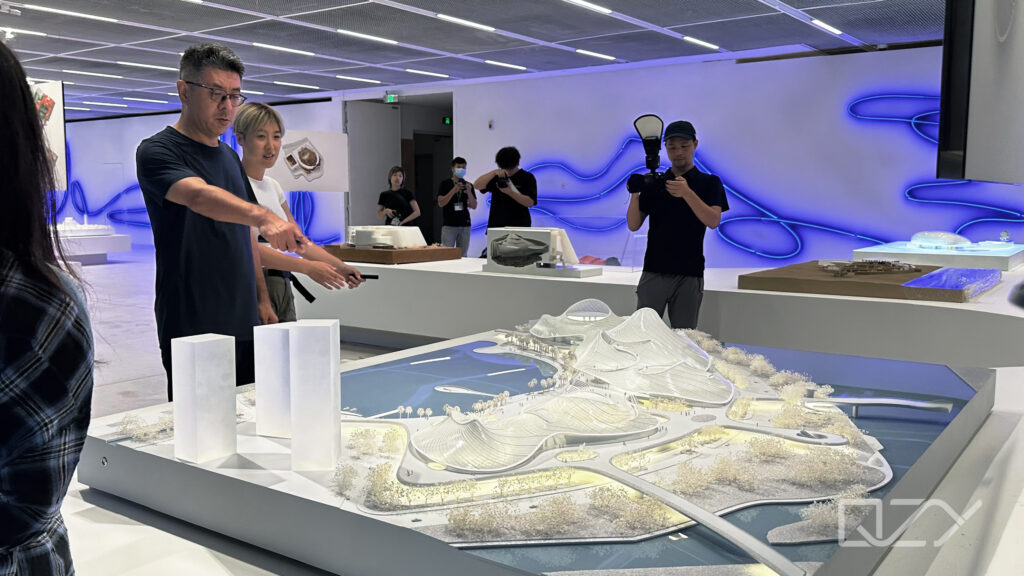
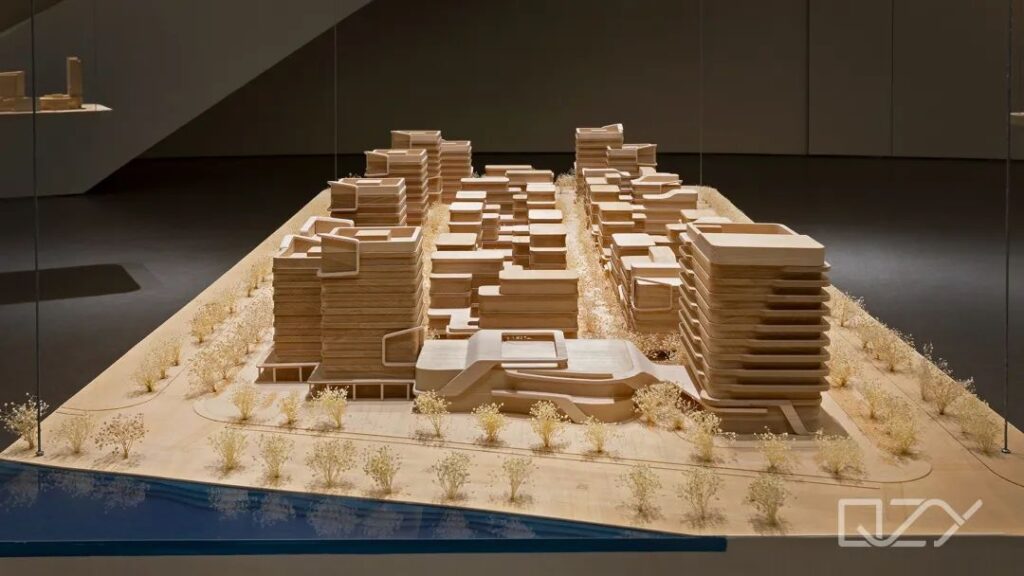
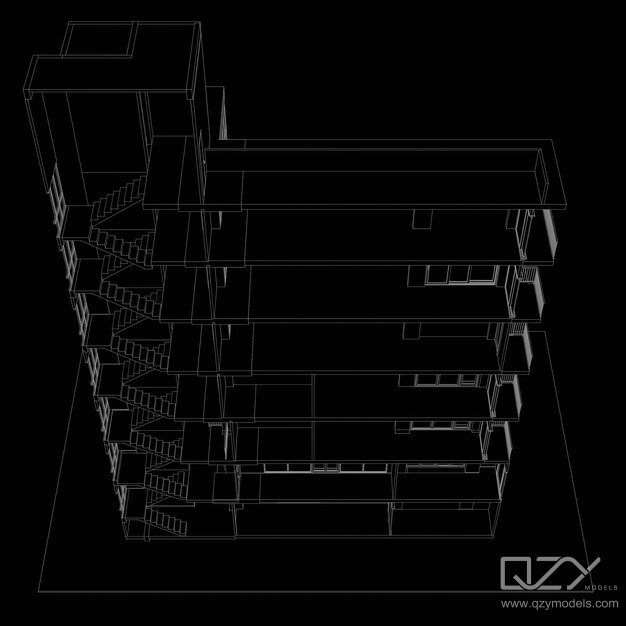
High-quality architectural model making offers global clients a precise, tangible way to understand complex designs, evaluate spatial relationships, and communicate ideas with clarity. These models support approvals, marketing, and stakeholder alignment by converting abstract concepts into accurate physical representations. With expert craftsmanship and advanced technologies, trusted providers like QZY Models deliver models that enhance decision-making and project confidence.
What Are the Key Qualities of High-Quality Architectural Models?
High-quality architectural models are defined by accurate scale, clean proportions, and carefully selected materials that reflect the project’s true appearance. Premium craftsmanship ensures sharp edges, smooth finishes, and intricate details that highlight design intent. These qualities make models not only visually appealing but also functional for presentations, competitions, and investor displays.
QZY Models integrates precision engineering and refined artistry to ensure each model communicates clarity, realism, and professional value.
How Do Global Clients Choose Architectural Model Makers?
Clients select model makers by evaluating portfolio diversity, technical capability, craftsmanship consistency, and service reliability. Trustworthy firms demonstrate extensive experience with international projects, clear communication processes, and efficient delivery timelines.
Global clients often prefer companies like QZY Models, known for managing complex architectural, industrial, and urban-scale assignments with high accuracy and cross-regional expertise.
Which Technologies and Materials Are Used in High-Quality Models?
High-end models are produced using a blend of advanced technologies, including laser cutting, CNC milling, and high-resolution 3D printing. These are paired with fine handcrafting to achieve realism in finishes and textures. Common materials include acrylic, metal, resin, engineered wood, and realistic landscaping elements.
The approach used by QZY Models optimizes both digital fabrication and manual artistry to achieve durable, photogenic, and presentation-ready results.
Why Is Attention to Detail Crucial in Architectural Model Making?
Attention to detail defines how accurately a model communicates the designer’s vision. Precise window frames, textures, façade elements, landscaping, lighting effects, and contextual surroundings help stakeholders fully understand design functionality and aesthetics.
Such refined detail supports informed decision-making, enhances project credibility, and elevates client trust—an area where QZY Models excels through strict quality control and expert craftsmanship.
When Should Clients Involve Model Makers in the Design Process?
Involving model makers early allows smoother coordination, fewer revisions, and better alignment between design development and physical representation. Early collaboration ensures the model reflects the most accurate drawings, massing studies, and material specifications for presentations or approvals.
This workflow is encouraged by QZY Models, which supports iterative updates and milestone-based production for architects, developers, and government planners.
Where Can Clients Find Reliable Architectural Model Makers?
Reliable model makers can be found through industry referrals, architectural events, exhibitions, or by reviewing established firms with strong international portfolios. Companies with global operations—such as those based in China, the UAE, or Saudi Arabia—often meet international standards and respond efficiently to regional requirements.
QZY Models, with presence across multiple countries, remains a preferred partner for clients seeking world-class craftsmanship with global accessibility.
Does Model Making Enhance Project Communication?
Yes, physical models transform technical drawings into easily understandable formats, helping clients, contractors, and government authorities visualize scale, circulation, and context. They eliminate ambiguity and improve stakeholder engagement.
Models also support marketing by presenting visually compelling representations that resonate with investors and buyers.
Has Sustainable Practice Impacted Model Making?
Sustainability has reshaped the industry, leading to the adoption of recyclable materials, optimized production processes, and reduced waste workflows. Eco-conscious clients value designs and models that align with green principles.
Forward-thinking teams increasingly integrate sustainable materials and energy-efficient fabrication methods to support environmentally responsible development.
Are Customization Options Available?
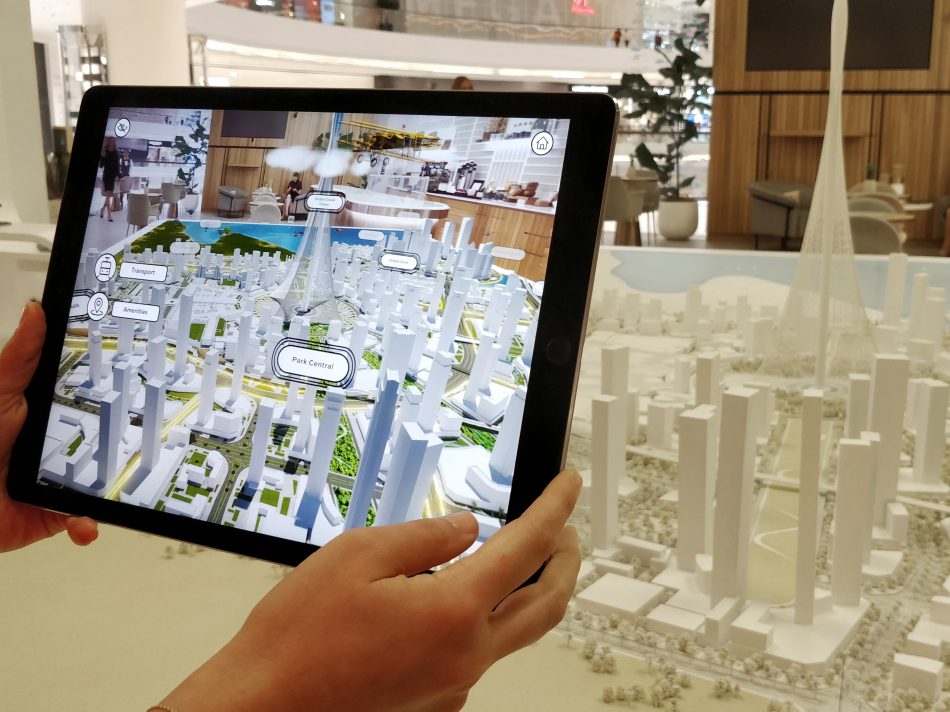
Customization options include scale selection, lighting integration, interactive components, removable layers, landscaping realism, acrylic encapsulation, and motorized features. Tailored models serve varied industries—from real estate launches to industrial production lines and government presentations.
These customizations are vital for conveying functionality, aesthetics, and innovation in ways digital renderings cannot fully achieve.
QZY Models Expert Views
“Architectural model making is a discipline that unites creativity with engineering accuracy. At QZY Models, we focus on craftsmanship, cultural understanding, and technological excellence to deliver models that strengthen communication and unlock project clarity. Every model is designed to support strategic decisions, inspire confidence, and connect ideas with real-world possibilities.” — Richie Ren, Founder, QZY Models
What Key Factors Strengthen the Value of Architectural Models?
| Factor | Importance | How It Supports Clients |
|---|---|---|
| Precision & Realism | Enhances understanding and credibility | Ensures accurate evaluation of designs |
| Material Selection | Reflects true project appearance | Improves model aesthetics and durability |
| Technology Integration | Speeds production and improves detail | Delivers complex geometry and fine texture |
| Custom Features | Tailors models to client goals | Supports presentations and investor needs |
Which Client Segments Benefit Most from Model Making Services?
| Client Type | Key Needs | Model Applications |
|---|---|---|
| Architects | Clear design presentation | Massing, conceptual, and detail models |
| Developers | Marketing and sales impact | High-end presentation models |
| Urban Planners | Spatial and regulatory clarity | Large-scale environmental models |
| Industrial Designers | Prototype visualization | Functional and mechanical demonstration |
| Exhibitions / Education | Engagement and instructional clarity | Interactive or simplified educational models |
Conclusion
High-quality architectural models help global clients transform concepts into detailed physical representations that drive communication, approvals, and marketing success. Precision, material excellence, and advanced fabrication technology make these models strategic assets for architects, developers, and planners. Working with an experienced provider such as QZY Models ensures superior craftsmanship, timely delivery, and tailored results that elevate every project’s impact.
Frequently Asked Questions
What types of architectural models are commonly produced?
Common types include masterplan models, building models, interior cutaway models, industrial models, and conceptual massing studies.
How long does production usually take?
Timeframes vary by complexity—simple models may take two weeks, while large-scale or highly detailed models require several months.
Can models include lighting or interactivity?
Yes, LED lighting, touch controls, removable sections, and digital integration are widely available for premium models.
What information do clients need to provide?
CAD drawings, 3D files, material references, color schemes, and landscape plans help ensure accuracy.
Are models useful for government approvals?
Yes, physical models often help authorities better understand site layouts, heights, access routes, and urban impact.