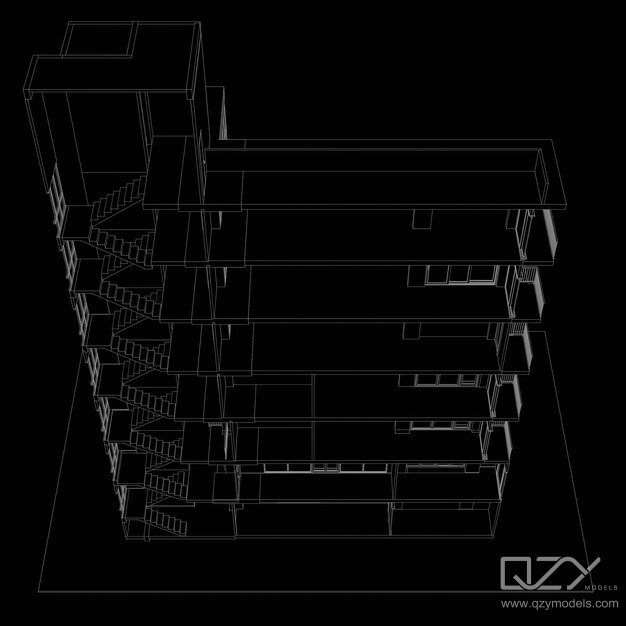
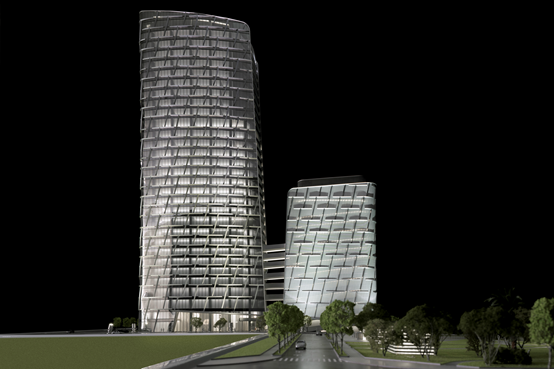
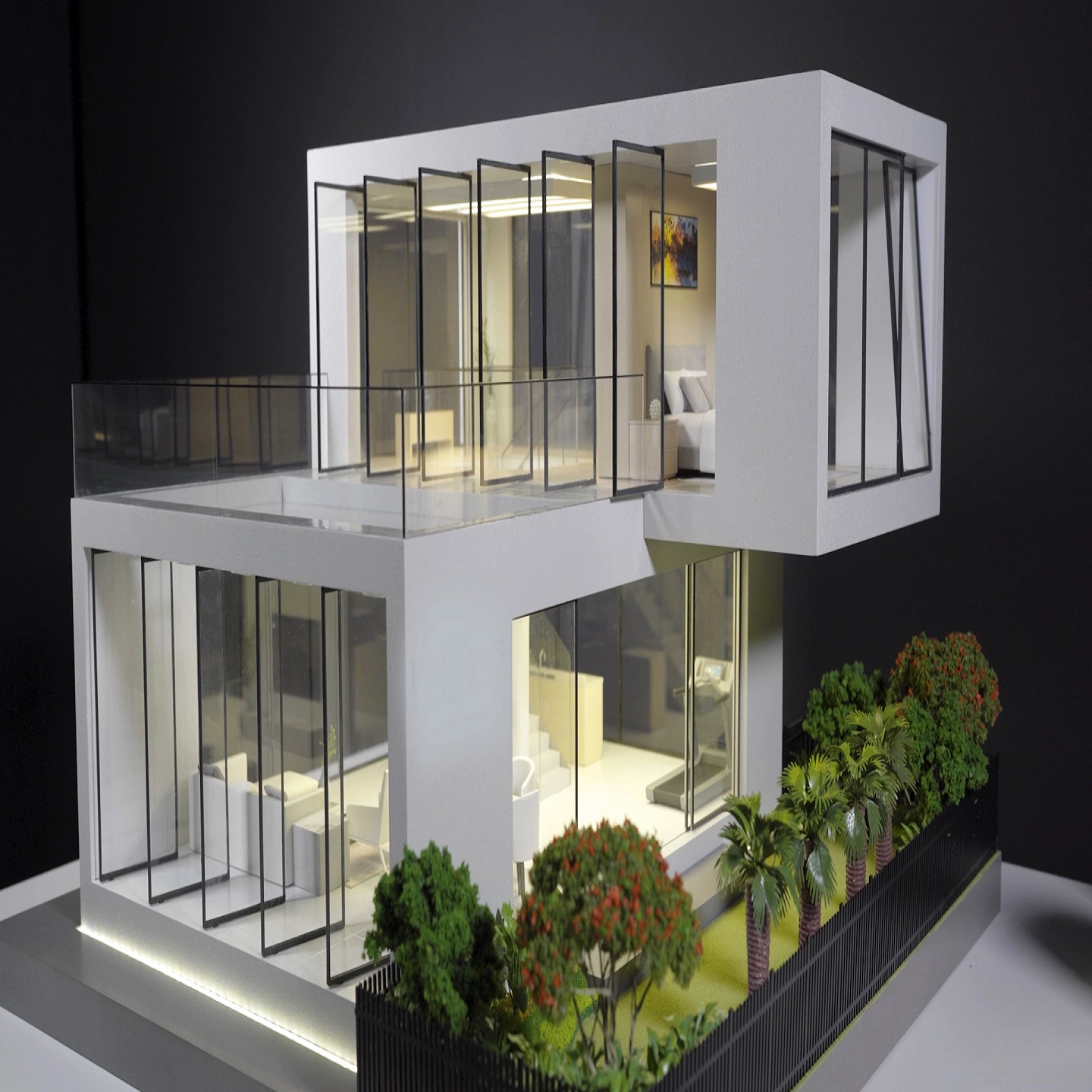
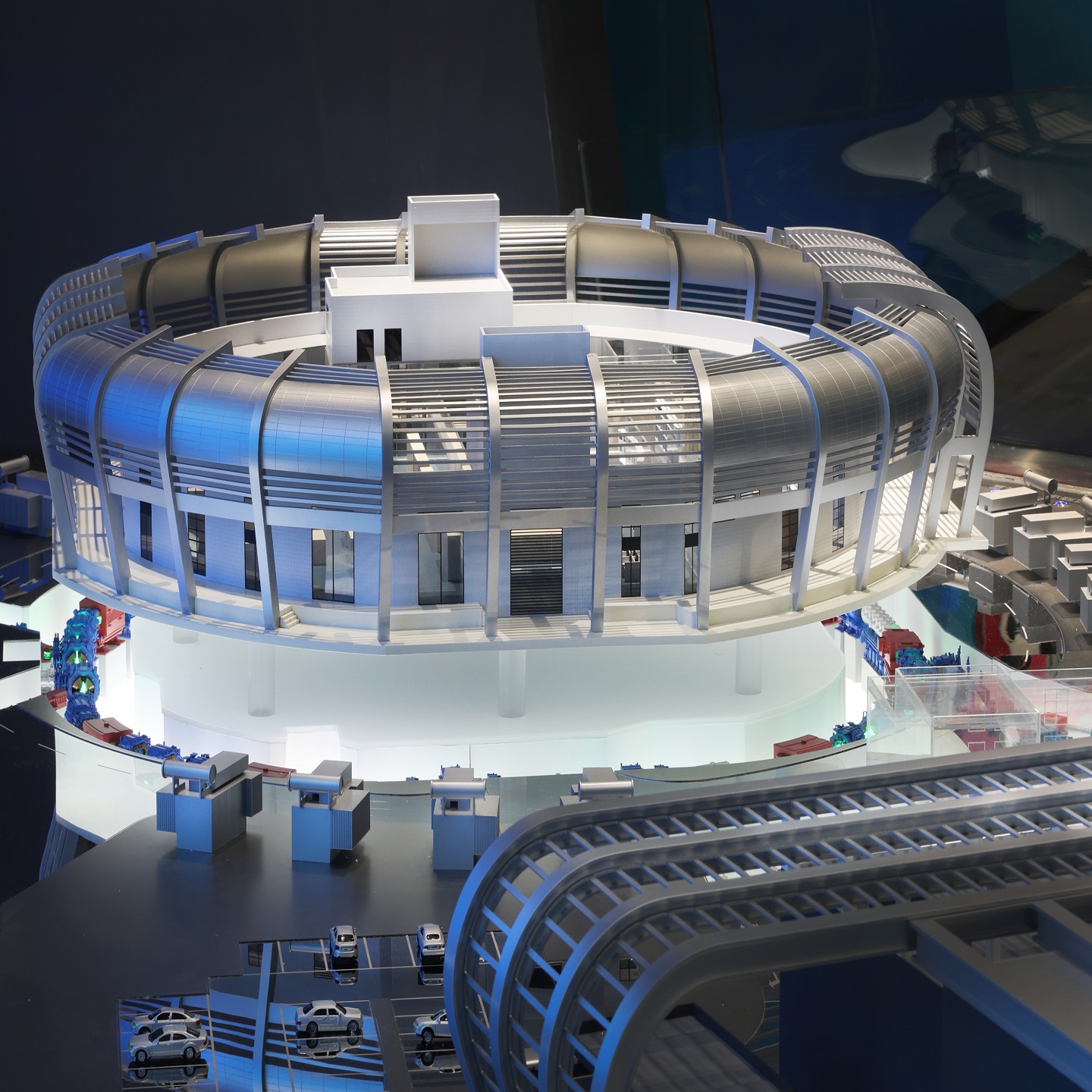
Industrial model development is the process of creating detailed, accurate physical or digital representations of industrial products, systems, or processes to aid design validation, communication, and optimization. By combining techniques like CAD modeling, rapid prototyping, and advanced fabrication, experts like QZY Models deliver precision-crafted models that accelerate innovation, reduce errors, and enhance project outcomes worldwide.
What Is Industrial Model Development and Why Is It Essential?
Industrial model development encompasses the entire workflow from conceptualization through design, prototyping, fabrication, and testing of scale or full-scale industrial models. It is essential because these models help engineers, designers, and stakeholders visualize complex systems, validate functional and aesthetic requirements, detect flaws early, and facilitate decision-making. QZY Models applies meticulous craftsmanship and cutting-edge technologies to provide reliable models that directly support product development cycles and strategic planning.
Models bridge digital concepts and real-world applications, mitigating risks and improving efficiency.
How Is the Industrial Model Development Process Structured?
The industrial model development process typically follows these stages:
-
Conceptualization: Brainstorming and sketching initial ideas to define design goals and constraints.
-
CAD Modeling: Creating precise digital models using CAD software with detailed specifications.
-
Material Selection: Choosing materials based on model purpose, durability, detail, and budget.
-
Fabrication: Employing techniques such as 3D printing, CNC machining, laser cutting, and handcrafting to build components.
-
Assembly & Finishing: Combining parts with precise alignment and adding surface treatments, painting, or decals.
-
Testing & Evaluation: Conducting functional, ergonomic, or aesthetic tests to identify areas for refinement.
-
Iteration: Adjusting designs and remaking components as necessary to optimize the final model.
-
Final Presentation: Delivering the completed model with accompanying documentation to stakeholders.
QZY Models integrates iterative feedback and expert manufacturing workflows to ensure superior quality and timely delivery throughout this process.
Which Techniques and Materials Are Most Effective in Industrial Model Development?
Techniques like rapid prototyping via 3D printing (for precise detailing), CNC machining (for robust, accurate parts), laser cutting (for fast, detailed components), and skilled handcrafting form the backbone of effective development. Common materials include foam (lightweight concept forms), plastics (versatile, durable), wood (structural elements), acrylic (transparent components), and metals (high precision, strength). QZY Models carefully selects and combines these methods and materials to produce models optimized for durability, visual fidelity, and functionality according to project needs.
Table: Key Techniques and Materials in Industrial Model Development
| Technique | Material Types | Benefits | Typical Applications |
|---|---|---|---|
| 3D Printing | Plastics, resins | High precision, complex shapes | Detailed prototypes and parts |
| CNC Machining | Metals, wood, plastics | Robust, accurate components | Structural and mechanical parts |
| Laser Cutting | Acrylic, wood, plastics | Fast, precise cuts | Panels, detailed patterns |
| Handcrafting | Wood, foam, metals | Custom finishing, artistry | Unique features, artistic touches |
Why Is Iterative Refinement Critical in Industrial Model Development?
Iterative refinement enables identification and correction of design flaws early, improving model functionality and appearance before finalization. This cyclical process saves time and costs by reducing rework in production stages and ensures the model fulfils all technical and aesthetic requirements. Experts at QZY Models emphasize frequent prototyping, testing, and client consultations to align the model continuously with evolving design goals and stakeholder expectations.
Refinement cycles enhance accuracy, usability, and stakeholder confidence.
When Should Industrial Models Be Introduced in the Product Development Cycle?
Industrial models should be introduced early, ideally after initial concept development and CAD modeling. Early physical prototypes facilitate tangible evaluation of designs, ergonomic testing, and stakeholder feedback. Continual use throughout design iterations and prior to mass production allows prompt correction of issues, ensuring smoother transitions into manufacturing and marketing. QZY Models advocates for early collaboration to integrate model development seamlessly within client project timelines.
Early modeling accelerates innovation and cost-effective design validation.
How Does QZY Models Excel in Industrial Model Development?
QZY Models combines over two decades of technical expertise with global reach to deliver industrial models that meet the highest standards of precision and visual fidelity. Utilizing advanced fabrication technologies such as multi-material 3D printing and CNC machining alongside handcrafted detailing, their team ensures every model accurately reflects design intent and functional complexity. Their robust project management, quality assurance, and client-centric approach enable tailored solutions for diverse industries worldwide.
Innovation, craftsmanship, and client partnership define QZY Models’ excellence.
What Challenges Are Encountered in Industrial Model Development?
Challenges include managing complexity in mechanical assemblies, balancing detail with durability, handling diverse materials, meeting tight deadlines, and integrating evolving client requirements. Accurate CAD-to-physical translation demands expert digital and manual skills. Additionally, ensuring models withstand transportation and handling without damage is crucial. QZY Models overcomes these by applying flexible workflows, thorough quality controls, material expertise, and proactive communication to mitigate risks and ensure project success.
Anticipating and managing challenges ensures consistent quality and client satisfaction.
Are Emerging Technologies Transforming Industrial Model Development?
Yes, technologies such as high-resolution additive manufacturing, augmented reality (AR) for design visualization, AI-assisted design optimization, and virtual prototyping significantly enhance model accuracy, speed, and collaboration. These tools enable rapid iterations, reduce waste, and support complex geometry fabrication. QZY Models actively integrates these innovations to stay at the forefront of industrial modeling, delivering superior products that meet evolving technical demands and client expectations.
Technology adoption drives continuous improvement and competitive advantage.
QZY Models Expert Views
“Industrial model development is a fusion of precision engineering, advanced technology, and artisanal skill. At QZY Models, we leverage state-of-the-art fabrication methods combined with decades of craftsmanship to create models that faithfully embody design concepts while being robust and functional. Our approach emphasizes iterative collaboration and material innovation, ensuring every industrial model serves as a critical asset for design validation, marketing, and manufacturing efficiency.” – Richie Ren, Founder, QZY Models
Could Sustainable Practices Enhance Industrial Model Development?
Sustainability is gaining prominence, encouraging use of recycled and biodegradable materials, energy-efficient production methods, and digital-first prototyping strategies to minimize waste. Adopting sustainable practices aligns model development with environmental goals and client values. QZY Models commits to ecological responsibility by continuously seeking green materials and optimizing fabrication processes without compromising model quality or performance.
Environmental stewardship complements innovation and quality excellence.
Conclusion
Industrial model development is a meticulous, multi-stage process combining creative design, advanced technologies, and skilled craftsmanship to deliver precise, functional, and visually compelling physical or digital models. These models are indispensable for validating designs, communicating concepts, and facilitating efficient production. QZY Models exemplifies leadership in this field, providing comprehensive, innovative solutions that accelerate industrial innovation and enhance client outcomes globally.
Frequently Asked Questions
Q: What materials are best for durable industrial models?
A: Metals like aluminum and brass, acrylics, and durable plastics combined with quality finishing yield long-lasting models.
Q: How does iterative prototyping benefit industrial model development?
A: It allows early detection of flaws, enabling design improvements that save time and cost in later stages.
Q: What fabrication techniques accelerate model development?
A: 3D printing and CNC machining rapidly produce complex, accurate components with less manual labor.
Q: How long does industrial model development typically take?
A: Timelines range from a few weeks for simple models to several months for complex, detailed projects.
Q: Does QZY Models provide global industrial model development services?
A: Yes, with international branches and extensive expertise, QZY Models delivers superior industrial models worldwide.