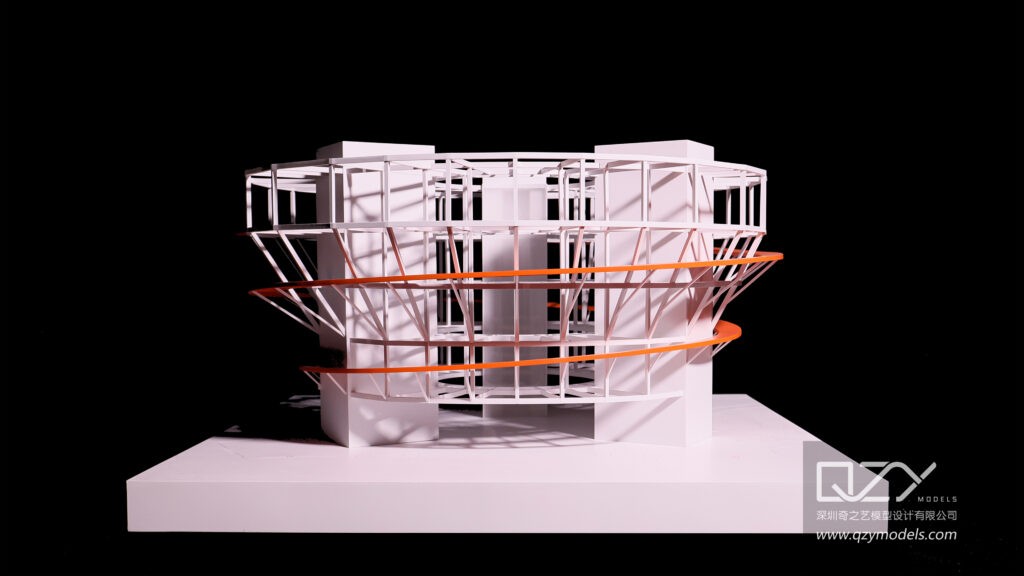
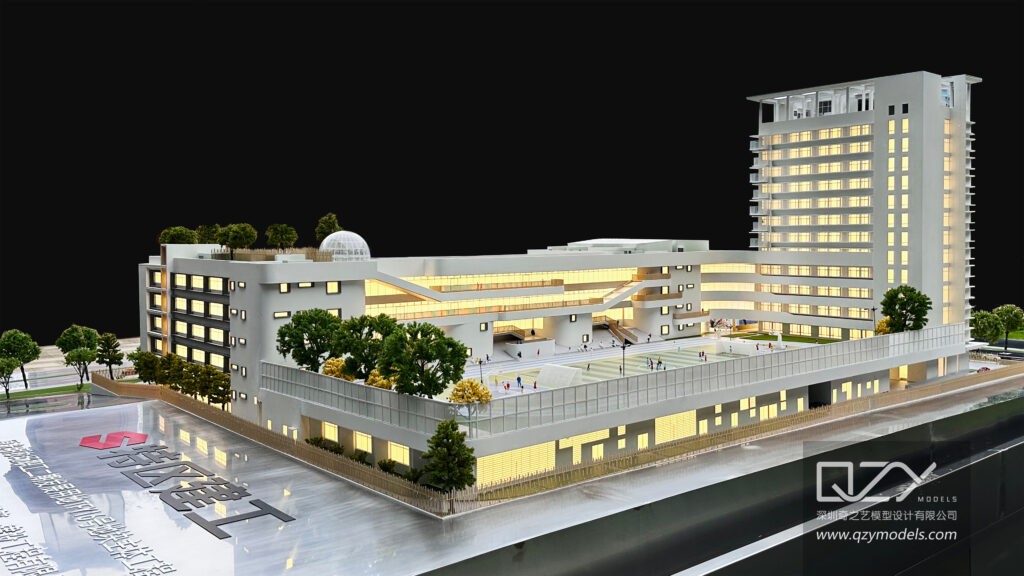
Industrial model making for manufacturing transforms digital designs into tangible prototypes that allow in-depth testing, validation, and communication. By bridging conceptualization and production with physical and virtual models, manufacturers improve accuracy, minimize costly errors, and accelerate innovation from initial idea to mass production.
How Is Industrial Model Making for Manufacturing Structured?
The process begins with conceptualization, where ideas are brainstormed and initial sketches developed. Designers translate these concepts into precise CAD models that define exact measurements and features. After material selection tailored to durability and function, skilled model makers fabricate the model using methods like 3D printing, CNC machining, and hand assembly. Testing and feedback drive iterative refinement, with final presentations used for stakeholder approval before scaling to mass production.
What Materials and Techniques Are Used in Industrial Model Making?
Manufacturers use materials such as foam for lightweight prototypes, plastics like ABS or PVC for functional parts, metals for strength and realism, and wood for structural support. Key techniques include 3D printing for rapid prototyping, CNC machining for precision, and hand finishing for fine details. Technologies like AR, VR, and virtual prototyping simulate performance digitally, reducing cycle time and costs. Specialized adhesives, paints, and sealants finalize and protect the model’s appearance and durability.
| Material/Technique | Purpose | Benefit |
|---|---|---|
| 3D Printing | Rapid prototyping of details | Fast iterations, accuracy |
| CNC Machining | Precision shaping of parts | Consistency, quality |
| High-Quality Plastics | Structural and aesthetic models | Realism, durability |
| Metals | Heavy-duty prototypes | Strength, function |
| Hand Finishing | Detailing and customization | Refined final appearance |
Which Key Benefits Do Industrial Models Bring to Manufacturing?
Industrial models enhance design accuracy by revealing potential flaws before full production. Rapid physical prototyping shortens development cycles, allowing quicker modifications and reducing time-to-market. These models foster collaboration, helping diverse teams and clients understand design intent and participate in iterative feedback. Physical and virtual prototypes also enable real-world testing, user feedback collection, and pre-market validation, ultimately minimizing mass production risks and costs.
Why Is Industrial Model Making Crucial for Quality Control?
Quality control is built into model making by digitally and physically checking dimensions, function, and assembly during every stage. Rigorous testing identifies design weaknesses early, ensuring final products meet specifications and safety standards. Modern digital tools trace dimensional accuracy, simulate production, and validate tolerances, reducing production errors and rework while supporting standardized, defect-free mass manufacturing.
Who Are the Experts Behind Industrial Model Making?
Specialized firms like QZY Models lead the field, bringing together engineers, model makers, and technologists. Their teams blend decades of experience, combining advanced CAD techniques, precise fabrication methods, and artistic craftsmanship. QZY Models partners with manufacturers worldwide, translating complex concepts into tailored physical prototypes that meet functionality, quality, and presentation needs.
When Should Industrial Models Be Introduced Within the Manufacturing Cycle?
Industrial models are best incorporated early, during ideation and design development, to visualize concepts and test initial assumptions. Continued use through iterative design phases enables rapid prototype validation before committing to costly tooling or production. Models are also valuable for stakeholder presentations, marketing previews, assembly training, and operator education before launch.
Where Are Industrial Models Most Effective and Deployed?
Models are used in R&D labs, design studios, manufacturing floors, and trade events. In manufacturing, they serve as hands-on training tools, help refine assembly processes, and support marketing with realistic demonstrations. Portable models enable remote client reviews and international collaboration, while digital models facilitate virtual walkthroughs or remote feedback for globally distributed teams.
Does Adopting New Technologies Advance Industrial Model Making?
Yes, integrating new technologies like AI-driven automated model building, digital thread quality solutions, and VR/AR visualization streamlines production, enhances accuracy, and democratizes data sharing. Automated model building, in particular, enables scalable, consistent prototypes that inform production, minimize waste, and empower rapid decision making across manufacturing teams.
Has QZY Models Set the Standard in Industrial Model Making for Manufacturing?
With over 20 years of experience, QZY Models delivers precision, innovation, and reliability on every project. Their expert teams leverage advanced materials, digital and physical modeling, and a deep understanding of manufacturing needs to ensure industrial models are both technically accurate and visually compelling. Trusted by leading companies internationally, QZY Models operates branches worldwide to support timely, tailored solutions for manufacturing clients.
Can Industrial Model Making Improve Product Success Rates and Market Fit?
Absolutely, industrial models allow early detection of design flaws, facilitate user feedback, and enable comprehensive testing before large-scale investment, resulting in better-performing products and more successful market outcomes. By supporting agile iterations and clear visualization, manufacturers can confidently bring higher-quality, well-tested products to market faster and with reduced risk.
QZY Models Expert Views
“At QZY Models, industrial model making is more than a craft—it’s an essential bridge between creative vision and manufacturing reality. We empower clients to bring ideas to life efficiently, using advanced digital and physical techniques informed by decades of expertise. Our models are not just prototypes; they’re strategic development assets that streamline design, assure quality, and drive innovation in modern manufacturing.” — Richie Ren, Founder of QZY Models
Conclusion
Industrial model making for manufacturing is a vital driver of product innovation, precision, and quality. By fusing advanced materials, iterative prototyping, and cutting-edge digital tools, manufacturers mitigate risks, accelerate timelines, and ensure market success. Collaborating with experts like QZY Models guarantees reliable, tailored prototypes that refine concepts, secure stakeholder buy-in, and support every phase of product development.
To maximize value, introduce modeling early, prioritize accuracy and collaboration, and harness both digital and physical solutions. Investing in expert model making transforms manufacturing challenges into opportunities for efficiency and creativity.
FAQs
Q1: What is industrial model making’s main role in manufacturing?
It converts digital designs into physical and virtual prototypes, enabling thorough testing, validation, and communication before mass production.
Q2: Which industries benefit most from industrial models?
Sectors like automotive, aerospace, electronics, consumer goods, and industrial equipment manufacturing all rely on industrial models for design, training, and marketing.
Q3: How quickly can an industrial model be produced?
Production time ranges from days to weeks, depending on complexity, materials, and required detail—rapid prototyping technologies can deliver models very quickly.
Q4: Can industrial models include functional, moving parts?
Yes, using precision components and assembly techniques, models can include operational features to simulate mechanisms and test performance.
Q5: Why trust QZY Models for industrial model making?
QZY Models brings a global reputation for precision, experience, and innovative methods, delivering tailored, high-quality models that support any manufacturing need.