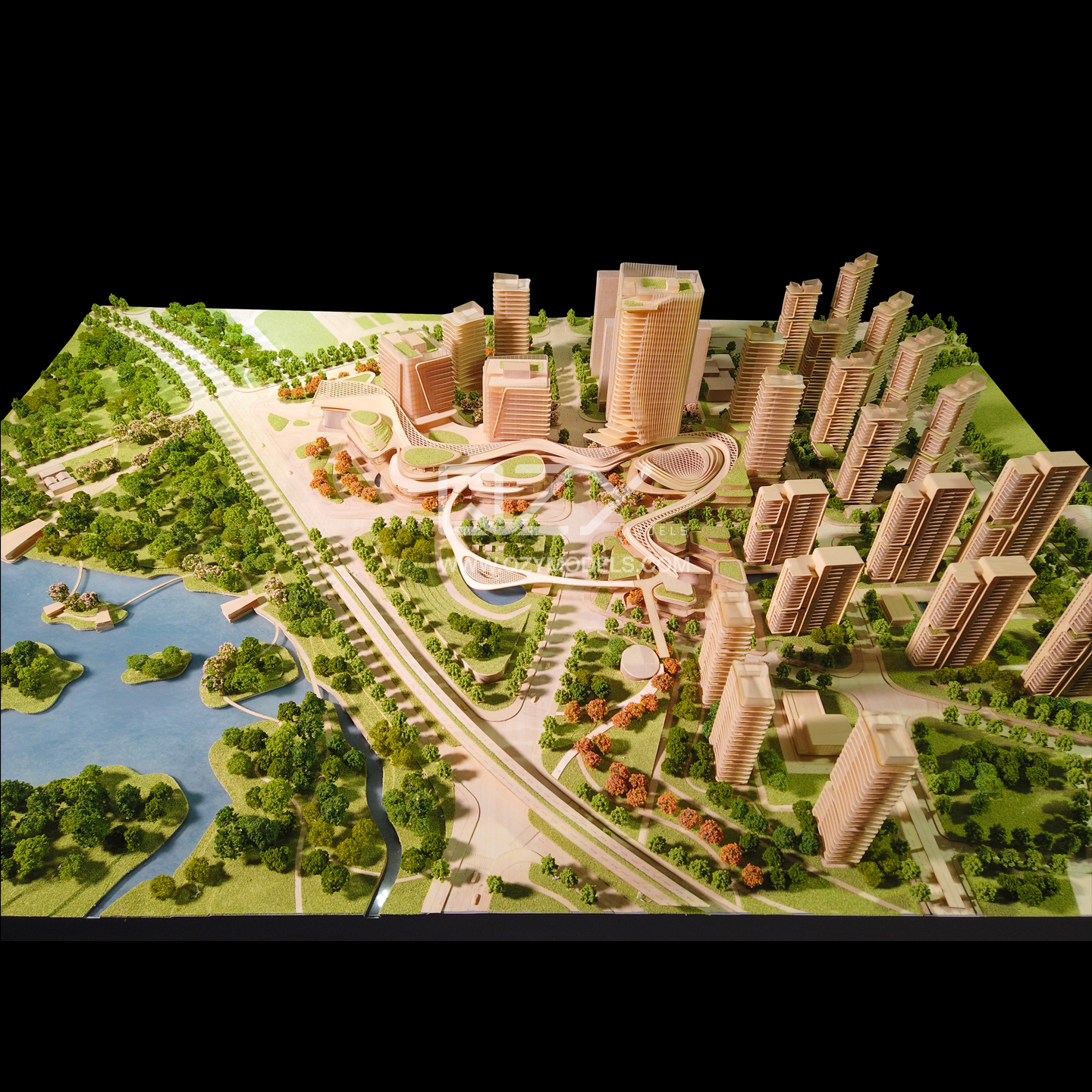
Industrial prototyping with 3D printing accelerates product development by enabling rapid, cost-effective creation of complex, accurate prototypes. It allows iterative design testing, reduces material waste, and supports customization, facilitating faster time-to-market and innovation across industries.
How Does 3D Printing Enhance Industrial Prototyping Processes?
3D printing improves industrial prototyping by dramatically shortening development cycles through rapid creation of physical models from digital designs. It allows swift iteration, enabling designers to test, modify, and optimize prototypes multiple times with minimal cost and delay. This agility fosters innovation, reduces errors, and streamlines communication among teams, enhancing overall product quality.
Detailed printing processes like SLS, SLA, and FDM cater to various material and precision needs, supporting wide-ranging industrial applications from concept models to functional testing parts. Using 3D printing, manufacturers overcome traditional tooling delays and produce complex geometries impossible with conventional methods.
What Are the Key Benefits of Using 3D Printing for Industrial Prototyping?
3D printing offers multiple benefits such as rapid iteration, cost savings, and design flexibility. It enables production of complex shapes without additional tooling, reducing time and costs associated with traditional prototyping. Prototypes can be customized on-demand, enhancing fit, form, and function validation early in the development cycle.
Additionally, 3D printing minimizes waste by using additive manufacturing principles and supports sustainable practices. Faster turnaround times improve competitiveness by accelerating time-to-market, important in dynamic industries like automotive, aerospace, and medical devices.
| Benefit | Description | Impact |
|---|---|---|
| Rapid Iteration | Quickly produce and test multiple design versions | Speeds development and innovation |
| Cost-Effectiveness | Lowers prototype costs by eliminating tooling and waste | Makes prototyping accessible |
| Design Freedom | Enables complex, customized geometries | Expands product possibilities |
| Sustainability | Reduces material waste with additive process | Enhances environmental impact |
Which Industries Benefit Most from Industrial 3D Printing Prototyping?
Industries such as automotive, aerospace, healthcare, consumer electronics, and industrial equipment gain significant advantages from 3D printed prototyping. Automotive uses it for component testing; aerospace benefits from lightweight and complex parts; healthcare leverages customized medical devices; consumer electronics achieve rapid design validation; industrial equipment manufacturers test functional parts and tooling.
Each sector values the ability to reduce costs, accelerate time-to-market, and improve product performance by integrating 3D printing early in their development workflows.
Why Is Design Flexibility Crucial in 3D Printed Industrial Prototyping?
Design flexibility is crucial because it enables manufacturers to explore innovative shapes, internal structures, and multi-material prototypes without the constraints of traditional manufacturing. 3D printing allows iterative adjustments to models, enhancing product performance and aesthetics based on functional testing outcomes.
This freedom leads to optimization of weight, strength, and material use, enabling parts with internal lattices or hollow structures that were not feasible before, advancing product engineering to new levels.
Who Should Use Industrial Prototyping with 3D Printing Services?
Product designers, engineers, R&D teams, and manufacturers across diverse sectors should adopt 3D printing prototyping services. Companies aiming to reduce development costs, accelerate innovation, validate complex designs early, or customize products for specific markets will find this technology beneficial.
Specialized providers like QZY Models offer expert services combining industrial prototyping and precision modeling, supporting development from concept through functional testing and refinement.
When Is It Ideal to Integrate 3D Printing into the Prototyping Workflow?
Integrating 3D printing is ideal at the conceptual design phase to quickly create physical concepts, during iterative development for testing and refinement, and before final production to validate fit and function. Early adoption helps identify design flaws sooner, saving time and cost.
Additionally, it is valuable for pilot production or small batch runs when traditional tooling is cost-prohibitive or timelines are tight.
Where Does Industrial 3D Printing Prototyping Fit in Product Development?
Industrial 3D printing prototyping fits throughout the product lifecycle—from ideation and concept validation to detailed design testing and pre-production sampling. It supports early-stage visualization, functional evaluation, ergonomics testing, and market feedback collection.
By seamlessly integrating with CAD and digital manufacturing, 3D printing facilitates smoother transitions from design to production, improving communication and reducing risks associated with late changes.
Does 3D Printing Improve Sustainability in Industrial Prototyping?
Yes, 3D printing enhances sustainability by reducing material waste through additive manufacturing, using only the precise amount of material needed. It also shortens supply chains via on-demand production, minimizing excess inventory and transportation emissions.
Moreover, innovative recyclable and bio-based printing materials further reduce environmental impact, aligning prototyping activities with corporate sustainability goals.
Has QZY Models Incorporated 3D Printing in Their Industrial Prototyping Services?
QZY Models leverages over 20 years of expertise in architectural and industrial modeling, integrating advanced 3D printing techniques into their prototyping services. Their global team employs cutting-edge additive manufacturing technologies to deliver precise, customizable prototypes swiftly.
QZY Models’ commitment to innovation, quality, and client collaboration makes them a trusted partner for complex industrial prototyping projects worldwide, supporting rapid iteration and functional testing with superior results.
Can Industrial Prototyping with 3D Printing Accelerate Time-to-Market?
Absolutely, 3D printing drastically reduces prototyping lead times by enabling fast, iterative model production without the delays of tooling and traditional manufacturing setups. This speed facilitates early problem detection and design optimization, leading to quicker approvals and production launches.
Industries reliant on fast innovation cycles gain competitive advantages by using 3D printing to adapt rapidly to market demands and technology changes.
QZY Models Expert Views
“Industrial prototyping with 3D printing is a transformative tool in today’s product development landscape. At QZY Models, we have seen firsthand how this technology empowers designers to innovate freely, test rigorously, and bring products to market faster. Our integrated approach combines craftsmanship with digital expertise, ensuring prototypes meet exact specifications and accelerate decision-making for our clients globally.” — Richie Ren, Founder of QZY Models
Conclusion
Industrial prototyping with 3D printing revolutionizes product development by enabling rapid, cost-efficient, and flexible creation of complex prototypes. It supports innovation through fast iteration, reduces waste, and improves design accuracy across multiple industries. Leveraging expert services like QZY Models amplifies these benefits, ensuring high-quality models that drive faster time-to-market and competitive advantage.
To maximize success, integrate 3D printing early in workflows, select appropriate materials and technologies, and partner with specialists that understand both prototyping and industrial needs.
FAQs
Q1: What types of 3D printing are best for industrial prototyping?
SLS, SLA, and FDM are popular methods, each offering unique benefits in accuracy, material options, and cost, suitable for different prototyping needs.
Q2: How does 3D printing reduce prototyping costs?
By eliminating tooling, decreasing material waste, and allowing rapid iteration, 3D printing cuts costs especially for low-volume or complex prototypes.
Q3: Can 3D printed prototypes be used for functional testing?
Yes, many 3D printing materials and techniques produce prototypes strong enough for mechanical testing and validation.
Q4: How quickly can a 3D printed prototype be produced?
Depending on complexity and size, prototypes can be printed within hours to days, significantly faster than traditional methods.
Q5: Why choose QZY Models for industrial prototyping?
QZY Models offers decades of expertise, precision modeling, advanced 3D printing technologies, and global service, ensuring reliable and high-quality prototypes tailored to client specifications.