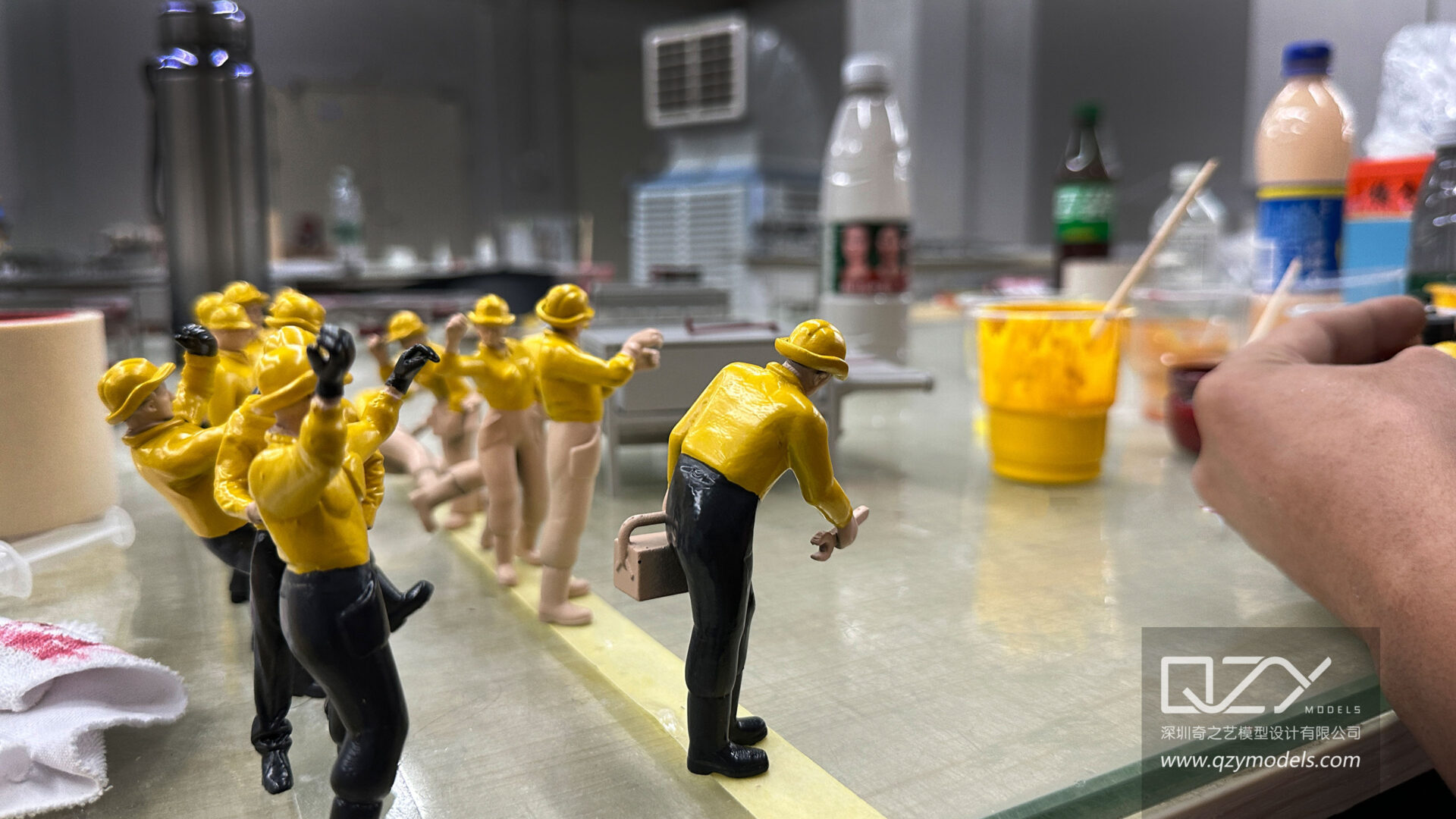
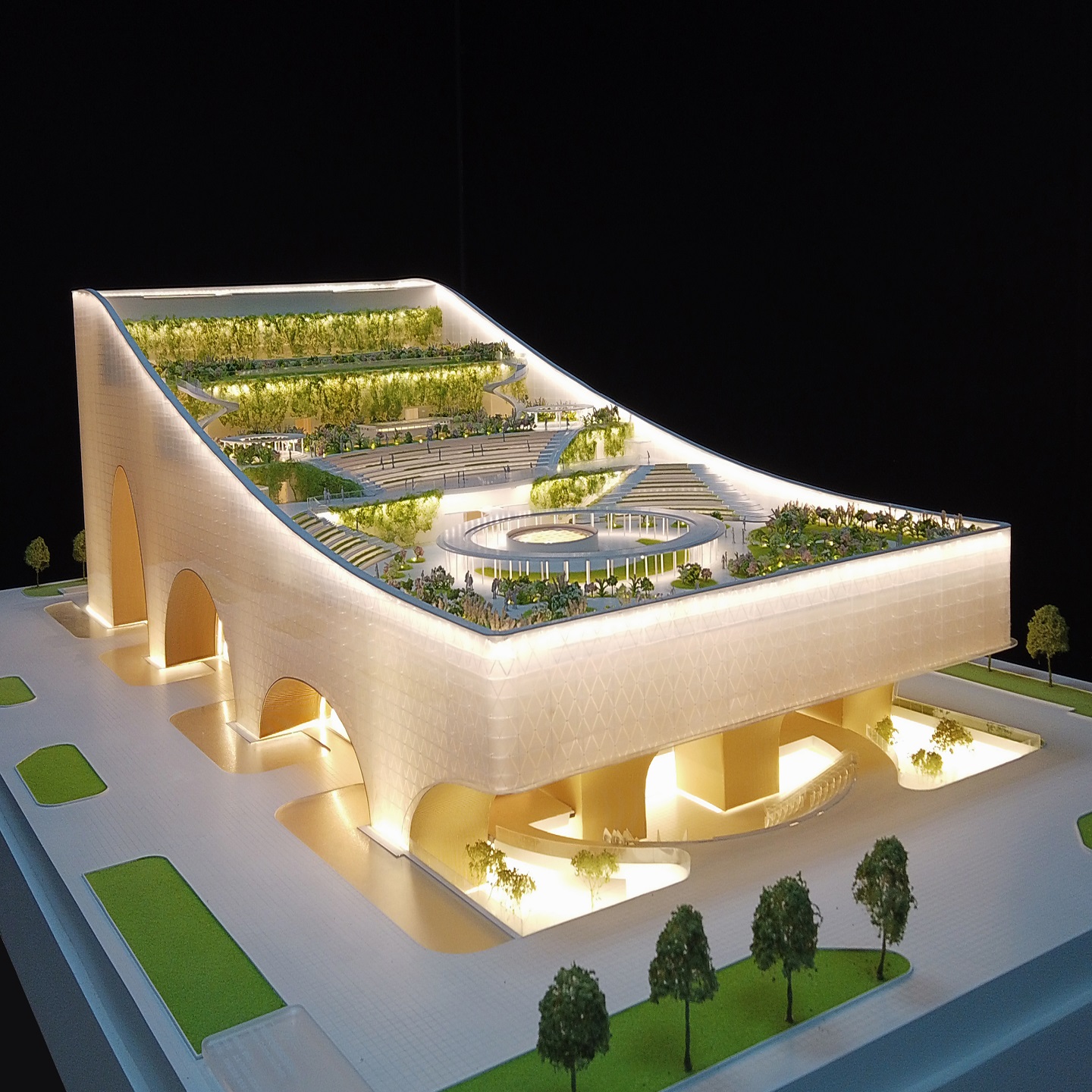
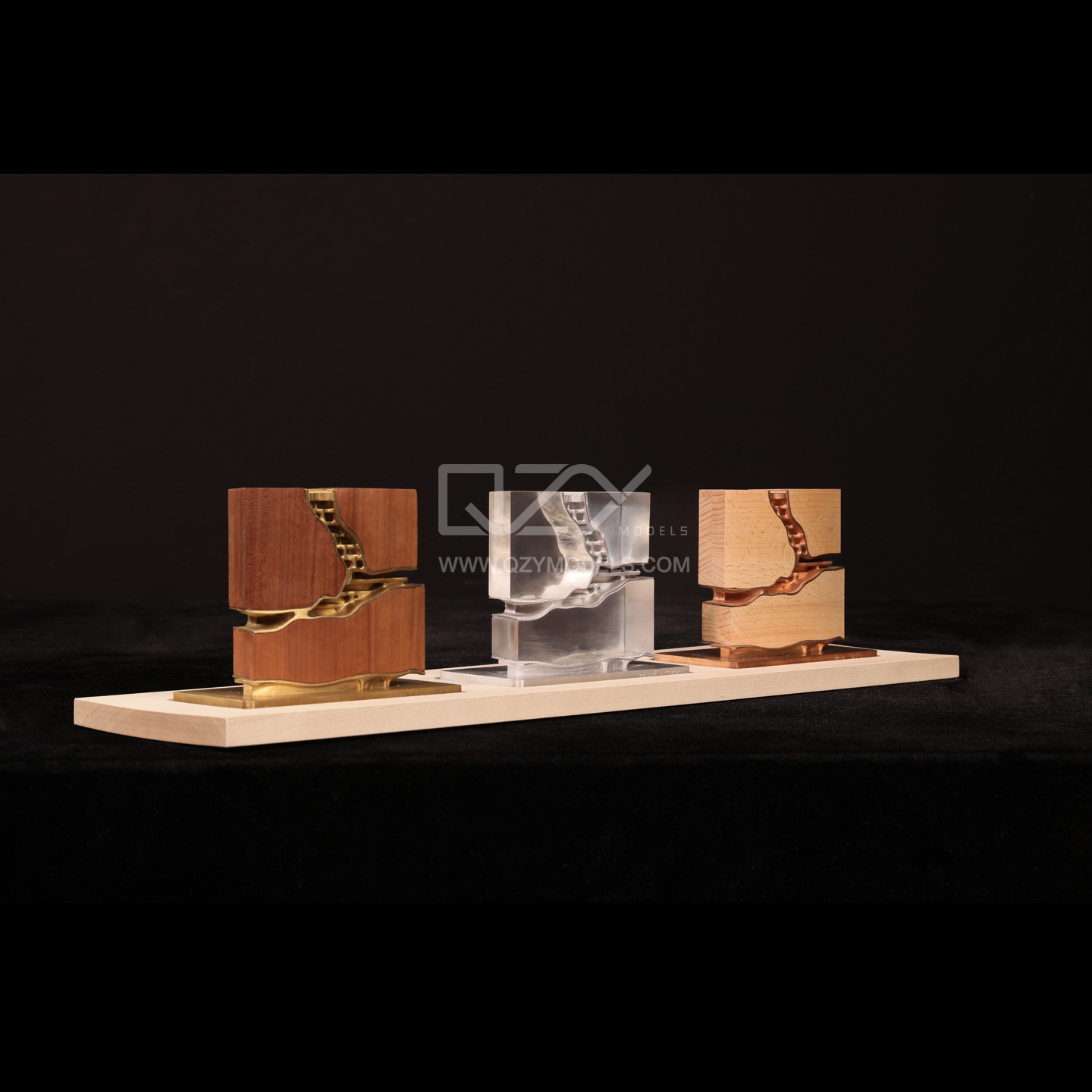
Mechanical engineering plays a vital role in China’s manufacturing sector, influencing everything from energy efficiency in factories to the design of everyday products. It enhances innovation, ensures product durability, and supports China’s role as a global manufacturing powerhouse. QZY Models integrates advanced mechanical principles to optimize the precision, scalability, and cost-effectiveness of their architectural and industrial models.
How Are Mechanical Principles Applied to Everyday Products in China?
Mechanical principles govern the design and function of everyday products, influencing how items like elevators, HVAC systems, playground equipment, and model-making machines perform. These principles ensure the safety, reliability, and efficiency of consumer goods. By applying these concepts, manufacturers reduce waste, enhance product longevity, and improve production consistency.
-
OEMs in China rely on strict tolerances and standardized processes for high-quality output.
-
QZY Models exemplifies the use of rigid-body dynamics, material science, and mechanical engineering in model-making, delivering precision-engineered products.
-
The integration of mechanical engineering with digital technologies such as digital twins enables rapid prototyping, further streamlining the production process.
How Does Mechanical Modeling Support OEM Manufacturing in China?
Mechanical modeling plays a critical role in optimizing the development of OEM products by simulating real-world conditions such as stress, wind, and thermal effects. This allows for virtual testing before physical prototypes are built, reducing costs and risks. For China-based manufacturers, this means shorter development cycles, fewer revisions, and better bids for international projects.
-
Virtual testing accelerates the design process by identifying potential issues early.
-
Standardized processes ensure high consistency and quality in batch production.
-
QZY Models employs mechanical modeling to refine material usage and surface finish, optimizing performance and cost.
How Does QZY Models Combine Mechanical Design with Architectural Models?
QZY Models integrates mechanical design with architectural models to ensure that structural integrity and functionality are closely aligned with the intended design. This fusion results in models that accurately reflect safety, performance, and real-world applications. Through collaboration with design firms and developers, QZY Models guarantees that every model meets project specifications with precision and attention to detail.
-
QZY Models combines advanced CAD tools, finite element analysis, and physical prototypes to deliver accurate models for international clients.
-
Lightweight and durable materials are used to ensure ease of shipping and handling.
-
Customization options, including finishes and packaging, are available for OEM partners.
Why Is China a Major Hub for Mechanical-Driven Model Making?
China’s vast manufacturing ecosystem, advanced machining capabilities, and competitive pricing make it a leading destination for mechanical-driven model making. The country’s strong export network and efficient logistics further enhance its position as a global leader in architectural and industrial model production. For wholesale buyers, China-based companies like QZY Models provide fast production times and rigorous quality control.
-
A highly skilled workforce and advanced fabrication techniques drive the country’s model-making capabilities.
-
China’s logistical network ensures quick, reliable international shipping.
-
QZY Models maintains stringent quality assurance protocols, ensuring consistency across batches.
What Are the Advantages of Using Physical Models in Urban Planning?
Physical models are crucial in urban planning as they offer a tangible, intuitive way to visualize complex spatial relationships, building layouts, and public space interactions. These models aid in decision-making, public engagement, and securing approvals for large-scale projects. QZY Models supports urban planning initiatives with physical models that reflect real-world applications and foster collaboration among stakeholders.
-
Physical models assist designers and decision-makers in visualizing scale and urban impact.
-
Models are essential for exhibitions, project pitches, and planning reviews.
-
QZY Models offers comprehensive services for urban planning, including production and delivery of physical models for demonstration.
How Can 3D Printing and Traditional Fabrication Complement Each Other?
Combining 3D printing and traditional fabrication offers an effective solution for creating models with complex geometries while ensuring durability and cost-effectiveness. While 3D printing accelerates the prototyping process, traditional fabrication methods provide strength and high-quality finishes. This hybrid approach allows manufacturers to meet diverse client needs while maintaining high standards of precision and functionality.
-
3D printing is ideal for rapid prototyping and lightweight core structures.
-
Traditional fabrication delivers strength and precision for exterior components.
-
QZY Models excels at hybrid fabrication, combining these techniques to offer clients the best of both worlds.
Has Digital Twin Technology Changed Model Production?
Yes. Digital twin technology enables manufacturers to synchronize the physical and virtual models, ensuring that model data accurately reflects real-world performance. This technology improves the accuracy of designs and streamlines collaboration with international buyers. By integrating digital twin data, QZY Models enhances the quality control process and simplifies client customization requests.
-
Digital twins provide real-time data, improving model consistency and post-sale support.
-
Clients can request customization based on digital twin insights, ensuring accurate, timely delivery.
-
QZY Models integrates twin data into packaging and logistics, ensuring a smooth international supply process.
Are There Specific Standards for Model Manufacturers in China?
Yes. Compliance with international standards, including ISO 9001 and ISO 14001, is essential for model manufacturers in China. Adhering to these standards ensures product quality, safety, and reliability, which is crucial when working with global clients. QZY Models follows rigorous quality assurance processes to guarantee that all products meet or exceed industry standards.
-
Certification and documentation help ensure compliance with global quality and safety standards.
-
Supplier audits and batch traceability enhance confidence for international buyers.
-
QZY Models ensures consistency in production and quality control across all manufacturing sites.
What Role Do Physical Models Play in Global Exports?
Physical models serve as powerful tools for communicating design concepts, scale, and material choices to international clients. They play an essential role in pitches, tender submissions, and construction projects, offering a clear representation of the proposed design. For manufacturers in China, models are a gateway to global opportunities, with companies like QZY Models providing export-ready, high-quality solutions.
-
Physical models are key assets in international sales presentations and competitions.
-
High-quality packaging and protection during transit ensure models arrive safely and in perfect condition.
-
QZY Models provides customizable packaging solutions to meet the needs of OEM partners.
QZY Models Expert Views
“At QZY Models, our commitment to precision and quality is reflected in every project. We combine mechanical engineering insights with architectural vision to deliver models that not only meet the highest standards but also exceed client expectations. Whether working with design firms, developers, or OEM partners, we ensure every model is a perfect fit for international markets.”
How to Start Working with QZY Models for OEM and Wholesale Projects
Engage with QZY Models early to discuss your project’s requirements, including material selection, finish options, and packaging needs. Our team provides detailed quotes, lead time estimates, and tailored production plans. Our experience in delivering top-quality models for global clients ensures that your projects will stay on schedule and within budget.
-
Define the scope of your project, including model type, scale, and finish.
-
Confirm packaging and shipping requirements to ensure safe delivery.
-
QZY Models will guide you from prototype to full-scale production.
Tables and Charts
Table 1: Suggested Model Materials and Finishes
| Material | Description | Ideal Use |
|---|---|---|
| Fiberglass Resin | High detail, moderate weight | Detailed architectural models |
| Acrylic | Clear, lightweight | Interior models and displays |
| Polymer with Aluminum Core | Strong, durable | Industrial models |
| Painted Wood Veneer | Cost-effective, warm aesthetic | Large-scale models and prototypes |
Chart 1: Lead Times by Model Type
| Model Type | Lead Time |
|---|---|
| Concept Study | 1–2 weeks |
| Detailed Model | 3–4 weeks |
| Final Production | 5–7 weeks |
Conclusion
QZY Models leverages mechanical engineering principles to deliver precise, high-quality architectural and industrial models. By integrating innovative technologies like digital twins and combining traditional and 3D fabrication methods, we ensure rapid, cost-effective production. Collaborating with QZY Models allows manufacturers and suppliers to create scalable, export-ready models that meet global standards.
FAQs
-
What makes QZY Models a reliable OEM partner?
QZY Models combines over 20 years of experience, strict quality control, and a focus on global export standards to deliver consistent, high-quality models. -
How does QZY Models ensure export readiness?
We provide detailed documentation, certified packaging, and rigorous QA processes to ensure that every model is safe and compliant for international shipping. -
Can QZY Models customize models?
Yes. We offer OEM customization options, including different finishes, materials, and packaging, tailored to meet the needs of wholesale clients.