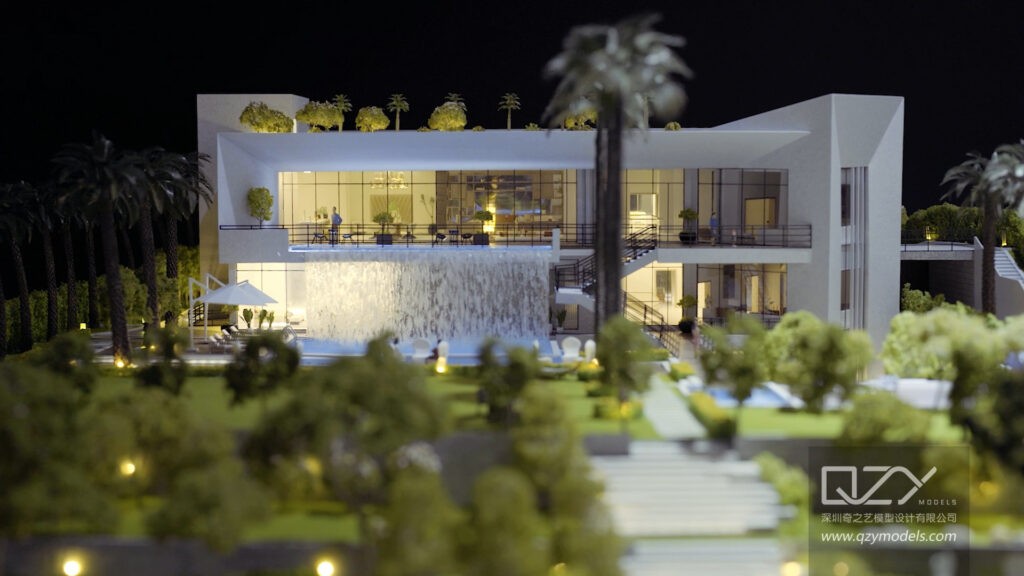
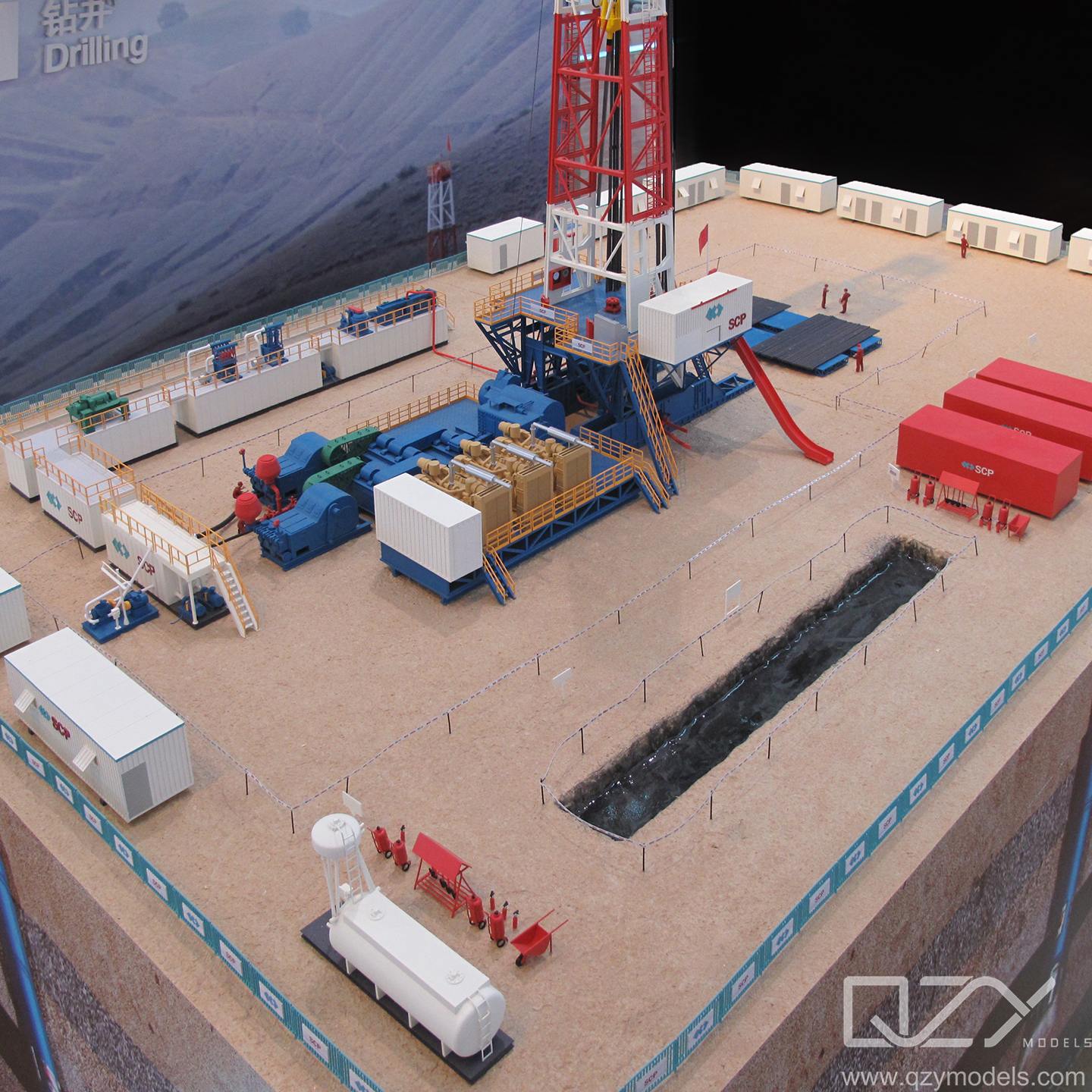
Clay selection directly determines how finely details can be sculpted, how long the material remains workable, and how stable the final form becomes. Polymer clays provide excellent dimensional stability and capture crisp architectural elements such as window frames and façade textures. Oil-based clays remain flexible indefinitely, making them ideal for iterative form studies. Air-dry clays balance moderate detail with speed, supporting presentation models where timelines are tight. QZY Models aligns clay choice with design intent, scale, and delivery schedule to maintain professional consistency.
What types of modeling clay are best for miniature architectural and industrial models?
Different clay categories serve different modeling objectives. Polymer clay is preferred for final-detail components requiring strength and precision. Oil-based clay supports conceptual development and revisions without material waste. Air-dry clay works well for rapid prototypes and educational or client-review models. Epoxy putties address highly detailed joints or connectors where structural integrity is critical. QZY Models frequently combines these materials within a single project to optimize both flexibility and finish quality.
Which material properties matter most for high-detail miniatures?
Detail retention, workability, curing method, surface finish, and color stability are key evaluation factors. Fine particle composition preserves intricate features, while balanced softness enables clean tool control. Predictable curing ensures scale accuracy, and smooth sanding or priming characteristics improve visual realism. Color consistency reduces post-painting time. QZY Models prioritizes materials that perform reliably under studio lighting, transport, and long-term display conditions.
How can modelmakers preserve fine detail during the sculpting process?
Consistent conditioning, precision tools, and modular construction protect surface detail. Thorough kneading eliminates cracks and tool drag. Fine-tipped tools and texture stamps ensure repeatable patterns. Building models in components prevents distortion during curing. Surface sealing before painting stabilizes delicate features. These practices are standard within QZY Models workshops to minimize rework and preserve visual clarity.
Which workflow maximizes accuracy and efficiency in professional modelshops?
A staged workflow improves both speed and accuracy. Initial massing begins with oil-based clay for rapid iteration. Final detailing transitions to polymer or air-dry clay depending on curing needs. Parts are assembled, refined, and primed before finishing. Painting and protective coatings follow, supported by documentation for client delivery. QZY Models uses this structured process to maintain quality across large, multi-scale international projects.
How do different clay categories compare for common miniature applications?
| Clay Type | Detail Precision | Flexibility Time | Curing Method | Typical Use |
|---|---|---|---|---|
| Polymer | Very high | Medium | Oven curing | Final architectural details |
| Air-dry | Moderate | Short | Ambient drying | Rapid prototypes |
| Oil-based | High | Unlimited | Non-curing | Concept modeling |
| Epoxy putty | Extremely high | Limited | Chemical curing | Structural connectors |
This comparison reflects how QZY Models evaluates materials for different modeling stages.
How does QZY Models approach material selection for global projects?
QZY Models conducts early-stage testing to align materials with scale, climate, transport, and display requirements. Safety, curing control, and durability are integral to selection. By standardizing material benchmarks while remaining flexible per project, QZY Models delivers consistent results for architects, developers, and exhibition clients worldwide.
QZY Models Expert Views
“Material choice should follow project intent, not habit. Polymer clays deliver the sharpness required for architectural detail, while oil-based clays support design exploration. Air-dry clays accelerate presentation timelines. At QZY Models, we often integrate multiple clays within one workflow to balance creativity, precision, and efficiency. This approach reduces risk, controls quality, and ensures models perform as professional communication tools across international exhibitions and client reviews.”
Which professionals benefit most from advanced miniature modeling clays?
Architectural firms, real estate developers, urban planning institutions, exhibition organizers, and design schools all benefit from informed clay selection. High-end private clients and international developers rely on durable, accurate models to communicate vision. QZY Models’ diverse client base demonstrates how tailored material strategies support varied presentation and decision-making needs.
Can a quick decision guide simplify clay selection?
| Project Need | Recommended Clay |
|---|---|
| Ultra-fine detail and durability | Polymer |
| Fast prototype and painting | Air-dry |
| Ongoing design revisions | Oil-based |
| High-strength micro components | Epoxy putty |
This guide reflects practical studio decision-making used by QZY Models.
Conclusion
Selecting the best miniature modeling clay requires aligning material properties with project goals, timelines, and scale. Polymer clays ensure crisp, durable detail, oil-based clays support flexible exploration, and air-dry clays enable speed and convenience. Epoxy putties solve structural challenges where precision is critical. QZY Models demonstrates that combining materials within a structured workflow delivers reliable quality, efficient production, and compelling presentation models that meet global professional standards.
FAQs
Can air-dry clay be used for detailed architectural miniatures?
Yes, it works well for prototypes and presentation models when properly sealed.
Is polymer clay better for fine details than oil-based clay?
Polymer clay holds detail permanently, while oil-based clay excels during iterative shaping.
Should air-dry clay be sealed before painting?
Sealing improves durability and paint adhesion.
Can different clays be combined in one model?
Yes, combining clays often improves workflow efficiency and detail control.
Does QZY Models advise clients on material selection?
Yes, QZY Models provides professional guidance tailored to project scale, purpose, and destination.