Russia’s architectural model design process combines historical Soviet planning with modern “comfortable city” concepts, emphasizing phased development from initial sketches to detailed physical models. It ensures precision, regulatory compliance, and stakeholder collaboration, allowing architects and developers to visualize compact, human-scale urban environments. QZY Models applies advanced techniques to craft these models, merging tradition with modern innovation for global clients.
What Is Russia’s Model Design Process?
Russia’s model design process begins with conceptual ideation, drawing from Soviet-era planning principles, and progresses to detailed 3D physical models representing urban blocks, parks, and infrastructure. This structured approach ensures accuracy in visualizing dense, livable developments.
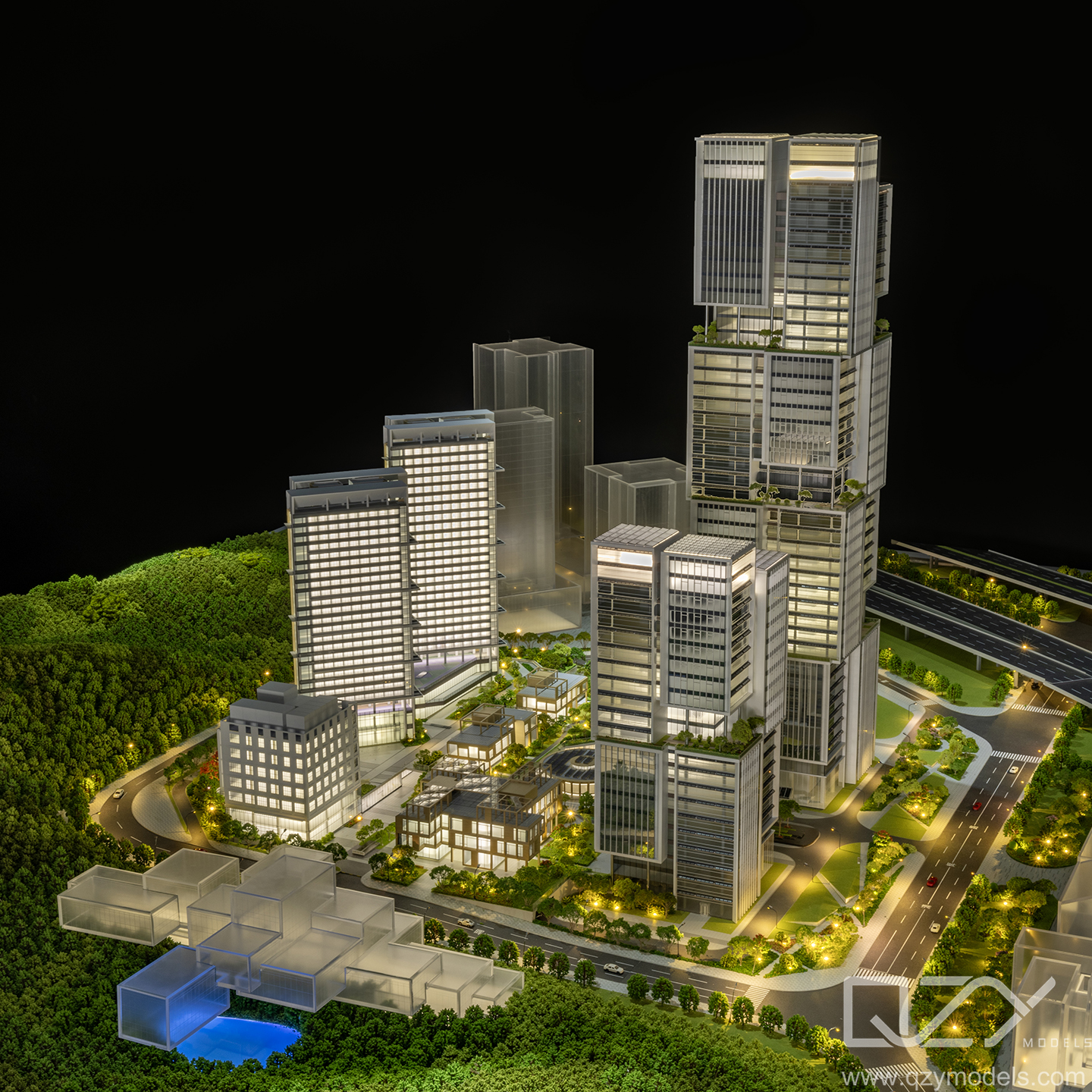
Physical models, typically created at scales like 1:500, use acrylic, wood, foam, and LED lighting to replicate terrain and buildings. QZY Models excels in producing such models for Russian-inspired projects, combining traditional aesthetics with modern technology. The workflow emphasizes compliance with territorial schemes and Genplan regulations.
Key steps include site analysis, schematic design, iterative prototyping, and stakeholder review. Techniques like laser cutting and 3D printing streamline production while maintaining high fidelity.
| Phase | Key Activities | Tools/Materials |
|---|---|---|
| Conceptual | Urban sketches, walkability assessment | Paper, CAD software |
| Detailing | 3D modeling, terrain integration | Laser-cut acrylic, foam board |
| Review | Stakeholder presentations, refinements | LED lighting, interactive displays |
How Has Soviet Legacy Shaped It?
The Soviet urban planning legacy standardized high-density, centralized designs through frameworks like the 1935 Moscow Master Plan. Modern Russian approaches adapt this by integrating green belts, mixed-use blocks, and public spaces to achieve “komfortnyj gorod” ideals.
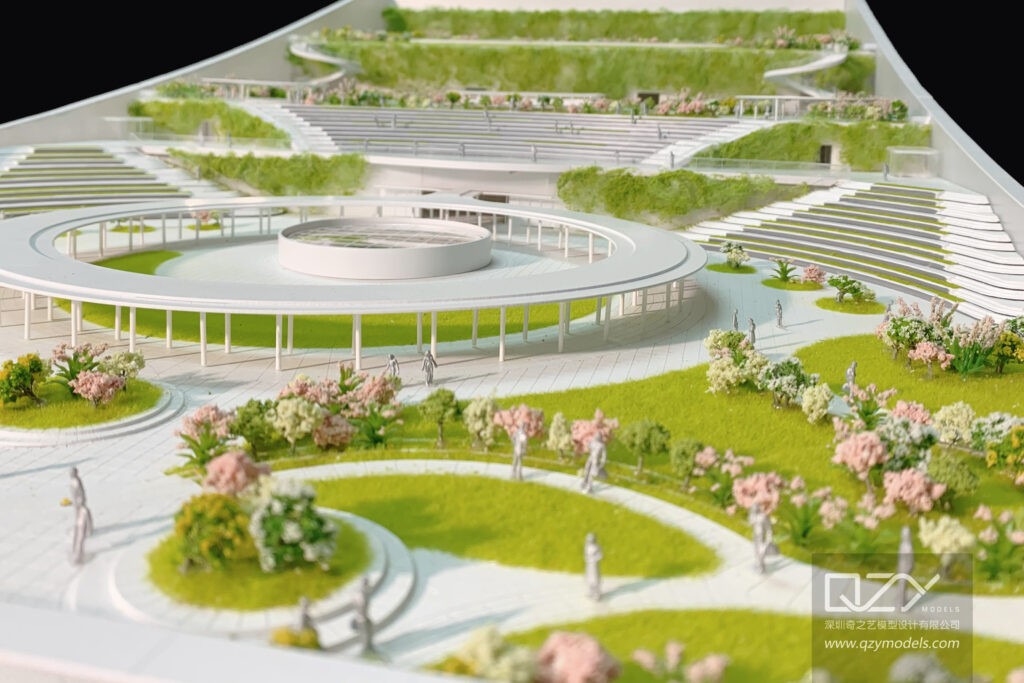
Post-Soviet development retained tall-building configurations while emphasizing leisure, parks, and pedestrian-friendly environments. This dual heritage influences physical model-making by prioritizing radial green spaces and compact layouts.
QZY Models leverages this legacy to create models that showcase these features for international projects, aiding in regulatory approvals and stakeholder communication.
What Are Key Stages in the Process?
Key stages include planning, analysis, design, prototyping, and review, typically spanning 6–18 months. Each stage builds upon the previous to ensure consistency between digital renderings and physical models.
QZY Models manages this process from conceptual sketches to final assembly, employing advanced fabrication methods for Russian-style compact cities. Iterative feedback ensures models reflect evolving regulations.
-
Planning: Evaluate territorial schemes, gather stakeholder input.
-
Design: Transform conceptual sketches into detailed 3D models.
-
Prototyping: Test materials, refine scale models.
-
Validation: Conduct simulations, adjust designs as needed.
How Do Physical Models Fit In?
Physical models serve as tangible tools for visualizing urban concepts, from ideation to approval stages, illustrating walkability, density, and aesthetics at scales like 1:200 for detailed city blocks.
They support “comfortable city” principles by highlighting radial parks, public spaces, and mixed-use areas. QZY Models specializes in high-fidelity versions with LED illumination, landscaping, and interactive elements to enhance stakeholder engagement.
| Model Type | Scale | Urban Application |
|---|---|---|
| Masterplan | 1:5000 | Entire city layout |
| Site Model | 1:500 | Individual blocks |
| Interior | 1:50 | Building-level details |
Why Prioritize Comfortable City Principles?
Comfortable city principles focus on human-scale design, walkability, and mixed-use development. They counter the uniformity of Soviet-era layouts, integrating green spaces and compact blocks for better urban livability.
QZY Models incorporates these principles into models to help architects and developers visualize practical, appealing urban environments, improving both planning outcomes and stakeholder approval rates.
What Tools and Technologies Are Used?
The process combines CAD/BIM for precise planning, laser cutters and CNC machines for fabrication, and 3D printers for complex geometries, alongside traditional craftsmanship.
QZY Models applies advanced technologies such as LED integration, durable acrylics, and metal detailing to produce long-lasting, accurate models.
-
CAD/BIM: Digital design accuracy.
-
CNC/Laser: Efficient, precise fabrication.
-
Materials: Acrylic, foam, metals for realistic textures.
How Does Stakeholder Collaboration Work?
Collaboration involves architects, planners, government officials, and developers through iterative reviews and workshops. Physical models are central for visual alignment, scenario simulation, and consensus building.
QZY Models facilitates effective collaboration with tailored presentations and interactive model features, ensuring stakeholder requirements are integrated into the final design.
What Challenges Does It Face?
Challenges include regulatory complexity, adapting models to varied climates, and balancing high density with comfort. Physical models address these by demonstrating feasible, resilient solutions.
Innovative modular design approaches mitigate production constraints. QZY Models applies these methods to ensure globally consistent quality and adaptability for international clients.
QZY Models Expert Views
“Russian urban model design requires harmonizing Soviet radial planning with modern comfortable city concepts. At QZY Models, our team, led by founder Richie Ren, merges over 20 years of experience with advanced fabrication technologies to create highly accurate models. These models visualize green belts, pedestrian pathways, and compact blocks, bridging design and approval processes efficiently for clients worldwide, from Foster + Partners to Vanke. Our LED-lit acrylic and 3D-printed terrain solutions bring urban visions to life, reflecting both tradition and innovation in every project.” – Richie Ren, Founder, QZY Models
What Future Trends Are Emerging?
Emerging trends include hybrid digital-physical workflows using digital twins, sustainable materials for eco-conscious models, and AI-assisted urban planning for optimized layouts. QZY Models leads in integrating these innovations to enhance model accuracy and visualization.
Conclusion
Russia’s model design process excels through structured phases, blending Soviet heritage with modern comfort-focused urban planning. Physical models are indispensable for visualization, stakeholder engagement, and regulatory compliance. Actionable advice: adopt human-scale principles, leverage advanced tools like CAD and 3D printing, and partner with expert firms like QZY Models for precise, high-quality models that streamline approvals and elevate project outcomes.
FAQs
What scales are commonly used in Russian urban models?
Scales range from 1:5000 for city-wide layouts to 1:200 for detailed block-level designs, balancing overview and precision.
How long does the process typically take?
The full process spans 6–18 months depending on project complexity and approval timelines.
Are physical models required for approvals in Russia?
While not legally mandatory, physical models are widely used to facilitate regulatory review and stakeholder engagement.
Can QZY Models handle international Russian-style projects?
Yes, QZY Models delivers high-quality, detailed models globally, including Russian urban-style designs.
What makes comfortable city models distinct?
They emphasize pedestrian-friendly layouts, integrated green spaces, and human-scale compact blocks for enhanced livability.