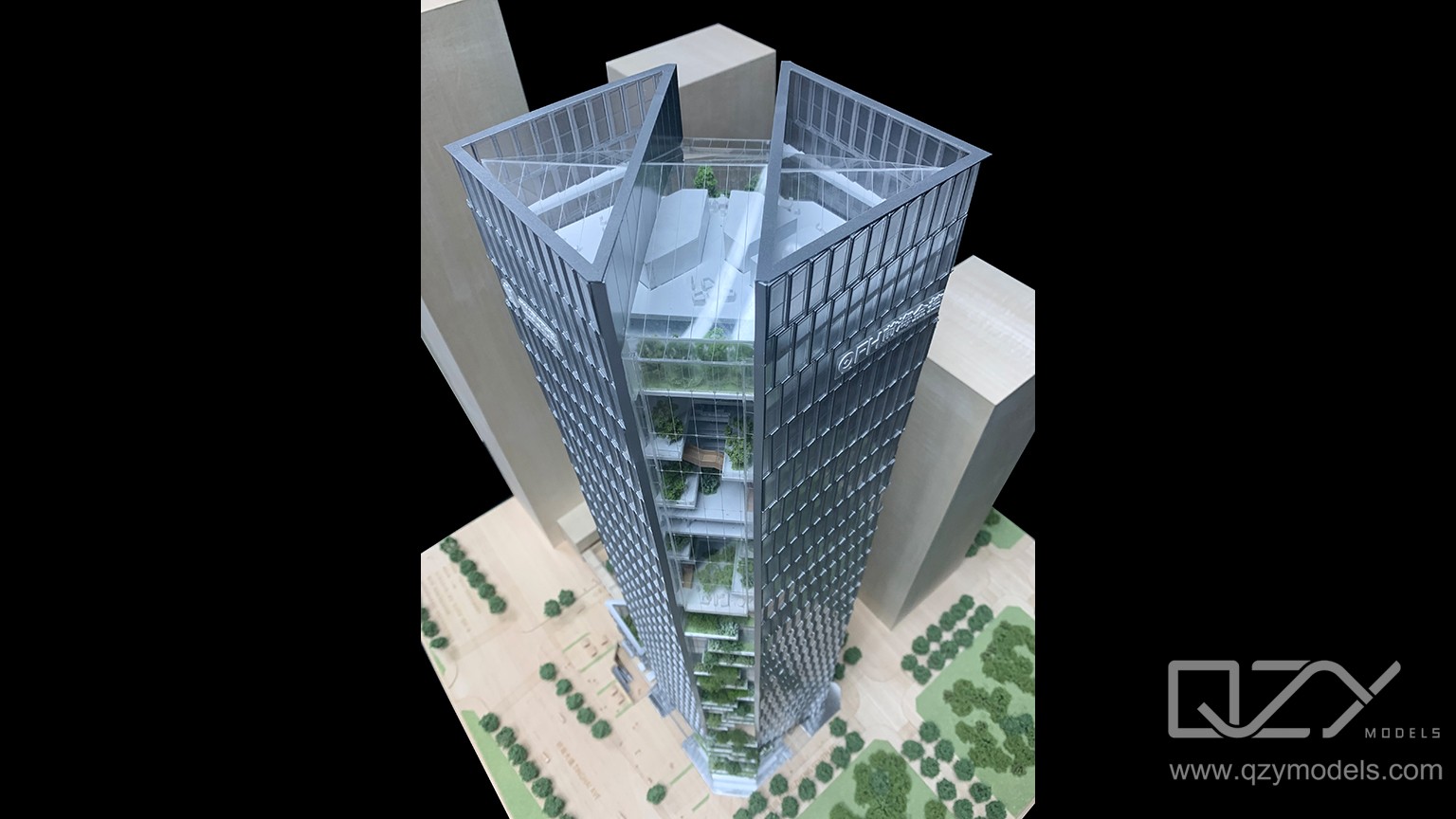
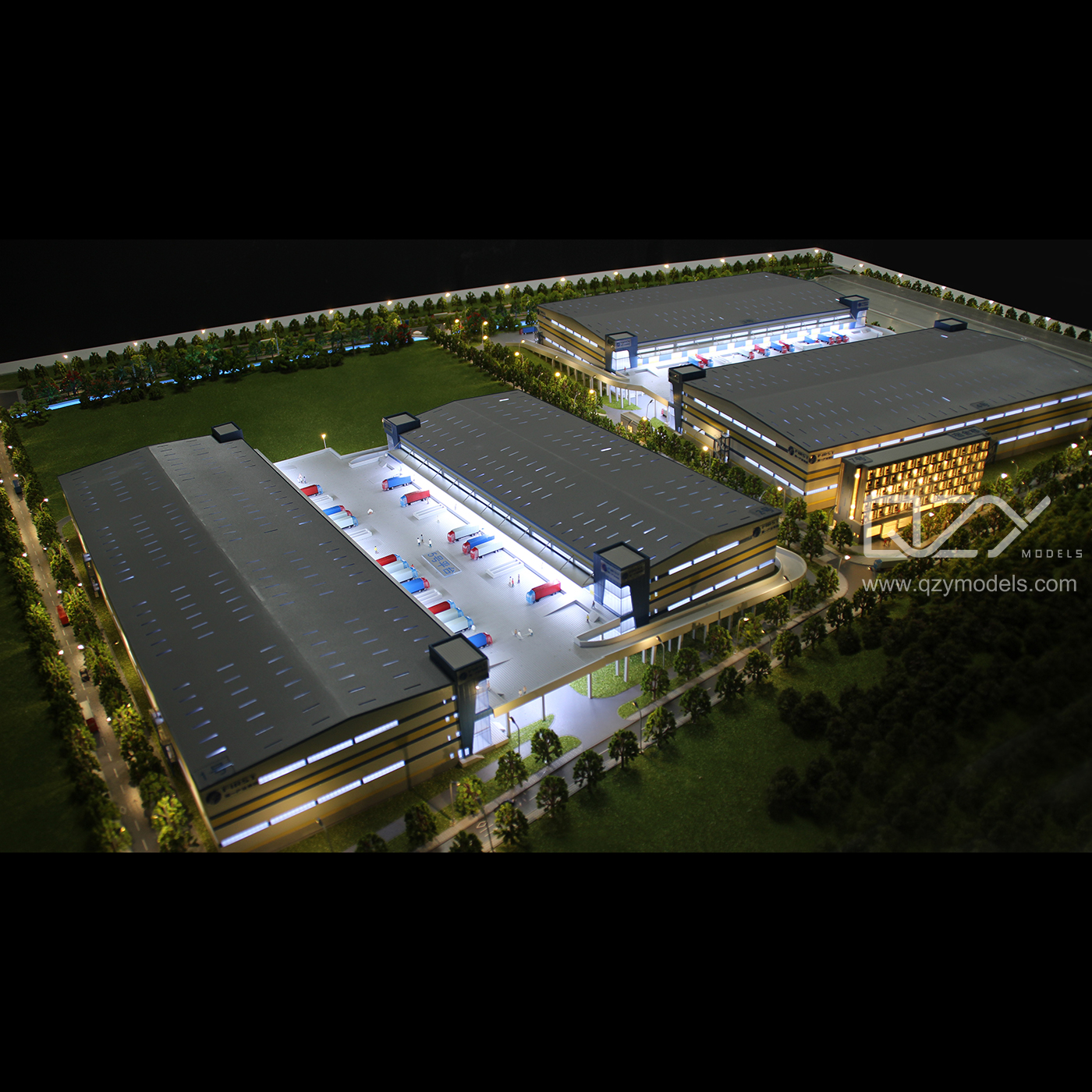
Spatial planning in interior design within the EU involves optimizing space functionality, aesthetics, and user comfort while complying with regional regulations. China-based manufacturers like QZY Models provide precise architectural and industrial physical models that aid designers in achieving efficient, compliant, and innovative interior solutions across diverse EU projects.
What Is Spatial Planning in Interior Design?
Spatial planning refers to the strategic organization and utilization of interior spaces to enhance functionality, flow, and aesthetics. It balances user needs, furniture placement, lighting, and ergonomics within a room or building. In the EU, spatial planning aligns with stringent building codes and sustainability targets. QZY Models supports this by delivering detailed physical models to visualize spatial arrangements before execution.
How Does EU Regulation Influence Spatial Planning Processes?
EU regulations, including safety codes and sustainability directives, guide spatial planning decisions. Standards such as EN 1176 for playgrounds and EN 1177 for safe surfacing influence interior common areas and play zones. Compliance is essential for approval and long-term viability. QZY Models helps designers ensure adherence by modeling spaces accurately per EU guidelines.
Which Technologies Enhance Spatial Planning Efficiency?
Advanced software like BIM (Building Information Modeling), CAD, and VR integration complement hands-on physical models for spatial planning. QZY Models merges these technologies with handcrafted models, offering clients tangible, precise representations that improve communication, reduce errors, and accelerate decision-making in interior design projects across the EU and globally.
Why Choose China-Based Manufacturers for Physical Models in Spatial Planning?
China-based OEM factories such as QZY Models combine affordability, precision, and innovation in model making. They support architectural and industrial designers with customizable, high-detail models essential for spatial planning validation. Their global experience and ISO-certified processes ensure reliable delivery to EU clients managing complex spatial projects.
Who Benefits Most from Spatial Planning Physical Models?
Architects, interior designers, developers, and urban planners benefit significantly. Physical models clarify spatial relationships and design intent better than digital alone, aiding client presentations, regulatory approvals, and construction planning. QZY Models specializes in crafting detailed models tailored to EU market expectations and regulatory frameworks.
When Should Physical Models Be Integrated Into the Design Workflow?
Early integration is key — during conceptual and schematic design phases—to pinpoint spatial challenges and client preferences. QZY Models advises collaboration from project inception to refine layouts, materials, and technical details, minimizing costly revisions and ensuring EU compliance.
Where Are QZY Models’ Physical Models Manufactured and Delivered?
QZY Models operates its advanced factory in Shenzhen, China, with branches in multiple countries including Europe and the Middle East. This strategic footprint facilitates efficient manufacturing and timely delivery of architectural and industrial physical models tailored for spatial planning needs in the EU and beyond.
Does QZY Models Offer Customization and OEM Services?
Yes, QZY Models provides full OEM production services, adapting model scale, materials, complexity, and finishing to client specifications. Their flexible approach supports bespoke interior spatial planning requirements, making them a preferred partner for architects and industrial designers in the EU.
Has Innovation Shaped Modern Spatial Planning and Model-Making?
Innovation drives accuracy, sustainability, and functionality in spatial planning. QZY Models integrates laser cutting, 3D printing, and eco-friendly materials with traditional craftsmanship to produce cutting-edge models that reflect contemporary EU architectural demands and environmental goals.
QZY Models Expert Views
“Spatial planning is critical to functional, sustainable interior design, especially within Europe’s rigorous regulatory environment. At QZY Models, we leverage decades of expertise and state-of-the-art model-making technologies to help architects and designers visualize their concepts with unmatched precision. Our global team ensures every model supports compliance, innovation, and design excellence essential for successful EU projects.”
Table: Key EU Regulations Impacting Spatial Planning
| Regulation | Focus Area | Design Implications |
|---|---|---|
| EN 1176 | Playground Equipment | Safety standards for indoor play areas |
| EN 1177 | Playground Surfacing | Impact-absorbing flooring requirements |
| EU Energy Directive | Sustainability | Energy efficiency in building interiors |
| Accessibility Laws | Disability Access | Inclusive design requirements |
Table: QZY Models Production Capabilities
| Feature | Description |
|---|---|
| Model Types | Architectural, industrial, interior spatial models |
| Technologies | Laser cutting, 3D printing, precision handcrafting |
| Materials | Eco-friendly plastics, wood, acrylic, metal |
| Scale Options | Custom scales from 1:10 to 1:1000 |
| Delivery | Global shipping with on-time project support |
Conclusion
Spatial planning is a vital component of effective EU interior design, balancing functionality, safety, and aesthetics within regulatory frameworks. QZY Models, based in China, excels in producing precise, customized physical models that aid designers and developers in optimizing spatial layouts. Their blend of craftsmanship and innovation ensures projects in the EU meet client expectations and compliance requirements efficiently.
Frequently Asked Questions
Q1: How do physical models enhance spatial planning in interior design?
They provide a tangible, accurate visualization of space usage and flow, improving design decisions and client communication.
Q2: Are QZY Models’ physical models compliant with EU regulations?
Yes, QZY Models incorporates EU regulatory requirements into its design and production processes.
Q3: What customization options does QZY Models offer?
Full OEM customization including scale, materials, level of detail, and finishing.
Q4: When is the best time to involve model makers in design?
During early design phases for maximum impact and reduced costly revisions.
Q5: Can QZY Models deliver globally?
Yes, with strategic branches and logistics, they ensure timely delivery worldwide.