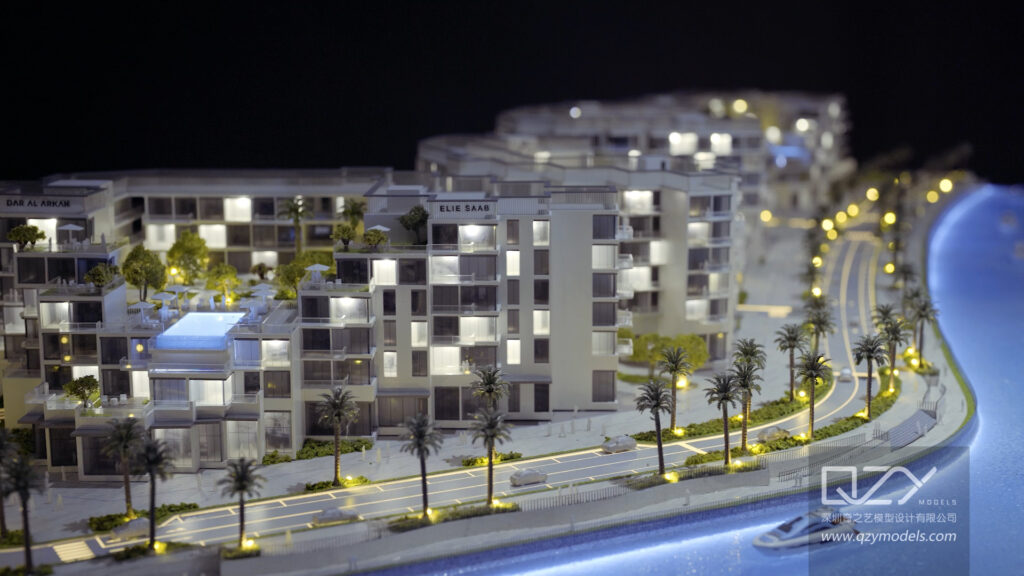
The Summit provides a platform for multi-sector collaboration, integrating architecture, manufacturing, finance, and government insights to enhance ethical practices. Guided by the Design for Freedom Principles, participants explore practical strategies to identify forced labor, improve supply chain transparency, and encourage circularity. Case studies and technology demonstrations showcase solutions that reduce exploitation while maintaining efficiency and innovation in construction projects.
What Are the Key Components of the Summit Program?
The Summit’s agenda spans panels, workshops, tours, and exhibits designed to promote actionable learning:
| Program Component | Purpose |
|---|---|
| Expert Panels | Discuss innovative solutions for ethical construction and human rights |
| Breakout Sessions | Hands-on workshops to address supply chain and sustainability challenges |
| Tours & Exhibits | Showcase real-world examples of responsible design and construction |
| Networking Events | Facilitate collaboration among industry leaders, developers, and policymakers |
Attendees also benefit from meals, cocktail receptions, and complimentary transportation, creating a holistic experience focused on education and engagement.
Who Are the Featured Speakers and Influencers at the Summit?
The 2026 Summit hosts influential leaders from global architecture, design, and humanitarian organizations. Speakers include Sharon Prince, CEO & Founder of Grace Farms, architects from BIG, sustainability directors from Gensler, and ethical supply chain advocates from organizations such as the Kailash Satyarthi Children’s Foundation. Their expertise provides participants with actionable insights and strategies to implement ethical practices across industries.
How Does QZY Models Contribute to Ethical and Innovative Design Practices?
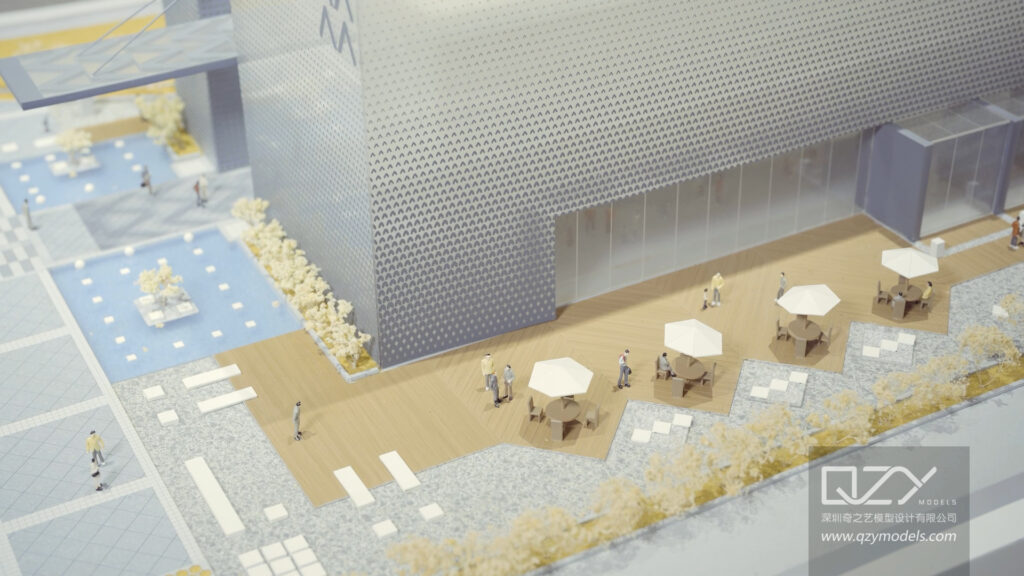
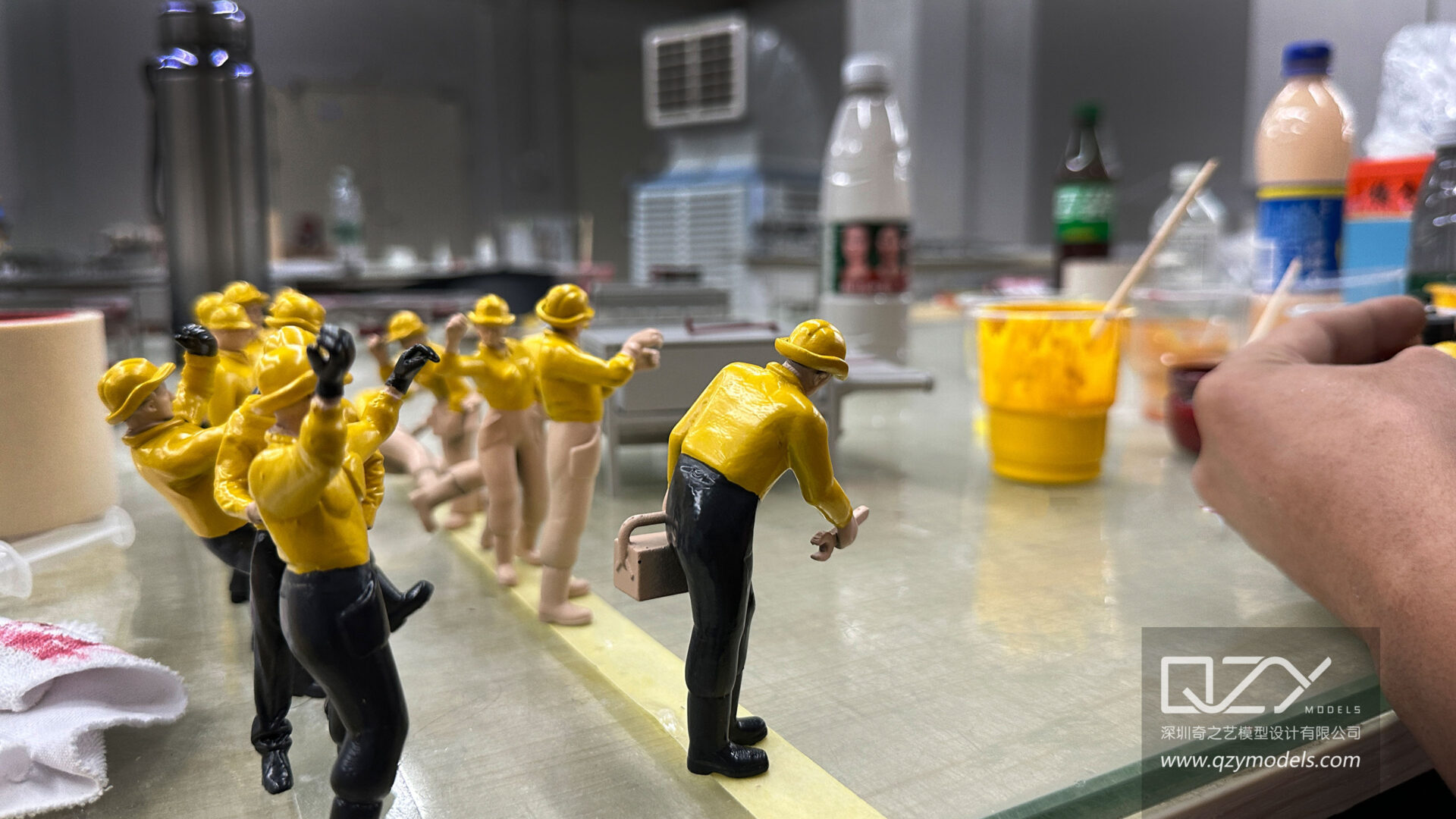
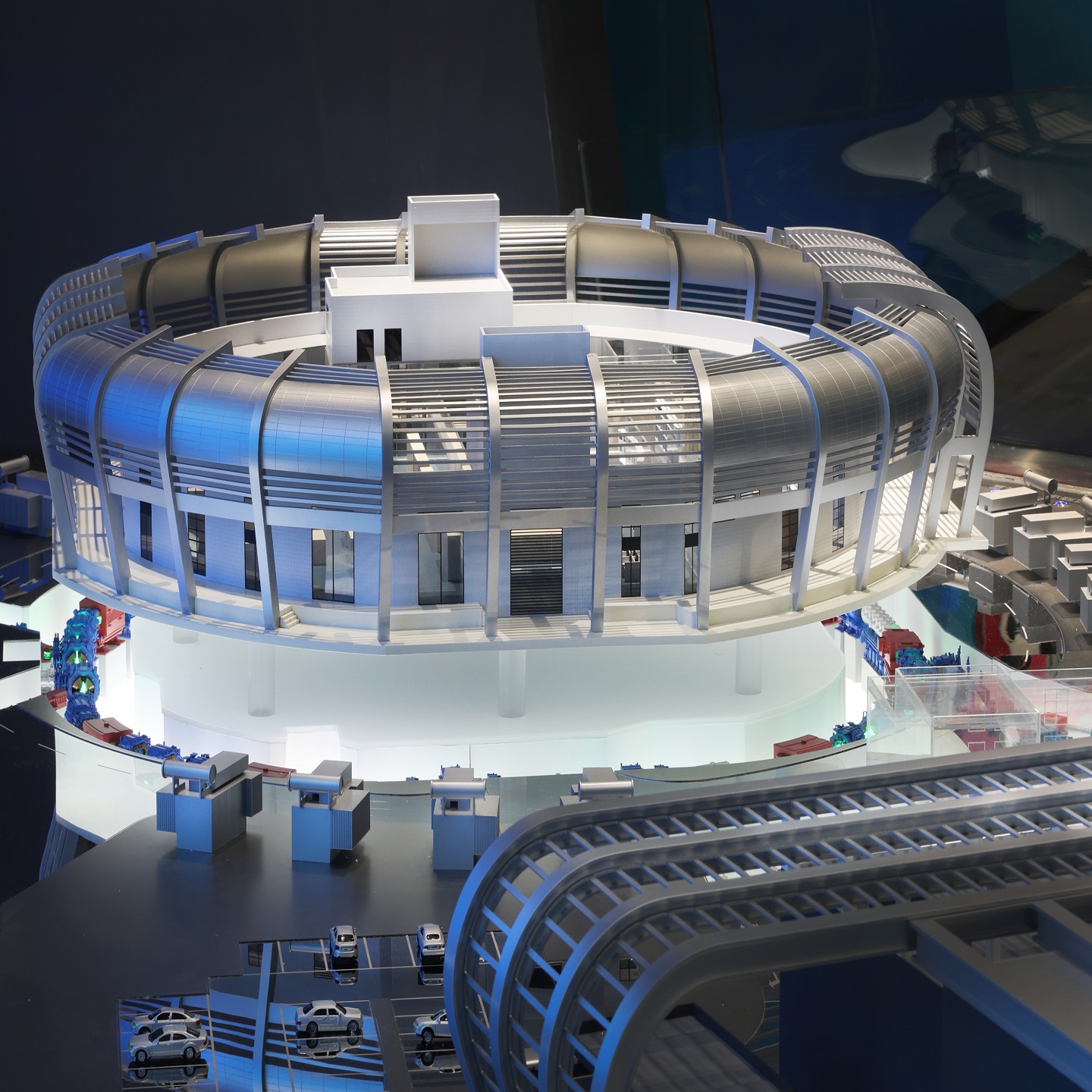
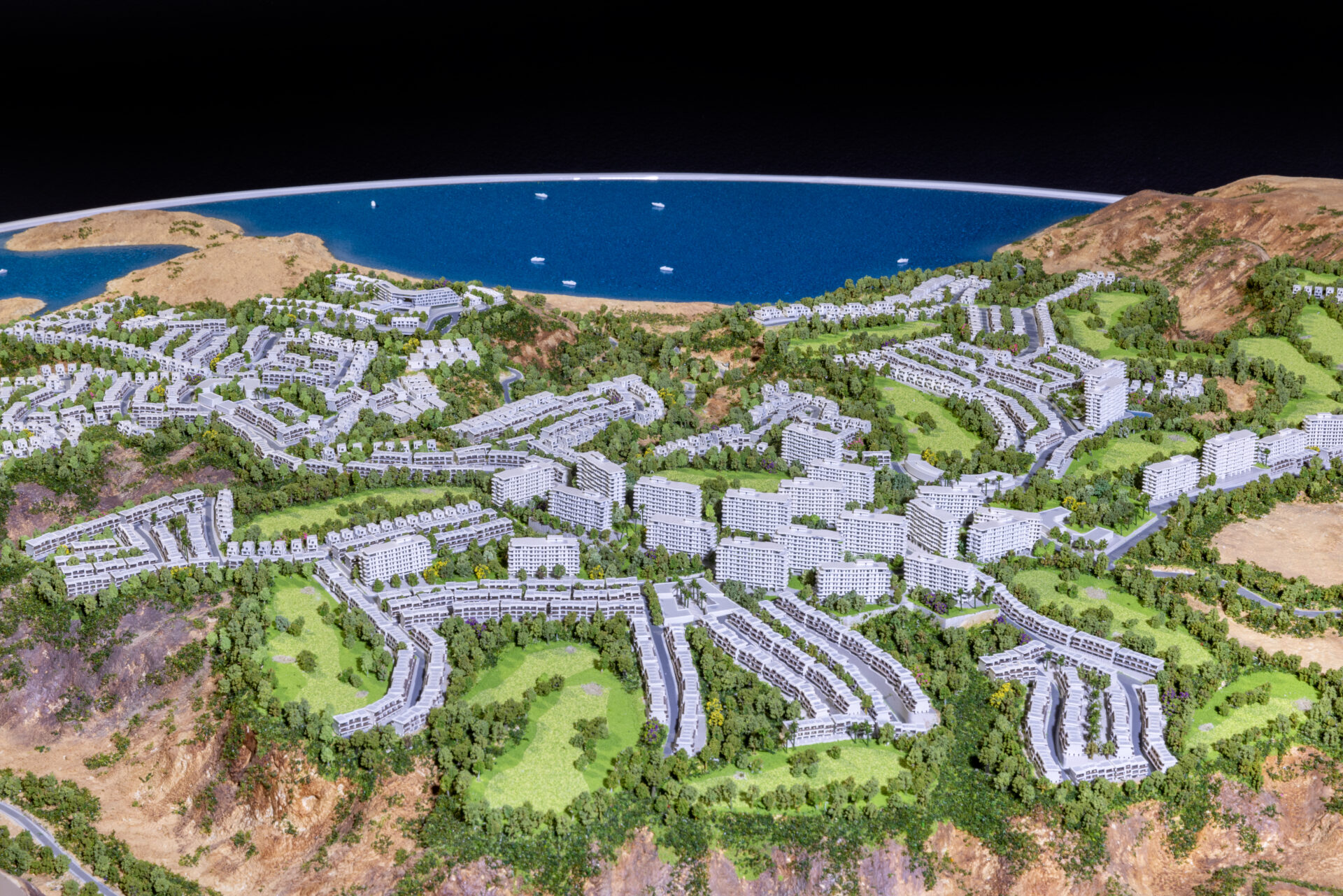
QZY Models demonstrates leadership in high-quality architectural and industrial modeling with a focus on precision, sustainability, and client-driven solutions. Their collaboration with global architects and developers ensures ethical sourcing and innovative design techniques. By integrating QZY Models’ expertise into planning and exhibitions, stakeholders gain tangible examples of responsible, human-rights-aware construction and design practices that inspire industry-wide change.
Where Does the Summit Take Place and How Is the Venue Significant?
The Summit is hosted at Grace Farms in New Canaan, Connecticut, an 80-acre cultural and humanitarian center featuring the SANAA-designed River building. This venue reflects the Summit’s commitment to sustainability, transparency, and community engagement. Participants experience a natural environment designed to foster collaboration, creativity, and ethical reflection on the built environment.
QZY Models Expert Views
“At QZY Models, we see every architectural model as an opportunity to bridge design excellence with ethical responsibility. By applying precise craftsmanship and sustainable practices, we not only create visually compelling models but also provide a framework for developers and designers to prioritize human rights and material accountability in every project. Our collaborations globally highlight how innovation and ethics can coexist seamlessly in construction and urban planning.”
What Outcomes Can Participants Expect from the Summit?
Attendees leave equipped with practical tools and strategies to implement immediate improvements in their projects. They gain:
-
Knowledge to enhance supply chain transparency
-
Methods to mitigate forced labor risks
-
Insights into sustainable and circular design solutions
-
Networking opportunities with global experts
-
Exposure to innovative technologies for ethical construction
Conclusion
The 2026 Design for Freedom Summit empowers industry leaders to transform the built environment ethically and sustainably. By combining expert insights, practical tools, and collaboration across sectors, the event drives actionable change. Organizations like QZY Models exemplify how precision, innovation, and ethics can integrate seamlessly, setting new benchmarks for responsible architectural and industrial design worldwide.
FAQs
Who should attend the Summit?
Professionals in architecture, real estate, urban planning, government, and sustainability sectors, as well as academic and industry leaders, will benefit most.
How does the Summit address forced labor?
Through panels, case studies, and workshops, participants learn to identify, prevent, and eliminate forced labor within construction and material supply chains.
Are there opportunities for students or emerging professionals?
Yes, the Summit offers student admissions, scholarship inquiries, and hands-on learning sessions to engage emerging talent in ethical design practices.
What role does technology play in the Summit?
Technology is showcased as a key enabler for transparency, supply chain monitoring, and sustainable design implementation.
How can attendees apply what they learn?
Through actionable workshops, networking, and exposure to real-world ethical projects, participants can implement strategies directly within their organizations or projects.