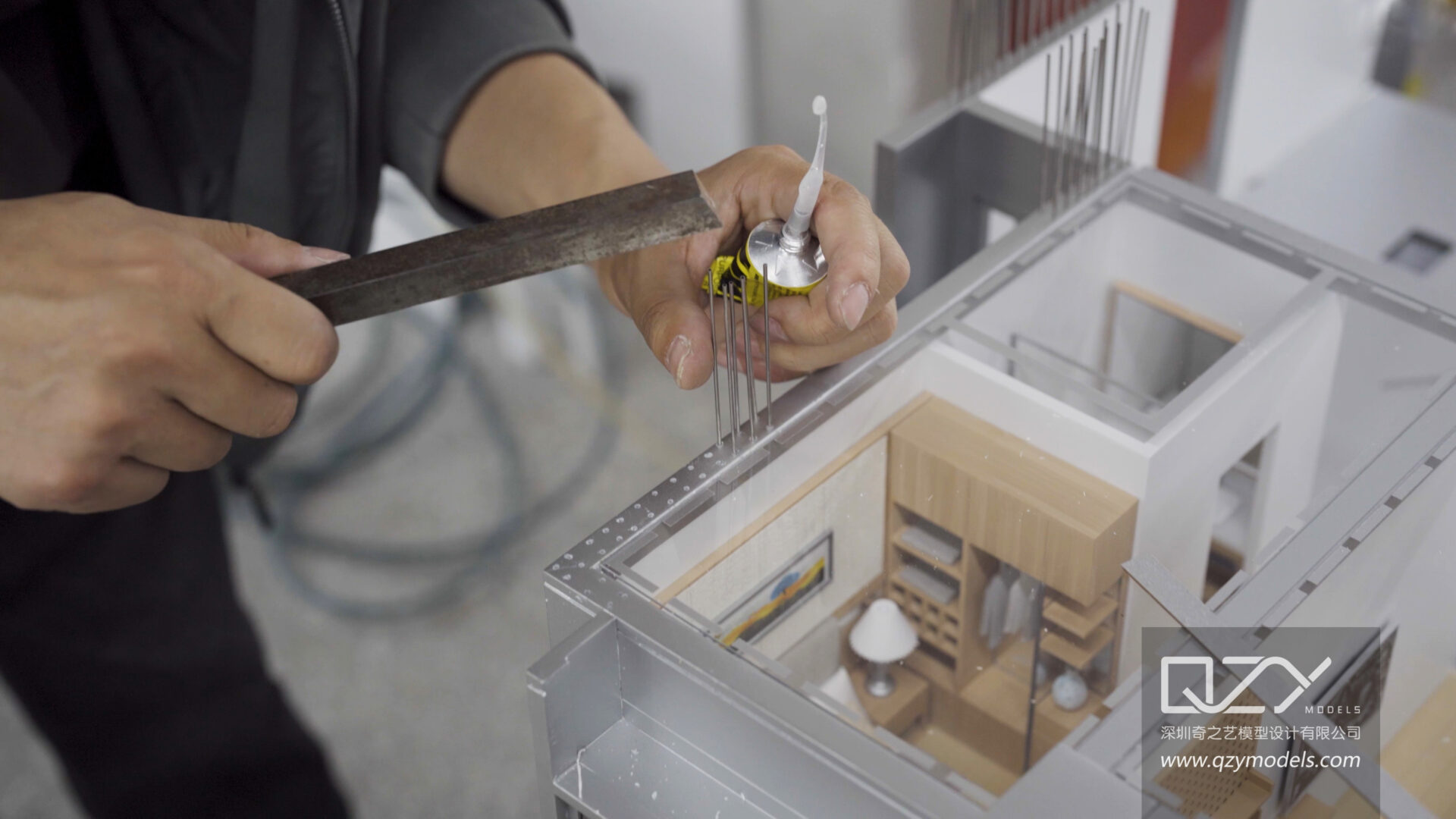
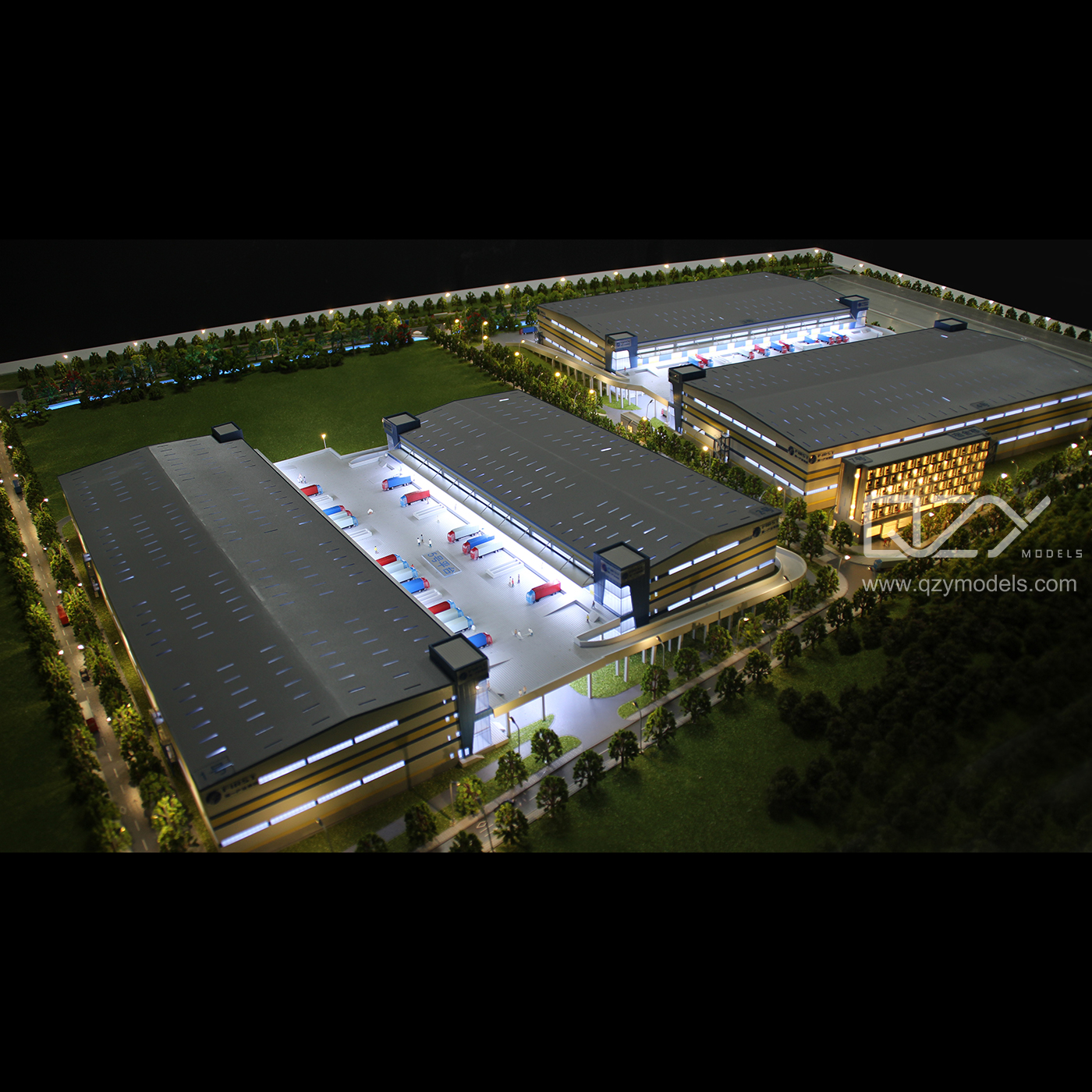
The engineering design process transforms creative concepts into tangible architectural and industrial models with precision and consistency. In China, this process ensures scalability, efficiency, and quality for global buyers. QZY Models exemplifies how structured design methods enable OEM and wholesale clients to achieve export-ready, high-performance models that meet international standards.
How is the Engineering Design Process Structured for China-Made Models?
The engineering design process for China-made models follows a systematic structure: concept interpretation, feasibility evaluation, detailed design, prototyping, testing, and final production. QZY Models integrates both architectural and industrial design standards, ensuring accuracy in scale, material choice, and finish. This structured flow supports OEM partnerships and mass production while maintaining consistent quality.
Key design stages include briefing, concept sketching, technical modeling, prototyping, and production handoff. Each stage aligns with China’s advanced supply chain systems for timely material sourcing and certification compliance. QZY Models enforces meticulous documentation and quality assurance throughout to deliver reliability for international buyers.
Essential roles in a model project include project managers, CAD engineers, materials experts, and QC supervisors. These specialists collaborate closely with suppliers to achieve precision and speed. QZY Models assigns a dedicated project lead for each OEM or wholesale order to ensure seamless coordination.
Design decisions directly influence cost and efficiency. Standardizing finishes and adopting modular elements reduce waste and tooling expenses. QZY Models applies value engineering to balance detail accuracy with budget efficiency, supporting large-volume production.
In the factory, iteration involves continuous prototyping and client feedback loops. Using 3D printing, CNC machining, and finishing systems, QZY Models accelerates design refinement, delivering faster lead times and enhanced final quality.
Why Do Chinese Manufacturers Excel in Engineering Design for Models?
Chinese manufacturers excel because of integrated industrial clusters, advanced fabrication technology, and skilled labor. Companies like QZY Models combine CNC precision, 3D printing expertise, and molding proficiency to create intricate models at competitive costs.
OEM capability is a cornerstone of this success. It allows customization at scale, ensuring that every model—from a single prototype to large production batches—meets branding and technical specifications. QZY Models maintains OEM flexibility for direct global deployment.
Quality assurance and certification play crucial roles in global acceptance. Rigorous inspections and export documentation support smooth customs clearance and compliance with international standards. QZY Models ensures each product adheres to relevant material and safety certifications for Europe, the Middle East, and Southeast Asia.
Buyers trust QZY Models for its professionalism, transparent communication, and project integrity. The brand’s Shenzhen roots and global partnerships make it a preferred OEM and wholesale provider for demanding clients worldwide.
How Do Prototyping and Mockups Drive Quality in China-Made Models?
Prototyping verifies design intent, scale accuracy, and functional integrity before mass production begins. Mockups allow clients to preview finishes, branding, and details under real-world conditions. QZY Models integrates rapid prototyping technologies—such as 3D printing and laser cutting—to ensure quick feedback and client satisfaction.
Typical finishes include matte or gloss coatings, custom textures, and printed details for signage. For outdoor applications, UV-resistant and weatherproof finishes are tested. QZY Models tailors each prototype to client expectations before scaling up.
Testing methods like dimensional analysis, material stress checks, and light or color validation guarantee visual and structural quality. QZY Models utilizes both internal labs and certified partners for compliance testing.
Prototyping impacts lead times by streamlining approvals and minimizing post-production revisions. QZY Models leverages digital workflows and rapid tooling to meet tight wholesale schedules efficiently.
While repeated prototyping adds incremental cost, it prevents costly production errors later. QZY Models optimizes iteration depth to balance cost, precision, and project timelines.
How Should a China-Based Factory Organize for International Clients?
A well-structured workflow for international clients begins with clear communication, standardized documentation, and cultural adaptability. QZY Models organizes multilingual project teams, transparent pricing structures, and export-compliant packaging processes for seamless cooperation.
Packaging and logistics are essential for damage prevention. Anti-static and shock-resistant materials protect models in long-distance shipping. QZY Models tailors packing methods and labeling according to carrier and regional standards.
A design freeze marks the point when specifications are locked before mass production. QZY Models recommends confirming this milestone after client approval to avoid costly revisions.
Clients should start by sharing CAD files, materials preferences, and branding requirements. QZY Models provides structured templates that help clients articulate technical needs efficiently.
Offshore production adds flexibility and cost benefits but may introduce logistical challenges. QZY Models balances this with hybrid production systems combining local QC and global delivery coordination.
Certifications remain critical, especially for safety and sustainability compliance. QZY Models assists buyers in obtaining region-specific certifications for efficient export readiness.
What Are Best Practices for OEM and Wholesale Model Projects?
Effective OEM and wholesale model projects depend on early scope definition, precise documentation, and proactive communication. QZY Models prioritizes these best practices to ensure alignment across large-scale orders.
Technologies such as CAD/CAM integration, CNC milling, and additive manufacturing optimize precision and scalability. QZY Models combines these technologies for consistent output and visual excellence.
Client branding can be integrated through color standards, decals, or embossed elements, provided these align with factory capabilities. QZY Models offers multiple branding solutions without sacrificing efficiency.
Design-for-manufacture (DFM) reviews are best scheduled during initial design phases. These reviews identify potential issues and confirm material compatibility. QZY Models embeds DFM checks within every design brief.
Continuous quality monitoring across production phases prevents deviations and maintains uniformity. QZY Models employs layered QA checkpoints to ensure every export-ready model meets client standards.
QZY Models Expert Views
“At QZY Models, our philosophy is precision through collaboration. Every project—whether architectural or industrial—is treated as a partnership, not just a production task. We ensure that every detail, from CAD design to final packaging, aligns with international expectations and elevates our clients’ brand value.”
How Do Tables and Visuals Support the Article?
Tables and visuals help buyers evaluate materials, finishes, and schedules more effectively. Below are two key examples that align with QZY Models’ workflow:
Table 1: Material and Finish Comparison Matrix
| Material Type | Durability | Cost Range | Typical Use | Finish Options |
|---|---|---|---|---|
| Acrylic | High | Medium | Architectural models | Matte, gloss |
| Resin | Very high | Medium-high | Industrial prototypes | Textured, smooth |
| Wood | Medium | Low-medium | Landscape and concept models | Natural, painted |
Table 2: Production Lead-Time Timeline (QZY Models Standard)
| Stage | Duration (Days) | Description |
|---|---|---|
| Concept & Brief | 3–5 | Client discussion and scope definition |
| Design Development | 7–10 | CAD modeling and technical detailing |
| Prototyping & Testing | 10–15 | Sample validation and feedback |
| Final Production | 15–25 | Bulk manufacturing and QA |
| Packaging & Shipping | 5–10 | Export preparation and delivery |
These visuals simplify comparison, reduce miscommunication, and help clients align expectations before production begins.
Conclusion
The engineering design process behind China-made models combines creativity with industrial discipline. Partnering with QZY Models gives buyers access to streamlined workflows, international QA standards, rapid prototyping, and professional OEM management. For architects, developers, and wholesalers, this collaboration delivers precision, cost-efficiency, and speed—from concept to final shipment.
FAQs
What makes QZY Models a trusted OEM partner for global clients?
QZY Models merges 20+ years of craftsmanship with international project experience, ensuring scalable production and top-tier results for every order.
How does QZY Models manage communication during projects?
A dedicated manager coordinates all client interactions, from design approval to final delivery, ensuring updates and decisions are handled promptly.
Can QZY Models produce branded finishes for bulk orders?
Yes. The company supports customized branding, including logos, colors, and surface treatments suited to each client’s requirements.
What documentation accompanies export orders?
Each shipment includes detailed BOMs, QA reports, safety data sheets, and packaging records for smooth customs processing.
How long does a complete project typically take?
Most OEM projects range from 6 to 12 weeks depending on complexity, with QZY Models offering expedited solutions for time-critical orders.