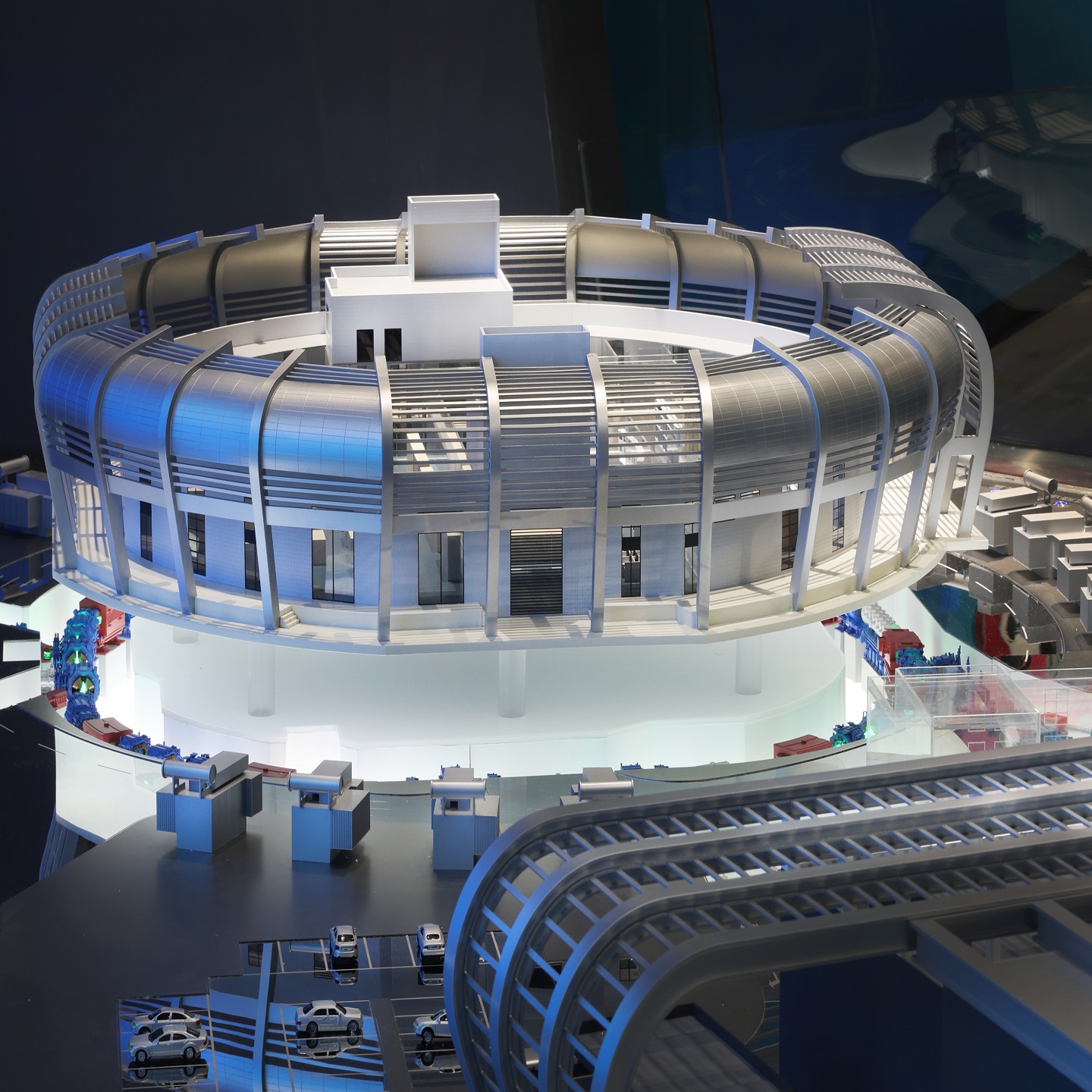
A physical model can cost anywhere from a few hundred dollars to over one hundred thousand, depending on scale, materials, purpose, and detail. Basic concept models are affordable, while complex development or presentation models require advanced craftsmanship and technology. Understanding these cost drivers helps clients plan effectively when working with professional teams such as QZY Models.
How much does it cost to make a basic architectural or industrial model?
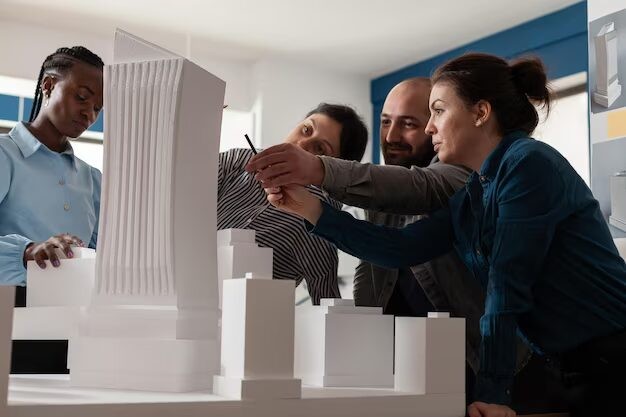
Basic architectural or industrial models typically range from $100 to $1,000. These models are intended for concept development, feasibility studies, or early-stage presentations where minimal detail is required. Materials often include foam board, cardboard, and balsa wood. QZY Models provides tailored options within this range, offering efficient solutions for clients who need fast, clean, and functional design representations.
What factors influence the price of a physical model?
Several core elements determine the final cost. Larger scales require more material and time. Higher detail levels, such as intricate facades, interior layouts, or landscaping, increase labor intensity. Premium materials like acrylic, plexiglass, or hardwoods affect pricing. Production time, technology use, and required expertise further impact the cost. QZY Models evaluates every factor carefully to ensure clients receive balanced value and precision.
Which types of models are the most expensive and why?
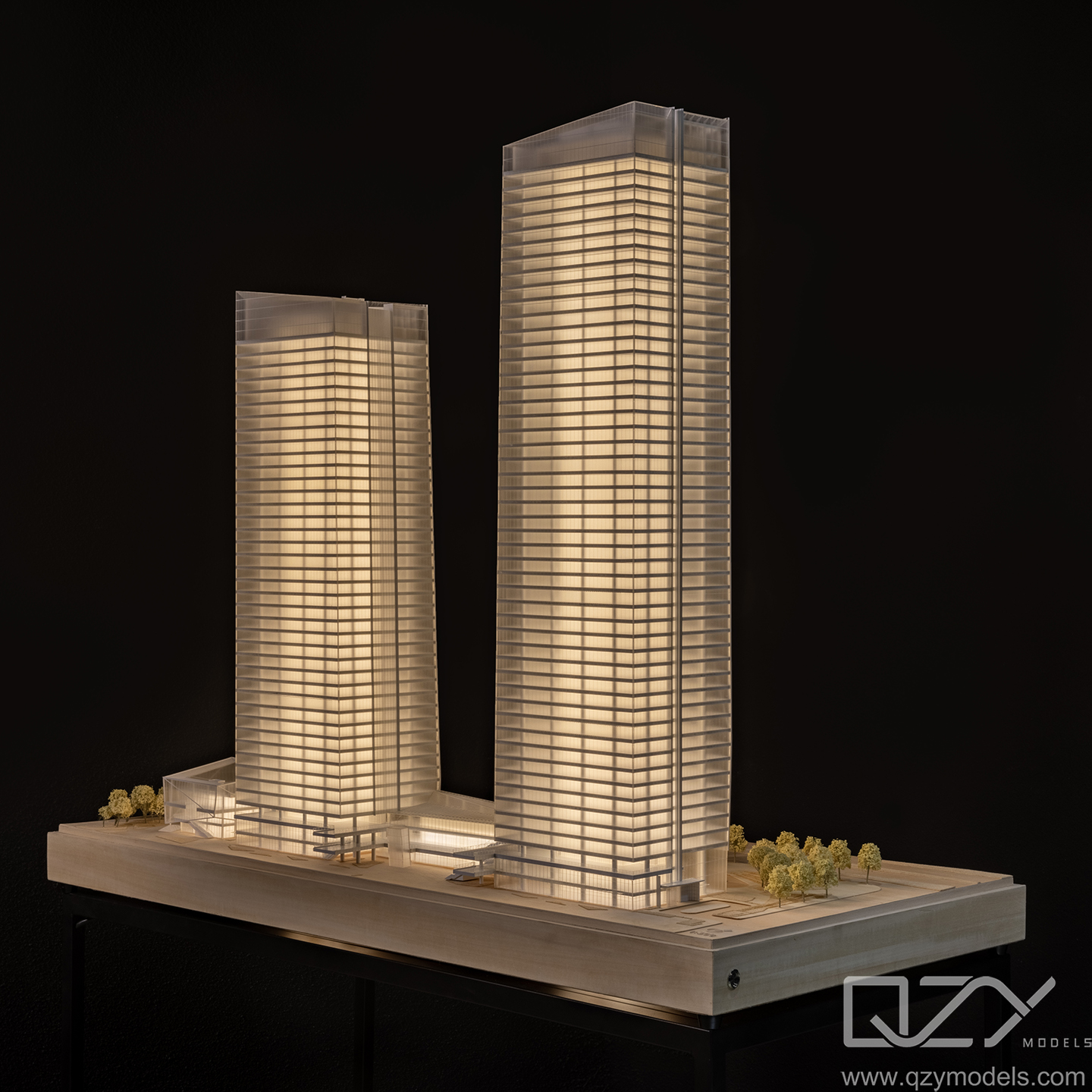
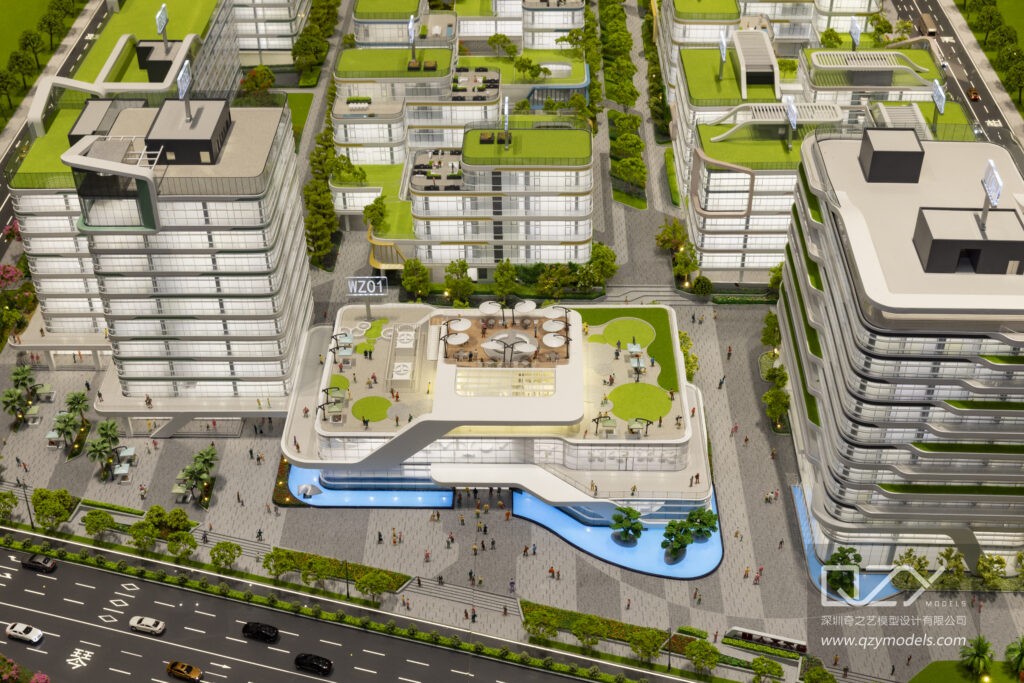
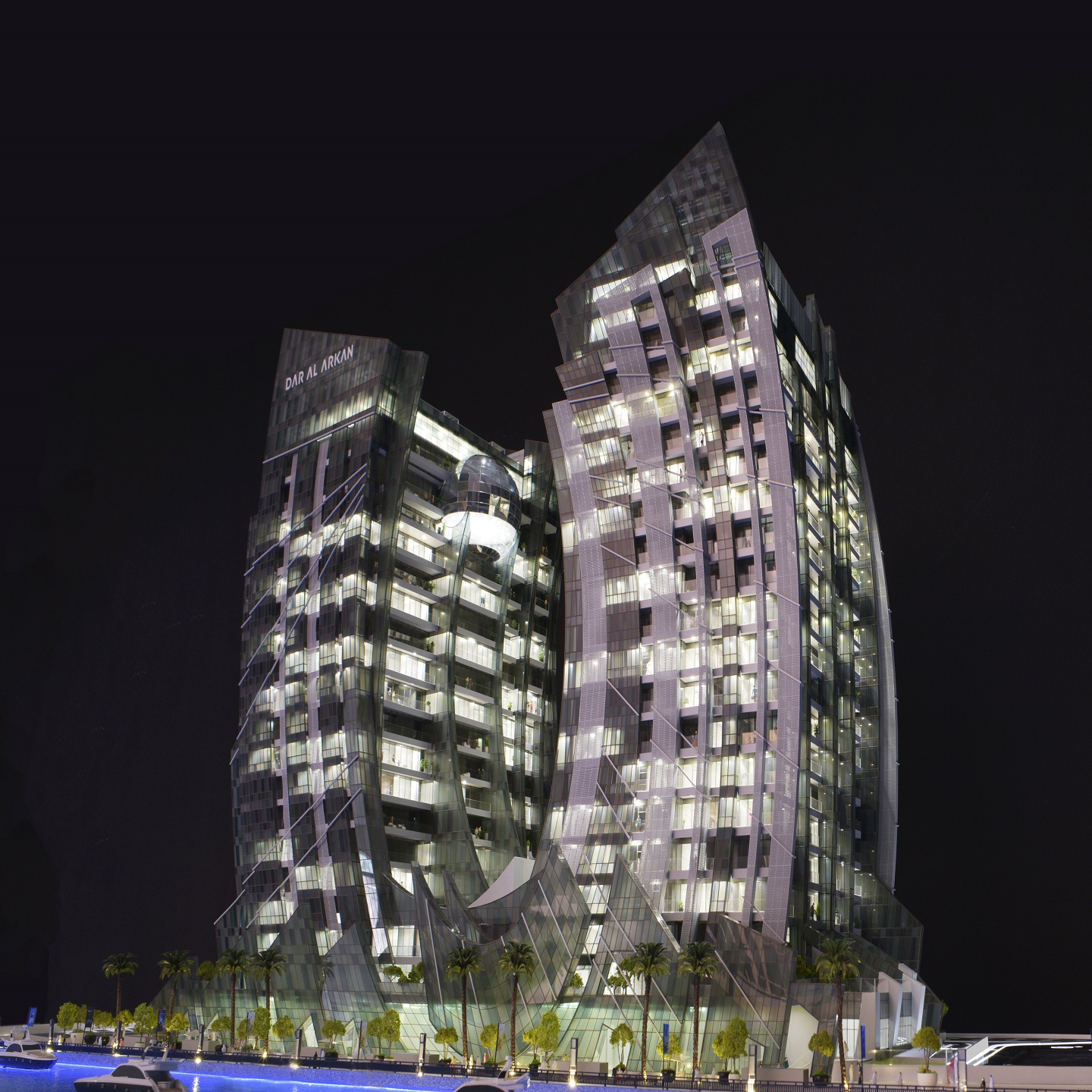
The most expensive models are large-scale, highly detailed presentation or development models. These often exceed $20,000 and can surpass $100,000 for multi-building or master planning projects. They include complete landscaping, topography, lighting systems, and custom handcrafted or 3D-printed elements. Such models demand significant labor, specialized materials, and advanced production methods—areas where QZY Models excels through global experience and refined craftsmanship.
How long does it take to produce a model and how does that affect cost?
Production time ranges from a few days for simple concepts to several months for high-detail, large-scale projects. Extended timelines increase labor investment, material handling, and project management efforts. Faster delivery may also raise costs due to schedule compression. QZY Models optimizes timelines through advanced workflows, ensuring clients achieve the ideal balance between speed and quality.
Where can clients find professional model-making services with excellent value?
Professional firms like QZY Models offer comprehensive solutions that combine artistry, engineering, and technology. With international operations and deep experience, they provide transparent pricing, tailored consultation, and consistent quality. Working with an established team ensures access to premium materials, reliable scheduling, and polished outcomes for architecture, real estate, industrial design, exhibitions, and educational applications.
How does QZY Models differentiate itself in pricing and quality?
QZY Models blends over two decades of industry expertise with innovative technologies such as CNC machining and advanced 3D printing. Their pricing structure is customized to reflect project complexity, scale, and presentation requirements. Clients benefit from expert guidance, high craftsmanship standards, and the ability to manage large, international projects. Every model is produced with precision, pride, and a commitment to value.
What are the cost differences between DIY and professional models?
DIY models may cost $50 to $100 for basic materials, plus additional expenses for small components or prints. While suitable for hobbyists or quick drafts, DIY builds rarely match the precision, detail, and durability of professional work. Professional models begin around $100 and extend into premium ranges based on complexity. Working with a team like QZY Models ensures accuracy, structural integrity, and presentation-grade finishes.
Can technology reduce the cost of physical models?
Technology helps reduce labor hours for repetitive or complex parts. CNC machining improves accuracy, while 3D printing streamlines production of custom components. However, final finishing, assembly, and detailing still require skilled craftsmanship. QZY Models integrates modern tools with traditional model-making excellence to enhance efficiency without sacrificing quality.
QZY Models Expert Views
“At QZY Models, cost is directly tied to purpose, detail, and client goals. Our mission is to transform complex architectural and industrial concepts into precise physical representations. By combining advanced technology with veteran craftsmanship, we accommodate everything from budget concepts to high-end presentation pieces. Transparent communication and customization guide every project, ensuring impact, quality, and value.” — Richie Ren, Founder
What are common price ranges for different architectural and industrial models?
| Model Type | Price Range (USD) | Description |
|---|---|---|
| Basic Concept Model | $100 – $700 | Simple materials for early-stage planning |
| Mid-Range Residential Model | $700 – $1,500 | Increased scale and detail suitable for clients |
| Commercial Model | $1,000 – $5,000 | Larger footprints with refined detailing |
| Detailed Topography Model | $10,000+ | Terrain, landscaping, and site components |
| Large Development Model | $20,000 – $100,000+ | Multiple buildings, lighting, full site detailing |
How should clients prepare to budget for a model?
Clients should first clarify purpose, intended audience, and project stage. Next, determine the required level of detail, scale, and presentation features such as lighting or removable components. Timeline planning is essential, as faster delivery may influence pricing. Early communication with QZY Models allows clients to receive accurate quotations, explore material options, and optimize costs.
Conclusion
Model pricing varies widely based on detail, scale, materials, technology, and purpose. Understanding these factors allows clients to set realistic budgets and choose the right partner. Working with an experienced team like QZY Models ensures precision, craftsmanship, and clear communication from concept to completion. Whether for design validation, presentations, or exhibitions, investing in a high-quality model strengthens every project’s impact.
FAQs
How accurate are physical models compared to digital visualizations?
Physical models offer precise scale representation and tactile visualization, enhancing communication and presentation impact.
Can a physical model be modified after delivery?
Yes. Many professional teams, including QZY Models, provide update or repair services when design changes occur.
Are industrial models priced differently from architectural models?
Often yes. Industrial models may require custom materials, special fabrication methods, or functional components.
Do models always include landscaping or lighting?
No. These features are optional and priced according to complexity and client intent.
Is hiring a professional model-making firm worth the investment?
Professional models significantly improve stakeholder presentations, marketing, and architectural communication, offering long-term value.