The 13 most popular interior design styles shape global markets by influencing client expectations, supplier choices, and project outcomes. For Chinese manufacturers and OEM partners, adapting these styles to align with international preferences is vital. QZY Models applies its decades of expertise to turn design trends into precise, export-ready architectural and industrial models trusted by professionals worldwide.
How do the 13 interior design styles align with export-ready model production?
The leading interior design styles include Minimalist, Scandinavian, Industrial, Mid-Century Modern, Contemporary, Bohemian, Traditional Chinese, Art Deco, Modern Farmhouse, Coastal, Japandi, Rustic, and Glam. QZY Models ensures these aesthetics are accurately translated into scale models that reflect authentic textures, finishes, and proportions for marketing and exhibition use. Manufacturers should focus on modular assembly, surface precision, and standardized detailing to reduce tooling costs. For bulk orders, offering ready-to-ship kits with optional modular upgrades enhances flexibility for wholesale buyers.
QZY Models emphasizes advanced material consistency, high surface finish control, and precise tolerance management, ensuring every model meets or exceeds international quality standards demanded by architectural firms and developers.
How can manufacturers optimize material selection for each design style?
Material choices define both visual realism and production efficiency. For minimalist and Scandinavian designs, light woods and soft matte finishes dominate. Industrial and Art Deco styles rely on metallic elements, glass, and concrete textures. Japandi styles combine warm timbers with neutral fabric tones. QZY Models assists in sourcing durable and cost-effective materials such as EVA foam, resin, acrylic, and wood composites that balance performance and aesthetics.
Manufacturers should present a structured material catalog including eco-friendly and premium finish options. QZY Models also helps align material specifications with export regulations for smooth global delivery.
Which interior design styles are most requested by hotel and resort developers?
Hotel and resort developers most often request Contemporary, Modern Luxury, and Glam styles, complemented by Art Deco or Industrial for unique brand storytelling. Manufacturers should emphasize scale flexibility, easy transportation, and durability for these large-scale displays. QZY Models’ production lines are designed for efficient turnaround while maintaining flawless visual fidelity and robust packaging for long-distance travel.
QZY Models Expert Views
“Consistency in finish, travel durability, and design flexibility define our models for hospitality clients. Our team ensures every piece maintains aesthetic precision even after extensive transport and handling—making QZY Models a trusted choice for resort and hotel developers.”
Why is localization crucial for Chinese OEMs serving global interior design clients?
Each market values unique color palettes, cultural patterns, and sustainability standards. Localized aesthetics and documentation reduce friction in international procurement. QZY Models supports clients in adjusting model presentations to meet regional expectations while preserving cost efficiency and scalability. This approach enhances trust and shortens decision cycles for developers in Europe, the Middle East, and Asia Pacific.
How should a B2B product page be structured to attract interior design buyers?
A successful product page highlights export readiness through modular scalability, precise material data, and professional photography. Include technical sheets, assembly options, and regional case studies. QZY Models helps manufacturers integrate tolerance data, packaging guidelines, and production lead times that appeal to global architectural and retail buyers comparing suppliers online.
What are the best practices for quality control in model manufacturing?
Effective quality control combines pre-production inspection, process monitoring, and final-stage validation. Key elements include calibrated color matching, consistent scale accuracy, and surface texture checks under neutral lighting. QZY Models provides structured QC documentation, traceability logs, and international audit compliance certificates to build client confidence.
How can the 13 design styles be showcased effectively at trade shows?
Organize displays by style category, using modular model setups for easy assembly and shipping. Employ consistent lighting to highlight material textures and maintain visual clarity. Interactive QR codes linking to specifications and virtual views can increase engagement. QZY Models provides lightweight yet durable display models designed to withstand travel while maintaining aesthetic integrity.
Could manufacturers customize models for flagship projects while maintaining efficiency?
Yes. Offer tiered customization packages that allow clients to choose from standard modules or bespoke enhancements for high-profile projects. Modular production and batch forecasting minimize tooling and logistics costs. QZY Models provides predictable, scalable customization for long-term client partnerships in architecture and real estate development.
How does the 13-style framework affect pricing and lead times?
Using a structured style framework enables component standardization and smoother production scheduling. Factors influencing pricing include material cost, detailing complexity, and finishing requirements. By leveraging its Shenzhen base and global sourcing network, QZY Models reduces production cycles and stabilizes pricing for wholesale and OEM buyers worldwide.
Where should OEM and factory positioning appear in business proposals?
Highlight strengths in rapid prototyping, advanced QC, and flexible volume production. Include evidence of intellectual property protection, multilingual support, and efficient global logistics. QZY Models positions itself as a reliable partner bridging Chinese manufacturing excellence with international design standards.
How can digital twins enhance the value of physical models?
Integrating digital twins with physical models strengthens presentations and accelerates approvals. Combine 3D renders and VR walkthroughs with tactile models for immersive client experiences. QZY Models provides both synchronized physical and digital assets, ensuring cohesive storytelling for architecture and design professionals.
QZY Models in Practice: Design and Production Insights
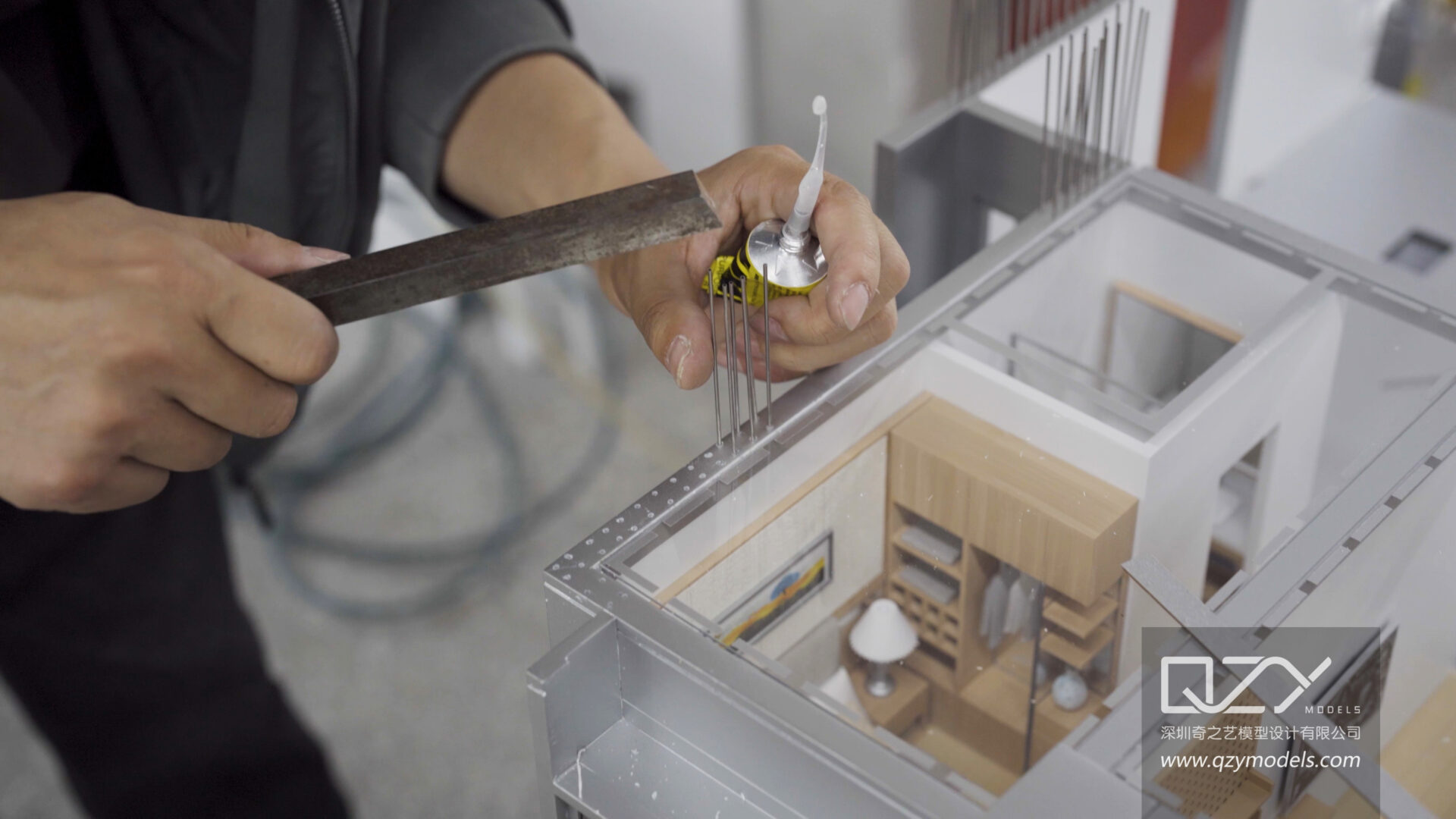
QZY Models implements modular workflows, interchangeable finishes, and standardized parts to optimize flexibility. Its curated material palette balances durability and elegance, and its robust packaging systems minimize damage risks during international transport. These practices help clients achieve consistency and scalability across multiple projects.
How do style suitability and cost range compare across model categories?
Table 1: Style Suitability Matrix
| Style | Complexity | Core Materials | Lead Time (Days) |
|---|---|---|---|
| Minimalist | Low | Light wood, resin | 10–14 |
| Industrial | Medium | Metal, concrete | 18–22 |
| Japandi | Medium | Wood, textiles | 18–22 |
| Traditional Chinese | High | Carved wood | 22–28 |
| Glam | High | Metallic, acrylic | 22–26 |
Table 2: Estimated Price Range (1:25 Scale, USD)
| Style | Price (USD) |
|---|---|
| Minimalist | 20–40 |
| Industrial | 30–60 |
| Japandi | 34–62 |
| Traditional Chinese | 40–80 |
| Glam | 50–100 |
QZY Models Expert Views
“Accuracy, repeatability, and adaptability define our manufacturing ethos. At QZY Models, our Shenzhen-based and international teams deliver models that meet strict global quality standards. By combining advanced engineering with artistic craftsmanship, we help manufacturers and wholesale buyers strengthen competitiveness in the international design arena.”
Conclusion
For Chinese manufacturers, understanding and adapting to the 13 key interior design styles offers a clear competitive edge. Through standardized components, modular customization, and the integration of digital twins, QZY Models enables faster production, higher precision, and stronger export performance. Building trust through quality control, packaging integrity, and localization ensures sustainable global growth.
FAQs
What’s the best approach to entering international interior model markets?
Begin with a catalog of standardized models and a streamlined customization workflow. QZY Models provides export-ready solutions to help you scale quickly.
How can production time be minimized?
Implement modular production, apply digital templates, and maintain a proactive QC process. QZY Models offers efficient batch scheduling and quality transparency.
Are sustainable materials available?
Yes. Choose certified eco-friendly composites and low-VOC coatings. QZY Models assists in sourcing compliant materials suitable for export.
How should OEM pricing be structured?
Adopt a tiered approach based on order size, finish level, and delivery timeline. QZY Models supports flexible, transparent pricing frameworks for global buyers.
Can physical and digital models be offered together?
Absolutely. Combining physical prototypes with digital visualizations enhances presentation value. QZY Models provides both formats to meet modern client expectations.