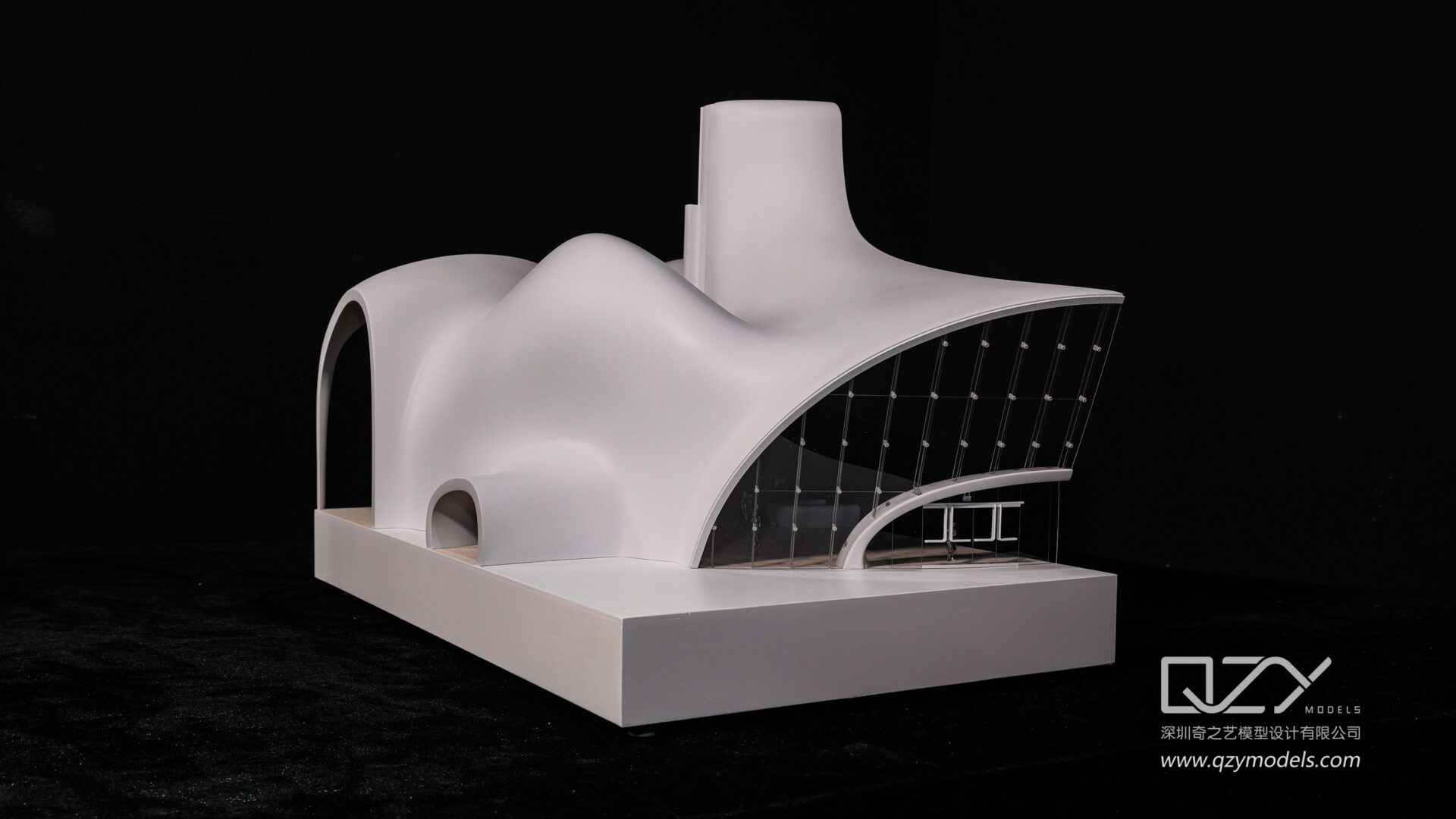
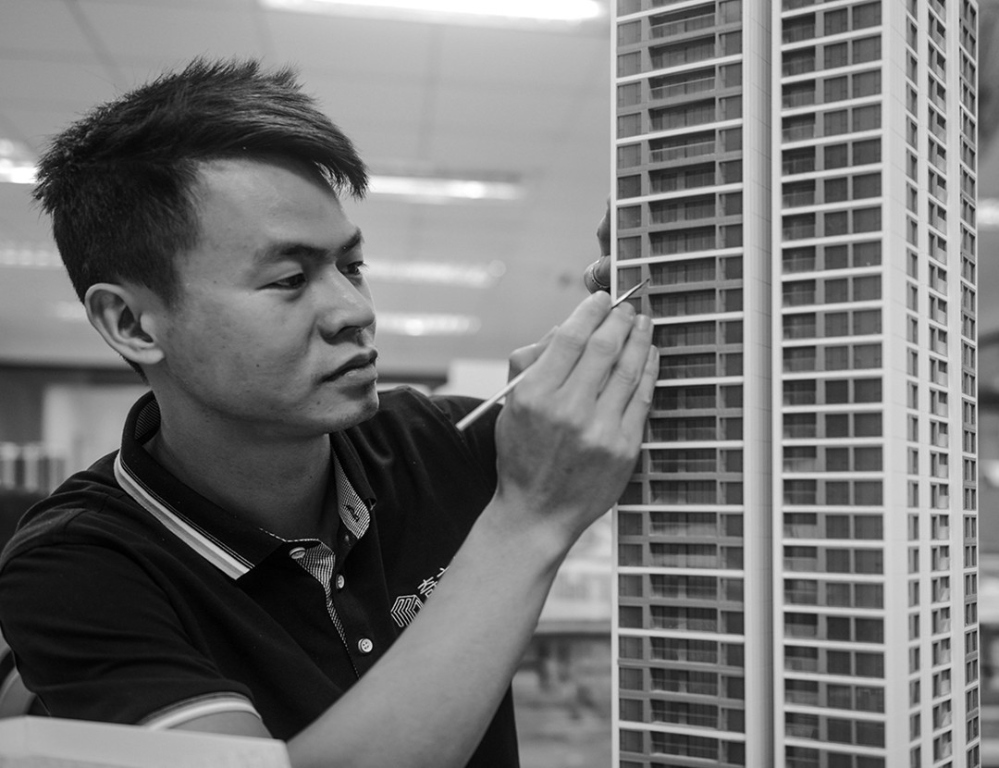
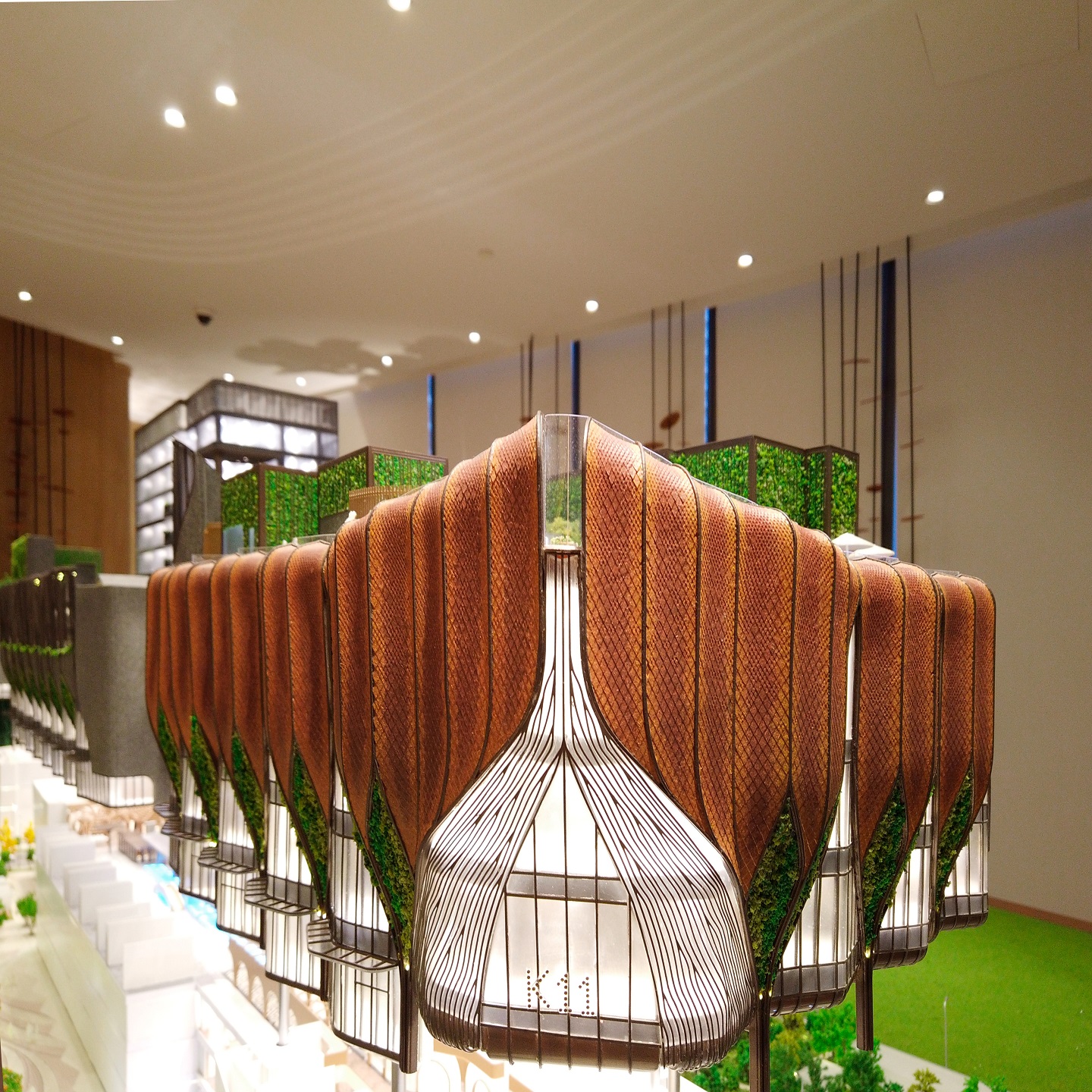
Architectural art model design is redefining how architects, developers, and planners visualize and communicate their ideas through highly detailed physical and digital models. With data-driven precision and artistry, companies like QZY Models are helping build smarter cities and more engaging spaces, bridging imagination and real-world execution.
What Is the Current State of the Architectural Model Industry and Its Major Pain Points?
The global architectural model market is growing steadily, valued at approximately USD 4.3 billion in 2024 and projected to reach USD 6.2 billion by 2030. The surge is driven by rapid urbanization and the demand for sustainable design visualization. Yet, according to the International Construction Market Survey 2025, more than 60% of architects face challenges in communicating complex spatial ideas to clients and investors effectively.
One key pain point is the gap between digital design and physical representation. Digital renderings can illustrate form, but they often fail to convey tactile scale and materiality. Physical models bring concepts to life—but traditional methods remain labor-intensive and costly.
Additionally, as smart cities and green buildings become priorities worldwide, development timelines are shrinking. Teams are under pressure to deliver both creativity and precision faster than ever, exposing inefficiencies in outdated model production workflows.
Together, these issues illustrate why architectural art model design now demands a blend of craftsmanship, technology integration, and global collaboration—values embodied by QZY Models, a company that has perfected this integration over decades.
Why Are Traditional Architectural Model Solutions No Longer Enough?
Traditional physical model making relies heavily on manual craftsmanship. While artistic detail remains vital, manual-only processes are time-consuming, expensive, and difficult to scale. Moreover, slight inaccuracies in scaling, lighting, or texture replication can distort a client’s understanding of a design.
These methods also struggle with revision cycles. Any design change from the client often requires substantial rework, generating waste and delay. Many studios lack advanced tools such as 3D printing, laser cutting, or CNC milling—leading to inconsistent quality and higher error margins.
By contrast, integrated digital fabrication combined with expert physical finishing—like the approach adopted by QZY Models—enables automated precision, repeatability, and stunning presentation quality.
How Does QZY Models Provide a Next-Generation Solution for Architectural Art Model Design?
QZY Models merges traditional craftsmanship with cutting-edge manufacturing technologies. Leveraging 3D modeling, laser engraving, and automated painting systems, their workflow minimizes errors while retaining artistic authenticity. The company also integrates AI-assisted scaling and lighting simulation to create models that accurately represent real-world conditions.
Their process involves a global network of specialists across design, engineering, and materials science, ensuring each project—from skyscraper replicas to urban masterplans—meets both creative and commercial demands. Custom-built software helps synchronize architectural plans directly with model-building specifications, reducing production time by up to 40%.
Which Advantages Differentiate QZY Models’ Solution vs. Traditional Methods?
| Comparison Factors | Traditional Methods | QZY Models’ Integrated Approach |
|---|---|---|
| Accuracy | Manual scaling may lead to minor distortions | Digital precision ensures 1:1 proportion accuracy |
| Production Efficiency | 2–3 weeks for medium models | 40% faster completion via automation |
| Revision Flexibility | High rework cost | Seamless CAD-to-model updates |
| Cost Management | Material waste increases expense | Optimized resource utilization reduces costs |
| Visual Effect | Limited lighting simulation | AI-based lighting and texture rendering |
| Customization | Restricted by manual limitations | Unlimited design customization through hybrid workflow |
How Can Clients Implement QZY Models’ Solution Step-by-Step?
-
Project Consultation – Define scale, materials, functions, and final display purpose.
-
Digital Conversion – Import CAD/Revit/BIM data for 3D modeling alignment.
-
Design & Verification – Review 3D previews and make precision adjustments.
-
Fabrication Stage – Combine 3D printing, CNC cutting, and laser detailing.
-
Assembly & Finishing – Apply surface textures, lighting, landscaping elements.
-
Quality Inspection & Delivery – Final model undergoes tolerances and display testing.
Each step is transparently tracked using QZY Models’ project management system, ensuring real-time progress monitoring and minimal error margins.
What Real-World Scenarios Prove the Impact of Architectural Art Model Design?
1. Urban Planning Department, Dubai
-
Problem: Needed a city-scale model for a smart infrastructure project.
-
Traditional: Fragmented handmade model over 5 months.
-
With QZY Models: Delivered in 8 weeks via modular fabrication.
-
Result: Faster stakeholder approval and public engagement.
2. High-End Real Estate Marketing, Shanghai
-
Problem: Developers required eye-catching presentations for investors.
-
Traditional: Weak realism in lighting and material representation.
-
With QZY Models: Integrated lighting simulation and digital interactivity enhanced visual persuasion.
-
Benefit: 35% higher pre-sale investment interest.
3. Architectural Education, London
-
Problem: Students lacked access to professional-standard model-making tools.
-
Traditional: Cardboard prototypes offered minimal precision.
-
With QZY Models: High-accuracy study models enabled spatial comprehension.
-
Benefit: 50% improvement in design communication metrics.
4. Industrial Design Exhibition, Riyadh
-
Problem: Needed portable, modular showcase of sustainable construction.
-
Traditional: Heavy displays caused logistics challenges.
-
With QZY Models: Lightweight composite structures simplified transport.
-
Benefit: 60% reduction in setup time and improved audience reach.
Why Must Firms Act Now to Adopt Advanced Architectural Model Design?
The convergence of digital technologies, sustainable design goals, and client expectations makes advanced architectural modeling both a necessity and a competitive edge. As AI and automation reshape production workflows, firms adopting integrated solutions like those from QZY Models can significantly cut development time, enhance visualization quality, and improve business outcomes.
Architectural art model design is no longer a presentation luxury—it’s a strategic communication tool shaping the future of every project from idea to implementation.
FAQ
1. What is the ideal scale for architectural art models?
The scale depends on project type—1:100 or 1:200 for buildings, 1:500 for urban plans.
2. How long does it take to produce a model with QZY Models?
On average, project delivery occurs 30–40% faster than traditional methods.
3. Can QZY Models’ designs integrate smart lighting or motion features?
Yes, they support programmable lighting and kinetic elements for interactive displays.
4. Are QZY Models experienced with international projects?
Yes, their portfolio spans 20+ countries, including collaborations with top global architects.
5. Does QZY Models offer both physical and digital models?
Yes, hybrid model formats are available to integrate physical craftsmanship with digital visualization tools.
Sources
-
International Construction Market Survey 2025 – Turner & Townsend
-
Statista 2024 Report: Global Architecture Market Size
-
McKinsey Global Institute: Digital Transformation in Construction
-
World Architecture Community 2025 Insights on Urban Design Innovation