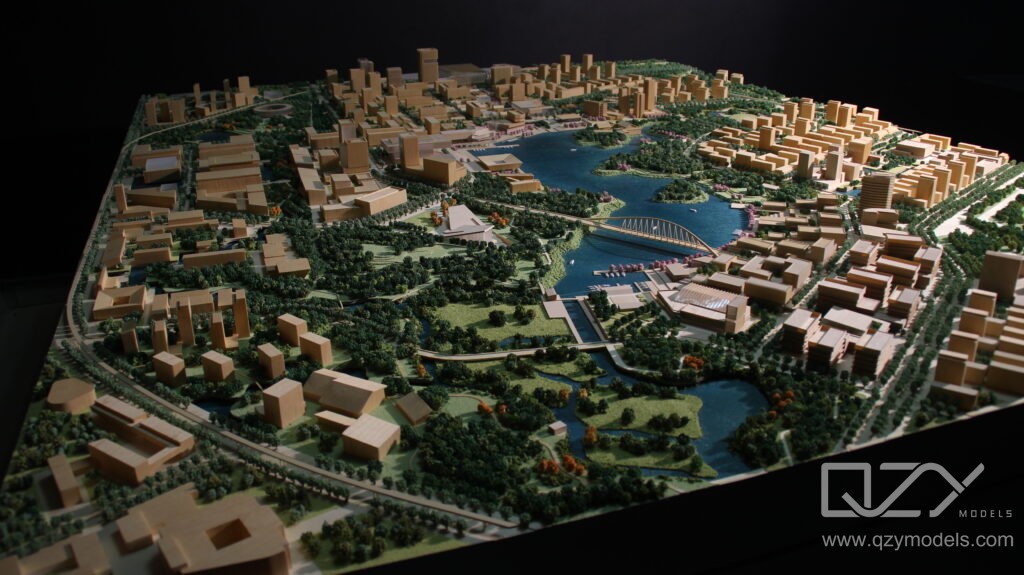
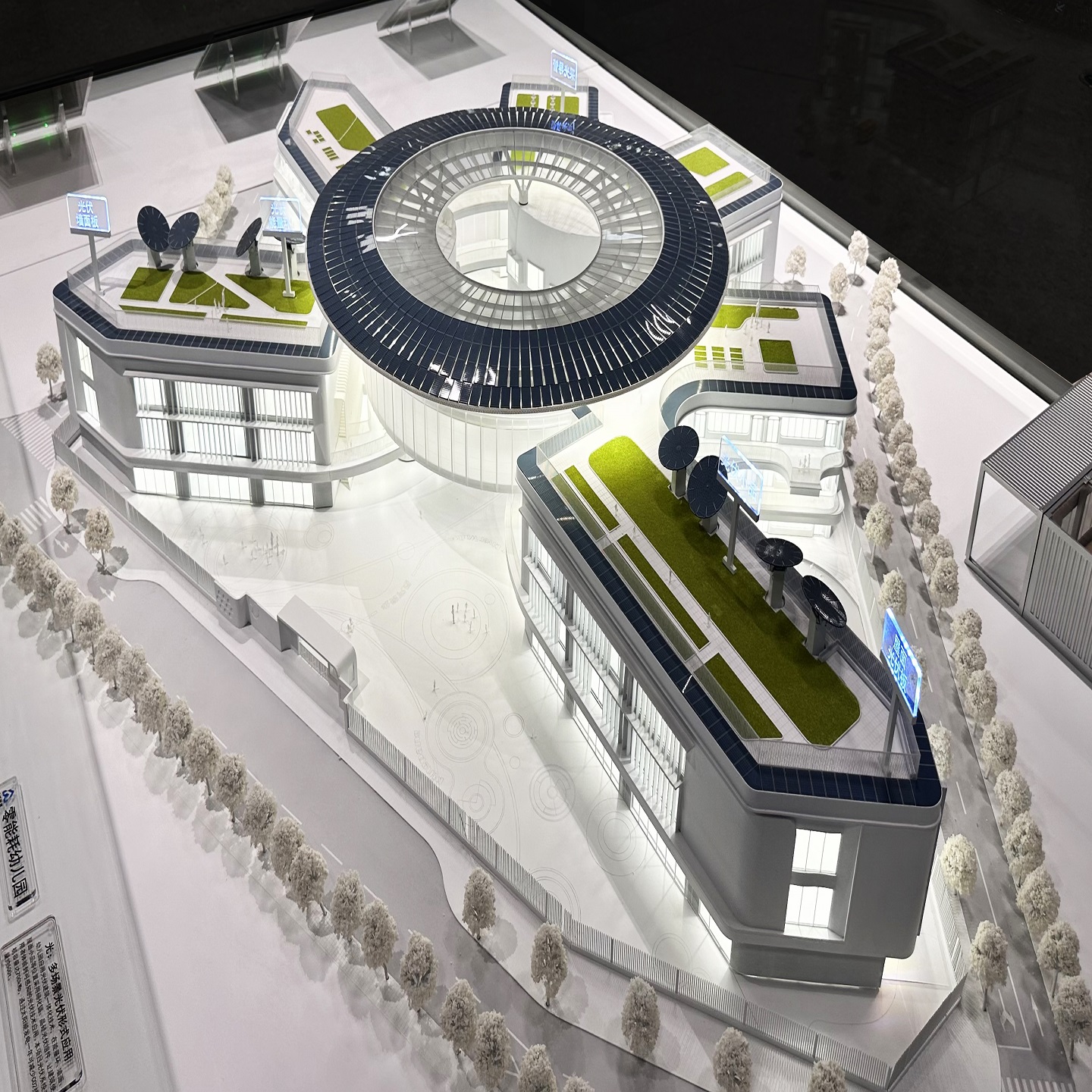
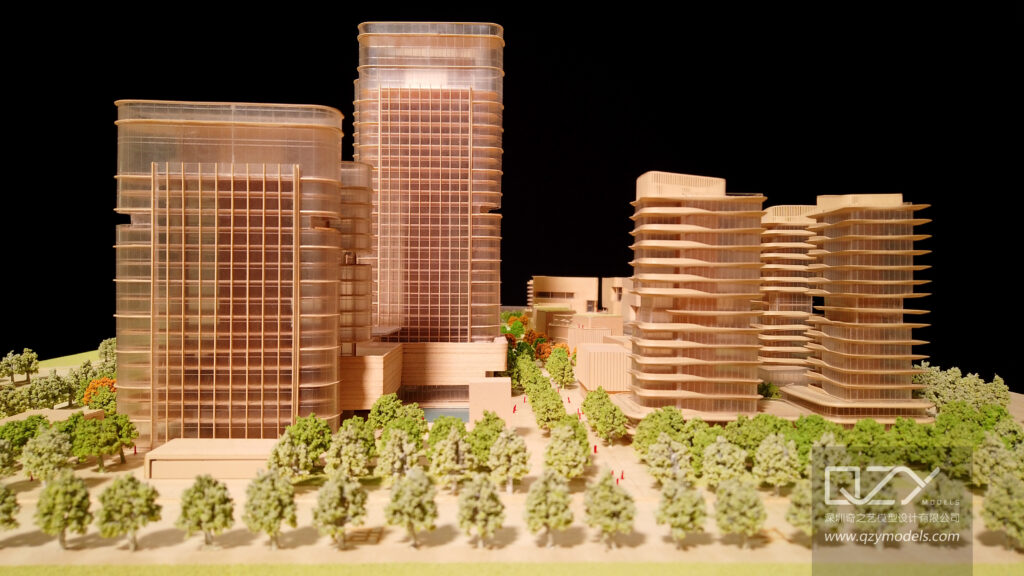
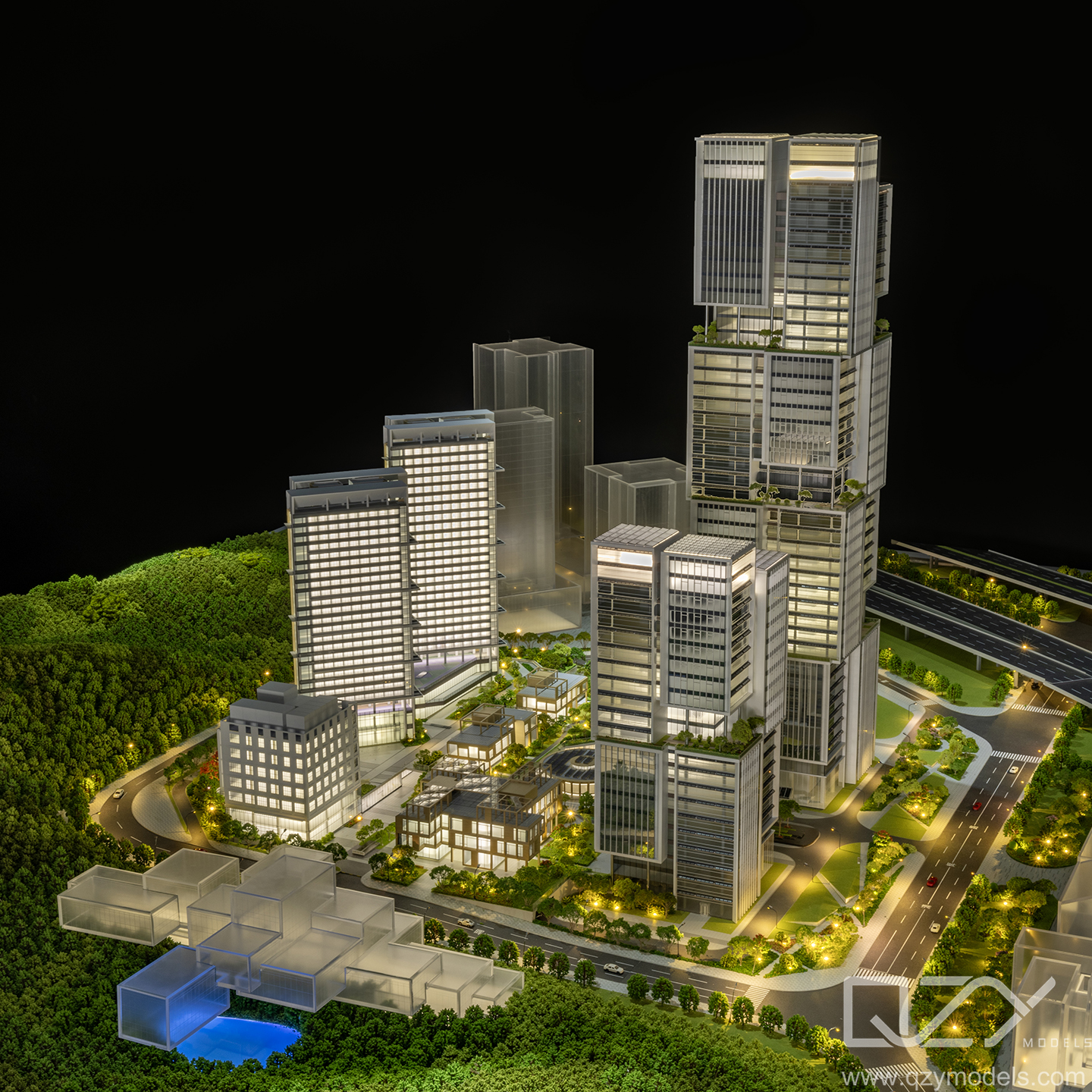
Building modelling transforms architectural concepts into detailed, precise physical or digital representations, enabling architects and clients to visualize designs, analyze spatial relationships, and streamline construction planning. By integrating advanced techniques and materials, building models enhance accuracy, collaboration, and communication throughout a project, helping ensure designs are functional, sustainable, and aligned with client expectations. QZY Models specializes in delivering these high-quality solutions globally.
What Are the Most Common Building Modelling Techniques Used by Architects?
Architects rely on techniques such as Building Information Modelling (BIM), 3D CAD, wireframe modelling, parametric modelling, polygonal modelling, and point cloud modelling. BIM supports collaborative project management and data coordination, while 3D CAD converts 2D plans into interactive 3D models for visualization. Parametric modelling allows dynamic adjustments, enabling flexible design iterations. QZY Models combines these approaches to produce accurate, functional models customized for client needs.
How Does Building Modelling Improve Design Accuracy and Efficiency?
Building modelling ensures high design accuracy by providing detailed visualizations and precise measurements, allowing early identification of design conflicts. It streamlines workflows through data integration and promotes collaboration among architects, engineers, and clients. Parametric models enable real-time updates while preserving design constraints. QZY Models leverages these benefits to reduce errors, shorten project timelines, and deliver high-quality outputs that align with client expectations.
Why Should Building Modelling Be Integrated Early in the Design Process?
Early integration of building modelling allows architects to conduct performance simulations, such as daylight analysis, energy efficiency studies, and massing evaluations. These insights guide design decisions, optimize space utilization, reduce costs, and enhance sustainability. QZY Models recommends starting modelling at the conceptual stage, enabling clients to explore alternatives, foresee challenges, and achieve efficient, data-driven solutions from concept to construction.
Who Benefits Most from Building Modelling Services?
Architects, developers, contractors, urban planners, and clients all gain from building modelling. Developers receive accurate cost and material estimates, planners can assess zoning compliance, and clients visualize projects with high fidelity. QZY Models serves diverse international clients, including major architectural firms like Foster + Partners, delivering models that enhance communication, collaboration, and project outcomes across multiple disciplines.
When Is the Best Time to Use Physical Building Models Versus Digital Models?
Digital models are ideal for early-stage design iterations, simulations, and collaborative workflows due to flexibility and efficiency. Physical models excel in presentations, stakeholder engagement, and conveying site context tangibly. QZY Models creates high-quality physical models for marketing, client reviews, and exhibitions while integrating digital models to streamline design iteration and coordination.
Which Materials and Technologies Are Preferred for Building Model Making?
Architectural model materials include basswood for structural elements, acrylic for transparency, foam board for massing, and 3D printing for complex geometries. Technologies like laser cutting, CNC milling, and additive manufacturing ensure precision and repeatability. QZY Models combines these materials and technologies with skilled craftsmanship to deliver durable, detailed, and visually compelling models for any project scale.
Common Materials and Uses
| Material | Purpose | Advantages |
|---|---|---|
| Basswood | Structural framework | Lightweight, easy to cut |
| Acrylic | Windows, facades | Transparency, sleek finish |
| Foam Board | Conceptual massing | Lightweight, cost-effective |
| 3D Printing | Complex details, prototypes | High precision, intricate forms |
How Does Parametric Modelling Benefit Complex Building Designs?
Parametric modelling allows designers to adjust parameters dynamically, affecting the entire model efficiently. This approach facilitates experimentation with multiple design options, integrates performance analytics, and enhances sustainability. QZY Models applies parametric techniques to support innovative, adaptable designs, ensuring accuracy and speed in translating architectural concepts into physical or digital models.
What Role Does Energy and Performance Simulation Play in Building Modelling?
Performance simulation integrates with building models to forecast energy consumption, heating and cooling loads, ventilation, and daylighting. This enables architects to optimize designs for sustainability and compliance with regulations before construction. QZY Models incorporates simulation data into models, helping clients make informed, environmentally responsible decisions while visualizing the functional aspects of their designs.
Where Can Clients Access Expert Building Modelling Services?
Clients can access specialized services through firms like QZY Models, which has a global presence across Asia, the Middle East, and Europe. QZY Models provides end-to-end solutions including digital modelling, physical model fabrication, rapid prototyping, and collaborative project management, ensuring each model aligns precisely with project requirements and client vision.
QZY Models Expert Views
“At QZY Models, precision, innovation, and craftsmanship define our approach. By combining advanced digital modelling with traditional techniques, we deliver models that visualize design intent and communicate functionality effectively. Our experience with international clients enables us to provide tailored solutions, enhancing project decision-making, sustainability, and presentation quality.” — Richie Ren, Founder of QZY Models
How Can Building Modelling Enhance Client Communication?
Building modelling creates tangible and interactive representations that simplify complex architectural concepts, helping clients understand design choices and spatial relationships. QZY Models’ high-quality physical and digital models allow stakeholders to provide feedback efficiently, accelerate approvals, and increase confidence in project outcomes.
Which Trends Are Shaping the Future of Building Modelling?
Emerging trends include augmented reality integration, AI-driven parametric design, and the use of sustainable, recyclable materials. Automation and digital twin technologies enhance collaboration, visualization, and efficiency. QZY Models stays at the forefront by adopting these innovations to provide precise, eco-conscious, and cutting-edge models that meet evolving client expectations.
When Should Modelling Updates Be Made During Project Development?
Models should be updated after major design changes, code reviews, or client feedback to maintain alignment with project goals. Regular updates reduce discrepancies during construction and improve stakeholder communication. QZY Models offers flexible update schedules, ensuring models remain accurate and responsive throughout project phases.
Conclusion: Key Takeaways and Actionable Advice
Building modelling is essential for precision, collaboration, and client engagement in architectural design. Early use of digital and physical models, combined with BIM, parametric modelling, and performance simulation, ensures efficient, sustainable, and visually compelling outcomes. Partnering with expert firms like QZY Models guarantees professional-quality models that enhance decision-making, reduce errors, and support project success. Adopt emerging technologies and maintain consistent updates to optimize project performance.
Frequently Asked Questions
-
What is the difference between BIM and 3D CAD modelling?
BIM integrates project management data and collaboration, while 3D CAD focuses on precise geometric visualization from 2D plans. -
Can building models predict energy efficiency?
Yes, performance simulation with models allows architects to forecast and optimize energy consumption during the design phase. -
How detailed should a physical building model be?
Detail should match the model’s purpose: conceptual models prioritize form and scale, while presentation models emphasize intricate accuracy. -
How does parametric modelling assist architects?
It enables rapid changes based on parameters, optimizing design efficiency, aesthetics, and performance outcomes. -
What distinguishes QZY Models in building modelling?
QZY Models combines craftsmanship, technology, and international experience to deliver precise, customized, and collaborative architectural models.