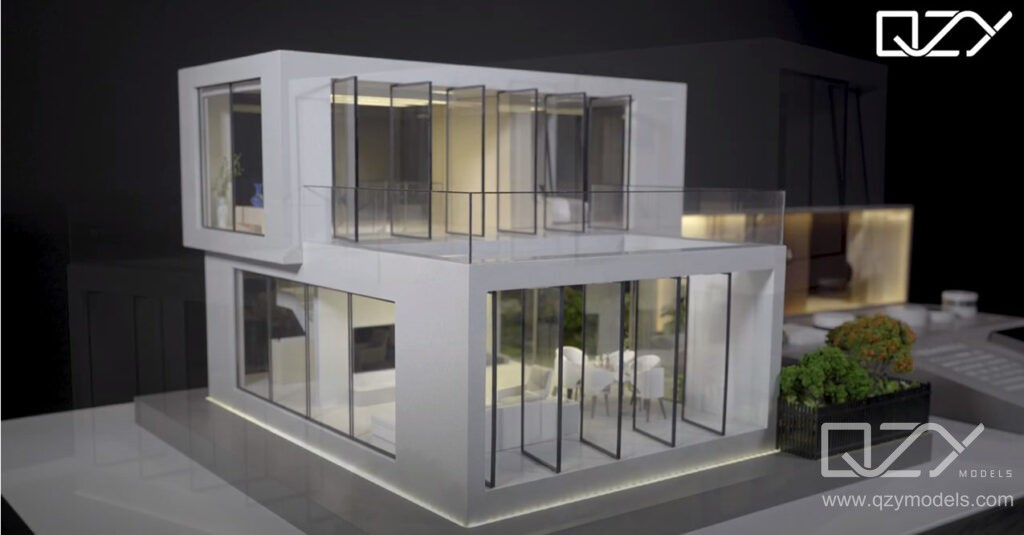
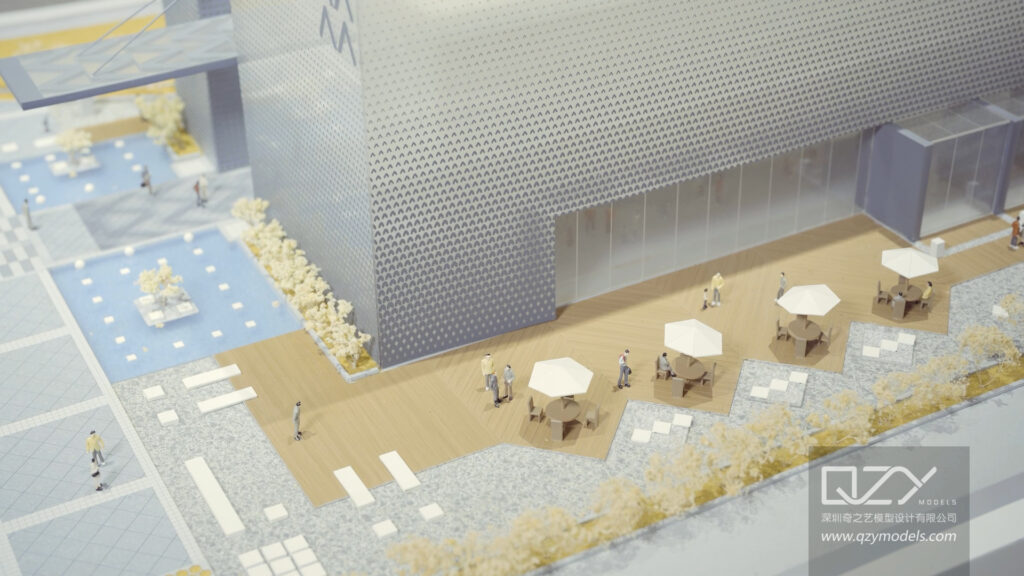
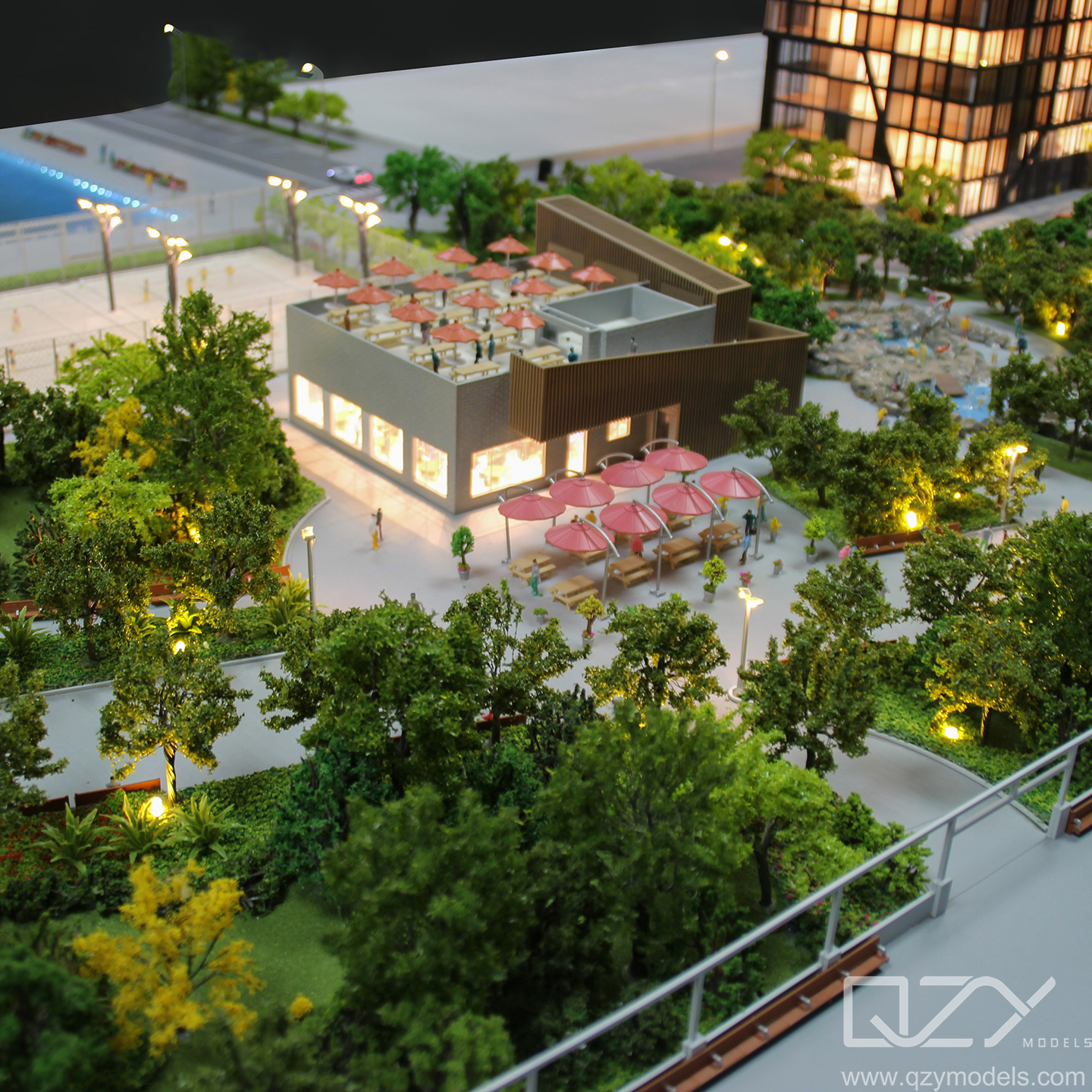
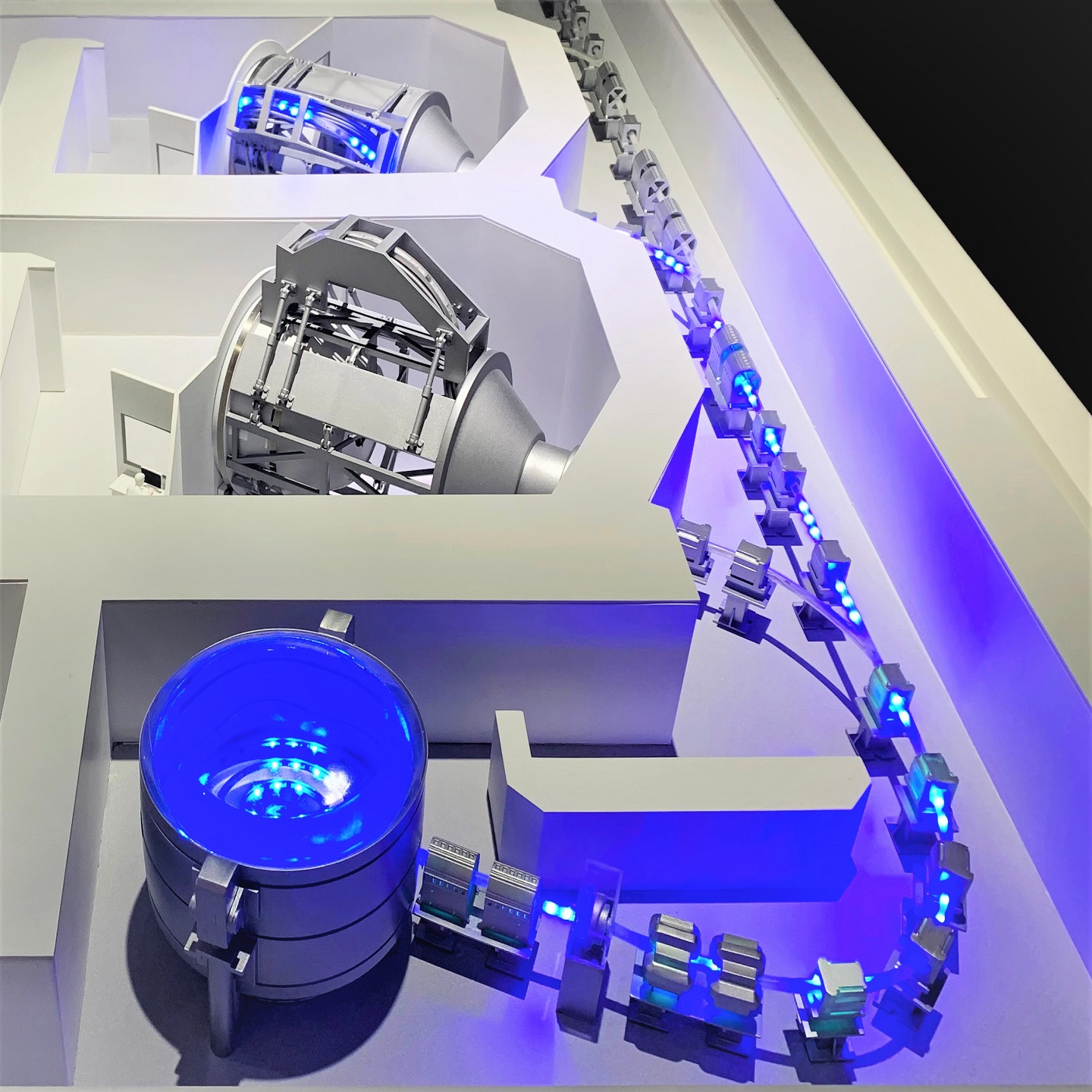
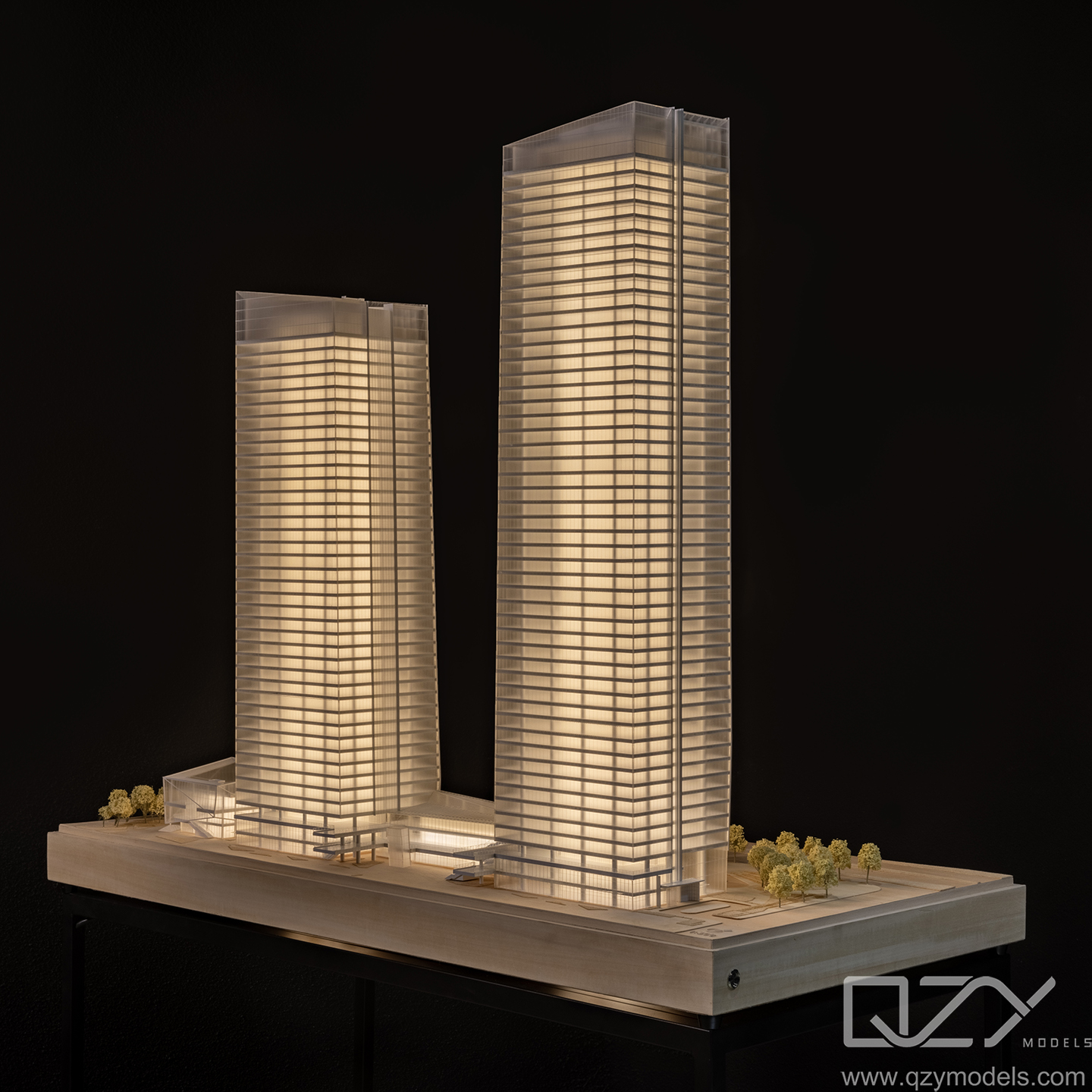
Interior design model creation transforms concepts into tangible or digital representations that help visualize spatial layouts, materials, and aesthetics. These models improve communication, facilitate design decisions, and allow clients and designers to explore functionality and style before implementation.
How Is the Interior Design Model Creation Process Structured?
The process begins with defining project goals and gathering accurate measurements and spatial data. Designers then sketch layouts and create scaled floor plans. Next, either physical models using materials like foam, cardboard, or wood, or digital 3D models using software tools, are developed. Iterative refinement follows, incorporating client feedback to adjust details, finishes, and furnishings. Finalization includes high-quality rendering or physical finishing touches to reflect realistic design intent.
What Tools and Materials Are Commonly Used in Interior Design Model Creation?
Digital tools like SketchUp, Coohom, and AutoCAD facilitate precise 3D modeling and virtual visualization. Physical models often utilize foam board, cardboard, acrylic, wood, and mixed media for textures and finishes. For detailing, paint, fabric swatches, LEDs for lighting effects, and miniature furniture models enhance realism. Laser cutters and 3D printers are increasingly used for precision components. Choosing materials depends on model purpose, scale, and desired detail level.
Which Types of Interior Design Models Best Serve Different Project Needs?
Concept models are quick, abstract representations for exploring ideas. Design development models are more refined, incorporating detailed layouts and furniture placement. Presentation models are highly detailed, visually polished versions intended for client approval or marketing. Digital walkthroughs and VR models offer immersive experiences. The choice depends on project stage, audience, and communication goals, with many projects benefiting from a combination of model types.
Why Is Accuracy and Scale Important in Interior Design Models?
Accurate measurements and consistent scale ensure models realistically represent spatial relationships and proportions, crucial for assessing functionality and circulation. Precision prevents costly design errors and misinterpretations, enabling dependable decision-making and client confidence. Whether physical or digital, maintaining fidelity to real dimensions supports effective visualization of furniture fit, lighting impact, and material usage.
Who Are the Key Professionals and Stakeholders Involved in Model Creation?
Interior designers, architects, model makers, and visualization specialists collaborate to create quality models. Clients, contractors, and marketing teams also interact with models to make informed decisions and approvals. Expert teams like QZY Models bring technical expertise and craftsmanship to deliver accurate, high-quality models tailored to specific project needs and communication styles.
When Should Interior Design Models Be Developed During the Project Timeline?
Models are most impactful when introduced early, during conceptual design, to explore spatial ideas and material palettes. Refinement models help close design details before construction documentation. Presentation models coincide with client approvals, stakeholder meetings, and marketing efforts. Continuous updates may be necessary with design changes or for construction coordination.
Where Are Interior Design Models Typically Utilized and Displayed?
Models are used in design studios, client meetings, presentations, public exhibitions, and sales offices. Digital models enhance remote collaboration through online platforms and VR experiences. Physical models are often showcased in showrooms, design fairs, or onsite to convey design intent in a tactile manner.
Does Integrating Physical and Digital Modeling Offer Advantages?
Yes, physical models offer tangible, spatial understanding and allow tactile interaction, while digital models provide flexibility for quick modifications and immersive visualization. Combining both methods enriches client engagement, accelerates design validation, and accommodates different presentation contexts. Firms like QZY Models excel in blending these approaches to maximize impact.
Has QZY Models Advanced Interior Design Model Creation?
With over 20 years of expertise, QZY Models specializes in producing custom interior design models combining precise craftsmanship and advanced digital technologies. Their global team supports projects worldwide, delivering detailed, functional, and aesthetically refined models that aid designers and clients in visualizing and perfecting interior spaces.
Can Interior Design Models Improve Client Satisfaction and Project Outcomes?
Absolutely, models clarify design intent, bridge communication gaps, and enable early detection of spatial or aesthetic issues. This leads to smoother approvals, fewer costly revisions, and stronger stakeholder alignment. Engaging clients with accurate, immersive models fosters confidence and enthusiasm, improving overall satisfaction and project success.
QZY Models Expert Views
“Interior design modeling is more than representation — it is a crucial communication and problem-solving tool. At QZY Models, we combine meticulous materials selection, precision fabrication, and digital innovation to bring interior concepts to life. Our models facilitate collaboration, inspire creativity, and ensure that every design detail resonates with clients. We pride ourselves on delivering models that not only visualize spaces but also enhance the entire design process.” — Richie Ren, Founder of QZY Models
Conclusion
Interior design model creation is an indispensable practice that enhances design visualization, client communication, and project refinement. Leveraging accurate measurements, appropriate materials, and advanced software allows creation of models tailored to each project phase and audience. Integrating physical and digital modeling approaches provides comprehensive insight and flexibility. Partnering with experienced firms like QZY Models ensures high-quality, impactful models that drive better design outcomes and client satisfaction.
FAQs
Q1: What is the difference between physical and digital interior design models?
Physical models are tangible scale representations made from materials like foam or wood, while digital models are virtual 3D renderings or VR environments. Both serve different presentation and design iteration needs.
Q2: How important is scale in interior design modeling?
Scale ensures accurate spatial representation and proportionality, critical for assessing furniture fit, circulation, and overall design feasibility.
Q3: Can interior design models include lighting and textures?
Yes, incorporating lighting effects and textures enhances realism and helps clients visualize ambiance and material finishes effectively.
Q4: What software is recommended for digital interior modeling?
Popular tools include SketchUp for its ease of use, Coohom for interior-specific features, and AutoCAD for precision drafting and plans.
Q5: Why choose QZY Models for interior design model creation?
QZY Models combines decades of experience, advanced fabrication techniques, and a global service network to deliver precise, customized interior models that elevate design communication and client engagement.