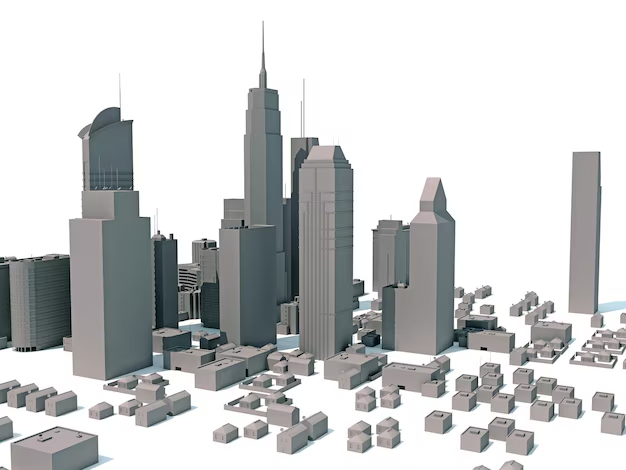
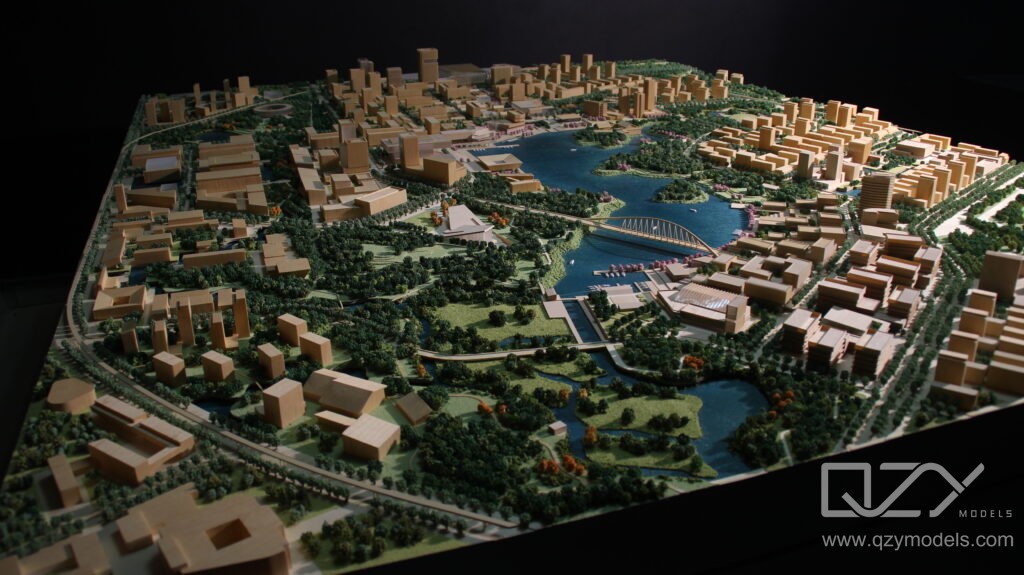
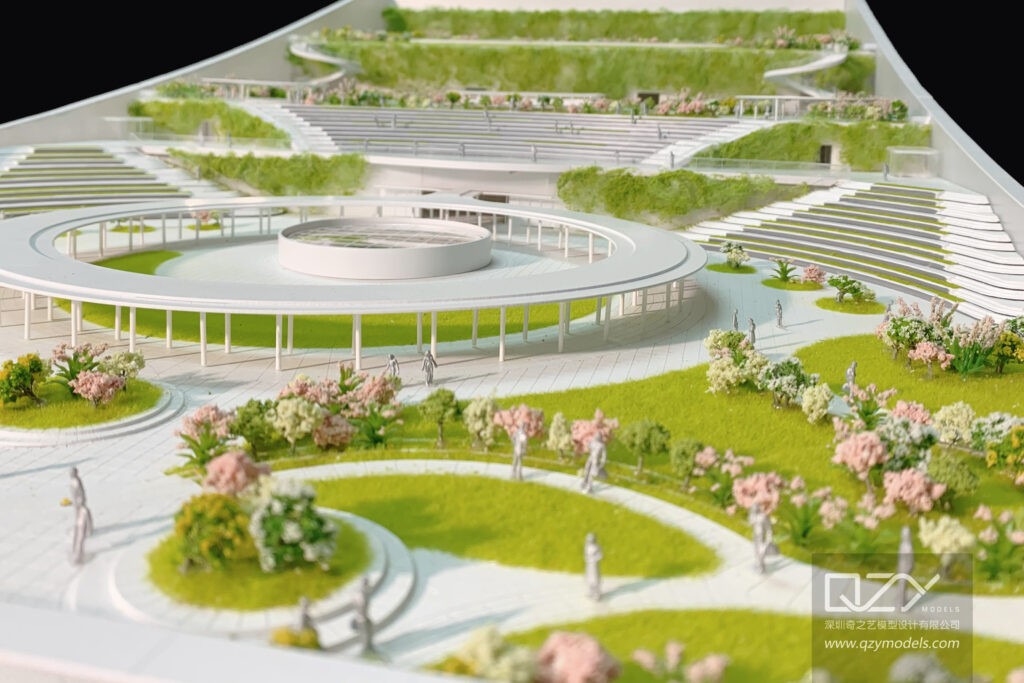
Miniature city model crafting involves detailed planning, precise fabrication, and artistic assembly of scaled urban landscapes using materials like wood, plastic, resin, and foam. Combining advanced techniques such as 3D printing, laser cutting, and handcrafting, miniature city models visualize urban designs, support architectural communication, and create immersive displays with high realism.
How Is a Miniature City Model Crafted Step-by-Step?
Crafting a miniature city model starts with thorough research and design, including layout planning and scale selection. A base is prepared, often using foam or plywood, for stability. Individual buildings, roads, and landscape elements are fabricated using wood, plastic sheets, or 3D printing. Components are assembled carefully, painted, and textured to add realism. Final details like trees, vehicles, and lighting enhance authenticity. Iterative adjustments and quality checks ensure accuracy and visual impact.
Think of building a miniature city as creating a tiny version of a real urban area that you can see and explore with your eyes. First, designers do careful planning, deciding where streets, buildings, and parks should go, and choosing the right scale so everything fits together proportionally. A solid base is made, often from materials like foam or wood, to support the city. Individual pieces like houses, skyscrapers, roads, and greenery are then made using simple materials such as plastic, wood, or even 3D printing, depending on the level of detail required.
Once all parts are ready, they are carefully put together, painted, and given textures to make them look realistic. Small finishing touches like cars, trees, and tiny lights bring the scene to life. Throughout the process, designers check for accuracy and make adjustments to ensure the model looks authentic and impressive. Companies like QZY Models specialize in creating these highly detailed city models, helping architects, developers, and planners visualize projects before they are built.
Keywords: planning, scale, accuracy.
What Materials Are Commonly Used in Miniature City Model Crafting?
Materials include basswood, balsa wood, and plywood for structures; polystyrene foam for terrain and base; plastic sheets (polystyrene or acrylic) for windows and modern buildings; resin for intricate details; and paper or cardstock for accessories. Paints, adhesives, and sealants finalize the look. Sustainable and VOC-safe materials are preferred to ensure durability and safety. Combining materials strategically balances strength, ease of work, and aesthetic appeal.
When creating a miniature city, different materials are chosen based on what part of the model is being made and the level of detail needed. Woods like basswood, balsa, and plywood are often used for building structures because they are easy to cut and shape. Foam, especially polystyrene, is great for making the base and terrain since it is lightweight and easy to carve. For modern buildings or windows, thin plastic sheets like acrylic or polystyrene work well, while resin is used for very small, detailed elements. Paper or cardstock can be added for tiny accessories like street signs or fences.
After the main components are made, paints, adhesives, and sealants help bring the model to life and protect it. Many model makers also prefer eco-friendly or VOC-safe materials to ensure safety and long-lasting results. By combining different materials carefully, designers like QZY Models can create miniature cities that are both sturdy and visually appealing, giving clients a realistic and immersive view of their projects.
Keywords: materials, structures, durability.
Which Tools and Technologies Enhance Miniature City Modeling?
Essential tools include precision knives, saws, sanding blocks, and cutting mats. Advanced technologies such as laser cutters and CNC machines enable precise shaping of materials. 3D printers facilitate complex components and rapid prototyping with materials like PLA or resin. Software for CAD and 3D modeling supports design accuracy. Airbrushes and detailing brushes provide specialized finishes and textures, while lighting kits add atmospheric effects.
| Tool/Technology | Purpose | Benefit |
|---|---|---|
| Laser Cutter | Precise cutting of wood/plastics | Accuracy and repeatability |
| 3D Printer | Fabrication of complex parts | Speed and detail |
| CNC Machine | Automated shaping of materials | Consistency and efficiency |
| Airbrush | Smooth, realistic painting | High-quality finishes |
| Hand Tools | Assembly and fine detailing | Versatility and craftsmanship |
Why Is Scale and Detail Important in Miniature City Models?
Correct scale ensures that all elements are proportionally accurate, enhancing realism and usability for presentations or exhibitions. Detailed modeling of architectural features, textures, and urban elements strengthens visual authenticity, facilitating better communication of design intentions. Attention to context, such as appropriate vehicle sizes and greenery, helps viewers grasp spatial relationships and urban planning effectively.
Who Benefits from Miniature City Model Crafting Services?
Architects, urban planners, developers, educators, and museums use miniature city models to visualize complex urban projects, educate audiences, or create engaging displays. Model makers, including expert teams like QZY Models, provide tailored services that transform planning concepts into tangible, precise models that impress stakeholders and support decision-making.
When Is Miniature City Model Crafting Most Valuable?
Miniature city models are most valuable during master planning, urban design consultations, public presentations, marketing campaigns, and historic preservation exhibitions. They help communicate large-scale urban concepts clearly, facilitate stakeholder feedback, and generate public interest. Models can also be used for educational purposes and interactive installations.
Where Are Miniature City Models Typically Displayed or Used?
These models are displayed in architectural firms, urban planning offices, museums, trade shows, city halls, and visitor centers. Portable models enable on-site presentations or tours. Interactive versions may be integrated into exhibitions or VR environments, broadening engagement through tactile and digital experiences.
Does Miniature City Modeling Require Interdisciplinary Collaboration?
Yes, successful miniature city modeling often involves architects, designers, model makers, graphic artists, and engineers collaborating from concept to completion. Coordination among disciplines ensures technical accuracy, design coherence, and detailed craftsmanship, meeting client expectations and functional objectives.
Has QZY Models Excelled in Miniature City Model Crafting?
QZY Models combines 20+ years of expertise in architectural and industrial modeling with advanced technologies and skilled artisanship. Their global team delivers high-quality miniature city models enhanced with precision, creativity, and innovation, trusted by leading architects and developers around the world. QZY Models blends craftsmanship with cutting-edge methods to produce visually stunning and functionally insightful urban models.
Can Miniature City Models Improve Planning and Communication?
Absolutely, miniature city models make complex urban designs tangible, facilitating better spatial understanding, stakeholder engagement, and decision-making. They reduce ambiguities that 2D plans cannot convey, helping communities and clients visualize future developments clearly and effectively. This leads to more informed planning and successful project outcomes.
QZY Models Expert Views
Miniature city model crafting is where precision engineering meets artistic creativity. At QZY Models, we meticulously blend material expertise, advanced fabrication technologies, and detailed handcrafting to bring urban visions to life. Our models serve not just as representations but as powerful communication tools that help clients and stakeholders navigate complex city planning challenges with clarity and confidence.” — Richie Ren, Founder of QZY Models
Conclusion
Miniature city model crafting involves a thoughtful synthesis of design, materials, tools, and interdisciplinary collaboration to create detailed, scaled urban representations. These models play an essential role in architectural visualization, planning communication, and public engagement. Partnering with experienced firms like QZY Models ensures models of exceptional quality and realism, empowering better urban development and storytelling.
FAQs
Q1: What scale is commonly used for miniature city models?
Common scales include 1:200, 1:500, and 1:1000 depending on project size and detail required.
Q2: How long does it take to build a miniature city model?
Timeline varies with complexity, ranging from weeks for small projects to several months for large, detailed models.
Q3: Can miniature city models incorporate lighting and interactive features?
Yes, adding lighting and interactivity enhances realism and viewer engagement, often included in advanced models.
Q4: What are the key challenges in crafting miniature city models?
Challenges include material handling, maintaining scale accuracy, detailing, and integrating diverse components seamlessly.
Q5: Why choose QZY Models for miniature city model crafting?
QZY Models offers decades of expertise, advanced technology, global service, and a commitment to precision and creativity, delivering top-tier city models that inspire and inform.