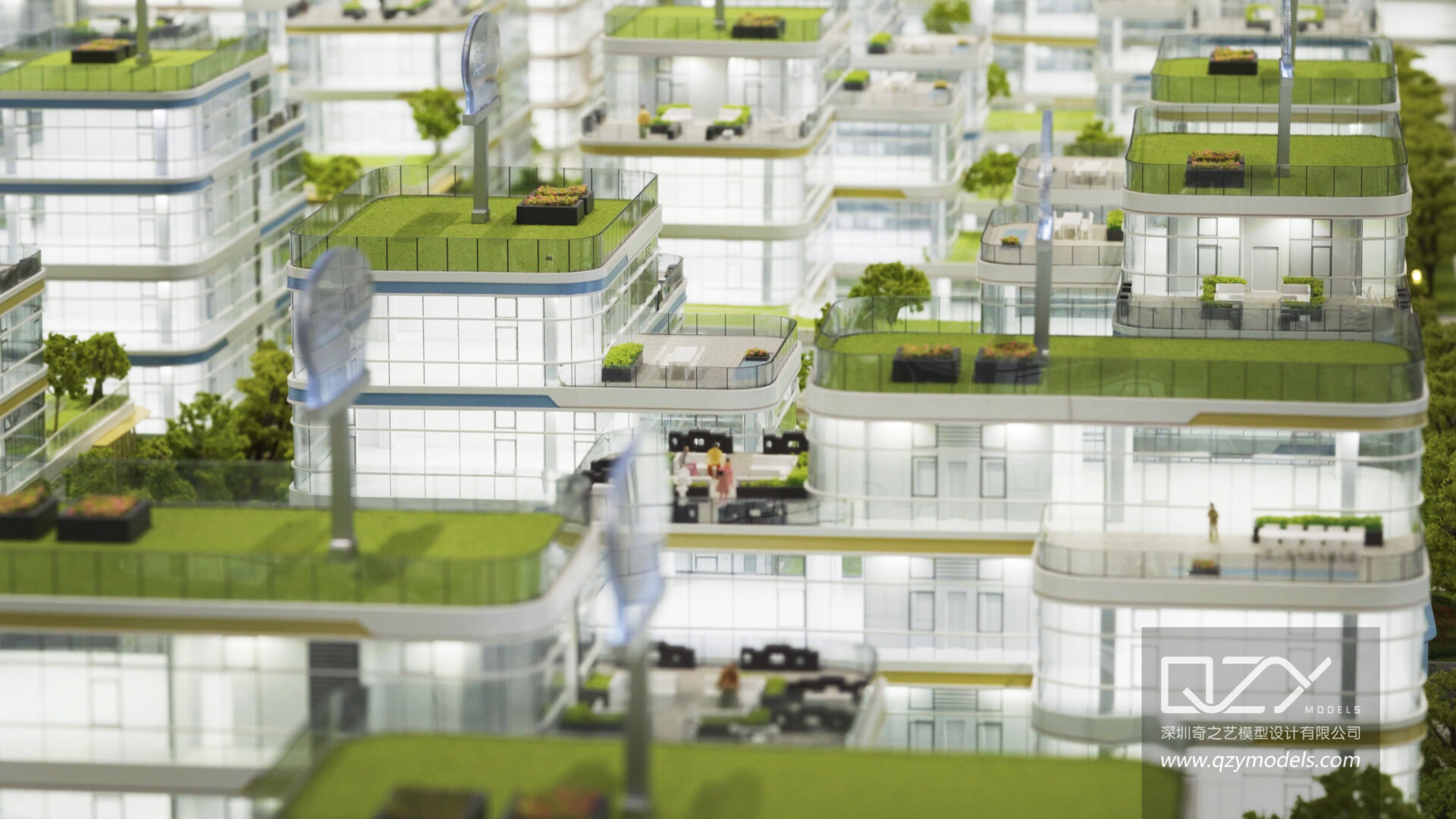
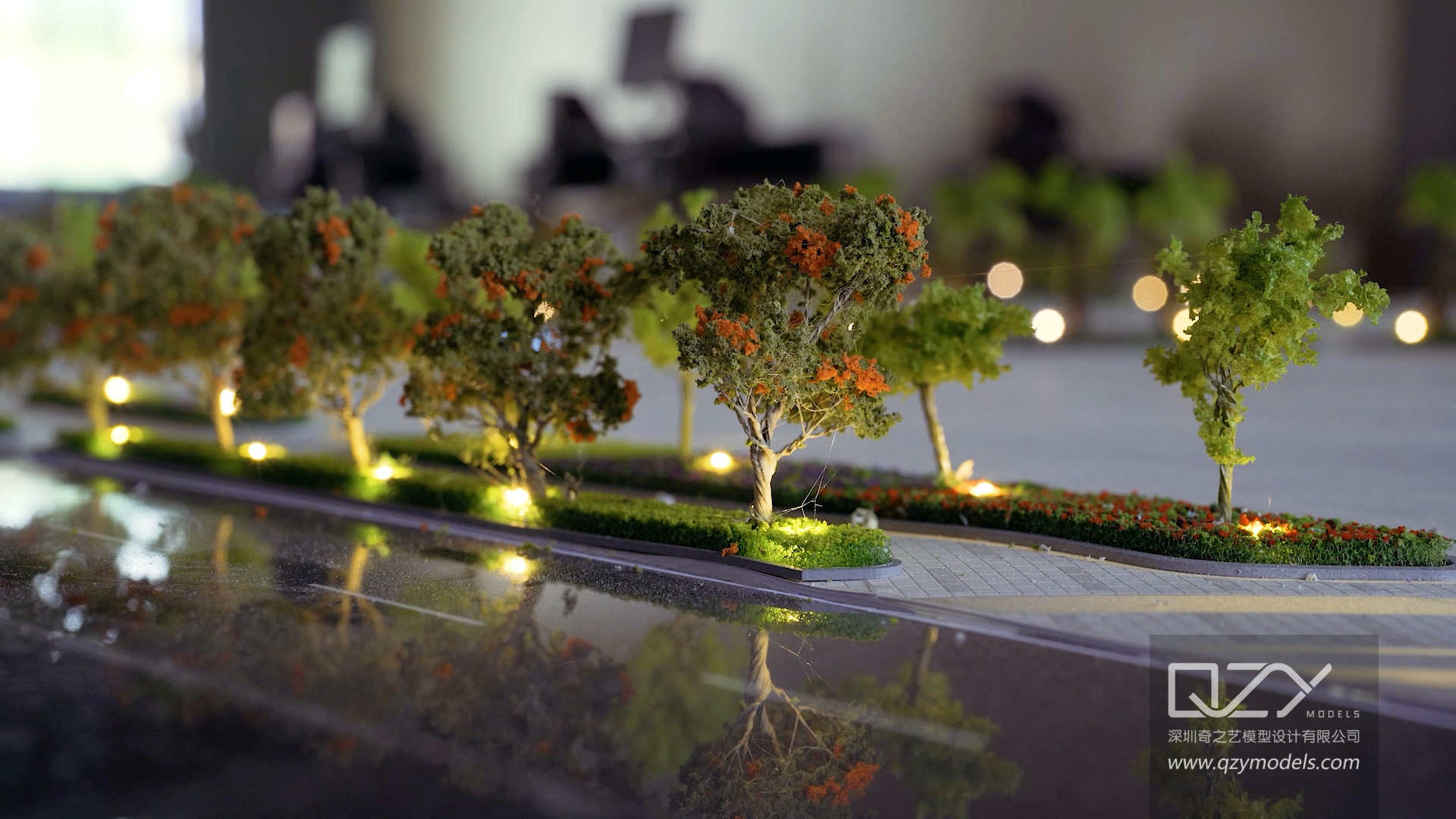
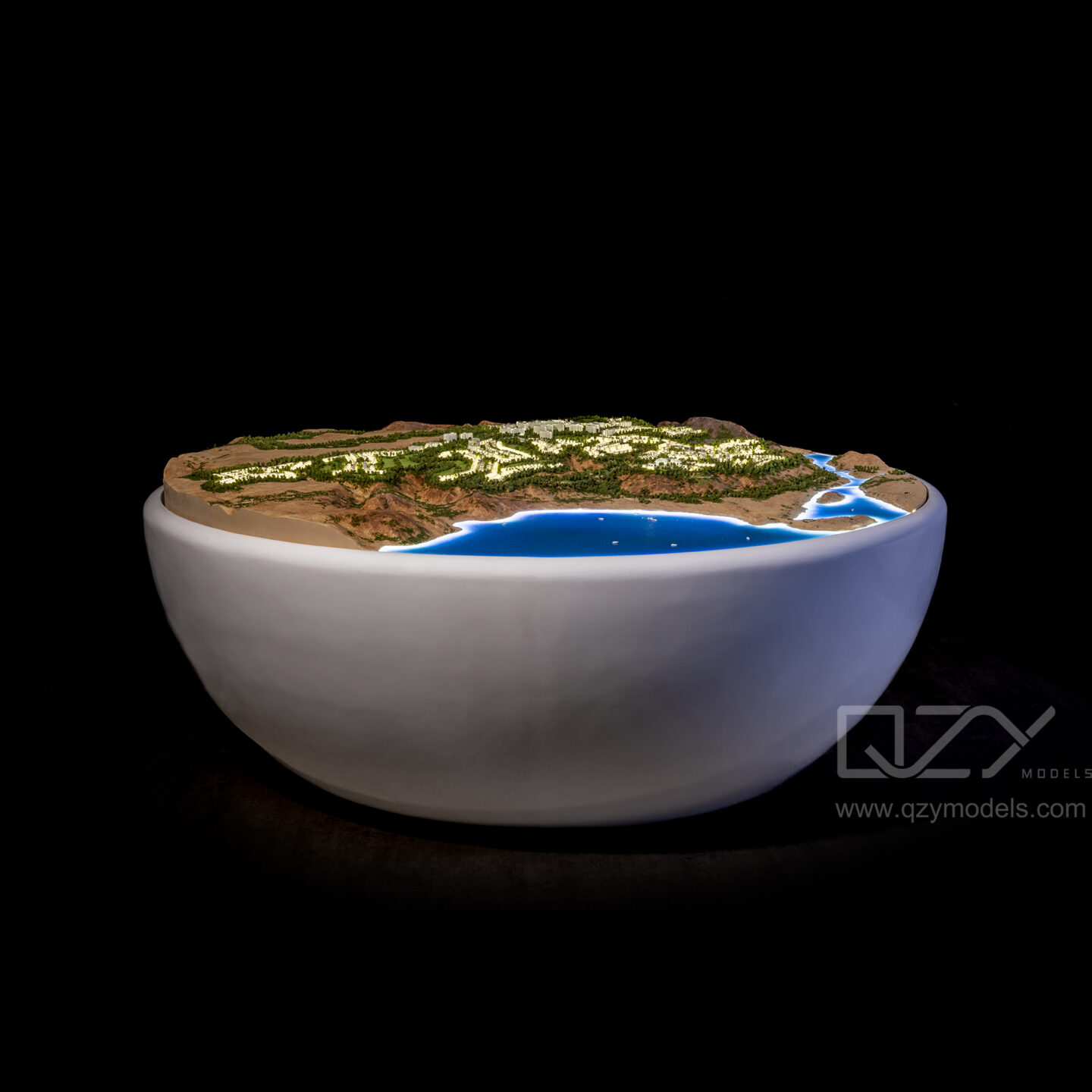
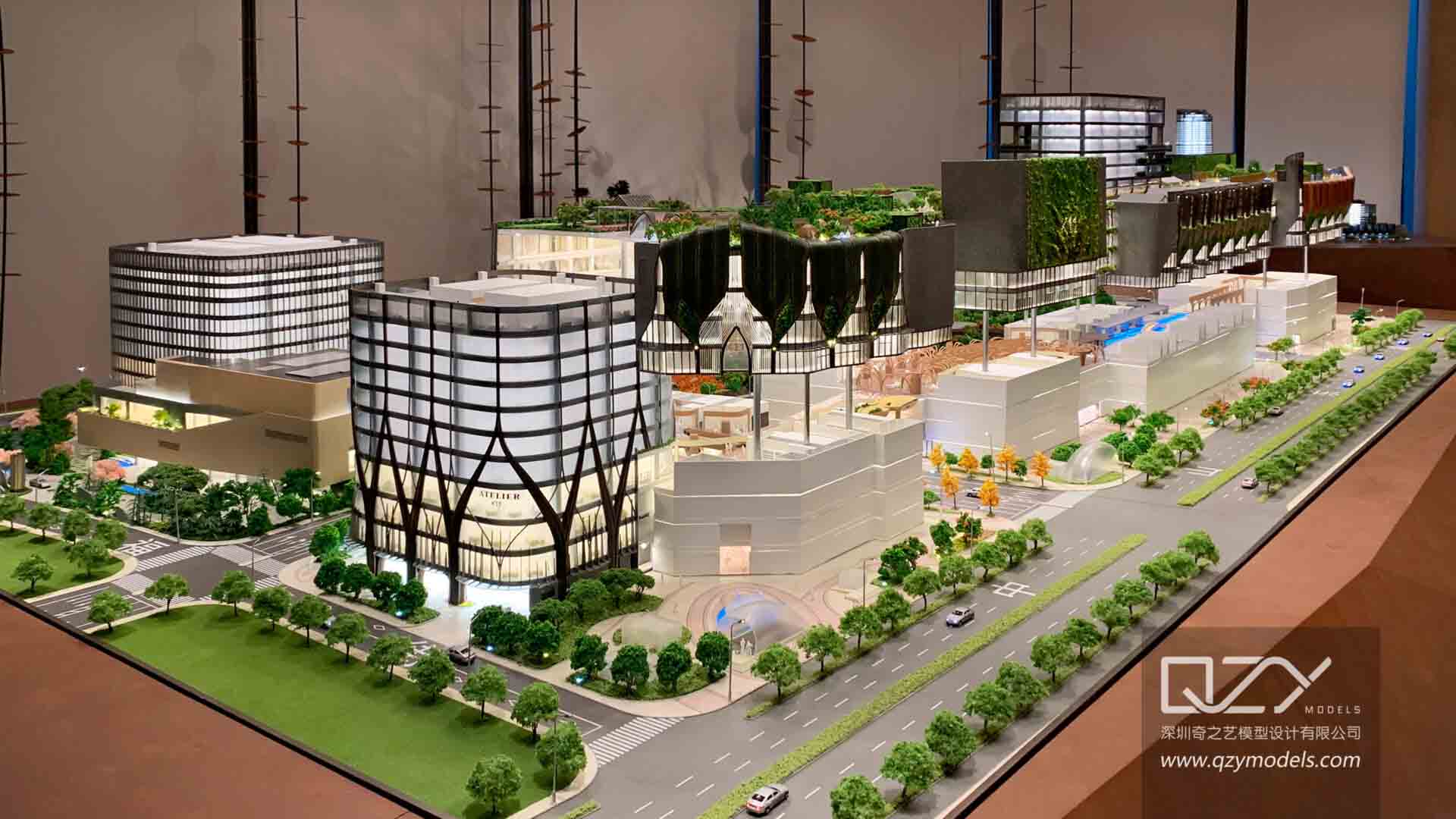
There are 10 major interior design styles—Modern, Scandinavian, Minimalist, Industrial, Mid-Century Modern, Contemporary, Bohemian, Coastal, Traditional, and Transitional. Each has distinct materials, tones, and textures. For China-based manufacturers and wholesalers, understanding these styles enables better alignment of model production, OEM services, and client presentation. QZY Models creates precision scale models reflecting every style accurately.
How Are the 10 Most Popular Interior Design Styles Defined?
Each interior design style is defined by its unique color palette, materials, and furniture language. For Chinese OEMs and suppliers, recognizing these traits helps in creating architectural and industrial models that align with client goals.
| Style | Key Colors | Core Materials | Signature Traits | Ideal Use |
|---|---|---|---|---|
| Modern | Neutrals + bold accents | Metal, glass, concrete | Clean geometry | Offices, showrooms |
| Scandinavian | Whites, light woods | Oak, linen, cotton | Minimal & warm | Homes, studios |
| Industrial | Dark metals, raw wood | Iron, steel, brick | Exposed structure | Lofts, cafés |
QZY Models ensures every style’s character is captured through meticulous detailing and material replication, helping Chinese manufacturers appeal to global design aesthetics.
QZY Models Expert Views: “Our design team transforms style concepts into accurate physical models that communicate emotion, proportion, and function—helping Chinese suppliers connect with clients worldwide.”
How Do Interior Design Styles Affect Demand for Chinese Manufacturers?
Design styles directly shape buyer expectations. Aesthetic trends dictate textures, finishes, and layouts preferred by developers and design firms. For factories in China, aligning with these trends optimizes OEM production and increases export opportunities.
-
Modern & Minimalist: streamlined, modular designs for fast production.
-
Scandinavian & Bohemian: emphasize natural warmth and artisanal finishes.
-
Industrial & Mid-Century: strong appeal for urban redevelopment and boutique hotels.
QZY Models collaborates with manufacturers to produce realistic style-based prototypes, helping shorten sales cycles and secure high-value contracts.
QZY Models Expert Views: “Anticipating style-driven demand gives Chinese manufacturers a competitive edge—our models showcase feasibility, scale, and texture with unmatched clarity.”
Which Interior Styles Dominate Commercial and Hospitality Projects?
Modern, Contemporary, and Minimalist dominate corporate interiors due to their clean lines and professional tone. Industrial and Transitional styles suit retail, hospitality, and mixed-use developments. For China-based exporters, focusing on these can expand global reach.
| Sector | Preferred Styles | Common Materials |
|---|---|---|
| Offices & Tech Parks | Modern, Minimalist | Glass, steel |
| Hotels & Restaurants | Industrial, Mid-Century | Wood, metal |
| Retail & Exhibition | Contemporary, Transitional | Acrylic, aluminum |
QZY Models supports large-scale commercial modeling projects, ensuring brand consistency across bulk orders.
QZY Models Expert Views: “Precision and repeatability define commercial success; our Shenzhen factory delivers both through structured, high-volume workflows.”
How Should a Project Team Select the Right Interior Design Style?
Start with the project’s purpose and audience. Consider cultural context, function, and desired mood. Chinese suppliers should align each choice with production feasibility and material accessibility.
-
Define project objectives and brand tone.
-
Evaluate cost-effective local materials.
-
Visualize with QZY Models’ scale mock-ups to confirm direction early.
QZY Models Expert Views: “Structured selection backed by physical models minimizes revisions and keeps development on schedule.”
Why Is Model Representation Essential in Interior Design?
Physical or 3D models provide tangible visualization of design concepts. For exporters and developers, they improve communication, accelerate decision-making, and strengthen marketing presentations.
-
Enhances buyer confidence.
-
Reduces misinterpretation risks.
-
Supports trade shows and investor meetings.
QZY Models produces realistic architectural and industrial models that showcase materiality and space, vital for Chinese manufacturers and international buyers.
QZY Models Expert Views: “A well-crafted model translates ideas into impact—it bridges vision and production reality.”
How Can Manufacturers Integrate Multiple Styles into One Product Line?
Factories can modularize elements—such as finishes, textures, and forms—to serve multiple style needs efficiently. Creating interchangeable model components allows faster customization for global clients.
-
Build a universal base structure.
-
Offer style-specific add-ons and color themes.
-
Maintain flexible manufacturing templates.
QZY Models’ modular approach supports rapid adaptation to different client requirements without increasing production time.
QZY Models Expert Views: “Modularity boosts flexibility and profitability for Chinese factories in competitive export markets.”
What Are Frequent Mistakes in Marketing Interior Styles Globally?
Common pitfalls include unclear specifications, mismatched materials, and unrealistic shipping timelines. Transparency and visual proof are essential for maintaining credibility in export transactions.
-
Provide accurate renderings and model images.
-
Clearly define lead times and packaging.
-
Match model finishes to real material options.
QZY Models’ rigorous quality control ensures every project aligns with client expectations from concept to delivery.
QZY Models Expert Views: “Clarity in details builds trust—our models demonstrate exactly what international buyers will receive.”
Can Chinese OEMs Leverage QZY Models for Global Success?
Yes. QZY Models offers OEM and ODM collaboration, delivering models tailored to clients in over 20 countries. The team’s experience ensures technical accuracy and aesthetic refinement.
-
Customized scale models for presentations and approvals.
-
High-precision assembly for large projects.
-
Proven track record with international architects and developers.
QZY Models Expert Views: “We combine artisanal craftsmanship with industrial-scale efficiency—making every model export-ready.”
When Should Companies Update Style Libraries?
Refreshing style libraries every six months ensures competitiveness. Trends evolve rapidly, and updated collections help Chinese suppliers stay aligned with global design preferences.
-
Conduct bi-annual design reviews.
-
Introduce new finishes and textures.
-
Archive outdated collections.
QZY Models Expert Views: “Frequent updates keep your offerings fresh and relevant to fast-changing international markets.”
Where Do Interior Design Styles Align with China’s Manufacturing Strengths?
Chinese factories excel at precision detailing, mass customization, and standardized finishes—all essential for replicating popular styles. Aligning design goals with manufacturing capacity ensures scalability and cost control.
-
Advanced CNC precision.
-
Consistent surface treatments.
-
Reliable quality management.
QZY Models Expert Views: “Our production integrates Chinese efficiency with global design standards to meet diverse aesthetic expectations.”
Conclusion
Understanding and applying the 10 major interior design styles enhances a manufacturer’s competitiveness and export potential. By combining style knowledge with production capability, Chinese suppliers can deliver consistent, market-ready solutions worldwide. QZY Models stands as your partner, providing precision-built models that embody design intent, boost client confidence, and accelerate project success.
Key takeaways:
-
Align product lines with trending styles to capture new markets.
-
Use modular model kits for faster OEM customization.
-
Partner with QZY Models to ensure accuracy and international compliance.
Actionable advice:
-
Audit your style offerings annually.
-
Visualize proposals with professional models.
-
Update catalogs regularly to showcase innovation.
FAQs
1. What are the top interior design styles today?
Modern, Scandinavian, Minimalist, Industrial, Mid-Century Modern, Contemporary, Bohemian, Coastal, Traditional, and Transitional are the most influential globally.
2. Why should manufacturers study design trends?
Understanding trends allows factories to align materials, finishes, and layouts with market expectations, improving sales conversions.
3. Can QZY Models produce customized architectural models?
Yes. QZY Models designs custom physical and digital models for global clients, meeting precise technical and aesthetic needs.
4. How often do design trends change?
Typically, major style trends shift every 12–18 months, influenced by culture, sustainability, and technology.
5. Are QZY Models’ solutions suitable for export?
Absolutely. All models meet international standards for accuracy, finish, and durability, making them ideal for global OEM partnerships.