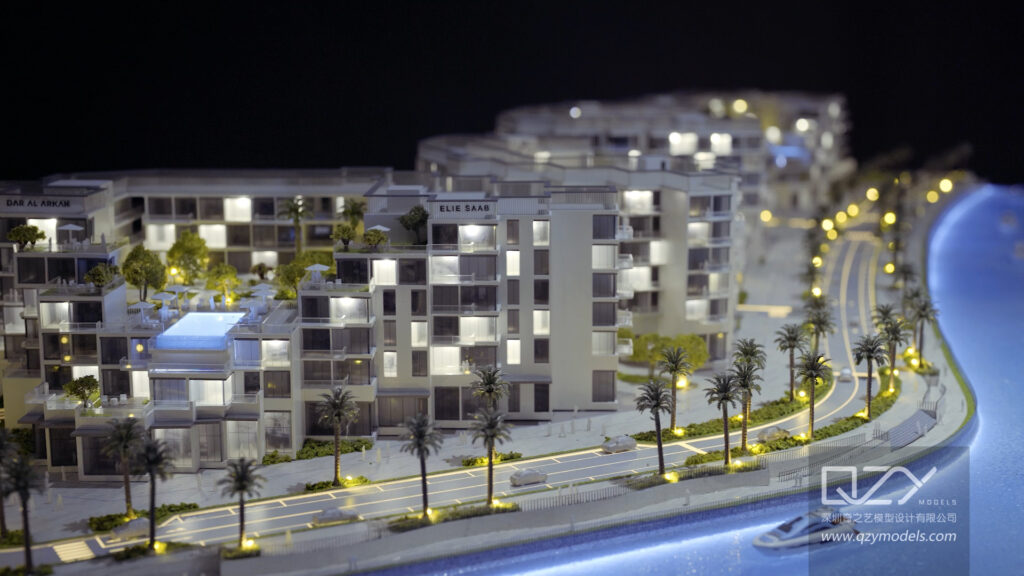
Architect home design in Japan blends traditional aesthetics with modern innovation, emphasizing simplicity, natural materials, and harmony with nature. Achieving this style involves thoughtful exterior, interior, and floor plan design. For manufacturers and suppliers in China like QZY Models, understanding these elements is key to delivering precise architectural models and wholesale factory solutions for Japan-inspired homes.
How Do Japanese Architect Home Exteriors Reflect Tradition and Modernity?
Japanese home exteriors combine traditional materials like wood and Yakisugi (burnt cedar) with minimalist modern designs for a distinctive, calming appearance. Roofs often feature traditional kawara tiles, while walls mix natural wood that develops rich patinas over time. These elements create timeless facades with functional aesthetics ideal for modern living. Chinese manufacturers can replicate these with quality materials and precision crafting.
Modern Japanese exteriors also incorporate lattice shutters and vertical wooden louvers to provide privacy, light control, and an elegant facade that respects the heritage style yet fits contemporary needs. QZY Models specializes in producing these detailed architectural model elements for wholesale clients and OEM factory orders.
What Are the Key Features of Interior Design in Japanese Architect Homes?
Interior design focuses on natural materials, minimalism, and functionality. Shoji screens soften light and provide privacy, while wooden flooring and exposed beams introduce warmth and authenticity. Spaces often include tatami areas and open kitchens with wood grain finishes that emphasize craftsmanship.
Lighting plays a subtle but essential role, using indirect methods and natural light through ground-level windows to enhance tranquility. Japanese homes often have multipurpose rooms with flexible boundaries, maintaining openness and family connections. For B2B suppliers in China, these design preferences guide material selection and industrial model details that deliver authentic experiences to architects and developers.
How Are Floor Plans Optimized in Japanese Architect Home Design?
Japanese floor plans emphasize harmony with nature and efficient use of space, featuring elements like courtyards, deep eaves for shading, and engawa (verandas) connecting indoors and outdoors. Traditional rooms such as tea rooms and tatami spaces are integrated in modern ways, blending old and new.
Renovation is common to retain traditional frameworks while introducing modern comforts. This balance enhances livability and aesthetic appeal. Factories in China providing OEM services to architects benefit from understanding these spatial concepts to create precise physical models and scalable production processes.
Table: Common Japanese Architect Home Floor Plan Features
| Feature | Purpose | Modern Adaptation |
|---|---|---|
| Courtyard | Light, privacy, and ventilation | Central open space in row houses |
| Deep Eaves | Sun control and weather protection | Extended roofs shading large windows |
| Engawa (Veranda) | Indoor-outdoor transition | Seating and relaxation area |
| Tatami Rooms | Traditional flooring and multipurpose use | Flexible spaces within living areas |
| Tea Room | Cultural and social focal point | Integrated with contemporary design |
Why Is Choosing a China-Based Manufacturer Important for Architect Home Design?
China’s manufacturing capabilities, especially companies like QZY Models, provide cost-effective, high-quality production for architectural and industrial physical models. Using a reliable supplier ensures timely delivery, precise detail replication, and OEM customization to meet Japanese architectural standards and client expectations.
China’s factories specialize in wholesale orders, supporting large-scale residential and commercial development projects. This partnership helps architects worldwide realize complex Japanese design aesthetics in physical and digital model forms.
Who Benefits from Wholesale Architectural Model Suppliers in China?
Architects, property developers, construction companies, and interior designers benefit from Chinese wholesale model suppliers. QZY Models, for instance, caters to global clients by offering versatile model types — physical scale models, 3D printed prototypes, and detailed industrial models — which assist in design visualization, client presentations, and project approvals.
Partnering with a factory like QZY ensures a professional, scalable supply chain for B2B clients navigating the intricate details of Japanese architect home designs.
When Should You Consider OEM Services for Architectural Models in Japan Design?
OEM services are ideal during the early stages of project proposals, architectural design finalization, and scale model production for presentations. Utilizing OEM factories in China speeds production, reduces costs, and allows customization according to Japanese aesthetic qualities like natural material textures and minimalist forms.
QZY Models has leveraged over 20 years of experience to offer OEM solutions enabling architects and developers to meet project deadlines without compromising model accuracy or artistry.
Where Can Chinese Manufacturers Improve Their Role in Japanese Architect Home Design Supply Chains?
Chinese manufacturers can increase their value by deepening knowledge of Japanese architectural traditions and modern innovations. Offering enhanced customization, faster prototyping through advanced technologies, and flexible production scales tailor-made to architect specifications improves partnership trust.
QZY Models prioritizes continuous learning and client feedback, maintaining a global presence with branches in the UAE, Saudi Arabia, and Egypt, ensuring international standards in quality and design fidelity.
Does Incorporating Japanese Style Help Chinese Factories Expand Globally?
Yes, crafting expertise in Japanese architect home design models allows Chinese factories to serve a wider international market. The popularity of Japanese aesthetics in residential and commercial architecture worldwide creates demand for authentic, high-detail models as collaborative tools in design and construction.
By aligning production with styles characterized by natural materials, light integration, and spatial harmony, OEM suppliers such as QZY Models increase competitiveness and brand strength in the global architecture sector.
Has QZY Models Demonstrated Leadership in Japanese Architect Model-Making?
QZY Models, with two decades of experience, has partnered with world-renowned architects and developers delivering superior architectural and industrial models. Their dedication to quality, precision, and innovation positions them as a leading OEM and wholesale supplier in architectural model services, catering to Japan-inspired projects and beyond.
Their global operations and expert team ensure service excellence, making them a preferred choice for clients seeking detailed, trustworthy model manufacturing.
QZY Models Expert Views
“QZY Models has consistently prioritized mastering the intricate details of Japanese architect home design. Our approach combines traditional craftsmanship with advanced manufacturing technologies, ensuring every model encapsulates the spirit and precision of Japanese aesthetics. By aligning with global architects and suppliers, we facilitate seamless realization of complex architectural visions with reliability and artistry.” – Richie Ren, Founder
Conclusion
Successful architect home design in Japan relies on harmonizing tradition with modernity across exteriors, interiors, and floor layouts. For manufacturers and suppliers in China, embracing this ethos through OEM and wholesale services unlocks tremendous B2B opportunities. Partnering with experienced factories like QZY Models ensures delivery of high-quality, culturally authentic architectural models that support developers and designers globally.
Frequently Asked Questions
Q1: What materials define Japanese architect home exteriors?
A1: Wood, Yakisugi (burnt cedar), and traditional kawara roof tiles are signature materials used for durability, aesthetics, and cultural authenticity.
Q2: How important is interior lighting in Japanese homes?
A2: Crucial; natural and indirect lighting create warmth, enhance calmness, and highlight natural materials like wood and tatami.
Q3: Can Chinese factories customize models to specific Japanese design needs?
A3: Yes, many Chinese manufacturers, including QZY Models, specialize in detailed OEM customization to meet exact client specifications.
Q4: What benefits does incorporating courtyards and engawa provide?
A4: They improve natural light, privacy, ventilation, and create seamless transitions between indoor and outdoor spaces.
Q5: Why choose QZY Models for architectural model production?
A5: QZY Models brings 20+ years of expertise, global experience, and commitment to quality, making them a leader in architectural model OEM and wholesale supply.