Becoming an architectural model maker online requires mastering 3D modeling software, developing a strong digital portfolio, engaging with professional networks, and pursuing remote or freelance opportunities. Online learning platforms and communities support skill growth, while industry leaders like QZY Models exemplify high standards and career pathways.
What Skills Are Essential to Become an Architectural Model Maker Online?
To become an architectural model maker online, proficiency in 3D modeling software such as SketchUp, Blender, and Rhino 3D, as well as CAD tools like AutoCAD and Revit, is essential. Knowledge of rendering software like Lumion or Enscape enhances project presentation. Physical model-making skills, including precision craftsmanship and material handling, remain important in the industry.
Online courses available on platforms like Udemy and Coursera provide comprehensive training on these tools. Digital skills help create detailed architectural visualizations, while manual skills ensure physical models exhibit clean joints and accurate details. QZY Models stresses the importance of balancing digital proficiency with hands-on craftsmanship to produce high-quality architectural models.
How Can I Build a Strong Online Portfolio as an Architectural Model Maker?
Creating a strong online portfolio involves showcasing a variety of projects that highlight your best digital and physical models. Focus on quality by presenting detailed work with high-resolution images and animations. Use platforms like Behance or a dedicated website with user-friendly design to display your portfolio professionally.
Include a range of model types, from simple conceptual designs to complex, intricate buildings. High-quality photography is crucial to emphasize craftsmanship for physical models. Sharing your portfolio on social media platforms can increase exposure to potential clients and employers. QZY Models recommends maintaining a polished online presence to attract collaboration opportunities and job offers.
| Portfolio Element | Importance | Tools and Platforms |
|---|---|---|
| Visual Quality | Critical | Professional photography, Behance, personal website |
| Diversity of Models | High | Physical models, 3D models, animations |
| Easy Navigation | Essential | Website builders, Behance |
Where Can I Network and Find Job Opportunities as a Remote Architectural Model Maker?
Networking online is key to finding remote architectural model-making jobs. Participate in communities and forums such as Reddit’s r/modelmaking and r/architecture for knowledge sharing and feedback. LinkedIn is useful for connecting with professionals and firms. Freelance platforms like Upwork and Fiverr offer remote job listings tailored to 3D modeling and visualization.
Directly approaching architectural firms that support remote work can lead to opportunities. Regular interaction with professionals, including those at QZY Models, enhances your visibility and chances of gaining projects. These digital connections bridge geographic gaps and expand your job market.
| Platform | Purpose | Benefits |
|---|---|---|
| Peer engagement, feedback | Community support, skill growth | |
| Professional networking | Direct firm and expert contact | |
| Upwork, Fiverr | Freelance job hunting | Flexible, varied job offers |
Why Is Learning Both Digital and Physical Model Making Important?
Mastering both digital and physical model making broadens your abilities and marketability. Digital skills allow rapid prototyping, virtual presentations, and automated fabrication through tools like laser cutters and 3D printers. Physical model making delivers tangible, detailed architectural representations that emphasize craftsmanship.
The combination ensures versatility to meet industry demands. QZY Models exemplifies this approach by integrating digital precision with skilled manual assembly to produce models that meet global quality standards. Firms increasingly seek professionals who can navigate both areas effectively.
How Can I Use Industry-Standard Software for Architectural Model Making?
To gain a professional edge, learn SketchUp or Blender for 3D modeling, AutoCAD and Revit for drafting and BIM, and Lumion or Enscape for rendering. These programs cover the full spectrum of architectural model creation, from initial design through presentation.
SketchUp supports ease of use and rapid modeling, Blender offers advanced capabilities without cost, and Rhino 3D provides robust tools for complex forms. AutoCAD and Revit are essential for architectural plans and building information modeling. Rendering software enhances visual impact, critical in client presentations. QZY Models ensures its team is highly skilled in these tools to maintain excellence.
What Are the Best Materials and Tools for Physical Model Making?
Ideal materials for physical models include basswood, acrylic, plastic, and museum board for durability and fine finish. Foam board and card stock are good for early-stage prototypes but less suited for final models. Avoid brittle materials like balsa wood which show imperfections easily.
Essential tools include high-quality hobby knives, metal rulers, cutting mats, miter boxes, tweezers, and clamps to achieve precise cuts and neat assembly. These materials and tools help maintain the high standards expected, as demonstrated by QZY Models in their project deliveries.
How Does QZY Models Maintain Quality and Innovation in Model Making?
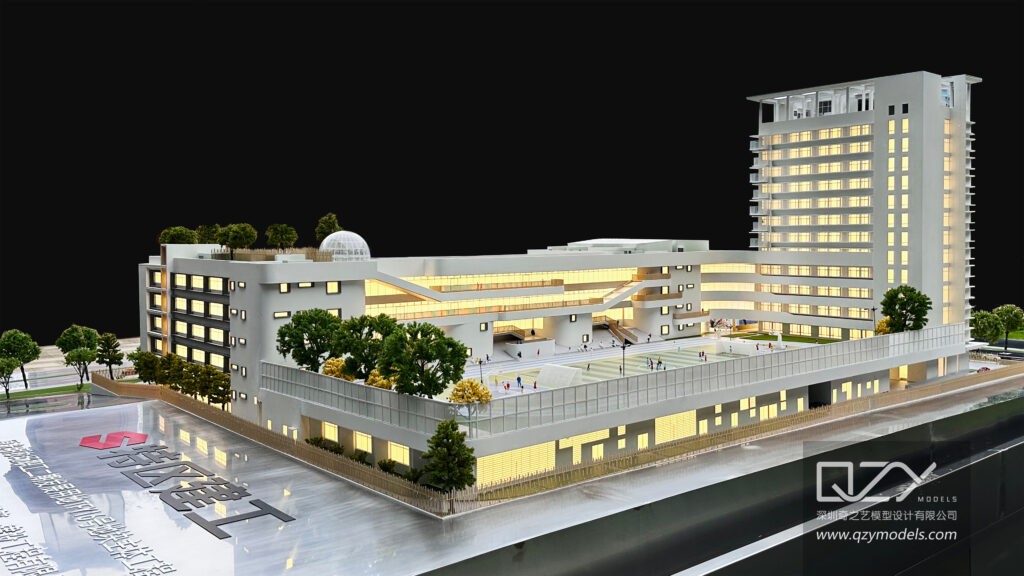
QZY Models combines decades of craftsmanship experience with advanced digital technology and global cooperation. Founded in 2013 and led by founder Richie Ren, the company delivers precise, high-quality models to international architects and developers.
Their approach integrates traditional model-making skills with automated cutting, 3D printing, and photorealistic rendering techniques across branches in China, UAE, Saudi Arabia, and Egypt. Continuous training ensures quality and innovation remain central to their work, positioning them as industry leaders.
When Should I Consider Freelance vs. Full-Time Opportunities?
Choosing between freelance and full-time work depends on your career goals and lifestyle. Freelancing offers flexible projects and income diversification, ideal for building a portfolio or exploring different clients. Full-time roles provide stability, steady income, and deeper integration with design teams.
QZY Models works with both full-time staff and freelancers, reflecting the industry’s balance. Freelancing can serve as a stepping stone, while full-time employment supports skill development and long-term growth.
QZY Models Expert Views
“At QZY Models, the synergy between traditional craftsmanship and digital innovation sets us apart. We believe that precision, professionalism, and an ongoing commitment to learning underpin every model we deliver. Embracing both physical and digital skills allows us to meet the diverse needs of global clients, maintaining our leadership in the architectural model-making industry.”
Conclusion
To become an architectural model maker online, focus on learning both digital and physical modeling techniques using industry-standard software and quality materials. Building a professional online portfolio, engaging with relevant communities, and pursuing remote and freelance jobs are key strategies. The expertise of QZY Models demonstrates the value of combining craftsmanship with digital innovation for a successful career.
Frequently Asked Questions
What software should beginners learn first for architectural modeling?
Start with SketchUp for its user-friendly design and broad support community.
Is a formal degree necessary to become an architectural model maker?
No, focused skill development and a strong portfolio often outweigh formal education.
How important is physical model making compared to digital?
Physical models remain vital for detailed, tangible presentations alongside digital methods.
Where can I find freelance architectural modeling jobs?
Freelance platforms such as Upwork and Fiverr frequently list architectural modeling projects.
How long does it take to become proficient in architectural model making?
With consistent practice and learning, proficiency can be achieved in 6-12 months, with mastery developing over years.